Does Ring Have A Water Sensor And What You Should Know
Yes, Ring offers water leak detection through its Ring Alarm system and compatible sensors. A Ring water sensor helps you catch leaks early, prevent costly water damage, and protect your home even when you are away. This guide covers everything from setup to placement tips and what you should know before buying one.
Water damage is one of the most common and expensive problems homeowners face. A single undetected leak can cause thousands of dollars in repairs. This is exactly why a Ring water sensor has become such a popular topic among homeowners looking for affordable protection. If you have been searching for does Ring have a water sensor, you are in the right place. Let us walk through everything you need to know.
Ring is best known for its doorbell cameras and security systems. But Ring has expanded into a full smart home security ecosystem. Part of that ecosystem includes sensors designed to alert you about potential water problems. Whether you are worried about a burst pipe, a leaking appliance, or basement flooding, Ring has a solution that fits.
In this article, we will cover exactly what the Ring water sensor does, how it works, where to place it, and whether it is worth adding to your home. We will also compare it with other options and share practical tips to get the most out of your setup. By the end, you will know if a Ring water leak detection sensor is the right move for your home.
Key Takeaways
- Ring does offer a water sensor: It is part of the Ring Alarm ecosystem and detects moisture to alert you of potential leaks.
- Easy to set up: The sensor is wireless, battery-powered, and pairs with your Ring Alarm base station in minutes.
- Placement matters: Putting the sensor in the right spots like under sinks, near water heaters, and in basements maximizes its effectiveness.
- Works with other Ring devices: The water sensor integrates with Ring Alarm Pro, Ring cameras, and the Ring app for a complete home protection setup.
- Affordable protection: Ring water sensors are reasonably priced and can save you thousands in water damage repairs.
- Not a standalone product: You need a Ring Alarm base station to use the water sensor fully.
📑 Table of Contents
- What Is a Ring Water Sensor?
- Does Ring Have A Water Sensor? Yes, And Here Is How It Fits In
- Where Should You Place a Ring Water Sensor?
- Benefits of Using a Ring Water Sensor
- Ring Water Sensor vs. Other Water Detection Options
- Tips for Getting the Most Out of Your Ring Water Sensor
- Common Mistakes to Avoid With Ring Water Sensors
- Is a Ring Water Sensor Worth It?
- Final Thoughts
What Is a Ring Water Sensor?
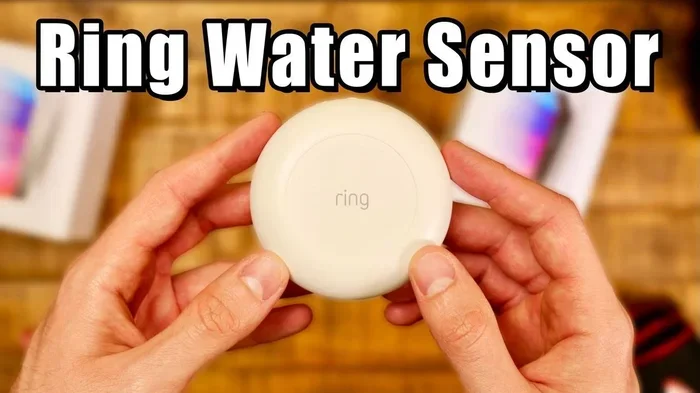
A Ring water sensor is a small, wireless device that detects the presence of moisture on the floor. When water touches the sensor, it sends an alert to your phone through the Ring app. This gives you time to act before a small leak turns into a big problem.
The sensor is part of the Ring Alarm system. It connects to your Ring Alarm base station using Z-Wave wireless technology. Once paired, it works seamlessly with the rest of your Ring security setup. You do not need any special tools or technical skills to get it running.
The sensor itself is compact and unobtrusive. It is about the size of a small coaster and sits flat on the ground. It runs on a CR2032 coin battery, which typically lasts for over a year. When the battery gets low, the Ring app notifies you so you can swap it out easily.
How Does the Ring Water Sensor Work?
The sensor uses two metal probes on its underside. When water touches both probes at the same time, it completes a circuit. This triggers the sensor to send a wireless signal to your Ring Alarm base station. The base station then pushes a notification to your phone.
The whole process happens in seconds. You can receive alerts whether you are at home or away. If you have the Ring Alarm system set to “Away” or “Disarmed,” the sensor still sends alerts. This means you get notified even when you are not actively monitoring your system.
The sensor does not measure water pressure or volume. It simply detects the presence of moisture. This makes it perfect for catching slow drips and standing water. However, it will not predict a leak before it happens. It only alerts you after water has already made contact with the sensor.
Does Ring Have A Water Sensor? Yes, And Here Is How It Fits In
To answer the big question directly: yes, Ring does have a water sensor. It is officially called the Ring Alarm Water Sensor. You can purchase it separately or as part of a Ring Alarm kit. It is designed to work with Ring Alarm Pro and the standard Ring Alarm system.
The water sensor is one of many Ring accessories available. Other sensors include smoke detectors, carbon monoxide detectors, and contact sensors for doors and windows. The water sensor fills a gap that many homeowners do not think about until it is too late.
One thing to keep in mind is that the Ring water sensor requires a Ring Alarm base station to function. It cannot work as a standalone device. If you do not already have a Ring Alarm system, you will need to invest in one to use the water sensor. The base station acts as the hub that connects all your Ring devices.
Ring Alarm Pro adds an extra layer of value. It includes a built-in router and backup cellular connection. This means your sensors stay connected even if your internet goes down. For water protection, this is a big deal. A power outage or internet failure should not leave your home unprotected from leaks.
Where Should You Place a Ring Water Sensor?
Placement is one of the most important factors when using a water leak detection sensor. A sensor placed in the wrong spot may not catch a leak early enough. Here are the best places to put your Ring water sensor.
Under Sinks and Vanities
Under-sink leaks are extremely common. A loose connection or cracked pipe can drip slowly for days before anyone notices. Placing a Ring water sensor under your kitchen sink and bathroom vanities catches these leaks early. The sensor sits flat on the cabinet floor and waits for any moisture.
Near Water Heaters
Water heaters are another common source of leaks. They can rust from the inside out, and a failure often happens without warning. Put a sensor on the floor next to your water heater. This gives you an early warning if the tank starts to leak or if the pressure relief valve releases excess water.
In the Basement
Basements are prone to flooding, especially during heavy rains or snowmelt. A Ring water sensor placed in the lowest part of your basement can alert you to rising water levels. This is especially useful if your basement has a sump pump or is susceptible to seepage.
Near Washing Machines and Dishwashers
Appliances that use water are always potential leak risks. A washing machine hose can burst, and a dishwasher can overflow. Placing a sensor behind or next to these appliances gives you peace of mind. You will know about a problem almost immediately instead of coming home to a flooded laundry room.
Near Toilets
A running toilet is more than a nuisance. It can waste hundreds of gallons of water and cause floor damage. A sensor placed on the bathroom floor near the base of the toilet can catch overflow or hidden leaks from the wax ring seal.
Benefits of Using a Ring Water Sensor
Adding a water damage prevention sensor to your home comes with several real benefits. Here is why homeowners are choosing Ring for this purpose.
- Early alerts save money: Catching a leak early can prevent thousands of dollars in repair costs. A small drip today can become a flooded basement tomorrow.
- Peace of mind: Whether you are at work or on vacation, you get instant notifications. You no longer have to worry about what you might come home to.
- Easy installation: There is no wiring required. The sensor is battery-powered and sticks to the floor with adhesive or simply sits in place.
- Smart home integration: The sensor works with the Ring app and can trigger automations. For example, you can set it up to sound a siren or turn on smart lights when water is detected.
- Compact and discreet: The sensor is small and white, so it blends into any room. It does not get in the way or look obtrusive.
- Long battery life: A single CR2032 battery can last well over a year, so you do not need to worry about frequent replacements.
When you compare these benefits to the cost of a single water sensor, the value is clear. A Ring water sensor is one of the most cost-effective home protection upgrades you can make.
Ring Water Sensor vs. Other Water Detection Options
Ring is not the only brand offering water sensors. Let us look at how the Ring water sensor compares to other popular options on the market.
| Feature | Ring Alarm Water Sensor | Moisture Guard (Generic) | Honeywell Water Sensor |
|---|---|---|---|
| Requires Hub | Yes (Ring Alarm Base Station) | No | Yes (Honeywell Hub) |
| Smart Alerts | Yes, via Ring App | Limited | Yes, via App |
| Battery Life | 1+ year (CR2032) | 6-12 months | 1+ year |
| Price Range | $30-$40 | $15-$25 | $25-$35 |
| Integration | Full Ring Ecosystem | Standalone | Honeywell Ecosystem |
| DIY Installation | Yes | Yes | Yes |
| Cellular Backup | With Ring Alarm Pro | No | With Compatible Hub |
The Ring water sensor stands out for its seamless integration with the Ring ecosystem. If you already use Ring cameras or Ring Alarm, adding a water sensor is a natural next step. However, if you are not invested in the Ring system, a standalone sensor might be a simpler choice.
One important consideration is that some smart home devices from other brands offer more advanced features. For example, certain sensors can detect water temperature and flow rate. The Ring water sensor is more basic but reliable and easy to use. It does exactly what it is supposed to do without overcomplicating things.
Tips for Getting the Most Out of Your Ring Water Sensor
Once you have your Ring water sensor set up, a few best practices can help you get the most out of it. Here are some practical tips from experienced users and smart home experts.
- Test your sensor regularly. Every few months, pour a small amount of water on the sensor to make sure it triggers an alert. This confirms the battery is working and the connection is solid.
- Keep the sensor away from high-traffic areas. Foot traffic can accidentally trigger the sensor or wear down the adhesive. Place it in a low-traffic spot where it will stay put.
- Use multiple sensors for full coverage. One sensor is better than none, but multiple sensors give you protection in different rooms. Consider placing sensors in every area with a water source.
- Pair it with Ring cameras. When your water sensor triggers an alert, check your Ring cameras to see what is happening. This is especially useful when you are away from home. You can verify the situation before calling a plumber.
- Set up automations in the Ring app. Create routines where a water alert triggers your smart lights to flash or your siren to sound. This can wake you up at night or alert family members nearby.
- Replace the battery before it dies. The Ring app will show a low battery warning. Do not ignore it. A dead sensor means no protection until you replace the battery.
One thing many people do not realize is that a water monitoring sensor like this can also help with insurance claims. If you ever experience water damage, having a sensor log that shows you were alerted early can support your claim. Some insurance companies even offer discounts for homes with leak detection systems.
For those already using smart home devices, the Ring water sensor fits naturally into a broader home automation setup. It works alongside smart thermostats, smart plugs, and other connected devices to create a layered protection strategy. The more sensors you have, the more complete your home protection becomes.
Common Mistakes to Avoid With Ring Water Sensors
Even though the Ring water sensor is simple to use, there are a few common mistakes that can reduce its effectiveness. Here is what to watch out for.
- Placing the sensor on carpet: The sensor needs direct contact with water on a hard surface. Carpet can absorb water before the probes detect it. Always place it on hard floors like tile, hardwood, or concrete.
- Hiding the sensor in a corner: It might be tempting to tuck the sensor out of sight. But if it is hidden behind furniture, you might not notice when water reaches it. Keep it in open areas where water is likely to pool.
- Forgetting to test it: A sensor that has never been tested is a sensor you cannot trust. Make testing part of your regular home maintenance routine.
- Not pairing it with a base station: The sensor will not work without a Ring Alarm base station. Make sure your base station is set up and connected before you add the water sensor.
- Ignoring alerts: It can be tempting to dismiss a notification, especially if you are busy. But even a small alert could save you from a major disaster. Always check water alerts promptly.
Avoiding these mistakes ensures your moisture detection sensor works exactly when you need it most. A little attention to setup and maintenance goes a long way.
Is a Ring Water Sensor Worth It?
The short answer is yes. A Ring water sensor is a small investment that can save you a lot of money and stress. Water damage is one of the most frequent and costly homeowners insurance claims. Having an early warning system in place is simply smart.
If you already have a Ring Alarm system, adding a water sensor is an easy decision. The setup takes just a few minutes, and the sensor works immediately. If you are new to Ring, you might want to consider whether the full Ring Alarm system fits your needs before adding the water sensor alone.
For homeowners who are renting or looking for a non-invasive solution, the Ring water sensor is ideal. It requires no drilling, no wiring, and no permanent installation. You can move it from room to room or take it with you when you move.
Think about the areas of your home that are most vulnerable to water issues. Kitchens, bathrooms, laundry rooms, and basements should all be considered. A water damage alert in any of these areas can make the difference between a minor inconvenience and a major repair job.
One final thought: consider pairing your water sensor with a security camera setup. If you want to learn more about how Ring security cameras work without Wi-Fi, check out our guide on can I have a security camera without Wi-Fi. Understanding how your devices work in different connectivity situations helps you build a smarter, more resilient home setup.
Similarly, if you are exploring smart home devices, you might be interested in whether Alexa can work as a Bluetooth speaker for your home. This kind of integration knowledge helps you get more value from every device in your smart home ecosystem.
Final Thoughts
So, does Ring have a water sensor? Absolutely. The Ring Alarm Water Sensor is a reliable, affordable, and easy-to-use device that adds an important layer of protection to any home. It catches leaks early, sends instant alerts, and works seamlessly with the broader Ring Alarm system.
Whether you are worried about a burst pipe, an appliance leak, or basement flooding, this sensor has you covered. It is one of those home protection tools you hope you never need but will be incredibly grateful to have when you do.
Adding a Ring water sensor to your home is a small step that pays big dividends. Set it up today, test it regularly, and enjoy the peace of mind that comes with knowing your home is protected from water damage. Your future self will thank you.
Frequently Asked Questions
Can I use a Ring water sensor without a Ring Alarm system?
No, the Ring water sensor requires a Ring Alarm base station to function. It connects to the base station via Z-Wave and sends alerts through the Ring app. Without a base station, the sensor cannot send notifications or integrate with your Ring devices.
How long does the Ring water sensor battery last?
The Ring water sensor uses a CR2032 coin battery that typically lasts over one year. The Ring app will notify you when the battery is low, giving you plenty of time to replace it before the sensor stops working.
Can I place the Ring water sensor outside?
The Ring water sensor is designed for indoor use only. It is not weatherproof or waterproof for outdoor conditions. Placing it outside could damage the sensor and void any warranty. Stick to indoor areas prone to moisture like kitchens, bathrooms, and basements.
How many Ring water sensors can I use in my home?
You can use multiple Ring water sensors with a single Ring Alarm base station. There is no strict limit, but the Z-Wave network can support up to 232 devices. For most homes, placing sensors in 3 to 5 key areas like under sinks, near water heaters, and in the basement is recommended.
Does the Ring water sensor detect hot water leaks?
No, the Ring water sensor detects the presence of moisture but does not measure water temperature. It will alert you to any water on the floor regardless of whether it is hot or cold. For temperature-specific detection, you would need a specialized sensor designed for that purpose.
Will the Ring water sensor work during a power outage?
The sensor itself runs on battery power, so it will continue to detect water during an outage. However, the Ring Alarm base station needs power to relay alerts. If you have Ring Alarm Pro with cellular backup, your system stays connected even without electricity. Without a backup, alerts may not reach your phone during a prolonged outage.