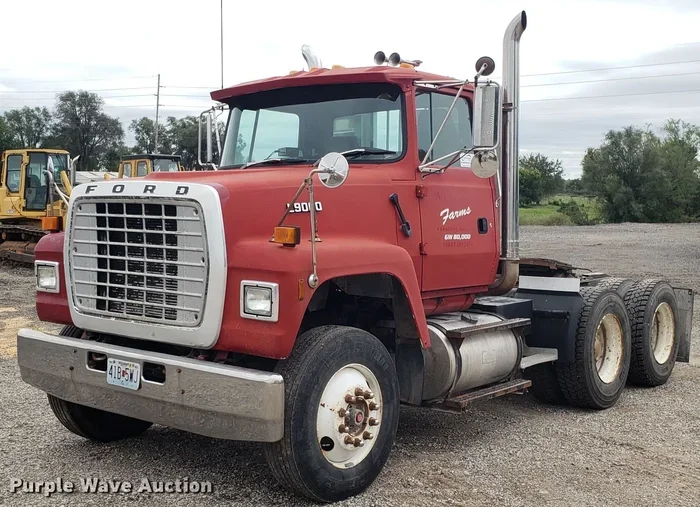
Ford L9000 Specs The Ultimate Guide With All Details
The Ford L9000 is a heavy-duty commercial truck known for its powerful engine, impressive payload capacity, and rugged build quality. This guide covers all Ford L9000 specs, from engine output and transmission options to dimensions, cab configurations, and towing capabilities. Whether you are a fleet manager, truck enthusiast, or buyer shopping for a reliable workhorse, these Ford L9000 specs will help you make an informed decision.
The Ford L9000 has earned a strong reputation in the commercial trucking world. It is a heavy-duty truck built for tough jobs, long hauls, and demanding workloads. If you have ever wondered about the Ford L9000 specs, you are in the right place. This guide breaks down every important detail in plain, simple language.
Why does knowing the Ford L9000 specs matter so much? Whether you are buying, leasing, or just curious, understanding the numbers helps you choose the right truck. These Ford L9000 specs cover engine power, payload limits, dimensions, cab styles, and much more. By the end of this article, you will have a clear picture of what the L9000 can do and whether it fits your needs.
Trucks like the Ford L9000 are more than just metal and wheels. They are tools that keep businesses running, goods moving, and projects on schedule. The Ford L9000 specs reflect a machine designed with durability and performance in mind. Let us dive into the details and explore what makes this truck stand out.
Key Takeaways
- Powerful Engine Options: The Ford L9000 offers multiple engine choices with strong horsepower and torque figures for heavy-duty work.
- Impressive Payload Capacity: These trucks handle substantial cargo loads, making them ideal for construction, hauling, and fleet operations.
- Multiple Cab and Body Configurations: Ford L9000 specs include various cab styles and bed options to suit different needs.
- Solid Dimensions and Chassis: The L9000 features a robust frame with competitive wheelbase and axle measurements.
- Strong Towing and Hauling: Towing capacity and gross vehicle weight ratings make the L9000 a versatile work truck.
- Maintenance Matters: Regular upkeep keeps Ford L9000 trucks running strong for years of reliable service.
📑 Table of Contents
- What Is the Ford L9000?
- Ford L9000 Engine and Performance Specs
- Ford L9000 Dimensions and Body Options
- Ford L9000 Payload and Towing Capabilities
- Ford L9000 Cab and Interior Features
- Maintenance and Ownership Tips for the Ford L9000
- Comparing the Ford L9000 to Competitors
- Final Thoughts on Ford L9000 Specs
What Is the Ford L9000?
The Ford L9000 belongs to Ford’s line of heavy-duty commercial trucks. It sits in the upper tier of Ford’s medium and heavy truck lineup. The L9000 was designed for fleet operators, construction companies, and anyone who needs serious hauling power. Over the years, Ford refined the L9000 with better engines, stronger frames, and improved cab designs.
Ford built the L9000 with a focus on reliability and work capacity. The truck features a sturdy chassis, a powerful engine lineup, and multiple configuration options. When people search for Ford L9000 specs, they usually want to know how this truck performs in real-world conditions. The answer is that the L9000 handles heavy loads with confidence and delivers solid fuel economy for its class.
The Ford L9000 has gone through several generations and model year updates. Each version brought improvements in power, safety, and comfort. Understanding the history of the L9000 helps you appreciate the Ford L9000 specs we will cover next. Ford engineers continuously refined the design to meet changing industry demands and customer expectations.
Who Uses the Ford L9000?
The Ford L9000 appeals to a wide range of users. Construction companies use it to haul materials, equipment, and debris. Delivery fleets rely on the L9000 for its cargo capacity and durability. Agricultural operations also benefit from the truck’s strong towing and payload capabilities. Municipalities and government agencies use the L9000 for road maintenance, waste collection, and utility work.
Ford L9000 Engine and Performance Specs
The heart of any heavy-duty truck is its engine, and the Ford L9000 delivers in this area. The Ford L9000 specs include several engine options that cater to different needs. Each engine is built for durability, torque, and reliable performance under heavy loads.
Engine Options and Power Output
The Ford L9000 typically comes with large displacement diesel engines. These engines provide the low-end torque needed for heavy hauling and climbing steep grades. The engine lineup includes options from Ford’s own Power Stroke family and other partnered manufacturers depending on the model year.
- Engine Type: Heavy-duty diesel
- Horsepower Range: Approximately 300 to 450 horsepower depending on configuration
- Torque Output: Strong torque figures ranging from 1,000 to over 1,500 lb-ft
- Displacement: Large cubic inch displacement for maximum pulling power
- Fuel System: Direct injection diesel with turbocharging
The Ford L9000 engine specs are designed for real-world work. Whether you are hauling heavy cargo up a mountain grade or pulling a loaded trailer across flat terrain, the engine delivers consistent power. The turbocharged diesel setup ensures strong acceleration and smooth cruising at highway speeds.
Transmission and Drivetrain
The Ford L9000 pairs its powerful engines with robust transmissions. Most configurations use heavy-duty automatic or manual transmissions with multiple gears. The drivetrain includes a strong transfer case and axle setup designed to handle the truck’s full payload and towing capacity.
Transmission options vary by model year and configuration. Ford offered both automatic and manual gearboxes. The automatic transmissions provide smoother shifting and easier operation for long haul drivers. Manual transmissions give experienced operators more control over gear selection, which can be useful in off-road or specialty applications.
Ford L9000 Dimensions and Body Options
Understanding the Ford L9000 dimensions is crucial for fleet planning and garage space. The truck is built on a large frame with substantial wheelbase options. These dimensions affect everything from turning radius to cargo bed length.
Key Dimensions
- Overall Length: Varies by configuration, typically ranging from 25 to 35 feet
- Wheelbase Options: Multiple wheelbase lengths available to suit different body types
- Width: Standard truck width suitable for highway and urban use
- Height: Cab height varies by roof style, with extended roof options available
- Ground Clearance: Adequate ground clearance for off-road and rough terrain work
The Ford L9000 specs include flexible wheelbase options. A shorter wheelbase improves maneuverability in tight spaces. A longer wheelbase provides more cargo bed length and better weight distribution for heavy loads. Buyers can choose the configuration that best fits their operational needs.
Body and Bed Configurations
Ford offers the L9000 in multiple body styles. Common configurations include flatbed trucks, dump truck chassis, box truck bodies, and tanker setups. Each body type leverages the Ford L9000 specs differently. Flatbed configurations excel at hauling oversized or irregular loads. Dump bodies work well for construction and earth-moving projects.
Box truck bodies make the L9000 ideal for delivery and moving services. Tanker configurations allow the truck to transport liquids and bulk materials. The versatility of the Ford L9000 platform means you can find or build a body that matches your specific business requirements.
Ford L9000 Payload and Towing Capabilities
Payload capacity and towing ability are among the most important Ford L9000 specs for commercial users. These numbers determine what the truck can safely carry and pull on the road.
Payload Capacity
The Ford L9000 offers impressive payload capacity for its class. Depending on the configuration, engine, and axle setup, the truck can handle substantial cargo weight. Typical payload ratings range from moderate to very high, making the L9000 suitable for a wide range of hauling tasks.
Several factors influence the exact payload number. Axle ratio, tire selection, cab style, and bed length all play a role. Fleet managers should always check the specific Ford L9000 specs for their exact configuration before loading the truck to maximum capacity.
Towing Capacity
Towing is where the Ford L9000 truly shines. The combination of a powerful diesel engine, strong transmission, and heavy-duty frame allows the L9000 to pull substantial trailers. Whether you need to tow a loaded flatbed, a construction trailer, or equipment haulers, the L9000 has the capability.
Gross Vehicle Weight Rating (GVWR) is another important specification. The Ford L9000 GVWR reflects the maximum safe operating weight of the fully loaded truck. This number includes the truck’s curb weight plus the maximum payload and any towed load. Staying within the GVWR is essential for safety and legal compliance.
Axle Ratio and Its Impact
The axle ratio is a key Ford L9000 spec that affects both performance and fuel economy. A lower numerical ratio provides better fuel efficiency for highway driving. A higher numerical ratio delivers more pulling power for heavy loads and off-road work. Choosing the right axle ratio depends on how you plan to use the truck most of the time.
| Configuration | Axle Ratio | Best Use Case |
|---|---|---|
| Highway Hauling | Lower ratio (e.g., 3.73) | Fuel-efficient long-distance transport |
| Heavy Load Hauling | Higher ratio (e.g., 4.88) | Maximum pulling power for tough loads |
| Mixed Use | Mid-range ratio (e.g., 4.10) | Balanced performance for varied tasks |
Ford L9000 Cab and Interior Features
While the Ford L9000 is primarily a work truck, comfort and ergonomics matter. Long hours behind the wheel take a toll on drivers, so Ford designed the L9000 cab with operator comfort in mind.
Cab Options
The Ford L9000 offers multiple cab configurations. A standard cab provides a compact, maneuverable option for urban and short-haul work. An extended cab adds space for sleeping berths or extra storage. A crew cab offers the most interior room, making it ideal for long-haul operations where drivers spend extended time on the road.
Each cab style has its own Ford L9000 specs for interior dimensions, storage capacity, and visibility. Fleet managers should consider driver comfort when selecting a cab type. Happy drivers are more productive and safer on the road.
Interior Comfort and Controls
Inside the L9000 cab, drivers find ergonomic controls and a functional layout. The dashboard places key instruments and gauges within easy view. Climate control systems keep the cab comfortable in hot and cold weather. Seating options include basic bench seats and more comfortable upgraded seats with lumbar support.
Modern Ford L9000 models may include features like power windows, air conditioning, and upgraded audio systems. These comfort features help reduce driver fatigue during long shifts. While the L9000 is a work truck, Ford recognized that driver satisfaction affects productivity and safety.
Maintenance and Ownership Tips for the Ford L9000
Owning a Ford L9000 comes with responsibilities. Regular maintenance keeps the truck running reliably and extends its service life. Understanding the Ford L9000 specs for maintenance intervals and parts availability helps owners plan their budgets and schedules.
Routine Maintenance Schedule
Following a consistent maintenance schedule is essential for the Ford L9000. Key maintenance tasks include:
- Oil Changes: Regular diesel engine oil changes at manufacturer-recommended intervals
- Filter Replacements: Fuel filters, air filters, and oil filters should be replaced on schedule
- Brake Inspections: Heavy-duty brakes require regular inspection and timely replacement
- Tire Maintenance: Proper tire inflation and rotation improve fuel economy and safety
- Fluid Checks: Coolant, transmission fluid, and hydraulic fluid levels should be checked regularly
Staying on top of Ford L9000 maintenance specs saves money in the long run. Catching small issues early prevents expensive repairs down the road. Fleet owners should keep detailed maintenance logs for each truck in their operation.
Common Mistakes to Avoid
Many Ford L9000 owners make avoidable mistakes. Skipping scheduled oil changes is one of the most common errors. Overloading the truck beyond its payload rating stresses the engine, transmission, and brakes. Ignoring warning lights and unusual noises can lead to serious mechanical failures. Another mistake is using low-quality fuel or aftermarket parts that do not meet Ford specifications.
Quick Tips for Ford L9000 Owners
- Always warm up the engine before heavy hauling
- Check tire pressure before every trip
- Keep spare filters and common parts on hand
- Train drivers on proper shifting techniques
- Follow the manufacturer’s recommended service intervals exactly
- Use genuine Ford parts or OEM-equivalent replacements
Comparing the Ford L9000 to Competitors
The Ford L9000 competes with other heavy-duty commercial trucks in its class. Comparing Ford L9000 specs against similar trucks helps buyers make informed decisions. Popular competitors include models from Chevrolet, GMC, and other manufacturers that offer heavy-duty commercial platforms.
When comparing trucks, look beyond just the numbers. Consider parts availability, dealer network, resale value, and overall reputation. The Ford L9000 holds its own in these areas, thanks to Ford’s long history in commercial truck manufacturing and the widespread availability of Ford parts and service centers.
Final Thoughts on Ford L9000 Specs
The Ford L9000 is a serious commercial truck built for serious work. From its powerful diesel engine options to its impressive payload and towing capabilities, the Ford L9000 specs demonstrate a machine designed for reliability and performance. Whether you haul construction materials, manage a delivery fleet, or need a dependable work truck, the L9000 delivers.
Understanding the Ford L9000 specs helps you choose the right configuration for your needs. Pay attention to engine options, dimensions, payload ratings, and cab styles. Each choice affects how the truck performs in your specific application. Take your time, compare options, and select the configuration that gives you the best value and capability.
The Ford L9000 remains a strong choice in the commercial truck market. Its combination of power, durability, and versatility makes it a favorite among fleet operators and independent owner-operators alike. If you are considering the Ford L9000 for your next truck purchase, you are looking at a proven platform with a solid track record.
Remember to factor in maintenance costs, fuel economy, and resale value when making your decision. The Ford L9000 offers strong value across all these areas. With proper care and regular maintenance, a Ford L9000 can serve you well for many years of hard work and dependable performance.
Frequently Asked Questions
What is the Ford L9000 engine horsepower range?
The Ford L9000 engine specs typically show horsepower ranging from approximately 300 to 450 horsepower depending on the specific engine option and model year. The exact number varies based on the configuration, tuning, and whether the truck is set up for highway hauling or heavy-duty work. Always check the spec sheet for your specific model year and configuration.
What is the payload capacity of the Ford L9000?
The Ford L9000 payload capacity varies based on axle setup, bed configuration, and engine choice. Generally, the truck is rated for substantial payload weights suitable for commercial hauling. The exact payload number depends on the specific Ford L9000 specs for your configuration. Fleet managers should always verify the payload rating for the exact truck they are purchasing.
What are the dimensions of the Ford L9000?
Ford L9000 dimensions vary by configuration, with overall lengths typically ranging from 25 to 35 feet. The truck offers multiple wheelbase options to accommodate different body styles and cargo bed lengths. Width and height also vary depending on cab style and body setup. Check the specific Ford L9000 specs for the exact dimensions of the configuration you are considering.
Is the Ford L9000 good for towing?
Yes, the Ford L9000 is an excellent towing truck. Its powerful diesel engine, strong transmission, and heavy-duty frame make it well-suited for pulling heavy trailers and equipment. The towing capacity depends on the specific configuration, axle ratio, and engine option. Always stay within the truck’s gross vehicle weight rating for safe towing operations.
How often does the Ford L9000 need maintenance?
The Ford L9000 maintenance schedule follows Ford’s recommended service intervals for heavy-duty trucks. Regular oil changes, filter replacements, and brake inspections are essential. The exact maintenance frequency depends on how heavily the truck is used and the operating conditions. Following the manufacturer’s maintenance schedule helps prevent costly repairs and keeps the truck running reliably.
What body styles are available for the Ford L9000?
The Ford L9000 is available in multiple body configurations including flatbed, dump truck, box truck, and tanker setups. Each body style leverages the truck’s Ford L9000 specs differently for specific applications. Buyers can also work with body builders to create custom configurations for specialized needs. The versatility of the L9000 platform makes it suitable for a wide range of commercial and industrial uses.