Can You Connect An Ipad To A Tv Using The Usb Cable
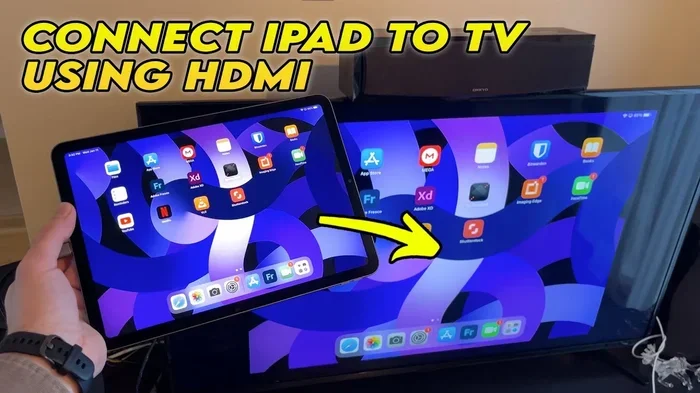
Yes, you can connect an iPad to a TV using a USB cable. This method works with both Lightning and USB-C iPads when you have the right adapter. You’ll get a reliable wired connection for mirroring your screen, charging your device, and enjoying content on a bigger display.
You might ask, Can You Connect An Ipad To A Tv Using The Usb Cable? The short answer is yes. You can use a USB cable to link your iPad to a television set. This method gives you a stable, lag-free connection. It also lets you charge your iPad while watching content. Whether you have a Lightning or USB-C iPad, a proper adapter makes it possible. In this article, I will walk you through every step. You will learn what cables you need, how to set things up, and how to fix common problems.
Connecting an iPad to a TV opens up a world of possibilities. You can share photos with family on a big screen. You can play mobile games with better visuals. You can even use your iPad as a second monitor for work. A USB connection offers reliability that wireless methods sometimes lack. It avoids Wi-Fi drops and buffering. This guide covers everything from basic setup to advanced tips. So, let us dive in and explore how to make this work.
Key Takeaways
- USB Connection Works: You can connect an iPad to a TV using a USB cable with the correct adapter for your model.
- Both iPad Types Supported: Lightning and USB-C iPads both support wired display output to a television.
- Stable and Lag-Free: A USB connection provides a reliable, delay-free mirror of your iPad screen.
- Charge While Watching: You can charge your iPad during the connection without interrupting playback.
- Reliable Over Wireless: Wired USB avoids Wi-Fi drops and buffering that can affect AirPlay.
- Use the Right Adapter: Picking the correct adapter prevents issues like no sound or flickering.
- Check TV USB Input: Always confirm your TV has a USB port that supports video input before buying cables.
📑 Table of Contents
- Can You Connect An Ipad To A Tv Using The Usb Cable? The Complete Guide
- What You Need to Connect iPad to TV via USB
- Step-by-Step: How to Connect Your iPad to a TV Using USB
- Troubleshooting Common USB Connection Issues
- Wired vs Wireless: Is USB the Best Way to Connect iPad to TV?
- Pro Tips and Expert Insights for iPad TV USB Setup
- Can You Connect An Ipad To A Tv Using The Usb Cable? Final Thoughts
Can You Connect An Ipad To A Tv Using The Usb Cable? The Complete Guide
How iPad to TV USB Connections Work
Your iPad sends video and audio signals through its USB port. A cable carries those signals to a TV. The TV then displays what is on your iPad screen. This process is called screen mirroring. You see the exact same image on both devices. Some adapters also let you charge your iPad at the same time. The connection is direct, so there is very little delay. This makes it great for watching videos or playing games.
The type of cable you need depends on your iPad model. Older iPads use a Lightning connector. Newer iPads use USB-C. Both can connect to a TV, but you need the right adapter. The adapter plugs into the iPad’s USB port on one end. The other end connects to the TV. Most TVs have standard HDMI ports. So you will often need a USB-to-HDMI adapter. This small device does the conversion for you.
Lightning vs USB-C: Which iPad Do You Have?
Knowing your iPad model is the first step. Apple has used two main connector types over the years.
- Lightning iPads: These include older models like the iPad Air 2, iPad mini 4, and iPad (5th and 6th generation). They use a smaller, flat connector.
- USB-C iPads: These include the iPad Pro (most models), iPad Air (4th generation and later), and iPad (7th generation and later). They use a larger, oval-shaped reversible connector.
Check the charging port on the bottom of your iPad. If it is small and flat, you have Lightning. If it is larger and oval, you have USB-C. This tells you which adapter to buy. You cannot use a Lightning cable with a USB-C iPad without an adapter. The same goes the other way around.
Quick Tips for Choosing the Right Cable
- Always check your iPad model number first.
- Buy adapters from trusted brands like Apple or Belkin.
- Look for adapters that support 1080p or 4K output.
- Choose a cable length that fits your room setup.
- If you want to charge while mirroring, pick an adapter with a power pass-through port.
What You Need to Connect iPad to TV via USB
The Right USB Cable for Your iPad
The cable is the most basic piece of hardware. For a Lightning iPad, you need a Lightning to USB cable. For a USB-C iPad, you need a USB-C to USB cable. Both cables connect to the iPad on one end. The other end plugs into the adapter. You can often use the cable that came with your iPad. If not, any MFi-certified cable will work. MFi stands for Made for iPhone/iPad. It ensures the cable meets Apple’s safety standards.
Do not use cheap, uncertified cables. They may not carry the video signal properly. You might get a blank screen or no sound. A good cable ensures a stable connection. It also reduces the chance of damage to your iPad. Look for cables that are at least 3 feet long. This gives you flexibility in where you place your iPad.
Adapters and Dongles: The Essentials
The adapter is the bridge between your iPad and the TV. It converts the USB signal into an HDMI signal that the TV understands. Here are the most common adapters you will need.
- Lightning to HDMI Adapter: Works with older iPads. Plugs into the Lightning port and outputs HDMI.
- USB-C to HDMI Adapter: Works with newer iPads. Plugs into the USB-C port and outputs HDMI.
- USB-C Digital AV Adapter: Apple’s official adapter for USB-C iPads. It supports high-resolution output.
- USB-C to HDMI Cable: A combo cable with USB-C on one end and HDMI on the other. No separate adapter needed.
Some adapters also have a USB-A port. This lets you plug in a USB flash drive. You can then view photos or videos directly from the drive on your TV. This is a handy extra feature. It turns your iPad setup into a simple media hub.
Step-by-Step: How to Connect Your iPad to a TV Using USB
Preparing Your Devices
Before you start, gather everything you need. You will need your iPad, the correct cable, the adapter, and your TV. Follow these steps to get ready.
- Turn off your TV and iPad. This helps prevent any electrical issues.
- Plug the HDMI cable into the adapter. If your adapter has a built-in HDMI cable, skip this step.
- Plug the other end of the HDMI cable into an empty HDMI port on your TV.
- Connect the USB cable to the adapter. This cable will go to your iPad.
- Plug the other end of the USB cable into your iPad.
- Turn on your TV and select the correct HDMI input. Use your TV remote to switch to the right port.
The Connection Process
Once everything is plugged in, turn on your iPad. You should see your iPad screen appear on the TV. If it does not, do not worry. Try these simple fixes first.
- Check that all cables are firmly plugged in.
- Try a different HDMI port on your TV.
- Unlock your iPad. Some iPads require you to trust the connected device.
- Go to Settings > Display & Brightness on your iPad. Look for the TV option.
- If you see a message asking to use the TV for display, tap Trust or Allow.
After a few seconds, the iPad screen should mirror perfectly on the TV. You can now open any app and see it on the big screen. The experience is smooth and responsive.
Adjusting Display Settings
You can tweak the display to get the best picture. Go to Settings > Display & Brightness on your iPad. Look for the section that mentions your TV. Here you can adjust the resolution. You can also choose whether to mirror the screen or extend it. Extending the iPad screen turns your TV into a second monitor. This is useful for productivity. You can have your main workspace on the iPad and watch a video on the TV at the same time.
Troubleshooting Common USB Connection Issues
iPad Not Recognizing the TV
Sometimes the TV shows no signal. This is a common issue. It usually has a simple fix. First, check the HDMI cable. Unplug it and plug it back in firmly. Try a different HDMI port on the TV. If that does not work, restart both devices. Turn off the TV and iPad. Wait 30 seconds. Turn them back on. Often, this refreshes the connection. Also, make sure your adapter is fully seated in the iPad port. A loose connection will cause the TV to show a black screen.
No Sound or Flickering Display
If you see the picture but there is no sound, check your TV audio settings. Make sure the TV is not muted. Set the audio output to the HDMI source. Sometimes the iPad audio setting needs to be changed too. Go to Settings > Sounds & Haptics. Turn the ringer and alerts up. If the screen flickers, the cable might be faulty. Try a different HDMI cable. Flickering can also happen if the adapter overheats. Give it a break and try again.
Charging Problems While Mirroring
You may notice your iPad is not charging while connected. This happens with some adapters. The iPad uses power to send the video signal. If the adapter does not pass through power, the battery will drain. To fix this, use an adapter with a power delivery feature. You can also plug the iPad into a wall charger while mirroring. Use a USB power adapter that supports fast charging. This keeps your iPad powered up during long viewing sessions.
Wired vs Wireless: Is USB the Best Way to Connect iPad to TV?
Comparing USB, HDMI Adapter, and AirPlay
There are three main ways to show your iPad on a TV. Each has its pros and cons. Let us compare them side by side.
| Feature | USB Wired Connection | AirPlay Wireless | HDMI Adapter (Wired) |
|---|---|---|---|
| Connection Type | USB cable to adapter | Wi-Fi network | Lightning/USB-C to HDMI cable |
| Stability | Very stable, no drops | Can drop with weak Wi-Fi | Very stable, no drops |
| Latency | Near zero delay | Small delay possible | Near zero delay |
| Setup | Needs adapter and cable | Easy, no cables | Needs HDMI cable and adapter |
| Charging | Yes, with pass-through adapters | Yes, but battery drains faster | No, unless using a powered hub |
| Best For | Long sessions, gaming, presentations | Quick sharing, casual use | Simple plug-and-play, older TVs |
When to Choose a USB Connection
Choose a USB connection when you need reliability. If you are giving a presentation, a wired setup avoids embarrassing Wi-Fi hiccups. Gamers will appreciate the near-zero latency. If you want to charge your iPad while watching a movie, USB is a great choice. It also works well in areas with poor Wi-Fi signal. A USB connection does not depend on your router. It is a solid, dependable option for everyday use.
Pro Tips and Expert Insights for iPad TV USB Setup
Quick Tips for a Smooth Experience
- Keep your iPad software up to date. Updates often fix display bugs.
- Use a short, high-quality HDMI cable to reduce signal loss.
- Place your iPad on a stable stand while mirroring. This prevents accidental disconnections.
- If your TV has multiple HDMI ports, label the one you use for your iPad.
- Turn on Do Not Disturb on your iPad. This stops notifications from popping up on the TV screen.
Common Mistakes to Avoid
- Using a non-certified adapter. Cheap adapters often fail to carry audio or video properly.
- Forgetting to unlock the iPad. The TV will show a black screen until you enter your passcode.
- Choosing the wrong HDMI input on the TV. Double-check the port number.
- Using a damaged cable. Frayed cables cause intermittent connections.
- Ignoring iPad storage. If your iPad is full, mirroring might lag or apps might crash.
Expert Insights from Tech Professionals
Tech experts often recommend the Apple USB-C Digital AV Adapter for USB-C iPads. It provides the best compatibility and picture quality. For Lightning iPads, the Apple Lightning to HDMI Adapter is the go-to choice. Professionals also suggest using a powered USB hub if you need to connect multiple devices. This keeps your iPad charged and your signal strong. Another tip is to close background apps before mirroring. This frees up memory and ensures smooth playback. A clean, optimized iPad gives the best TV viewing experience.
Can You Connect An Ipad To A Tv Using The Usb Cable? Final Thoughts
So, can you connect an iPad to a TV using a USB cable? Absolutely. With the right adapter and cable, you can turn any TV into a large iPad display. This wired method offers stability, speed, and the ability to charge your device at the same time. It is perfect for presentations, movie nights, and gaming sessions. While wireless options like AirPlay are convenient, a USB connection gives you peace of mind. You never have to worry about Wi-Fi interference or lag. Follow the steps in this guide and you will be streaming on the big screen in no time.
Remember to check your iPad model and get the correct adapter. Use high-quality cables from trusted brands. If you run into issues, the troubleshooting tips above will help you fix them quickly. Now you have all the knowledge you need to set up your own iPad-to-TV USB connection. Enjoy your favorite content on a bigger, better screen.
Frequently Asked Questions
Do all iPads support USB connection to a TV?
Most iPads can connect to a TV via USB with the right adapter. Older iPads with Lightning ports need a Lightning to HDMI adapter. Newer iPads with USB-C ports need a USB-C to HDMI adapter or a USB-C Digital AV Adapter. Always check your iPad model to find the compatible adapter. Every iPad released in the last decade supports some form of wired display output.
Can I charge my iPad while it is connected to the TV via USB?
Yes, you can charge your iPad while mirroring to a TV. Use an adapter that has a power pass-through port or a USB-C hub with a power input. This lets you plug a charger into the adapter while the iPad is connected to the TV. The iPad will charge and display content at the same time. Without a pass-through port, the iPad battery may drain faster because it uses power to send the video signal.
What is the difference between a USB connection and AirPlay?
A USB connection uses a physical cable and adapter to send video to the TV. It is wired and very stable. AirPlay uses Wi-Fi to stream content wirelessly. It is convenient but can suffer from lag or drops if the Wi-Fi signal is weak. USB is better for gaming and presentations where you need zero delay. AirPlay is better for quick, casual sharing without any cables.
Why is there no sound when I connect my iPad to the TV via USB?
No sound usually means the TV is set to the wrong audio input. First, check that the HDMI cable is fully plugged in. Then, go to your TV’s audio settings and make sure the HDMI source is selected. On the iPad, go to Settings > Sounds & Haptics and turn the volume up. Sometimes the iPad audio output is set to its own speakers. You may need to go to Control Center and select the TV as the audio output device.
Can I use a USB-C to USB-C cable directly to the TV?
Some modern TVs have a USB-C port that supports video input. If your TV has this feature, you can plug a USB-C to USB-C cable directly from your iPad to the TV. This works for newer iPads with USB-C. However, most TVs only have standard USB-A ports for media playback, not video input. For most TVs, you will still need an adapter that converts the USB signal to HDMI.
Is a USB connection better than using an HDMI adapter for iPad?
A USB connection and an HDMI adapter are often the same thing. The adapter converts the iPad’s USB signal to HDMI. Some people call the whole setup a USB connection. The term USB refers to the cable type that plugs into the iPad. The HDMI part plugs into the TV. Both methods provide a wired, stable connection. The key is to use the correct adapter for your iPad model to get the best results.