Can You Use Blackout Fabric For Your Projector Screen
Yes, you can use blackout fabric for a projector screen, and it is one of the best budget-friendly options for a great home theater setup. Blackout fabric blocks ambient light, boosts contrast, and delivers a sharp, vibrant image. Whether you want a DIY projector screen or a simple upgrade, this guide covers everything you need to know about using blackout fabric for your next movie night or big game watch.
You do not need to spend hundreds of dollars on a fancy projector screen. A simple piece of blackout fabric can transform any wall into a cinematic display. Many people are turning to this DIY approach for their home theaters, and for good reason. It is cheap, easy to find, and works surprisingly well.
If you have been wondering whether blackout fabric for projector screen setups is a smart move, you are in the right place. This guide breaks down everything from fabric types to image quality. You will learn how to set it up, what mistakes to avoid, and when it makes sense to go this route instead of a store-bought screen.
Key Takeaways
- Blackout fabric works great: It blocks light and improves your projector image quality significantly.
- Easy to set up: You can hang it on a wall or frame with minimal tools and effort.
- Multiple fabric types exist: Matte white, gray, and spandex blends all work for different needs.
- Watch for wrinkles: Proper stretching and ironing make a huge difference in image clarity.
- Pair it right: Combine blackout fabric with the right projector placement for the best results.
- Budget-friendly option: It costs far less than commercial projector screens with similar or better results.
📑 Table of Contents
- What Is Blackout Fabric and Why Use It for a Projector Screen?
- How Blackout Fabric Affects Projector Image Quality
- How to Set Up a Blackout Fabric Projector Screen
- Types of Blackout Fabric for Projector Screens
- Common Mistakes to Avoid with Blackout Fabric Screens
- Final Verdict: Is Blackout Fabric Worth It?
What Is Blackout Fabric and Why Use It for a Projector Screen?
Blackout fabric is a special type of cloth designed to block light completely. People usually use it for curtains and bedroom windows. But it has become a popular choice for DIY projector screens. The tight weave prevents light from passing through, which means your projected image stays vivid and sharp.
The main reason people choose blackout fabric for their projection surface is its ability to control ambient light. In a room with some light leakage, a normal white wall can wash out the image. Blackout fabric keeps the background dark. This boosts your contrast ratio and makes colors pop. It works especially well for evening movie sessions or dimly lit rooms.
How Blackout Fabric Compares to Regular Walls
A plain white wall reflects light in all directions. This scatters the image and reduces clarity. Blackout fabric, on the other hand, provides a more uniform projection surface. It absorbs stray light and reflects the projected image back to you more directly. The result is a cleaner, more defined picture.
Here is a quick comparison of the two options:
- Regular white wall: Good for dark rooms only. Colors may look faded. Edges can be blurry.
- Blackout fabric: Works in rooms with some light. Colors stay rich. Edges stay sharp.
- Commercial projector screen: Best overall quality. But it costs much more and takes up more space.
If you are looking for a middle ground, blackout fabric hits the sweet spot. It gives you near-screen quality at a fraction of the cost. And if you already have blackout curtains or fabric lying around, you may not need to buy anything new at all.
How Blackout Fabric Affects Projector Image Quality
The way your fabric handles light has a big impact on what you see on the screen. Blackout fabric affects two key things: brightness and contrast. Understanding this helps you get the most out of your setup.
Brightness and Color Accuracy
Blackout fabric does not make your image brighter on its own. The brightness comes from your projector. But what the fabric does is keep the surrounding area dark. This makes the projected image appear brighter by comparison. Your eyes perceive the image as more vivid because there is no competing light from the background.
For color accuracy, matte-finish blackout fabric is your best friend. Shiny or glossy fabrics can create hotspots. These are bright spots where the light bounces unevenly. A matte surface spreads the light evenly across the entire screen. This gives you a consistent look from edge to edge.
Contrast Ratio and Viewing Angles
Contrast ratio is the difference between the darkest and brightest parts of your image. Blackout fabric naturally improves this because it absorbs light instead of reflecting it. Dark scenes in movies look deeper and more realistic. You can see shadow details that would be lost on a bright white wall.
Viewing angles depend on the type of fabric you pick. Some blackout fabrics have a slight gain, which means they focus the light back toward the viewer. This can make the image look brighter when you sit straight on. But it may reduce visibility if you sit off to the side. For a wide seating area, a matte, non-gain fabric works better.
How to Set Up a Blackout Fabric Projector Screen
Setting up a blackout fabric projector screen is simpler than most people think. You do not need advanced skills or expensive tools. With a few basic supplies, you can have a screen ready in under an hour.
Step-by-Step Setup Guide
- Choose your fabric: Pick a high-quality matte blackout fabric. Make sure it is free of wrinkles and stains.
- Measure your space: Decide how big you want your screen. Add a few inches on each side for folding over a frame.
- Prepare the frame: You can use PVC pipes, a wooden frame, or even a tension rod. Make sure it is sturdy and level.
- Attach the fabric: Stretch the fabric tightly over the frame. Use staples, clips, or a staple gun to secure it.
- Smooth out wrinkles: Iron the fabric before attaching it if possible. Any wrinkles will show on the projected image.
- Position your projector: Place the projector at the right distance and angle. Adjust the keystone setting if needed.
Once your screen is up, you can test it with a simple video or image. Walk around the room and check for any bright spots or dark patches. Adjust the fabric tension or projector position until the image looks even and clear.
Best Room Setup for Blackout Fabric Screens
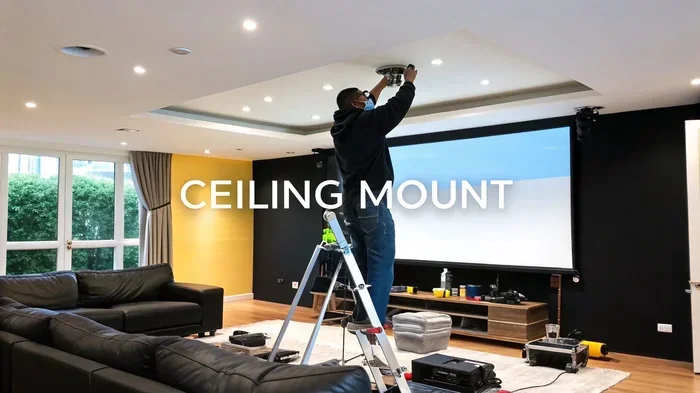
Where you place your screen matters a lot. The ideal setup starts with controlling the light in your room. Close all curtains and blinds. Turn off any lamps that face the screen. This is where blackout curtains or blinds in the room help a lot. They make sure no stray light hits your fabric from behind or the sides.
Place your projector at a height that lines up with the center of the screen. If your projector is too low or too high, the image will be skewed. You can also check if your projector placement works well by testing it before you permanently mount the fabric. A quick test saves a lot of rework later.
If you want to learn more about projector placement options, check out our guide on can you mount your projector off center for helpful tips on flexible setups.
Types of Blackout Fabric for Projector Screens
Not all blackout fabrics are the same. Different materials give you different results. Choosing the right one depends on your room, your projector, and what you plan to watch.
Matte Blackout Fabric
This is the most popular choice for DIY screens. It has a flat, non-reflective surface that spreads light evenly. Matte blackout fabric works well in most rooms. It gives you a natural look with no glare. It is also very forgiving when it comes to projector placement. You do not need to sit in one exact spot to enjoy a good picture.
Gray Blackout Fabric
Gray fabric absorbs more light than white fabric. This makes it great for rooms that cannot be fully darkened. It enhances the contrast ratio and deepens blacks. Gray screens are a favorite among home theater fans. However, they can make bright scenes look slightly dim. They work best with projectors that have good brightness output.
Spandex or Stretch Fabric
Spandex blackout fabric is stretchy and wrinkle-free. It pulls tight easily over frames, which means fewer bubbles or folds. This type of fabric gives you a very smooth surface. The image quality is often excellent. The downside is that spandex can be harder to find in large sizes. It may also cost a bit more than standard blackout cloth.
Double-Layer Blackout Fabric
Some people use two layers of blackout fabric for extra light blocking. The double layer reduces any light bleed-through. It also adds a bit more thickness, which can help with wrinkles. This option is great if your fabric has any thin spots or if you want maximum light control.
Common Mistakes to Avoid with Blackout Fabric Screens
Even though a blackout fabric screen is easy to set up, there are some common pitfalls. Avoiding these mistakes helps you get the best possible image every time.
Using Fabric with Wrinkles
Wrinkles are the number one enemy of a good projector screen. They create uneven surfaces that distort the image. Dark and light patches appear where the fabric folds. Always iron or steam your fabric before you put it on the frame. If wrinkles appear after setup, smooth them out by re-stretching the fabric.
Choosing the Wrong Fabric Color
Black blackout fabric is not the best choice for a projector screen. It absorbs too much light and makes the image look dim. You want a white or light gray fabric that blocks light from behind but still reflects the projector beam forward. Think of it as a light barrier, not a black surface.
Ignoring Room Lighting
Blackout fabric helps, but it does not fix everything. If your room has bright windows or lots of ambient light, the image will still look washed out. Combine your fabric screen with room darkening. Use blackout curtains, close doors, and turn off unnecessary lights. This combination makes the biggest difference.
Skipping the Test Run
Do not assume everything looks perfect just because the fabric is taut. Always do a full test with your projector before finalizing the setup. Play a movie with both dark and bright scenes. Check the corners and edges. Adjust anything that looks off. A few minutes of testing saves hours of disappointment later.
Final Verdict: Is Blackout Fabric Worth It?
The short answer is yes. Blackout fabric is one of the most practical and affordable ways to build a projector screen. It delivers excellent image quality, blocks ambient light, and costs very little. Whether you are setting up a backyard movie night or a dedicated home theater room, it is a reliable choice.
If you already have a projector and want to improve your viewing experience without spending a fortune, blackout fabric is the way to go. It is a simple upgrade that makes a big difference. You can always upgrade later to a commercial screen if you want to. But for most people, a well-made blackout fabric screen is more than enough.
For more tips on getting the most from your projector, check out our article on can you use a projector instead of a TV to explore all the ways projectors can replace your television setup.
And if you are curious about other screen options, our piece on can you use black cloth for projector screens covers alternative fabric choices you might want to consider.
Start with a simple setup. Test it out. Adjust as needed. You will be surprised how good a homemade screen can look. Grab some blackout fabric, set up your projector, and enjoy your next movie night like never before.
Frequently Asked Questions
Can any blackout fabric work as a projector screen?
Most matte blackout fabrics work well. Avoid shiny or glossy fabrics because they create hotspots. Stick with matte white or light gray fabrics for the best image quality.
Does blackout fabric make the projector image brighter?
Not directly. The fabric does not add brightness. But it blocks ambient light from behind the screen, which makes the projected image appear brighter and more vivid by comparison.
Can I reuse blackout fabric as a projector screen outdoors?
Yes, you can. Blackout fabric works well outdoors as long as it is stretched tightly and there is no direct sunlight hitting the screen. Use clips or a frame to keep it taut and wrinkle-free.
What is the best color of blackout fabric for a projector screen?
Matte white or light gray is the best choice. Black fabric absorbs too much light and makes the image dim. White or gray reflects the projector beam while blocking light from behind.
How do I prevent wrinkles on my blackout fabric screen?
Iron or steam the fabric before attaching it to the frame. Pull it tightly when mounting it. If wrinkles appear later, re-stretch the fabric or use a smooth, firm frame to keep it taut.
Is a blackout fabric screen better than a store-bought screen?
It depends on your needs. A blackout fabric screen costs much less and can deliver similar quality. Store-bought screens offer more convenience and consistent gain. But for most home setups, a well-made fabric screen works just as well.