How Are Earphones Made From Raw Materials to Your Ears
Ever wondered how your favorite earphones are built? This guide walks you through the entire how are earphones made journey, from raw plastic and metal to the finished product you pop in your ears. You will learn about the key components, the assembly process, and the strict quality checks that ensure great sound every time.
Have you ever held a pair of earphones in your hand and wondered how they were made? The journey from a pile of raw materials to a sleek pair of earphones sitting in your ears is fascinating. How are earphones made is a question that reveals a world of precision engineering, skilled labor, and careful quality control.
Every day, millions of earphones are produced across factories around the globe. From budget-friendly wired models to premium wireless options, the earphone manufacturing process follows a series of well-organized steps. Each step matters. Each component plays a role in delivering the sound you love.
In this article, we will take you behind the scenes. You will see how raw materials for earphones are sourced, how the tiny speaker drivers are built, and how the earphone assembly line brings everything together. Whether you are curious about headphone manufacturing or want to understand Bluetooth earphone production, this guide covers it all.
Key Takeaways
- Earphone manufacturing starts with raw materials: plastics, metals, and precision electronics come together through a detailed process.
- Speaker drivers are the heart of every earphone: they convert electrical signals into the sound you hear.
- Assembly lines handle both wired and wireless models: Bluetooth earphone production adds extra steps like chip integration.
- Quality testing is rigorous: every pair undergoes sound calibration, durability checks, and isolation testing.
- Packaging matters too: earphone packaging is designed to protect the product and appeal to buyers.
- Raw materials to finished product takes many stages: from injection molding to soldering, each step is essential.
- Understanding the process helps you choose better earphones: knowing how they are made gives you insight into quality and value.
📑 Table of Contents
The Raw Materials Behind Earphone Production
Every pair of earphones begins as raw materials. These materials come from different parts of the world and are chosen for specific properties. Understanding what goes into an earphone helps you appreciate the complexity of the earphone manufacturing process.
Plastics and Polymers
The outer shell of most earphones is made from plastic. Manufacturers use a process called plastic injection molding to shape the shells. Molten plastic is injected into a metal mold, cooled, and then removed as a solid shell. This method is fast, precise, and cost-effective.
Different types of plastic are used depending on the earphone tier. Budget earphones often use standard ABS plastic. Premium models may use more durable materials that feel better in the hand. The earphone components that house the driver also need to be acoustically optimized, meaning the plastic must not interfere with sound quality.
Metals and Wiring
Inside every earphone, you will find copper wires, copper coils, and sometimes small magnets made from rare earth materials. The copper coil is a critical part of the speaker driver. It moves back and forth when electricity passes through it, creating the vibrations that produce sound.
Small amounts of other metals are used too. Aluminum might be used for the housing. Steel or iron goes into the magnets. Even the tiny circuit board assembly inside wireless earphones contains traces of gold, silver, and other conductive metals. All of these earphone components are sourced from suppliers around the world.
Silicone and Rubber Parts
No earphone is complete without ear tips. Most earphones use silicone ear tips that fit snugly into your ear canal. These tips are made from soft silicone rubber and come in different sizes. They help with sound isolation technology by creating a seal that blocks outside noise.
Some earphones also use foam tips. Memory foam expands inside the ear canal for a custom fit. Both silicone and foam tips are produced in large quantities using specialized molding machines. These small parts might seem simple, but they have a big impact on comfort and sound quality.
How Speaker Drivers Are Built
The speaker driver is the most important part of any earphone. It is the component that turns electrical signals into sound waves. Understanding how speaker driver technology works gives you a deeper appreciation of the how are earphones made process.
The Anatomy of a Driver
A speaker driver has several key parts. There is a permanent magnet, a voice coil, and a diaphragm. The diaphragm is the thin membrane that moves back and forth to push air and create sound. It is often made from thin plastic, polyester, or even silk in premium models.
The voice coil is a small coil of wire attached to the diaphragm. When an audio signal passes through the coil, it creates a magnetic field that interacts with the permanent magnet. This interaction causes the diaphragm to vibrate. These vibrations travel through the air and into your ear as sound.
Types of Drivers Used in Earphones
Not all drivers are the same. Different audio transducer designs are used depending on the earphone type and price point.
- Dynamic drivers: These are the most common type. They use a diaphragm and voice coil setup. They are reliable, affordable, and produce good frequency response across a wide range.
- Balanced armature drivers: These are smaller and more precise. They are often used in in-ear monitors and hearing aids. They excel at delivering detailed sound in specific frequency ranges.
- Planar magnetic drivers: These are found in high-end earphones. They use a thin diaphragm suspended between magnets. They offer excellent accuracy and low distortion.
- Electrostatic drivers: These are rare and found only in premium audiophile-grade earphones. They use an electrically charged diaphragm for ultra-fine sound reproduction.
Most consumer earphones use dynamic drivers because they are versatile and affordable. But the earphone manufacturing process for balanced armature and planar magnetic drivers requires more precision and higher costs.
Driver Tuning and Sound Signature
Once the driver is built, it is tuned to achieve a specific sound signature. Some earphones are tuned for deep bass. Others are designed for balanced sound or bright treble. Tuning involves adjusting the size and shape of the diaphragm, the strength of the magnet, and the design of the housing.
Engineers use specialized software to measure the frequency response of each driver. They compare the results against target curves and make adjustments as needed. This tuning phase is a crucial part of the earphone manufacturing process and directly affects how the final product sounds.
The Assembly Line: Putting Earphones Together
Once the individual components are ready, they move to the earphone assembly line. This is where the magic of mass production happens. Each station on the line adds a new part or performs a specific task.
Component Preparation
Before assembly begins, workers or machines prepare the individual components. The plastic shells are cleaned and inspected. The driver units are tested to make sure they work correctly. Wires are cut to the right length and stripped at the ends. All of this preparation ensures that the assembly line runs smoothly.
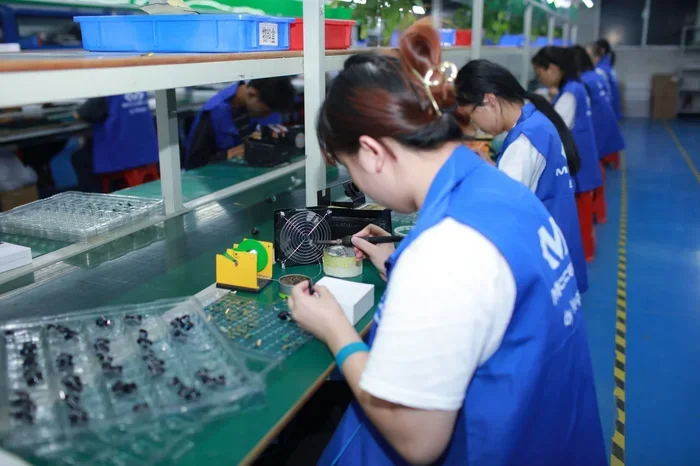
In factories that produce thousands of earphones per day, automation plays a big role. Robotic arms place components with pinpoint accuracy. Machines solder wires to the driver with consistent precision. However, many factories still rely on skilled human workers for delicate tasks like wiring and quality inspection.
Soldering and Wiring
Soldering is a key step in the earphone manufacturing process. The wires from the driver must be connected to the main cable or, in wireless models, to the internal circuit board. Soldering joins these connections using a molten metal alloy that cools to form a secure bond.
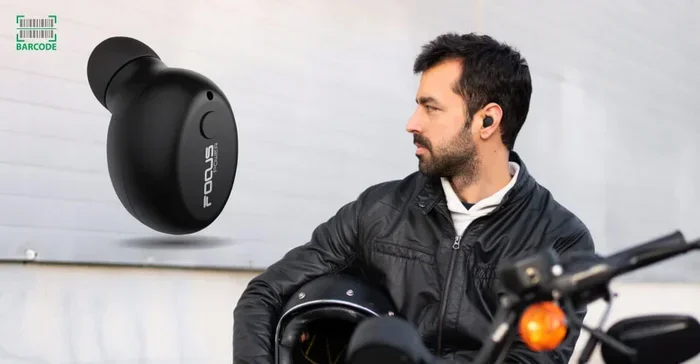
For wired earphones, the cable is threaded through the housing and connected to the driver. The housing is then sealed shut, often using ultrasonic welding or adhesive. For wireless earphones, the process is more complex because the driver must connect to a circuit board assembly that includes the Bluetooth chip and battery.
Wireless Earphone Assembly
Bluetooth earphone production adds several extra steps. First, the tiny Bluetooth chip must be soldered onto the circuit board. Then the battery, which is usually a small lithium-ion cell, is connected. The charging contacts are placed, and the entire assembly is tested for connectivity.
Wireless earphones also need microphones for calls and voice assistants. These microphones are tiny electret capsules that are mounted inside the housing. Each microphone must be positioned correctly to pick up voice clearly while minimizing background noise.
The earphone assembly line for wireless models is more involved than for wired ones. More components mean more potential points of failure. This is why quality control is even more critical in wireless headphone manufacturing.
Wired vs Wireless: How Manufacturing Differs
While wired and wireless earphones share many similarities, their manufacturing processes have important differences. Understanding these differences helps you see why wireless earphones often cost more.
| Aspect | Wired Earphones | Wireless Earphones |
|---|---|---|
| Core Components | Driver, cable, plug, housing | Driver, circuit board, Bluetooth chip, battery, housing |
| Assembly Complexity | Lower, fewer steps | Higher, more soldering and testing |
| Battery Integration | Not required | Required, with charging contacts |
| Software/Firmware | Not needed | Required for Bluetooth and controls |
| Quality Testing | Sound and continuity tests | Sound, Bluetooth connectivity, battery life tests |
| Typical Cost to Produce | Lower | Higher |
The table above shows that wireless earphones require more components and more testing. Each wireless earphone must be programmed with firmware that handles Bluetooth pairing, touch controls, and battery management. This software is developed separately and then loaded onto each unit during production.
Wired earphones, on the other hand, have a simpler earphone manufacturing process. They do not need batteries or Bluetooth chips, which keeps production costs lower. However, the cable quality still matters a lot. High-quality cables with better shielding reduce interference and improve sound clarity.
Quality Testing and Sound Calibration
No earphone leaves the factory without thorough testing. Quality testing earphones is a critical phase that ensures every pair meets the manufacturer’s standards. This stage separates premium brands from budget manufacturers.
Sound Testing
Each earphone is placed in a test fixture that simulates the human ear. A test signal is played through the driver, and a microphone measures the output. Engineers compare the measured frequency response against the target curve. If the sound does not match, the driver is adjusted or replaced.
This testing checks for several things: overall volume levels, balance between left and right drivers, distortion at high volumes, and clarity across different frequency ranges. Any earphone that fails these tests is set aside for rework or disposal.
Durability and Stress Testing
Earphones go through physical stress tests too. They are bent, pulled, and dropped to simulate real-world use. The cable is flexed thousands of times to check for breakage. The housing is tested for impact resistance. These tests ensure that the earphone components can withstand daily wear and tear.
For wireless earphones, battery life is also tested. Each unit is charged and discharged multiple times to verify that the battery holds charge as expected. Bluetooth connectivity is tested at various distances to ensure a stable connection.
Water and Sweat Resistance
Many modern earphones are rated for water or sweat resistance. These models undergo additional testing in controlled environments. They are exposed to moisture and humidity to verify that the internal electronics are protected. The silicone ear tips and housing seals are checked for leaks.
This testing is especially important for sports earphones that are marketed as sweatproof or waterproof. Even a small gap in the housing can cause internal damage over time. Rigorous testing prevents these issues from reaching consumers.
Packaging and Shipping to Your Doorstep
Once the earphones pass all quality tests, they move to the packaging stage. Earphone packaging is designed to protect the product during shipping and to create a great unboxing experience for the buyer.
The earphones are placed in a plastic or cardboard tray. A foam insert or molded plastic cradle holds each earphone securely in place. The tray is then placed inside a printed box that includes the brand logo, product images, and technical specifications.
Inside the box, you will typically find the earphones, extra ear tips, a charging cable (for wireless models), and a user manual. Some brands also include a carrying case or a warranty card. All of these items are packed by hand or by automated machines, depending on the factory.
The packaged earphones are then loaded into shipping boxes and sent to warehouses. From there, they are distributed to retail stores or shipped directly to customers online. The entire journey from raw materials to your ears can take several weeks or even months, depending on the brand and supply chain.
Conclusion
The journey of how earphones are made is a remarkable process that combines materials science, precision engineering, and rigorous quality control. From the selection of raw materials for earphones to the final packaging, every step is designed to deliver a product that sounds great and lasts long.
Whether you prefer wired or wireless models, understanding the earphone manufacturing process gives you a new perspective on the devices you use every day. The next time you put in a pair of earphones, you can appreciate the intricate work that went into making them.
Take what you have learned here and use it to make smarter choices. When you understand what goes into building an earphone, you can better evaluate quality, price, and value. The world of headphone manufacturing is complex, but it is also full of innovation and creativity that brings music to your ears every single day.
Frequently Asked Questions
What are the main materials used to make earphones?
Earphones are made from a combination of plastics, metals like copper and aluminum, silicone for ear tips, and electronic components such as driver units and circuit boards. The exact materials vary depending on the earphone type and price range.
How long does it take to manufacture a pair of earphones?
The manufacturing time varies, but most earphones are produced in minutes per unit on an assembly line. However, the overall process from raw material sourcing to finished packaging can take several weeks. Complex wireless models take longer due to additional components and testing.
Are earphones tested before they are sold?
Yes, every pair of earphones goes through sound testing, durability checks, and in many cases water resistance testing. Manufacturers use automated and manual testing to ensure each unit meets their quality standards before shipping.
What is the difference between wired and wireless earphone production?
Wired earphones have a simpler build with fewer components, while wireless earphones require Bluetooth chips, batteries, and circuit boards. Wireless production involves more complex assembly and additional quality tests for connectivity and battery life.
Do earphone manufacturers use automation or human labor?
Most manufacturers use a combination of both. Robots handle repetitive tasks like soldering and molding, while human workers perform delicate assembly work and final quality inspections. The balance depends on the factory and the product tier.
Can I make earphones at home?
While you cannot replicate factory-level production at home, basic hobbyist earphone projects are possible. You can purchase driver units, wires, and housings online to build simple wired earphones. However, achieving professional sound quality requires specialized equipment and expertise.