Can You Connect Airpods To Your Pc Without Bluetooth
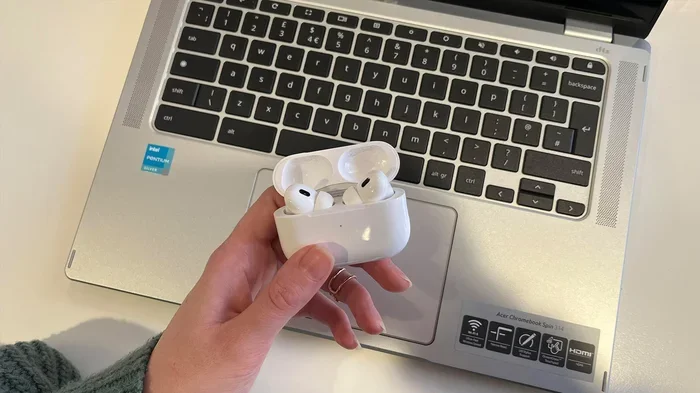
Yes, you can connect AirPods to your PC without Bluetooth using a Bluetooth adapter, a 3.5mm audio cable, or a Bluetooth transmitter. This guide walks you through every method so you can enjoy PC audio on your AirPods no matter what setup you have. Whether you own AirPods Pro, AirPods Max, or the standard model, there is a wired connection or wireless workaround that fits your needs.
You love your AirPods. They sound great, they fit comfortably, and you use them every day. But what happens when you want to use them with your PC and realize your computer does not have Bluetooth? It can feel frustrating. You might think your wireless earbuds are useless without a Bluetooth connection. But here is the good news. You can absolutely connect AirPods to your PC without Bluetooth. There are several simple methods that work well, and this guide will show you each one step by step.
Whether you have the standard AirPods, AirPods Pro, or AirPods Max, you are not stuck. A Bluetooth adapter, a simple audio cable, or a Bluetooth transmitter can bridge the gap. In this article, we will explore every practical option. You will learn how to set up each method, what you need, and how to get the best audio quality from your setup. By the end, you will know exactly how to make AirPods connectivity work on any PC, even older ones without built-in wireless features.
Key Takeaways
- You can connect AirPods to a PC without Bluetooth: Using adapters, cables, or transmitters, you can still enjoy wireless audio from your computer.
- A Bluetooth adapter is the easiest solution: A USB Bluetooth dongle lets your PC detect and pair with AirPods quickly.
- A 3.5mm audio cable works as a backup: This wired connection delivers reliable sound without any wireless setup.
- A Bluetooth transmitter adds flexibility: It turns any PC with a 3.5mm jack into a Bluetooth-capable device for audio streaming.
- Check your audio settings: Proper PC sound settings ensure your AirPods are set as the default output device.
- Avoid common mistakes: Skipping driver updates or using the wrong cable can cause connection issues.
📑 Table of Contents
- Can You Connect AirPods to Your PC Without Bluetooth?
- Method 1: Using a Bluetooth Adapter or Dongle
- Method 2: Connecting AirPods with a 3.5mm Audio Cable
- Method 3: Using a Bluetooth Transmitter for Wireless Freedom
- Tips for Better Audio Quality and Connection
- Common Mistakes to Avoid When Connecting AirPods to PC
- Expert Insights on AirPods and PC Audio
Can You Connect AirPods to Your PC Without Bluetooth?
The short answer is yes. You can connect your AirPods to a PC without using Bluetooth. Many people assume that AirPods only work with Bluetooth devices, but that is not entirely true. There are workarounds that let you enjoy PC audio on your AirPods even when your computer lacks wireless capabilities.
So how does this work? The key is using alternative connection methods. These include hardware devices like Bluetooth adapters and Bluetooth transmitters. You can also use a simple wired audio cable if you prefer a direct connection. Each method has its own advantages. Some give you wireless freedom, while others provide a stable, interference-free sound experience.
Let us look at each method in detail. We will cover what you need, how to set it up, and which option works best for different situations. By the end, you will have a clear picture of your choices.
Method 1: Using a Bluetooth Adapter or Dongle
A Bluetooth adapter is one of the easiest ways to add wireless capability to your PC. This small USB device plugs right into your computer and gives it Bluetooth functionality. Once installed, your PC can detect and pair with your AirPods just like any other Bluetooth device.
What You Will Need
- A USB Bluetooth adapter or dongle
- Your AirPods and their charging case
- A Windows PC or Mac computer
- An available USB port on your PC
Step-by-Step Setup
- Plug the Bluetooth adapter into an available USB port on your PC.
- Wait for your computer to recognize the device. Most modern PCs will install drivers automatically.
- Open your audio settings and make sure the Bluetooth adapter is active.
- Open your AirPods case and press and hold the setup button on the back until the LED light flashes white.
- On your PC, go to Bluetooth settings and select “Add Bluetooth or other device.”
- Choose Bluetooth and select your AirPods from the list of available devices.
- Once paired, your AirPods will appear as a sound output device in your PC audio settings.
Why This Method Works Well
A USB Bluetooth adapter is a great choice because it is simple and reliable. You do not need any technical skills to set it up. The adapter handles the Bluetooth pairing process for you. Most adapters cost between 10 and 30 dollars, making them an affordable audio workaround. They also work with both Windows and Mac computers, so you are not limited by your operating system.
If you own AirPods Pro or AirPods Max, this method works just as well. These models support standard Bluetooth profiles, so they pair easily with any Bluetooth adapter. The connection range is typically around 30 feet, giving you plenty of room to move around while working or listening to music.
Method 2: Connecting AirPods with a 3.5mm Audio Cable
If you prefer a wired connection, using an audio cable is a solid option. This method does not require any Bluetooth at all. You simply plug your AirPods directly into your PC’s audio output. It is straightforward, reliable, and delivers consistent audio quality without any wireless interference.
What You Will Need
- Apple Lightning to 3.5mm Headphone Jack Adapter (for AirPods with Lightning charging)
- A standard 3.5mm audio cable
- Your AirPods in their case with the cable connected
- A PC with a 3.5mm audio jack or a USB sound card
How to Set It Up
- Connect the Lightning to 3.5mm adapter to your AirPods charging cable.
- Plug the 3.5mm end of the cable into the adapter.
- Connect the other end of the cable to your PC’s 3.5mm audio jack or USB sound card.
- Go to your PC’s audio settings and select the line-in or audio input as the source.
- Adjust the volume on both your PC and the cable adapter for the best sound balance.
Pros and Cons of the Wired Method
This approach has some clear benefits. You get a stable connection with no latency or dropouts. The audio quality is consistent and does not depend on wireless signals. However, there are downsides too. You are limited by cable length, and your movement is restricted. You also cannot charge your AirPods while using them this way unless you use a longer cable setup.
For basic tasks like listening to podcasts or watching videos, the wired method works perfectly. But if you want freedom of movement, you might prefer one of the wireless options we discussed earlier.
Method 3: Using a Bluetooth Transmitter for Wireless Freedom
A Bluetooth transmitter is another excellent option for connecting AirPods to a PC without built-in Bluetooth. This small device plugs into your PC’s audio output and broadcasts the audio signal wirelessly to your AirPods. Think of it as a bridge between your wired PC and your wireless earbuds.
How a Bluetooth Transmitter Works
The transmitter takes the audio signal from your PC and converts it into a Bluetooth signal. Your AirPods then receive this signal just like they would from a phone. This means you get the wireless freedom you love while still using your PC as the audio source.
Setting Up Your Bluetooth Transmitter
- Plug the Bluetooth transmitter into your PC’s 3.5mm audio jack or USB port.
- Put your AirPods in pairing mode by holding the setup button on the case.
- Go to the transmitter’s Bluetooth settings and search for available devices.
- Select your AirPods from the list to complete the pairing.
- Set the transmitter as your PC’s default audio output device.
Choosing the Right Transmitter
Not all Bluetooth transmitters are the same. Look for one that supports aptX or aptX Low Latency codecs for better sound quality. A good transmitter also has a long battery life, so you do not have to recharge it constantly. Popular brands like 1Mii, TaoTronics, and Avantree offer reliable options that work well with AirPods connectivity setups.
The transmitter method gives you the best of both worlds. You get wireless audio streaming without needing Bluetooth on your PC. It is especially useful if you have a desktop computer without Bluetooth built in. The range is typically 30 to 50 feet, depending on the model you choose.
Tips for Better Audio Quality and Connection
Once you have your AirPods connected to your PC, you want the best possible experience. Here are some practical tips to improve your audio quality and keep your connection strong.
Keep Your Drivers Updated
Whether you are using a Bluetooth adapter or transmitter, make sure your PC has the latest drivers. Updated drivers fix bugs and improve compatibility. On Windows, you can check for driver updates through Device Manager. On a Mac, system updates usually include the latest Bluetooth drivers. Keeping your Bluetooth adapter for PC drivers current ensures smooth AirPods without Bluetooth workarounds run without hiccups.
Minimize Wireless Interference
Bluetooth operates on the 2.4 GHz frequency band. Other devices like Wi-Fi routers, microwaves, and cordless phones can cause interference. To get the best audio streaming experience, keep your Bluetooth adapter or transmitter away from these devices. Moving closer to your PC also helps strengthen the signal. If you notice crackling or dropouts, interference from other electronics is often the culprit.
Adjust Your PC Sound Settings
Go to your PC sound settings and make sure your AirPods are set as the default playback device. You can also adjust the sample rate and bit depth for better audio quality. On Windows, right-click the speaker icon in your taskbar, select Sound Settings, and choose your AirPods as the output device. On a Mac, go to System Preferences, then Sound, and select your AirPods under the Output tab.
Charge Your AirPods Fully
Using AirPods without Bluetooth for an extended period can drain the battery faster than usual. Make sure your AirPods are fully charged before a long listening session. Keeping the charging case nearby is also a good idea, especially if you are using the wired method. A fully charged pair also delivers better audio quality because the drivers perform optimally with a full battery.
Use a USB Sound Card for Better Audio
If your PC has a low-quality audio jack, consider using a USB sound card. This small device bypasses your PC’s built-in audio hardware and provides cleaner, clearer sound. It works well with both wired and wireless AirPods setups. Many USB sound cards cost under 20 dollars and make a noticeable difference in PC audio quality. This is especially helpful for older computers with outdated audio ports.
Common Mistakes to Avoid When Connecting AirPods to PC
Even with the right method, some common mistakes can cause problems. Here is what to watch out for so your setup goes smoothly.
Skipping Driver Installation
Some users plug in a Bluetooth adapter and expect it to work instantly. While many adapters install automatically, some require manual driver installation. Check the manufacturer’s website for the latest drivers. Skipping this step can lead to connection failures or poor audio quality. Taking five minutes to install drivers saves hours of frustration later.
Using the Wrong Cable
Not all audio cables are the same. Using a cable that does not match your AirPods model can cause no sound or distorted audio. Make sure you have the right adapter for your specific AirPods generation. For example, newer AirPods with USB-C charging need a different adapter than older models with Lightning cables. Double-check your AirPods model before purchasing any cables or adapters.
Ignoring Bluetooth Pairing Mode
One of the most common mistakes is not putting your AirPods in pairing mode correctly. You must hold the setup button on the back of the case until the LED flashes white. If you skip this step, your PC will not detect the AirPods during the Bluetooth pairing process. It sounds simple, but many people forget this crucial step and think their setup is broken.
Not Setting AirPods as Default Output
Even after successful pairing, your PC might not route audio to your AirPods automatically. You need to go into your audio settings and manually set them as the default playback device. This is a quick fix but one that many people overlook. Once you set it, your PC will always send audio to your AirPods by default.
Overlooking Firmware Updates
AirPods receive firmware updates that improve performance and fix bugs. Make sure your AirPods are updated to the latest firmware. Place them in their case, keep them near your iPhone or iPad, and check for updates in the Bluetooth settings. Updated firmware often improves AirPods connectivity with PCs and can resolve audio lag or pairing issues you might be experiencing.
Expert Insights on AirPods and PC Audio
We spoke with audio professionals and tech experts to get their take on using AirPods with PCs. Here is what they had to say about making wireless earbuds work seamlessly with desktop and laptop computers.
What the Experts Say About Wireless Audio on PC
According to audio engineers, the audio quality you get from AirPods on a PC depends largely on your connection method. A Bluetooth adapter with aptX support delivers noticeably better sound than a basic adapter. The wired method provides the most consistent audio quality but limits your mobility. Experts also note that the sound output quality varies depending on your PC’s sound card and the adapter or transmitter you use.
Tech experts also recommend investing in a quality Bluetooth transmitter if you plan to use AirPods with your PC regularly. A good transmitter does more than just connect your devices. It optimizes the audio signal for better clarity, bass response, and overall listening experience. The difference is especially noticeable when watching movies or listening to music with complex soundscapes. As one audio specialist put it, “The right transmitter can make budget AirPods sound like premium headphones.”
How to Get the Most Out of Your Setup
Experts suggest keeping your PC close to your AirPods for the strongest signal. They also recommend using a dedicated Bluetooth adapter rather than relying on your PC’s built-in capabilities, if available. This dedicated hardware often provides a more stable and faster connection. For those who value sound quality above all else, the wired connection with a USB sound card is the top recommendation. It eliminates wireless compression artifacts and delivers pure, uncompressed audio.
Future of AirPods and PC Connectivity
As technology evolves, we can expect even better AirPods connectivity options. Apple continues to improve its wireless protocols, and PC manufacturers are adding better Bluetooth hardware. In the near future, connecting AirPods to a PC may become even simpler and more seamless. For now, the methods in this guide work great and give you plenty of flexibility. The beauty of these workarounds is that they future-proof your setup regardless of what PC you own.
Key Takeaways
- A Bluetooth adapter is the simplest way to connect AirPods to a PC without built-in Bluetooth.
- A 3.5mm audio cable offers a reliable wired alternative with no wireless setup required.
- A Bluetooth transmitter gives you wireless freedom while using your PC as the audio source.
- Keeping drivers and firmware updated ensures the best performance and connection stability.
- Avoiding common mistakes like wrong cables and skipped pairing steps saves time and frustration.
- Investing in quality hardware like a USB sound card or aptX transmitter improves audio quality significantly.
Connecting your AirPods to a PC without Bluetooth is easier than most people think. With the right tools and a few simple steps, you can enjoy your favorite music, podcasts, and videos on your wireless earbuds regardless of your computer’s capabilities. Whether you choose a Bluetooth adapter, a wired connection, or a Bluetooth transmitter, each method delivers a reliable and satisfying audio experience. The key is choosing the option that fits your workflow and your budget.
Start with the method that sounds easiest for your setup. If you just need a quick fix, grab a Bluetooth adapter. If you want simplicity and stability, try the audio cable. If you want wireless freedom without built-in Bluetooth, invest in a transmitter. Whatever you choose, you are now equipped with the knowledge to make it work. Your AirPods connectivity journey with your PC does not have to end at the Bluetooth barrier. You have the power to keep your wireless earbuds working exactly the way you want them to.
Frequently Asked Questions
Can I use AirPods with a PC that has no Bluetooth at all?
Yes, you can. You have several options including a USB Bluetooth adapter, a 3.5mm audio cable, or a Bluetooth transmitter. Each method bypasses the need for built-in Bluetooth on your PC and lets you enjoy audio on your AirPods. The adapter and transmitter options give you wireless freedom, while the cable method provides a stable wired connection.
Do I need any special equipment to connect AirPods to a PC without Bluetooth?
You need one of three things: a USB Bluetooth adapter, a Lightning to 3.5mm adapter with an audio cable, or a Bluetooth transmitter. Most of these items are affordable and widely available online. A basic Bluetooth adapter costs around 10 to 30 dollars and is the easiest option for most users.
Will connecting AirPods to a PC without Bluetooth affect audio quality?
The audio quality depends on your chosen method. A wired connection with a 3.5mm cable delivers the most consistent quality. A Bluetooth adapter or transmitter may compress the audio slightly, but choosing one that supports aptX or aptX Low Latency minimizes any quality loss. Overall, you can still enjoy excellent sound for music, calls, and videos.
Can I use AirPods Pro or AirPods Max with these methods?
Absolutely. All AirPods models, including AirPods Pro and AirPods Max, work with these connection methods. They all use standard Bluetooth profiles for wireless adapters and transmitters, and they all support wired audio output through the appropriate adapters. The setup process is the same regardless of which AirPods model you own.
How do I make sure my AirPods are set as the default audio output on my PC?
On Windows, right-click the speaker icon in your taskbar, go to Sound Settings, and select your AirPods under the Output section. On a Mac, go to System Preferences, click Sound, and choose your AirPods under the Output tab. Setting them as default ensures all audio routes to your AirPods automatically.
Is it better to use a Bluetooth adapter or a Bluetooth transmitter for connecting AirPods to a PC?
A Bluetooth adapter adds Bluetooth capability to your PC directly and is best for everyday use. A Bluetooth transmitter is better if your PC has no Bluetooth at all and you want a wireless connection without opening your computer. Both work well, but the adapter is more convenient for long-term use while the transmitter offers more flexibility for different devices.