Do Bluetooth Car Transmitters Work Better Than You Think
Bluetooth car transmitters do work, and many deliver surprisingly solid performance for streaming audio wirelessly. These compact devices plug into your car’s power source and broadcast audio to an FM frequency or connect directly to your stereo. Whether you want hands-free calling or wireless music, a Bluetooth car transmitter can be a simple upgrade that makes driving more connected and convenient.
Bluetooth car transmitters have been around for a while, but many drivers still wonder if they actually work. The short answer is yes. These handy little devices have come a long way, and today’s models offer much better performance than the early versions ever did.
If you drive an older car without built-in Bluetooth, a Bluetooth car transmitter can be a game-changer. You get wireless audio streaming, hands-free calling, and a safer driving experience without spending hundreds on a new stereo system. It is one of the easiest and most affordable ways to modernize your car’s entertainment setup.
In this guide, we will break down exactly how Bluetooth car transmitters work, what you can expect from them, and whether they are worth buying. We will also cover common problems, setup tips, and some great alternatives you might not have considered. By the end, you will know everything you need to make an informed decision.
Key Takeaways
- Bluetooth car transmitters work reliably: Most modern transmitters deliver clear audio and stable connections for everyday driving.
- FM transmitters and direct-connect adapters differ: FM transmitters use radio frequencies, while direct-connect options offer better sound quality.
- Setup is simple and quick: You can have a working Bluetooth car transmitter installed in under 15 minutes.
- Audio quality varies by model: Higher-end transmitters offer better sound, but budget options still perform well for most users.
- Common issues are fixable: Interference, pairing problems, and weak signals can usually be solved with basic troubleshooting.
- Consider alternatives too: Options like replacing your car radio or using a Bluetooth adapter may offer better long-term results.
📑 Table of Contents
- What Is a Bluetooth Car Transmitter?
- How Bluetooth Car Transmitters Work
- Do Bluetooth Car Transmitters Really Work Well?
- Setting Up Your Bluetooth Car Transmitter
- Common Problems and How to Fix Them
- Bluetooth Car Transmitter vs. Other Options
- Are Bluetooth Car Transmitters Worth Buying?
- Final Thoughts
What Is a Bluetooth Car Transmitter?
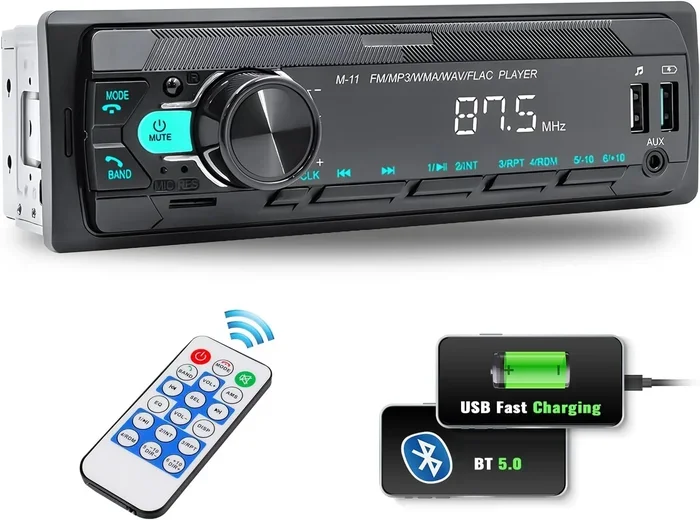
A Bluetooth car transmitter is a small device that connects to your phone or other device using Bluetooth technology. It then sends audio to your car’s speakers, either through an FM frequency or a direct connection. Think of it as a bridge between your phone and your car’s sound system.
Most transmitters plug into your car’s cigarette lighter or USB port. Some models also include a USB charging port so you can charge your phone while you drive. The device pairs with your phone just like any other Bluetooth accessory, and once connected, your phone’s audio streams right through your car speakers.
There are two main types of Bluetooth car transmitters you will find on the market. The first type is the FM transmitter, which broadcasts your phone’s audio over an open FM radio frequency. The second type connects directly to your car stereo through an AUX cable or USB connection. Each type has its own advantages, and we will explore both in detail below.
How Bluetooth Car Transmitters Work
Understanding how a Bluetooth car transmitter works is pretty straightforward. The device receives audio from your phone wirelessly using Bluetooth technology. It then sends that audio signal to your car’s speakers in one of two ways.
FM Transmission Method
FM transmitters work by picking up an empty FM radio frequency in your area. The device then broadcasts your phone’s audio on that frequency. Your car radio picks up this signal and plays it through the speakers. You simply tune your radio to the matching frequency, and the audio starts flowing.
This method works well in most situations, but it does have some limitations. FM signals can be affected by interference from other radio stations, tall buildings, and even weather conditions. In crowded cities with lots of radio stations, finding a clear frequency can sometimes be tricky.
Direct Connection Method
Direct-connect transmitters skip the FM radio step entirely. Instead, they plug directly into your car’s AUX input or USB port. This method provides a much cleaner and more stable audio signal. You do not have to worry about finding an empty FM frequency or dealing with interference.
The direct connection method generally offers better audio quality and more reliable performance. However, it requires your car to have an AUX or USB input, which not all older vehicles have. If your car does have these inputs, a direct-connect option is usually the better choice.
Do Bluetooth Car Transmitters Really Work Well?
The honest answer is that Bluetooth car transmitters work well for most people, but results can vary depending on your specific situation. Let us look at the factors that determine how well a transmitter performs.
Audio Quality
Audio quality is one of the biggest concerns people have about Bluetooth car transmitters. The truth is that modern transmitters deliver surprisingly good sound. Bluetooth technology has improved a lot over the years, and the latest versions support high-quality audio codecs that produce clear, rich sound.
That said, you should not expect studio-quality audio from a Bluetooth car transmitter. The sound will be good enough for music, podcasts, and audiobooks, but audiophiles who demand perfect sound might find the quality slightly compressed compared to a direct wired connection. For everyday driving, though, most people are very happy with the audio quality.
Connection Stability
Connection stability is where Bluetooth car transmitters really shine in most cases. Once you pair your phone with the transmitter, the connection is usually very stable. You should not experience frequent dropouts or interruptions during normal driving.
Bluetooth range typically extends about 30 feet, which is more than enough for a car cabin. As long as your phone stays within range, the connection remains solid. Some higher-end models with Bluetooth 5.0 offer even better range and stability than older versions.
Hands-Free Calling
One of the best features of a Bluetooth car transmitter is hands-free calling. When a call comes in, the audio from your music automatically pauses, and the call audio routes through your car speakers. The built-in microphone picks up your voice, so you can talk without holding your phone.
This feature is not just convenient. It is also safer. Studies show that hands-free calling reduces distractions while driving. Many countries and states have laws against holding your phone while driving, so a transmitter helps you stay compliant and safe on the road.
Setting Up Your Bluetooth Car Transmitter
Setting up a Bluetooth car transmitter is one of the easiest tech projects you can do. Most people have it working in less than 15 minutes. Here is a simple step-by-step guide to get you started.
Step-by-Step Setup Guide
- Plug the transmitter into your car’s power outlet or USB port. Make sure it is securely seated and powered on.
- Turn on your car radio and tune it to an empty FM frequency. Write down the frequency you choose.
- Set the transmitter to the same frequency as your car radio. Most transmitters have a small screen or dial for this.
- Turn on Bluetooth on your phone and search for available devices.
- Select the transmitter from the list of available devices. You may need to enter a pairing code, which is usually 0000 or 1234.
- Start playing audio on your phone. You should hear it coming through your car speakers.
Quick Tips for Best Performance
- Keep your phone close to the transmitter for a stronger signal.
- Choose an FM frequency that is not used by any local radio stations.
- Update your phone’s Bluetooth drivers if you experience connection issues.
- Restart both your phone and the transmitter if the connection drops.
- Use a high-quality AUX cable if your transmitter supports direct connection.
Common Problems and How to Fix Them
While Bluetooth car transmitters work well for most people, you might run into some issues along the way. Here are the most common problems and how to solve them.
Interference and Static Noise
Static noise or interference is the most common complaint with FM transmitters. This usually happens when the transmitter shares a frequency with a nearby radio station. The fix is simple: try a different FM frequency until you find one with no interference.
If you live in a crowded area with many radio stations, finding a clear frequency can be challenging. In this case, consider switching to a direct-connect transmitter that bypasses FM radio entirely. This gives you a much cleaner signal with no static.
Paired But No Sound
Sometimes your phone connects to the transmitter but no sound plays. This is usually a simple fix. First, check that your phone’s media audio is turned on in the Bluetooth settings. Some phones separate call audio and media audio into different settings, and you need to enable both.
Next, make sure your car radio is set to the correct input or frequency. If you are using an FM transmitter, double-check that your radio is tuned to the exact same frequency as the transmitter. A slight mismatch can cause no sound output.
Frequent Disconnections
If your Bluetooth car transmitter keeps disconnecting, the issue is usually related to distance or interference. Make sure your phone is within the Bluetooth range of the transmitter. Also, check if there are other Bluetooth devices nearby that might be causing interference.
Updating the firmware of your transmitter can also help with connection stability. Many manufacturers release firmware updates that fix bugs and improve performance. Check the manufacturer’s website or app for any available updates.
Bluetooth Car Transmitter vs. Other Options
A Bluetooth car transmitter is not your only option for adding wireless audio to your car. Let us compare it with some popular alternatives so you can see which solution works best for you.
| Option | Pros | Cons | Best For |
|---|---|---|---|
| Bluetooth Car Transmitter | Affordable, easy to install, works in any car | FM interference possible, slightly lower audio quality | Budget-conscious drivers with older cars |
| Replace Car Radio | Best audio quality, built-in Bluetooth, modern features | Expensive, complex installation | Drivers wanting a full upgrade |
| Bluetooth Adapter | Clean installation, good sound quality | Requires AUX or USB input | Cars with AUX/USB ports |
| Bluetooth Speaker | Portable, no installation needed | Poor sound in noisy cars, battery dependent | Temporary or occasional use |
As you can see, a Bluetooth car transmitter offers the best balance of affordability and convenience. If you want the best sound quality and do not mind spending more, replacing your car radio is the top option. But for most everyday drivers, a transmitter does the job very well.
Some drivers also explore options like turning their car stereo into Bluetooth or making their old Bose speakers Bluetooth-capable. These alternatives work well but often require more technical know-how. A simple Bluetooth car transmitter remains the easiest path for most people.
Are Bluetooth Car Transmitters Worth Buying?
After all the details, the big question remains: are Bluetooth car transmitters worth your money? The answer depends on your needs and your car.
If you drive an older car without built-in Bluetooth, a transmitter is absolutely worth it. It gives you wireless audio streaming and hands-free calling at a fraction of the cost of a new stereo system. The setup takes minutes, and the device works immediately.
Even if your car has some Bluetooth capability already, a transmitter can still be useful. Maybe your built-in system is buggy or the range is poor. A dedicated transmitter often provides a more reliable and consistent experience.
Budget-friendly options work well for most drivers. You do not need to spend a lot of money to get good performance. Many affordable transmitters deliver clear audio and stable connections that satisfy everyday use. Investing in a slightly better model can give you improved audio quality and fewer connection issues, but even budget options are solid.
On the other hand, if you are an audiophile or you need premium sound quality for long road trips, you might want to look at more advanced solutions. A direct-connect Bluetooth adapter or a full car stereo replacement will give you the best possible audio experience. But for the average driver, a Bluetooth car transmitter hits the sweet spot between performance and price.
Final Thoughts
Bluetooth car transmitters do work, and they work better than many people expect. They offer a simple, affordable way to bring wireless audio and hands-free calling to any car, no matter how old or new. The technology has matured, and today’s models deliver reliable performance with good audio quality.
Whether you choose an FM transmitter or a direct-connect model, you will enjoy the convenience of wireless streaming every time you get behind the wheel. Setup is quick, troubleshooting is simple, and the benefits are real. A Bluetooth car transmitter is one of the best small upgrades you can make to your daily driving experience.
If you are still on the fence, give one a try. Most models come with generous return policies, so you can test it risk-free. Once you experience wireless audio in your car, you will wonder how you ever drove without it.
For those interested in other Bluetooth solutions for your vehicle, check out how to make your car radio Bluetooth capable or explore options for replacing your car radio with a Bluetooth setup. You might find an alternative that fits your needs even better.
Frequently Asked Questions
Do Bluetooth car transmitters work with all car models?
Yes, Bluetooth car transmitters work with virtually all car models. Since most transmitters use an FM frequency or a simple AUX connection, they do not depend on your car’s make or model. As long as you have a power outlet or USB port and a working car radio, a transmitter will work for you.
Can I use a Bluetooth car transmitter for phone calls?
Absolutely. Most Bluetooth car transmitters include a built-in microphone that supports hands-free calling. When a call comes in, your music pauses and the call audio plays through your car speakers. You can speak and hear the other person clearly without holding your phone.
Is the audio quality of a Bluetooth car transmitter good?
The audio quality is generally very good for everyday use. Bluetooth technology has improved significantly, and modern transmitters deliver clear, rich sound. While it may not match a premium wired connection, most drivers find the quality more than satisfactory for music, podcasts, and audiobooks.
How far can a Bluetooth car transmitter reach?
Bluetooth car transmitters typically have a range of about 30 feet. This is more than enough for a car cabin, since your phone will usually sit on the dashboard or seat within range of the transmitter. Some newer models with Bluetooth 5.0 offer extended range and better stability.
Can I use a Bluetooth car transmitter and charge my phone at the same time?
Yes, many Bluetooth car transmitters come with a built-in USB port that allows you to charge your phone while streaming audio. This is a very convenient feature, especially during long drives. Just make sure your car’s power outlet can handle both the transmitter and your phone charger.
Do Bluetooth car transmitters drain my car battery?
Bluetooth car transmitters use very little power and should not drain your car battery significantly. They draw power similar to a phone charger. However, if you leave the transmitter plugged in for extended periods without starting the car, it could slowly drain the battery over time.