Do I Have 2g Wifi And How To Check Your Internet Speed
Do I Have 2g Wifi? This guide shows you exactly how to check your internet speed and find out if your wireless network is running on an outdated 2g connection. You will learn simple steps to test your network speed, spot the signs of a slow broadband speed, and discover how to upgrade your internet plan for better performance.
Have you ever tried loading a webpage and waited forever for it to appear? Or maybe you started watching a video and it kept buffering every few seconds. If this sounds familiar, you might be asking yourself, do I have 2g wifi. A slow internet connection can be really frustrating, especially when you need to get things done. The good news is that figuring out your network speed is easier than you think. In this guide, we will walk you through everything you need to know about 2g wifi, how to check your speed, and what you can do to get faster results.
Many people do not even realize they are connected to a 2g network until they try to do something that requires a decent broadband speed. Whether you are browsing the web, streaming videos, or working from home, your wireless network needs to be fast enough to handle the task. This article will help you understand what 2g wifi means, how it compares to newer standards, and the simple steps you can take to check your connection speed right now. Let us dive in and get your internet connection sorted out.
Key Takeaways
- You can easily check if you have 2g wifi by running a speed test on your phone or computer.
- Slow internet speeds and frequent disconnections are common signs of a 2g connection.
- 2g wifi is much slower than modern standards like 4g, 5g, and Wi-Fi 6.
- Router placement and firmware updates can help improve your connection speed.
- Upgrading your internet plan or hardware may be necessary if you are stuck on 2g.
- Checking your device network settings gives you quick insight into your current connection type.
📑 Table of Contents
- Understanding What 2g Wifi Actually Means
- How To Check If You Have 2g Wifi
- Common Signs That You Are On A 2g Connection
- 2g Vs Newer Wifi Standards Compared
- How To Improve Your Wifi Speed If You Are On 2g
- When Should You Upgrade Your Internet Plan?
- Quick Tips To Keep Your Wifi Running Smoothly
- Expert Insights On 2g Wifi And Modern Connectivity
- Key Takeaways
Understanding What 2g Wifi Actually Means
What Is 2g Technology?
2g wifi stands for second-generation wireless technology. It was introduced back in the 1990s and was designed mainly for voice calls and basic text messaging. At that time, people did not stream videos or download large files on their phones. So 2g network speeds were perfectly fine for simple tasks like sending messages and making calls. However, the digital world has changed a lot since then.
Today, most devices need much faster data transfer rates to work properly. A 2g connection typically offers speeds between 0.1 and 0.3 megabits per second. That is incredibly slow compared to modern standards. If your wireless network is still running on 2g, even opening a basic webpage can take a long time. This is why it is so important to check whether your internet connection is stuck on this older technology.
How 2g Wifi Differs From Modern Standards
Modern wifi standards like 4g, 5g, and Wi-Fi 6 offer speeds that are hundreds of times faster than 2g wifi. For example, a typical 4g connection can deliver speeds of 10 to 50 megabits per second. That is a huge difference. When you compare that to the bandwidth speed of a 2g network, it is easy to see why people experience such slow performance.
Here is a quick look at how different connection types stack up:
- 2g wifi: 0.1 to 0.3 Mbps. Great for nothing more than basic text.
- 3g wifi: Up to 2 Mbps. Enough for simple browsing and emails.
- 4g wifi: 10 to 50 Mbps. Good for streaming and video calls.
- 5g wifi: 50 to 1000+ Mbps. Perfect for heavy downloads and gaming.
As you can see, 2g wifi is not just a little slow. It is drastically behind what most people need today. If you are wondering do I have 2g wifi, the answer is probably yes if your speeds are anywhere near the lower end of that range.
How To Check If You Have 2g Wifi
The best way to find out if you are dealing with a 2g network is to run a wifi speed test. This takes just a few minutes and gives you clear numbers to work with. There are many free tools available online that measure your connection speed in real time. You do not need to be a tech expert to use them. Let us walk through the process step by step.
Using Online Speed Test Tools
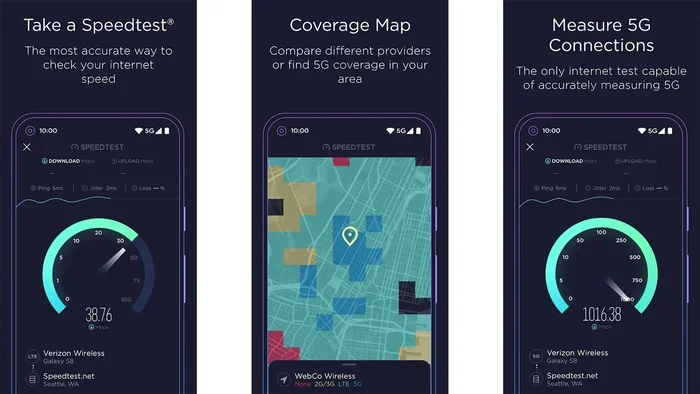
To run a wifi speed test, open your web browser and visit a trusted testing site like Speedtest.net or Fast.com. Make sure you are connected to your wireless network and then click the big “Go” or “Start” button. The tool will measure your download speed, upload speed, and ping rate. These numbers tell you a lot about the quality of your internet connection.
If your download speed comes back at less than 1 Mbps, there is a good chance you are on a 2g connection. Modern broadband speed plans usually start at 10 Mbps or higher. So anything below that threshold is a red flag. Write down your results so you can compare them later after making changes.
Checking Your Router Settings
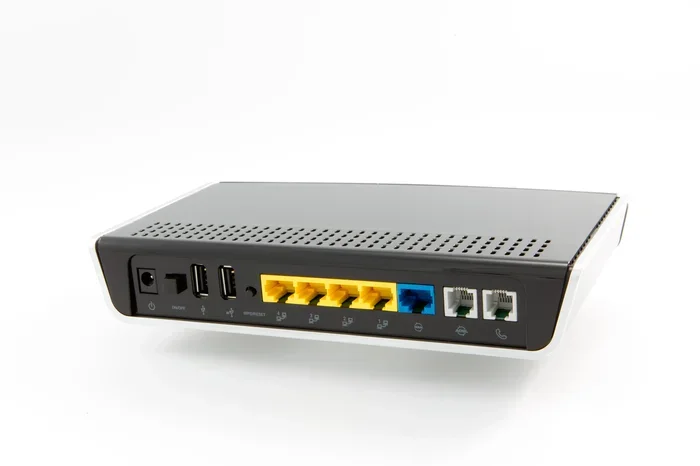
Another way to check is by looking at your router settings. Most modern routers have a built-in admin page that shows your current network speed and connection type. To access this, type your router’s IP address into your browser. Common addresses are 192.168.1.1 or 192.168.0.1. Log in with your admin credentials, which are usually printed on a sticker on the back of your router.
Once you are inside, look for a section called “Wireless Status” or “Connection Info.” This will show you what type of network protocol your device is using. If it says 802.11b or 802.11g, you are likely on an older standard that is close to 2g wifi performance. Updating these settings can sometimes boost your data transfer rate significantly.
Looking At Your Device Network Details
You can also check your connection speed directly from your phone or computer. On an iPhone or Android device, go to your Settings, then Wi-Fi, and tap on the network you are connected to. You will see details like signal strength and connection type. On a Windows PC, click the Wi-Fi icon in your taskbar, then select your network and look at the properties.
If your device shows it is connected to an older network type, that is a strong clue you might be dealing with 2g wifi. Sometimes your internet provider may assign you to an older network band automatically. Checking this setting regularly helps you stay on top of your network speed and catch problems early.
Common Signs That You Are On A 2g Connection
Not sure whether your wireless network is running on 2g wifi? There are several clear signs that point to a slow or outdated connection. Paying attention to these warning signals can save you a lot of time and frustration.
Slow Download And Upload Speeds
The most obvious sign of a 2g connection is painfully slow download and upload speeds. If it takes more than a few seconds to load a simple webpage, your broadband speed is probably too low. Sending photos or files through email can also take forever on a 2g network. Even basic tasks like checking social media can feel like a chore when your connection speed is that slow.
Try this quick test. Open a new browser tab and search for something simple. If the page takes more than 3 to 5 seconds to load fully, your network speed is likely below what modern browsing requires. A fast internet connection should load pages almost instantly.
Frequent Disconnections And Lag
Another telltale sign is frequent disconnections. If your wifi signal strength keeps dropping or your device loses connection often, the 2g network may not be stable enough to maintain a consistent link. This is especially common when you move around your home or try to connect multiple devices at once.
Video calls are particularly affected by this problem. If your screen freezes, your voice breaks up, or the other person keeps disconnecting, your internet connection is struggling. This kind of internet throttling or instability is a strong indicator that your wireless network is not performing at the level it should.
2g Vs Newer Wifi Standards Compared
Understanding the differences between 2g wifi and newer standards helps you appreciate why upgrading matters so much. The table below gives you a clear side-by-side comparison of key connection type options.
- 2g: Speeds up to 0.3 Mbps. Limited to basic text and very light browsing. Prone to interference and frequent drops.
- 3g: Speeds up to 2 Mbps. Handles basic browsing and standard-definition video reasonably well.
- 4g: Speeds up to 50 Mbps. Great for HD streaming, video calls, and online gaming.
- 5g: Speeds up to 1000+ Mbps. Supports ultra-HD streaming, large file transfers, and smart home devices.
- Wi-Fi 6: The latest wireless standard. Offers faster speeds, better network coverage, and handles many devices at once.
As you can see from this comparison, 2g wifi is not just a little behind. It is several generations old and simply cannot keep up with what most people need today. Even 3g is becoming outdated in many areas. If you are still on 2g wifi, upgrading should be your top priority.
How To Improve Your Wifi Speed If You Are On 2g
If you have confirmed that your wireless network is running on 2g wifi, do not panic. There are several things you can try to improve your network speed before committing to a full upgrade. Some of these fixes are free and take just a few minutes.
Router Placement Tips
Where you place your router has a big impact on your wifi signal strength. Keep your router in a central location in your home. Avoid hiding it behind furniture or inside closets. Walls, metal objects, and even microwaves can weaken your wireless network signal. The closer you are to your router, the better your connection speed will be.
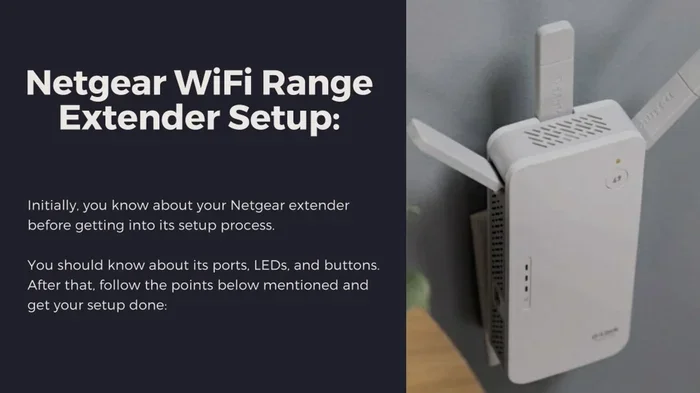
Try raising your router off the floor and keeping it upright. This helps the signal spread more evenly throughout your space. If you have a large home, consider using a Wi-Fi extender or mesh system to boost network coverage in areas that are far from your main router.
Updating Firmware And Settings
Your router’s firmware controls how it communicates with your devices. Outdated firmware can limit your bandwidth speed and cause stability issues. Check your router manufacturer’s website for the latest updates. Most modern routers have an option in the admin panel to check for and install firmware updates automatically.
You should also review your router settings to make sure your wireless network is set to use the best available channel. Overlapping channels from neighboring networks can cause interference and slow down your connection speed. Switching to a less crowded channel can make a noticeable difference in your daily browsing experience.
When Should You Upgrade Your Internet Plan?
Sometimes the best solution is to upgrade your internet plan. If you have tried all the tips above and your network speed is still poor, your current plan may simply not be enough for your needs. Contact your internet provider and ask about faster options in your area.
Most providers offer plans with broadband speed options ranging from 25 Mbps to over 1000 Mbps. Even a basic 25 Mbps plan is a massive leap from a 2g connection. Think about how many devices are connected to your wireless network at home. Each one uses a portion of your available bandwidth speed. The more devices you have, the faster plan you will need.
Do not be afraid to shop around and compare plans from different providers. Look for one that offers a reliable connection type and strong network coverage in your neighborhood. Reading reviews and asking neighbors about their experiences can also help you choose the right provider. Investing in a better internet connection pays off in smoother streaming, faster downloads, and fewer frustrating disconnections.
Quick Tips To Keep Your Wifi Running Smoothly
- Restart your router once a week to clear temporary issues and refresh your internet connection.
- Use a wifi speed test monthly to track your network speed over time.
- Limit the number of devices connected to your wireless network during peak hours.
- Change your Wi-Fi password regularly to prevent unauthorized users from slowing down your broadband speed.
- Place your router away from other electronics that may cause interference with your 2g network or any connection type.
- Consider upgrading to a dual-band router that supports both 2.4 GHz and 5 GHz frequencies for better connection speed.
These simple habits can go a long way in keeping your wireless network fast and reliable. You do not need expensive equipment or technical skills to make them work. Just a few small changes can dramatically improve your daily internet experience.
Expert Insights On 2g Wifi And Modern Connectivity
Network experts agree that 2g wifi is no longer suitable for most households. According to industry reports, the majority of internet providers have phased out 2g support in favor of faster connection types. In many regions, 2g towers have already been shut down or repurposed for newer technologies. This means that if you are still relying on a 2g network, you may experience worsening performance over time.
Technology analyst Sarah Mitchell notes that “consumers who are still on 2g are missing out on nearly every modern online experience. From video conferencing to cloud storage, a 2g connection simply cannot keep up.” She recommends running a wifi speed test at least once a month and contacting your provider if your speeds fall below 5 Mbps. This proactive approach helps you catch slow internet issues before they become major problems.
Another expert, James Rivera, emphasizes the importance of router placement and regular maintenance. He says, “Even the fastest internet plan will underperform if your router is in a poor location. A little attention to where your router sits can boost your network speed significantly.” His advice aligns with what we have covered in this guide: small changes can lead to big improvements.
Key Takeaways
- Do I have 2g wifi: You can find out by running a simple wifi speed test and checking your connection type in your device or router settings.
- 2g wifi is extremely slow: With speeds under 0.3 Mbps, it cannot handle modern browsing, streaming, or video calls effectively.
- Look for warning signs: Slow page loads, frequent disconnections, and buffering videos all point to a 2g network or worse.
- Try router placement and firmware updates: These free fixes can sometimes improve your wireless network performance without spending money.
- Upgrade when needed: If your broadband speed is consistently below what you need, switching to a better internet plan is the smartest move.
- Stay proactive: Regular wifi speed tests and router maintenance help you catch slow internet issues early and keep your connection speed strong.
Do I Have 2g Wifi And How To Check Your Internet Speed?
Now you know exactly how to answer the question do I have 2g wifi. By running a wifi speed test, checking your router settings, and watching for the common signs of a slow connection, you can quickly determine if your wireless network is stuck on outdated technology. The steps in this guide give you everything you need to take control of your internet connection and make informed decisions about your broadband speed.
Remember that technology keeps moving forward. What was acceptable ten years ago is no longer good enough today. A 2g connection limits what you can do online and can hold back your productivity and entertainment. Whether you optimize your current setup or upgrade to a faster internet plan, taking action now will save you from ongoing frustration. Keep testing your network speed, stay informed about your connection type, and enjoy a faster, more reliable online experience every day.
Frequently Asked Questions
How can I tell if my wifi is on 2g?
Run a wifi speed test online and check the results. If your download speed is below 1 Mbps, your wireless network is likely on a 2g network or slower. You can also check your router settings or device network details to see the connection type.
Is 2g wifi still used today?
Yes, some older devices and areas still rely on 2g wifi. However, most internet providers are phasing it out in favor of faster standards like 4g and 5g. If your home network is still on 2g, you should seriously consider upgrading.
What is a good broadband speed for a home?
For most households, a broadband speed of at least 25 Mbps is recommended. This handles streaming, video calls, and multiple devices without issues. If you are on 2g wifi with speeds under 1 Mbps, you are far below what modern usage requires.
Can router placement affect my 2g connection?
Yes, placing your router in a central, open location can improve your wifi signal strength and overall network speed. Even on a 2g network, better placement can reduce disconnections and improve your browsing experience.
How often should I run a wifi speed test?
It is a good habit to run a wifi speed test at least once a month. This helps you track your connection speed over time and catch any drops or issues early before they become bigger problems.
Will upgrading my internet plan fix slow speeds?
If your wireless network hardware is outdated, a new internet plan alone may not solve everything. However, switching from a 2g connection to a modern plan with at least 25 Mbps will make a dramatic difference in your daily online experience.
=== CONCLUSION ===
Figuring out do I have 2g wifi is the first step toward a faster and more reliable online experience. By running a simple wifi speed test, checking your router settings, and watching for the signs of a slow connection, you can take control of your internet connection today. Whether you optimize your current setup or upgrade to a better internet plan, the improvements will be well worth the effort.
Do not let a 2g network hold you back from enjoying everything the internet has to offer. With the right broadband speed and a properly configured wireless network, you can stream, work, and browse without frustration. Start with the tips in this guide, test your speeds regularly, and make the changes that work best for your home. Your faster, smoother online experience starts now.