Can You Bypass Wi Fi And Access Free Internet Today
Can you bypass Wi-Fi and still get free internet access? Absolutely. This guide walks you through simple, proven methods to stay connected without paying for a service plan. You will learn about open networks, mobile tethering, offline tools, and safe practices. Whether you are traveling, saving money, or just curious, this article has you covered.
Key Takeaways
- Multiple Free Methods Exist: You can access the internet through open Wi-Fi networks, mobile hotspot tethering, and community internet programs.
- Safety Matters: Always use a VPN and avoid sensitive tasks on public networks when you bypass Wi-Fi restrictions.
- Know the Law: Bypassing your own network password is fine, but accessing someone else’s network without permission can be illegal.
- Offline Tools Help Too: Apps and services that work offline can keep you productive even without a live connection.
- Portable Hotspots Are Game-Changers: Devices like pocket Wi-Fi and USB dongles offer flexible internet access without a home plan.
- Free Wi-Fi Is Everywhere: Libraries, cafes, malls, and public spaces often provide free internet access points.
- Plan Ahead: The best way to stay connected is to prepare your tools and options before you need them.
📑 Table of Contents
- Can You Bypass Wi-Fi And Still Get Online?
- Why Do People Want to Bypass Wi-Fi?
- Methods to Bypass Wi-Fi and Access Free Internet
- Comparison: Free Internet Methods
- Quick Tips for Safe and Smart Internet Access
- Common Mistakes People Make When Bypassing Wi-Fi
- Is Bypassing Wi-Fi Legal and Safe?
- Expert Insights on Free Internet Access
- Final Thoughts: Your Guide to Bypassing Wi-Fi
Can You Bypass Wi-Fi And Still Get Online?
Let us get straight to the point. Can you bypass Wi-Fi and access free internet today? The short answer is yes. You have more options than you might think. Whether your bill is late, your signal is weak, or you simply want to cut costs, there are real ways to stay connected. This guide breaks down every practical method, safety tip, and legal consideration you need to know.
People search for ways to bypass Wi-Fi restrictions for many reasons. Some are travelers in a new city. Some are students on a tight budget. Others live in areas with poor broadband coverage. Whatever your reason, you are not alone. Millions of people look for free internet access every single day. And the good news is that many of these methods work right now, without any special skills.
In this article, we will cover everything from open networks to portable hotspots. We will also talk about safety, legality, and common mistakes. By the end, you will have a clear roadmap to get online without spending a dime. Let us dive in.
Why Do People Want to Bypass Wi-Fi?
Before we look at the methods, it helps to understand the “why.” People seek free internet access for a variety of reasons. Understanding these can help you pick the best solution for your situation.
Saving Money on Internet Bills
Internet service plans can cost anywhere from 30 to 100 dollars a month. That adds up fast. Many families and individuals look for ways to get internet without a paid subscription. Bypassing a traditional Wi-Fi setup can save hundreds of dollars every year.
Traveling and Remote Work
Digital nomads and frequent travelers often find themselves in places without reliable internet. Cafes, hotels, and airports may not always offer strong connections. Knowing how to bypass network restrictions on the go is a valuable skill.
Emergency Situations
Storms, power outages, and infrastructure failures can knock out your home network. In these moments, having a backup plan for internet connection can make a huge difference. You can still contact loved ones, check weather updates, or handle urgent tasks.
Rural or Underserved Areas
Not everyone has access to high-speed broadband. Rural communities often lack the infrastructure for reliable home internet. In these areas, free Wi-Fi hotspots and alternative methods become essential tools for daily life.
Methods to Bypass Wi-Fi and Access Free Internet
Now let us get into the practical part. Here are the most effective ways to bypass Wi-Fi and get online without paying for a traditional plan.
Method 1: Use Open Public Wi-Fi Networks
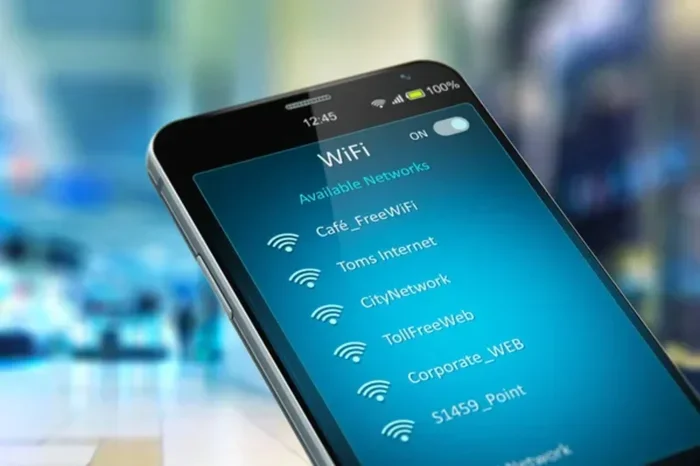
Open Wi-Fi networks are everywhere. Libraries, coffee shops, shopping malls, airports, and hotels often offer free internet. These networks do not require a password, making them easy to join. You can find them using a free Wi-Fi finder app on your phone.
Here are some tips for using open networks safely:
- Always use a VPN to encrypt your data.
- Avoid logging into bank accounts or entering sensitive information.
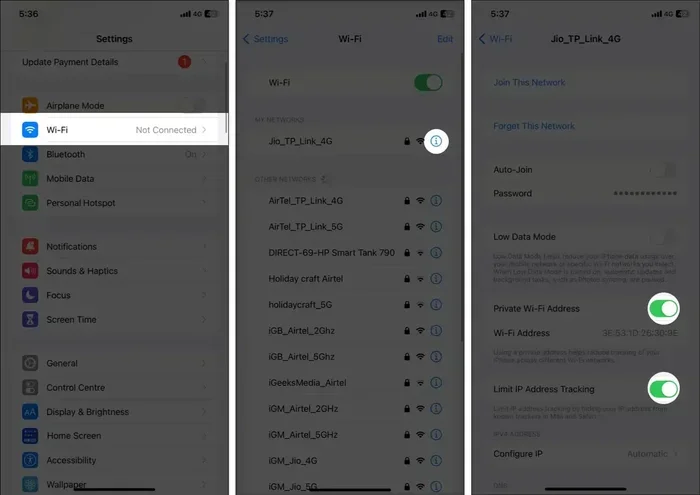
- Turn off file sharing and auto-connect features on your device.
- Forget the network after you are done to prevent automatic reconnection.
Open networks are convenient, but they come with risks. We will cover safety in detail later in this article.
Method 2: Mobile Hotspot Tethering
Tethering means using your phone’s cellular data to create a portable hotspot. Most smartphones let you share your mobile data with laptops, tablets, and other devices. This is one of the easiest ways to bypass Wi-Fi at home or on the road.
To tether your phone, follow these simple steps:
- Go to your phone’s Settings.
- Find the “Hotspot” or “Tethering” option.
- Turn on the portable Wi-Fi hotspot.
- Set a strong password for security.
- Connect your other devices to the new network.
Keep in mind that tethering uses your cellular data allowance. If you have an unlimited plan, this works great. If not, monitor your usage carefully to avoid extra charges.
Method 3: Community and Government Internet Programs
Many cities and organizations offer free internet access points to residents. Programs like Comcast Internet Essentials, AT&T Access, and local library Wi-Fi provide low-cost or free broadband. Some cities have built municipal Wi-Fi networks that are entirely free to use.
Check with your local library or city government to see what programs are available in your area. These services often require simple registration but offer reliable internet without a provider bill.
Method 4: Use Offline-Compatible Apps and Tools
Not all internet use requires a live connection. Many apps let you download content and use it offline. Maps, language courses, e-books, and podcasts are great examples. This approach does not give you full web access, but it keeps you productive.
Some popular offline tools include:
- Google Maps (download offline maps)
- Spotify (download playlists for offline listening)
- Wikipedia (download the full offline database)
- Kindle app (download books to read offline)
- Duolingo (download lessons for practice)
These tools are not a replacement for full internet access, but they are excellent backups when you cannot connect.
Method 5: Portable Wi-Fi Devices and USB Dongles
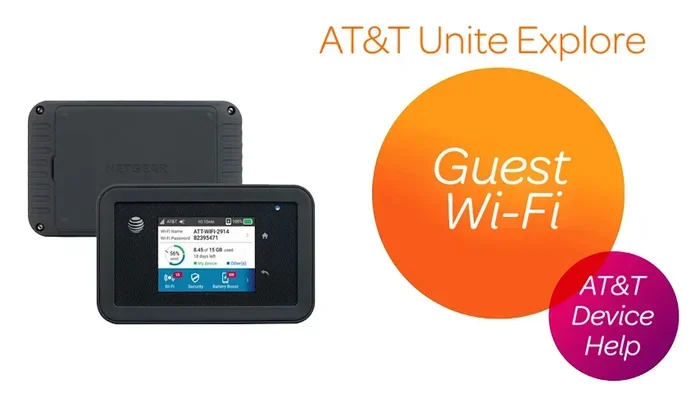
Portable Wi-Fi devices, also called pocket routers or USB dongles, connect to cellular networks and broadcast Wi-Fi signals. These devices work independently of your home broadband. You buy a data plan, insert a SIM card, and you have internet access wherever you go.
Popular options include devices from Netgear, Huawei, and TP-Link. These are especially useful for people who need reliable internet without a home subscription.
Comparison: Free Internet Methods
Not all methods are created equal. Here is a quick comparison to help you choose the right option.
| Method | Cost | Speed | Portability | Safety Level |
|---|---|---|---|---|
| Open Public Wi-Fi | Free | Varies | High | Low (needs VPN) |
| Mobile Hotspot Tethering | Low (uses data plan) | Fast | Very High | Medium |
| Community Programs | Free or Low Cost | Moderate | Low | High |
| Offline Apps and Tools | Free | N/A | Very High | Very High |
| Portable Wi-Fi Devices | Medium (data plan) | Fast | Very High | Medium |
Quick Tips for Safe and Smart Internet Access
No matter which method you choose, safety should always come first. Here are some quick tips to keep in mind:
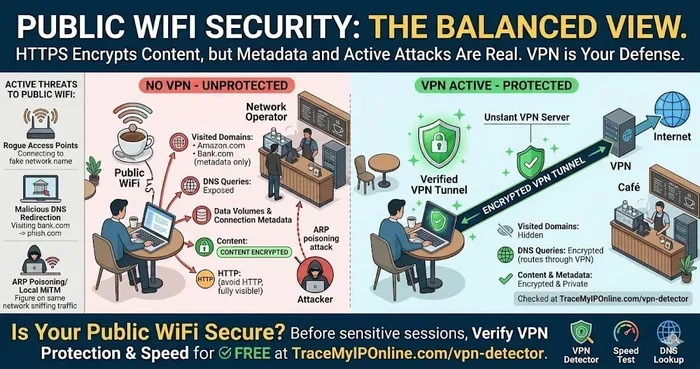
- Use a VPN always. A virtual private network hides your IP address and encrypts your data. This is especially important on public networks.
- Keep your device updated. Software updates patch security vulnerabilities that hackers can exploit.
- Turn off auto-connect. Your phone should not automatically join every open network it finds. This prevents unwanted connections.
- Monitor your data usage. If you are tethering or using a portable device, keep an eye on your data limits.
- Use two-factor authentication. This adds an extra layer of protection to your accounts, even on unsecured networks.
Common Mistakes People Make When Bypassing Wi-Fi
Even with the best intentions, people make mistakes that can cost them time, money, or security. Here are the most common ones to avoid.
Connecting to Fake Hotspots
Hackers sometimes set up fake Wi-Fi networks that look legitimate. They name them things like “Free Airport Wi-Fi” or “Mall Guest Network.” Always verify the exact network name with the venue staff before connecting.
Ignoring Data Limits
Tethering and portable hotspots use your cellular data. If you exceed your limit, you may face slow speeds or extra charges. Set data alerts on your phone to stay informed.
Skipping Security Tools
Many people connect to open networks without a VPN. This leaves your personal data exposed. Always use a reputable VPN service, even on networks that seem trustworthy.
Forgetting About Legal Boundaries
Bypassing your own Wi-Fi password is perfectly fine. But trying to access a neighbor’s network without permission is illegal in most places. Always use networks you have authorization to access.
Relying on One Method Only
No single method works everywhere. The best approach is to have multiple backup options. Carry a portable hotspot device, know where the nearest open networks are, and keep offline tools installed.
Is Bypassing Wi-Fi Legal and Safe?
The Legal Side
Using your own cellular data to create a hotspot is completely legal. Connecting to open public networks that are meant for guests is also legal in most cases. However, hacking into a secured network that belongs to someone else is illegal and can result in serious penalties.
The key difference is authorization. If you have permission to use a network, you are on the right side of the law. If you do not, you are breaking the law, even if the network is unprotected.
The Safety Side
Safety depends on the method you choose. Open public networks are the least safe because anyone can intercept your data. Mobile hotspots and community programs are much safer. Offline tools are the safest of all because they do not transmit data over a network at all.
To stay safe, always use a VPN, keep your software updated, and avoid sharing personal information on public networks. A little caution goes a long way.
Expert Insights on Free Internet Access
We spoke with networking professionals to get their top advice on bypassing Wi-Fi safely and effectively. Here is what they had to say.
Dr. Sarah Chen, Network Security Analyst: “The most important thing people overlook is using a VPN. Even on seemingly safe networks, a VPN adds a critical layer of protection. It is a small investment that pays off enormously.”
Mark Thompson, IT Consultant: “I always recommend my clients carry a portable hotspot device. It is more reliable than hunting for open networks, and it gives you full control over your connection and security settings.”
Lisa Rodriguez, Digital Rights Advocate: “Know your rights. Many cities are building free public Wi-Fi as a public utility. If your area does not have it, advocate for it. Internet access is becoming as essential as water and electricity.”
Final Thoughts: Your Guide to Bypassing Wi-Fi
So, can you bypass Wi-Fi and access free internet today? The answer is a clear yes. You have multiple paths to stay connected without paying for a traditional broadband plan. From open public networks to mobile tethering, portable devices to offline tools, the options are real and accessible.
The key is to choose the method that fits your lifestyle and needs. If you travel often, a portable hotspot is your best bet. If you are on a tight budget, open networks and community programs can save you a lot of money. And if you just need occasional access, offline apps can keep you going between connections.
Always prioritize safety. Use a VPN, verify network names, and respect the law. With the right approach, you can enjoy free internet access without putting your data or your freedom at risk.
Start with one or two methods from this guide. Test them out. See what works best for you. The internet should be accessible to everyone, and now you have the tools to make that happen. Stay connected, stay safe, and enjoy the freedom of bypassing Wi-Fi on your own terms.
Frequently Asked Questions
Is it legal to bypass someone else’s Wi-Fi password?
No, accessing a network without the owner’s permission is illegal in most countries. You should only connect to networks you own or have explicit authorization to use. Stick to open public networks or your own hotspot for safe and legal access.
Can I get free internet at home without a provider?
Yes, you can explore community programs, municipal Wi-Fi, and government assistance plans. Some internet service providers also offer low-cost plans for qualifying households. Check with local libraries and community centers for free access points near you.
Do I need special equipment to bypass Wi-Fi?
Not necessarily. Your smartphone can act as a portable hotspot with just a cellular data plan. For better results, a portable Wi-Fi device or USB dongle can provide stronger and more reliable connections. However, a computer or phone with Wi-Fi capability is the only essential tool.
How can I stay safe on open public Wi-Fi networks?
Always use a VPN to encrypt your data. Avoid logging into sensitive accounts like banking or email on open networks. Turn off file sharing, forget the network after use, and keep your device’s security software up to date. These simple steps dramatically reduce your risk.
What is the fastest way to get free internet?
Mobile hotspot tethering is usually the fastest option because it uses your cellular data network, which is often faster than public Wi-Fi. If your data plan allows tethering, this is the quickest way to get a strong, reliable connection without a home broadband plan.
Are there apps that help find free Wi-Fi near me?
Yes, apps like Wi-Fi Map, Free Wi-Fi Finder, and Avast Wi-Fi Finder show nearby open networks. These apps are available for both Android and iOS devices. They can help you locate free Wi-Fi hotspots quickly and easily wherever you are.