Can I Play Movies From Usb On Tesla A Complete Guide
Yes, you can play movies from USB on Tesla! Tesla vehicles support USB movie playback on most models, including the Model 3, Model S, Model X, and Model Y. You just need the right file format, a properly formatted drive, and a few simple steps. This guide covers everything from supported video types to troubleshooting common issues.
This is a comprehensive guide about Can I Play Movies From Usb On Tesla.
Key Takeaways
- USB movie playback works on Tesla: Most Tesla models let you watch movies directly from a USB drive through the touchscreen.
- File format matters a lot: MP4 and MKV are the most widely supported formats for Tesla USB movie playback.
- Proper formatting is essential: Your USB drive should be formatted as FAT32 or exFAT for best compatibility.
- Folder structure helps: Organizing movies into folders makes browsing easier on the Tesla display.
- Not all Tesla models are equal: Newer models and software updates offer broader format support and smoother playback.
- Common issues are fixable: Most USB playback problems can be solved with simple steps like reformatting or updating software.
[FEATURED_IMAGE_PLACEHOLDER]
Can I Play Movies From USB On Tesla? The short answer is yes. Tesla vehicles come with a built-in media player that supports USB drives. You can plug in a flash drive or external hard drive and watch movies right on the big center touchscreen. It is one of the best features for road trips, camping trips, or just relaxing at a Tesla Supercharger station. But there are a few things you need to know first. Not every file type works. Not every USB drive is compatible. And not every Tesla model handles media the same way. In this complete guide, we walk you through everything you need to set up USB movie playback on your Tesla. We cover supported formats, step-by-step instructions, troubleshooting tips, and expert recommendations. Whether you own a Model 3, Model S, Model X, or Model Y, this guide has you covered. Let us get into it.
The idea of watching movies from a USB drive on Tesla is simple in concept. You copy video files onto a drive, plug it in, and press play. But behind the scenes, things get a little more technical. Tesla uses a custom media player that reads specific video and audio codecs. The USB port itself connects to the Tesla infotainment system, which is powered by an internal computing unit. This system handles decoding video files in real time. Understanding how this works helps you avoid frustration when something does not play.
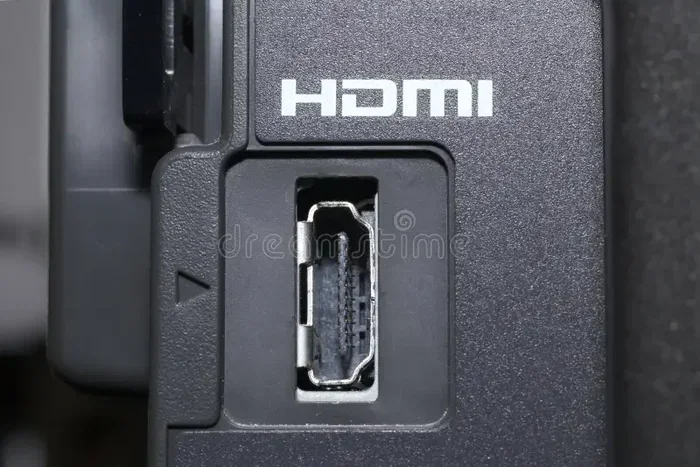
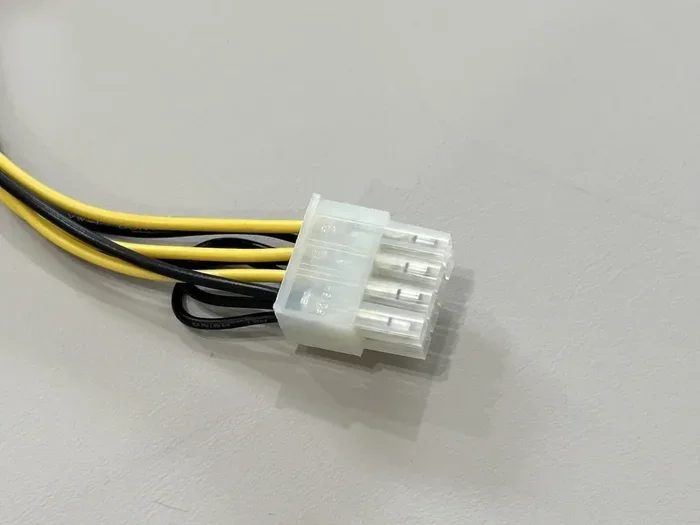
Inside the Tesla entertainment system, there are hardware components that handle media input and output. The USB port acts as the physical bridge between your drive and the car’s processor. The processor then decodes the video signal and sends it to the display. This is similar to how any computer reads media from an external device. The difference is that Tesla optimizes this process for in-car use. It balances performance with power efficiency. So the hardware inside matters just as much as the files you put on the drive.
The Tesla infotainment system has evolved significantly over the years. Early models had more limited media support. Newer vehicles and over-the-air software updates have expanded compatibility. This means your Tesla might handle USB media differently depending on its model year and software version. Always keep your Tesla software updated for the best media experience.
Now let us talk about what you actually need to make USB movie playback work on Tesla. The good news is you do not need expensive equipment. A standard USB flash drive works fine in most cases. But there are specific requirements you should follow to avoid problems.
First, you need a USB drive. Any standard flash drive will do. A drive with 32GB to 128GB of storage is ideal for most movie collections. Solid-state drives (SSDs) also work well and offer faster read speeds. This can help with smoother playback, especially for high-resolution files.
Second, you need to format the drive correctly. Tesla supports two main file systems. FAT32 is the most widely compatible. It works on almost every Tesla model. The downside is FAT32 has a 4GB file size limit. This means no single movie file can exceed 4GB. If you have larger files, use exFAT format instead. exFAT supports bigger files and still works on most Tesla models. You can format your drive using your computer. On Windows, right-click the drive, select Format, and choose FAT32 or exFAT. On Mac, use Disk Utility to erase the drive with the exFAT format.
Third, you need movies in a compatible format. Tesla supports several video formats natively. MP4 is the most reliable and widely supported format. MKV files also work on most Tesla models. AVI files may work but are less consistent. The codec inside the file matters just as much as the file extension. H.264 video codec is the safest choice for Tesla playback. For audio, AAC is the most compatible codec.
Here is a quick list of the best formats for Tesla USB movie playback:
- MP4 with H.264 video and AAC audio
- MKV with H.264 video and AAC audio
- AVI with MPEG-4 video (less reliable)
- MOV files may work on newer Tesla models
If your movies are in a format Tesla does not support, you can convert them. Free tools like HandBrake make this easy. You just load your file, choose the MP4 output, and start the conversion. It takes a little time but solves compatibility issues completely.
Let us walk through the actual steps to play movies from USB on Tesla. The process is straightforward once you have everything ready.
Step 1: Format your USB drive. As mentioned above, use FAT32 or exFAT. This ensures Tesla can read the drive properly.
Step 2: Copy your movie files to the drive. Do not just dump everything in one folder. Create a folder structure that makes browsing easier. For example, create a main folder called Movies. Inside that, make subfolders by genre or movie title.
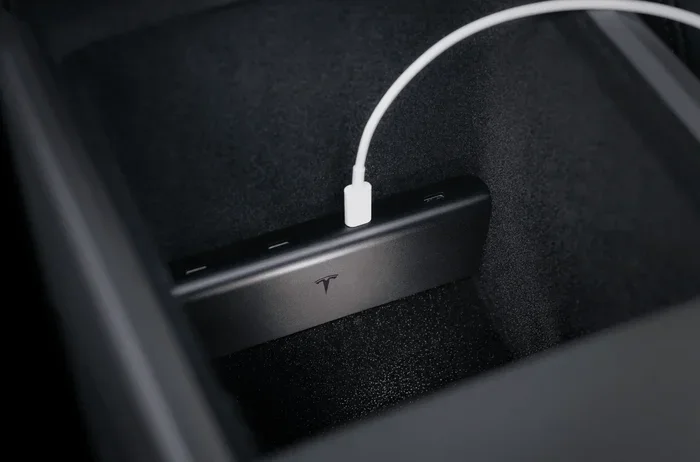
Step 3: Plug the USB drive into the Tesla port. Most Tesla models have USB ports in the center console. Some models also have ports in the rear cargo area. Insert the drive firmly until it clicks.
Step 4: On the Tesla touchscreen, tap the media icon. This looks like a play button or a music note depending on your Tesla software version.
Step 5: Navigate to the USB drive. It should appear as a source option. Tap on it to browse your files.
Step 6: Select the movie you want to watch. Tap on the file and press play. The movie should start playing on the center screen.
That is it. The whole process takes less than a minute once you have done it a few times.
Here are some pro tips to make your Tesla USB movie experience even better:
- Use short file names: Tesla’s media browser sometimes struggles with very long file names. Keep names under 30 characters for best results.
- Avoid special characters: Do not use symbols like @, #, or & in file or folder names. Stick to letters, numbers, and underscores.
- Convert files before your trip: Do not try to convert files while on the road. Do all your prep at home.
- Use a powered USB hub: If you are using an external hard drive, a powered hub ensures stable power delivery.
- Test before you go: Always test your USB drive in the Tesla before a long trip. This avoids surprises on the road.
Now let us compare how USB movie playback works across different Tesla models. The experience varies depending on which Tesla you own.
| Feature | Model 3 | Model S | Model X | Model Y |
|---|---|---|---|---|
| USB Movie Support | Yes | Yes | Yes | Yes |
| Supported Formats | MP4, MKV | MP4, MKV, AVI | MP4, MKV | MP4, MKV |
| Max File Size (FAT32) | 4GB | 4GB | 4GB | 4GB |
| Screen Resolution | 1080p | 1080p | 1080p | 1080p |
| Audio Output | Speakers + Subwoofer | Speakers + Subwoofer | Speakers + Subwoofer | Speakers + Subwoofer |
| Rear Seat Screens | No | Optional | Optional | No |
Newer Tesla models with the latest software updates tend to support more formats. If you have an older model, updating your software can sometimes add new format support. Always check for software updates in your Tesla settings.
One thing to note is that Tesla’s USB movie playback is designed for passenger entertainment. The driver cannot watch movies while the car is in motion. This is a safety feature. Passengers can watch freely when the car is parked or in park. Some Tesla owners use third-party apps to expand media options. But those are separate from the native USB playback feature.
Even with proper preparation, you might run into issues. Here are the most common problems and how to fix them.
USB Drive Not Recognized
If Tesla does not detect your USB drive, try these steps. First, remove the drive and reinsert it firmly. Sometimes the connection is loose. Second, check that the drive is formatted correctly. FAT32 is the safest option. Third, try a different USB port. Some Tesla models have multiple ports with different capabilities.
Movie Won’t Play
If a specific movie file will not play, the format is likely the issue. Convert the file to MP4 with H.264 encoding. You can use HandBrake or similar free tools. Also check that the file is not corrupted. Try playing it on your computer first to confirm it works.
Poor Video Quality or Lag
If the video stutters or looks choppy, the file might be too large or high-resolution for smooth playback. Try converting to a lower resolution like 720p. Also check that your USB drive is not a slow, older model. A faster drive with good read speeds helps with smoother playback.
Audio and Video Out of Sync
This is rare but can happen with certain MKV files. The audio codec might not be fully supported. Re-encode the file to MP4 with standard AAC audio to fix this issue.
File Names Displaying Incorrectly
Tesla’s media player sometimes has trouble with special characters in file names. Rename your files using only basic Latin characters. Avoid accented letters, Chinese characters, or symbols.
Most of these issues come down to file format and drive compatibility. Take the time to prepare your files properly, and you will have a smooth experience.
The Tesla entertainment system has come a long way. Tesla has continuously improved media support through over-the-air updates. The USB port in your Tesla serves multiple purposes. It charges your phone, plays music, and yes, plays movies. The system uses a built-in media player that is designed to be simple and intuitive.
Tesla’s approach to in-car entertainment is unique. Unlike traditional car stereos, the Tesla system is essentially a computer. It runs on software that can be updated remotely. This means your media capabilities can improve over time without any hardware changes. The USB port connects to this system through a controller that manages data transfer and device recognition.
For those who love road trips, USB movie playback is a game changer. Long drives with kids or travel companions become much more enjoyable. You can load up a drive with movies, TV shows, and even offline YouTube downloads. The Tesla center screen provides a surprisingly good viewing experience. The display is bright and clear, even in direct sunlight.
Some Tesla owners also connect their phones via USB for media. This works but is less convenient than using a dedicated drive. A USB drive gives you more storage space and does not depend on your phone battery. It also keeps your phone free for navigation and communication.
If you are new to Tesla or new to watching movies from USB, here are a few quick tips that experienced Tesla owners swear by.
- Keep a dedicated movie drive: Have one USB drive just for movies. This keeps it organized and always ready.
- Use a drive with a LED indicator: This lets you see when the drive is being read. It helps confirm the connection is working.
- Label your drive: Put a simple label on the drive so you always know which one is the movie drive.
- Store the drive in the glove box: This keeps it safe and easy to find when you need it.
- Update Tesla software regularly: New updates often improve media compatibility and performance.
These small habits make a big difference over time. They save you from headaches and ensure every trip is entertaining.
To wrap it up, playing movies from USB on Tesla is absolutely possible and incredibly convenient. You just need a properly formatted USB drive, compatible video files, and a few minutes of setup. Most Tesla models support MP4 and MKV formats natively. FAT32 or exFAT formatting keeps your drive compatible across different vehicles. The process is simple: plug in, browse, and play. If you run into issues, the troubleshooting tips in this guide should help you resolve them quickly. With the right preparation, USB movie playback becomes one of the best features of owning a Tesla. It turns every road trip into an entertainment experience. So go ahead, load up your drive, and enjoy the show.
Frequently Asked Questions
Can I play MKV files from USB on Tesla?
Yes, most Tesla models support MKV files natively. MKV files with H.264 video codec and AAC audio work best. If an MKV file does not play, try converting it to MP4 using a free tool like HandBrake.
What USB format does Tesla support for movies?
Tesla supports FAT32 and exFAT formats. FAT32 is the most compatible across all models. exFAT is better if you have individual movie files larger than 4GB. Format your drive before adding movie files to ensure proper recognition.
Can the driver watch movies from USB while driving?
No. Tesla disables video playback on the center screen while the car is in motion. This is a safety feature. Passengers can watch movies freely when the vehicle is parked or in park mode.
Do I need a special USB drive for Tesla movie playback?
No special drive is required. A standard USB flash drive works perfectly. For best results, use a drive with solid-state storage and fast read speeds. A 32GB to 128GB drive is ideal for most movie collections.
Why is my Tesla not recognizing my USB drive?
This usually happens when the drive is not formatted correctly or has an incompatible file system. Try reformatting the drive to FAT32. Also make sure the drive is not too large. Older Tesla models work best with drives under 256GB. Reinsert the drive firmly and try a different USB port if needed.
Can I watch downloaded Netflix or YouTube videos from USB on Tesla?
Yes, you can watch downloaded videos from USB on Tesla as long as they are in a compatible format like MP4. Netflix and YouTube downloads are typically in MP4 format. Make sure the files are not DRM-protected, as Tesla cannot play DRM-restricted content from USB drives.
Frequently Asked Questions
What is Can I Play Movies From Usb On Tesla?
Can I Play Movies From Usb On Tesla is an important topic with many practical applications.