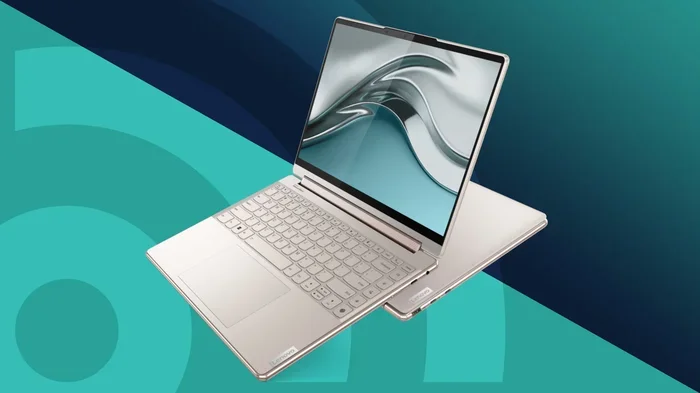
Are Laptops Getting Lighter and More Powerful Today
Yes, laptops are getting lighter and more powerful than ever before. Modern lightweight laptops now weigh under 3 pounds while delivering desktop-grade laptop performance. From ultrabooks to thin and light laptops, manufacturers have revolutionized portable computer design using advanced materials and efficient processors.
There was a time when a powerful portable computer meant carrying a brick on your shoulder. Those heavy machines were bulky, loud, and drained their batteries in hours. But today, the landscape has shifted dramatically. Are laptops getting lighter? The short answer is a resounding yes. And they are not just lighter — they are also more powerful than the machines that came before them.
The evolution of the lightweight laptop tells a fascinating story of engineering breakthroughs, material science innovations, and consumer demand. People want devices they can carry all day without feeling exhausted. They want slim machines that do not sacrifice laptop performance. Manufacturers have listened. The result is a new generation of thin and light laptops that genuinely change how we work, create, and play on the go.
In this article, we will explore why laptops are shedding weight, what makes them faster despite their smaller size, and what the future holds for laptop portability. Whether you are a student, a professional, or a gamer, understanding these trends helps you make smarter buying decisions.
Key Takeaways
- Lighter Materials: Carbon fiber, magnesium alloy, and aluminum have replaced heavy traditional chassis designs.
- More Power in Less Weight: Modern processors and chipsets deliver incredible laptop performance without adding bulk.
- Battery Technology Advances: New battery tech means laptop battery life keeps improving even as devices shrink.
- Gaming Laptops Are Lighter Too: The gaming laptop weight has dropped significantly in recent years.
- Display Innovation: Thinner screens and OLED panels help reduce overall laptop weight comparison numbers.
- Future Outlook: Laptops will keep getting lighter as manufacturers push the boundaries of laptop portability.
📑 Table of Contents
- The Evolution of Laptop Weight Over the Years
- What Makes Modern Laptops So Light
- How Laptops Got More Powerful While Staying Light
- The Rise of the Ultra-Portable Laptop Category
- Gaming Laptops: Getting Lighter Too
- Quick Tips for Choosing a Lightweight Laptop
- Expert Insights on the Future of Lightweight Computing
- Laptop Weight Comparison: Then vs. Now
- Key Takeaways
- Conclusion
The Evolution of Laptop Weight Over the Years
To appreciate how far we have come, it helps to look back. A typical laptop from the early 2000s weighed anywhere between 5 and 8 pounds. Some gaming models tipped the scales at 10 pounds or more. Carrying one of those around all day was a workout in itself.
Early Laptops: Heavy but Revolutionary
The first portable computers were groundbreaking. Nobody cared that they weighed 10 pounds because they were portable at all. But as technology matured, consumers started expecting lighter devices without losing capability. This demand drove the entire industry forward.
By the mid-2010s, the ultrabook category emerged. These machines weighed between 2 and 3 pounds. They used aluminum chassis and energy-efficient processors. The ultrabook weight became a major selling point. Brands like Apple, Dell, and Lenovo competed fiercely to offer the lightest notebook computer on the market.
The Modern Era: Under 3 Pounds
Today, many lightweight laptops weigh between 2 and 3 pounds. Some ultra-portable models even drop below 2 pounds. The MacBook Air, Dell XPS 13, and Lenovo ThinkPad X1 Carbon are perfect examples. These machines prove that you do not need to choose between weight and power anymore.
The laptop weight comparison numbers tell a clear story. Over the past two decades, average laptop weight has dropped by nearly 50%. And this trend shows no signs of slowing down.
What Makes Modern Laptops So Light
The answer lies in materials, engineering, and component miniaturization. Let us break down the key factors that make today’s lightweight laptops so impressively slim.
Advanced Chassis Materials
Gone are the days of heavy plastic shells. Modern laptop chassis designs rely on premium materials:
- Carbon Fiber: Extremely strong and incredibly light. High-end ultrabooks use carbon fiber extensively.
- Magnesium Alloy: Lighter than aluminum but just as durable. Many business laptops now use magnesium frames.
- Aluminum: Still a popular choice. It offers a great balance of weight, strength, and premium feel.
- Titanium: Used in the most premium models. It is strong, light, and resistant to heat.
These materials replace the old steel and heavy plastic frames. The result is a laptop chassis that weighs a fraction of what it used to.
Smaller and More Efficient Components
Another big reason are laptops getting lighter has to do with component size. Processors have shrunk dramatically. Memory modules are smaller. Solid-state drives replaced traditional hard drives, saving both weight and space.
Modern laptop processor efficiency means chips generate less heat. This allows manufacturers to use thinner cooling systems. Smaller fans, thinner heat pipes, and compact heat sinks all add up to a lighter machine.
Integrated and Compact Design
Today’s laptops integrate components tightly. The motherboard, battery, and display assembly work together as a single unit. This integrated approach eliminates wasted space and unnecessary weight. Every gram matters when you are designing a thin and light laptop.
How Laptops Got More Powerful While Staying Light
Here is the amazing part. Laptops are not just getting lighter. They are also getting faster. This seems contradictory, but it is not. Let us explore how manufacturers pack serious laptop performance into featherweight machines.
Efficient Processors
Intel and AMD have made incredible strides in chip efficiency. Modern processors use advanced architectures that deliver more performance per watt. This means a laptop can run fast without needing a massive cooling system or heavy battery.
Apple’s M-series chips are a perfect example. These processors deliver desktop-class performance in a lightweight body. They use a fraction of the power that older chips consumed. The result is a machine that is both light and powerful.
Better Battery Technology
You might wonder: how do lightweight laptops maintain good laptop battery life with smaller batteries? The answer is efficiency. Newer battery chemistries store more energy in less space. Combined with efficient processors, modern laptops can last 10 to 15 hours on a single charge.
Lithium-polymer batteries have replaced older nickel-based cells. They are thinner, lighter, and hold more charge. This technology is a key reason laptop portability has improved so much.
Smarter Software Optimization
Software also plays a role. Operating systems have become better at managing resources. They adjust power usage dynamically. Background tasks get prioritized efficiently. This software optimization means a lightweight laptop feels snappy and responsive all day long.
The Rise of the Ultra-Portable Laptop Category
The market has responded to consumer demand by creating a whole new category: the ultra-portable laptop. These machines prioritize weight above almost everything else.
What Defines an Ultra-Portable?
An ultra-portable typically weighs under 3 pounds. It has a screen size between 13 and 14 inches. It sacrifices some ports and features to achieve its light weight. But for most users, the trade-off is worth it.
Popular ultra-portable models include the MacBook Air, the Asus ZenBook series, and the HP Spectre x360. These machines prove that you can have a portable computer that weighs less than a textbook.
Who Benefits Most from Lightweight Laptops?
Several groups of users benefit significantly from the trend toward lighter devices:
- Students: Carrying a laptop across campus all day is much easier at 2.5 pounds than at 5 pounds.
- Business Travelers: Frequent flyers appreciate every ounce they can save in their carry-on bags.
- Freelancers and Remote Workers: Working from cafes, co-working spaces, and airports is more comfortable with a light machine.
- Creatives: Photographers, designers, and videographers need portable power without the bulk.
Gaming Laptops: Getting Lighter Too
For years, gaming laptops were the opposite of light. They were heavy, thick, and bulky. But the gaming laptop weight has dropped significantly in recent years. Modern gaming models now weigh between 4 and 6 pounds, compared to 8 to 10 pounds just a few years ago.
Why Did Gaming Laptops Get Lighter?
Several factors contribute to this shift:
- Smaller Graphics Cards: GPU manufacturers now make compact versions of their high-end chips.
- Efficient Cooling: Vapor chamber cooling replaces bulky fan setups. This saves both weight and space.
- Lighter Battery Packs: Better battery technology means manufacturers can use smaller packs without sacrificing runtime.
- Thinner Displays: Modern screens are slimmer, which reduces the overall profile of the machine.
Brands like Razer, Asus ROG, and Lenovo Legion now offer gaming laptops that are surprisingly portable. You can game at a high level without hauling a heavy machine everywhere.
Quick Tips for Choosing a Lightweight Laptop
Shopping for a lightweight laptop can be overwhelming. There are so many options, and the numbers can be confusing. Here are some quick tips to guide your decision:
- Check the Weight Yourself: Marketing numbers can be misleading. Always look at the actual weight in pounds or kilograms.
- Consider Your Needs: Do you need raw power or basic productivity? Your usage determines the right balance of weight and performance.
- Look at Battery Life: A light laptop with poor battery life will leave you searching for an outlet. Aim for at least 8 hours of real-world usage.
- Test the Build Quality: Light does not mean flimsy. Check reviews for durability and build quality information.
- Compare Laptop Specs Carefully: Processor generation, RAM, and storage all affect how well a lightweight laptop performs.
Common Mistakes to Avoid
Here are some pitfalls to watch out for when buying a lightweight laptop:
- Ignoring Thermals: A very thin laptop may throttle under heavy load. Check reviews for thermal performance.
- Skipping the Keyboard: Lightweight laptops sometimes have cramped keyboards. Type on one before you buy.
- Overlooking Ports: Many slim laptops have fewer ports. Make sure it has the connections you need.
- Chasing the Lightest Option: The absolute lightest laptop may not be the best for your needs. Find the right balance.
Expert Insights on the Future of Lightweight Computing
Industry experts believe the trend toward lighter laptops will continue accelerating. Several developments are on the horizon.
Advanced Materials: Researchers are developing new alloys and composites that are even lighter than current options. Graphene, for example, is incredibly strong and featherlight. It could revolutionize laptop chassis design in the coming years.
Foldable and Rollable Screens: Flexible display technology may allow laptops to fold into even smaller form factors. Imagine a device that unfolds into a full-sized laptop but rolls up for storage.
AI-Driven Optimization: Artificial intelligence will help laptops manage power, performance, and cooling more efficiently. This means even lighter machines can deliver maximum performance when needed.
Cloud Computing: As more computing moves to the cloud, local hardware requirements decrease. This trend could allow laptops to become even lighter and thinner without sacrificing capability.
According to industry analysts, the average weight of a mainstream laptop could drop below 2.5 pounds within the next five years. The era of the heavy portable computer is fading fast.
Laptop Weight Comparison: Then vs. Now
Looking at the numbers helps put the progress in perspective. Here is a simple comparison of popular laptop categories over time.
| Category | Average Weight (2005) | Average Weight (2024) | Weight Reduction |
|---|---|---|---|
| Standard Laptop | 5.5 lbs | 3.2 lbs | 42% lighter |
| Ultrabook | 3.5 lbs | 2.4 lbs | 31% lighter |
| Gaming Laptop | 9.0 lbs | 5.5 lbs | 39% lighter |
| Ultra-Portable | 4.0 lbs | 2.2 lbs | 45% lighter |
The numbers speak for themselves. Are laptops getting lighter? The data confirms it clearly. Every year, new models push the boundaries of what is possible in a lightweight design.
Key Takeaways
- The trend toward lighter laptops shows no signs of stopping. Manufacturers continue to innovate with new materials and designs.
- Lightweight laptops today deliver excellent performance. You no longer need to sacrifice speed for portability.
- Battery technology and efficient processors are the twin engines driving the lightweight revolution forward.
- Gaming laptops have also gotten significantly lighter, making portable gaming more practical than ever.
- Future innovations like graphene chassis, foldable screens, and AI optimization will push laptops even lighter.
Conclusion
The answer to are laptops getting lighter is a clear and definitive yes. Over the past two decades, the industry has transformed heavy portable computers into sleek, powerful machines that weigh almost nothing. From carbon fiber chassis to efficient processors, every component has been reimagined with weight reduction in mind.
Today’s lightweight laptops offer desktop-class laptop performance in bodies that weigh under 3 pounds. Whether you are a student, a professional, or a gamer, there has never been a better time to invest in a thin and light laptop. The technology has caught up with what we always wanted: a powerful machine that is easy to carry everywhere.
As we look ahead, the future of laptop portability is even more exciting. New materials, smarter engineering, and innovative designs will continue pushing the boundaries. The lightweight revolution is just getting started. So the next time someone asks you are laptops getting lighter and more powerful today, you can confidently say yes — and show them the numbers to prove it.
Frequently Asked Questions
Why are modern laptops lighter than older models?
Modern laptops use advanced materials like carbon fiber, magnesium alloy, and aluminum instead of heavy plastic and steel. Processors and components have also shrunk significantly, reducing overall weight without sacrificing performance.
Does a lighter laptop mean less performance?
Not anymore. Thanks to efficient processors, better battery technology, and smart software optimization, lightweight laptops now deliver impressive performance. Many ultrabooks match or exceed the speed of heavier machines from just a few years ago.
What is the lightest laptop available today?
Several ultra-portable models weigh under 2 pounds. The MacBook Air, LG Gram, and various Lenovo ThinkPad models are among the lightest options currently available. The exact lightest model changes as new releases come out.
Are gaming laptops still heavy compared to regular laptops?
Gaming laptops are still heavier than ultrabooks, but they have gotten significantly lighter. Modern gaming models weigh between 4 and 6 pounds, compared to 8 to 10 pounds in the past. The gap continues to narrow as manufacturers adopt lighter components.
How does battery size affect laptop weight?
Batteries are one of the heaviest components in any laptop. However, new lithium-polymer and solid-state battery technologies store more energy in less space. This means manufacturers can use smaller, lighter batteries while maintaining or even improving battery life.
Will laptops continue to get lighter in the future?
Yes, the trend toward lighter laptops is expected to continue. Advances in materials science, chip efficiency, and battery technology will drive further weight reductions. Industry analysts predict mainstream laptops could average under 2.5 pounds within the next five years.