Does Airplane Wi Fi Cost Money or Is It Really Free
The answer is: it depends. Some airlines charge for airplane Wi-Fi while others offer it completely free. In-flight internet pricing varies widely, and understanding how it works can save you money and frustration. This guide breaks down the real costs, free options, and practical tips so you always know what to expect when you fly.
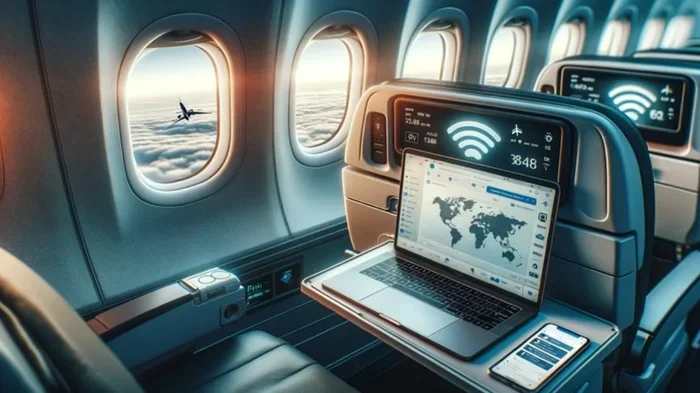
You settle into your airplane seat, fasten your seatbelt, and immediately pull out your phone or laptop. The first thing you do? Check for Wi-Fi. Whether you need to finish work, stream a movie, or just text your family, staying connected at 35,000 feet feels essential nowadays.
But here is the big question most travelers ask: does airplane Wi-Fi cost money? The short answer is sometimes it does and sometimes it does not. Airlines handle in-flight internet in very different ways, and the pricing can surprise you. Some carriers charge a flat fee while others bundle Wi-Fi into their ticket price. A few even offer unlimited free access to everyone on board.
In this guide, we will break down everything you need to know about airplane Wi-Fi pricing. You will learn how the technology works, which airlines charge and which do not, and what you can do to save money. By the end, you will feel confident about your next flight and your internet options.
Key Takeaways
- Not all airplane Wi-Fi is free: many airlines charge between $5 and $50+ per flight for internet access.
- Some airlines offer free Wi-Fi: JetBlue, Alaska Airlines, and a few others provide complimentary in-flight internet on select routes.
- Wi-Fi speed varies a lot: satellite-based connections tend to be slower than newer systems, especially during peak hours.
- Buying a monthly plan can save money: frequent flyers should consider subscription options from providers like Gogo or Viasat.
- Free Wi-Fi away from home is also a topic: if you are looking for connectivity on the ground, check out whether you can connect to Xfinity Wi-Fi away from home.
📑 Table of Contents
How Airplane Wi-Fi Actually Works
Before diving into costs, it helps to understand the basics of how airplane Wi-Fi functions. The technology is quite different from what you use at home or in a coffee shop. When you connect to Wi-Fi on a plane, your device sends a signal to a router on the aircraft. That router then communicates with either ground-based towers or satellites orbiting Earth.
Ground-Based Systems
Some airlines use ground-based networks. As the plane flies, it connects to a series of cell towers on the ground. This method works well over land but struggles over oceans or remote areas. Ground systems tend to offer faster speeds at lower altitudes. The provider Gogo has been a major player in this space for years.
Satellite-Based Systems
Other airlines rely on satellite connections. The plane sends and receives signals through satellites in space. This method covers oceans, deserts, and polar routes where ground towers cannot reach. Satellite Wi-Fi has improved a lot in recent years. Providers like Viasat now offer faster speeds that support streaming and video calls.
Both systems have pros and cons. Ground-based Wi-Fi is often cheaper to provide, which is why some airlines can offer it for free. Satellite systems cost more to maintain, so airlines pass those costs on to passengers. Understanding this difference helps explain why airplane Wi-Fi pricing varies so much from one carrier to another.
The Real Cost of Airplane Wi-Fi
So how much does airplane Wi-Fi actually cost? The answer depends on the airline, the route, and the type of connection. Let us look at the common pricing models you will encounter.
Free Wi-Fi
A growing number of airlines now offer free Wi-Fi. JetBlue was one of the first major carriers to make free airplane Wi-Fi standard across its fleet. Alaska Airlines followed suit on many domestic routes. Southwest Airlines has also been rolling out free access for its Rapid Rewards members and gradually for all passengers.
When Wi-Fi is free, it is usually limited to basic browsing and messaging. Streaming video or large file downloads may still be restricted. But for checking emails, scrolling social media, or sending messages, free Wi-Fi works just fine.
Pay-Per-Use Plans
Many airlines still charge for internet access. The most common pricing tiers are:
- Basic browsing: $5 to $10 for a single flight. This tier usually supports email, messaging, and light web browsing.
- Streaming capable: $10 to $20. This plan offers enough speed for video streaming and video calls.
- Full-speed or unlimited: $20 to $50+. Premium plans give you the fastest speeds and fewest restrictions.
Prices can vary by flight length and route. A short domestic hop might cost less than a long-haul international flight. Some airlines charge more for premium tiers and less for basic access. Always check the airline’s website before you fly so there are no surprises.
Subscription Plans
Frequent flyers can save money with subscription plans. Companies like Gogo and Viasat offer monthly or annual passes that work across multiple airlines. A monthly pass typically costs around $50 to $60. If you fly more than a few times a month, a subscription can pay for itself quickly.
Some airline loyalty programs also include free or discounted Wi-Fi as a perk. For example, Delta SkyMiles Medallion members get complimentary Wi-Fi on select flights. Checking your loyalty benefits before booking can help you avoid extra charges.
Airlines That Offer Free Wi-Fi
If free in-flight internet matters to you, your choice of airline makes a big difference. Here is a closer look at carriers known for offering complimentary Wi-Fi.
JetBlue
JetBlue stands out as a leader in free airplane Wi-Fi. The airline uses Viasat satellite technology to deliver fast, reliable connections at no extra cost. Every passenger on every JetBlue flight gets access to free internet. This policy has made JetBlue a favorite among digital nomads and frequent travelers.
Alaska Airlines
Alaska Airlines offers free Wi-Fi on most of its flights. The carrier uses a mix of ground and satellite systems depending on the route. Passengers can browse, stream, and message without paying a dime. Alaska has been steadily expanding its free Wi-Fi coverage to more aircraft.
Southwest Airlines
Southwest has been transitioning to free Wi-Fi for all passengers. The rollout is still in progress, but many Southwest flights now include complimentary internet access. Rapid Rewards elite members have enjoyed free Wi-Fi for years, and the airline is expanding this benefit to everyone.
When choosing an airline, always double-check the current Wi-Fi policy. Airlines update their offerings regularly, and what was free last year might have changed. The inflight connectivity landscape is evolving fast, and more carriers are moving toward free models.
Can You Boost Wi-Fi Signals at Home?
If you find that Wi-Fi signal strength is a problem on the ground, you might wonder about boosters. Some travelers invest in a Wi-Fi booster to improve their home network. While a booster does not help on a plane, it can make a big difference for your everyday internet experience. Check out whether you can buy a Wi-Fi booster to strengthen your home signal before your next trip.
Tips to Save Money on Airplane Wi-Fi
Paying for in-flight internet adds up fast, especially for frequent travelers. Here are some practical tips to keep your costs down.
1. Check for Free Options First
Before you buy any Wi-Fi package, check if your airline offers free access. Many carriers now provide at least basic browsing at no charge. Signing up for a frequent flyer program can also unlock complimentary Wi-Fi as a membership benefit.
2. Use Offline Mode
Download movies, shows, and music before you board the plane. Most streaming services let you download content for offline viewing. This way, you do not need Wi-Fi at all for entertainment during your flight.
3. Buy a Subscription
If you fly often, a monthly or annual Wi-Fi subscription is the smartest move. Providers like Gogo and Viasat offer plans that cover multiple airlines. Compare the cost of individual flight charges against a subscription to see which saves you more.
4. Use Messaging Apps
Many airlines now offer free messaging through apps like iMessage, WhatsApp, and Facebook Messenger. Even if full internet access costs money, you may still be able to send text messages at no extra charge. This is a great way to stay connected without paying for a full data plan.
5. Ask About Promotional Codes
Airlines sometimes offer promotional codes for free or discounted Wi-Fi. Follow your airline on social media or sign up for their email list. You might score a free pass or a significant discount on your next flight.
6. Consider Wi-Fi Extenders for Ground Use
If you struggle with weak Wi-Fi signals at home or in the office, an extender can help. You might wonder if you can get an extension on your Wi-Fi to cover dead zones. The answer is yes, and a quality extender can improve your ground-level connection before and after flights.
For those who travel frequently and need reliable connectivity, understanding your options makes a real difference. Whether you are looking for inflight internet or better home coverage, knowing what is available helps you make smarter choices.
What to Expect From Airplane Wi-Fi Speed
Speed is one of the biggest concerns for passengers using airplane Wi-Fi. The experience is very different from what you get at home or in a café. Here is what you should realistically expect.
Free or basic browsing plans usually offer speeds between 1 and 10 Mbps. That is enough for email, messaging, and light web browsing. Streaming video on these plans will likely buffer or fail entirely.
Premium plans with satellite connections can deliver speeds of 20 Mbps or more. These are good enough for HD streaming and video calls. However, speeds can drop during peak travel times when many passengers are online at once. Morning flights and popular routes tend to have more users, which can slow things down.
Ground-based systems generally offer faster speeds than satellite connections but have limited coverage. You will get the best experience on flights over land during off-peak hours. If you need reliable speed for work, try to book flights during less crowded times.
Can Weather Affect Wi-Fi on Planes?
You might wonder if weather conditions impact airplane Wi-Fi. The short answer is yes, but not in the way you might think. Heavy rain and storms can interfere with satellite signals. However, modern systems handle weather interference much better than older ones. Most passengers will not notice a significant difference during mild weather.
Interestingly, some people worry about environmental factors affecting their home Wi-Fi too. For instance, can humidity affect a Wi-Fi signal in your home? The answer is yes, high humidity can weaken wireless signals. This is a good reminder that Wi-Fi performance depends on many factors both in the air and on the ground.
The Future of Airplane Wi-Fi
The future of in-flight internet looks very promising. Airlines and technology providers are investing heavily in faster, more reliable systems. Here are some trends to watch.
Faster Satellite Technology
New satellite networks are being launched that offer speeds comparable to ground-based broadband. These next-generation systems will support 4K streaming, video conferencing, and lag-free gaming on planes. The gap between in-flight and ground-level internet is closing fast.
More Free Options
The trend is clearly moving toward free Wi-Fi. As technology costs come down, more airlines will be able to offer complimentary access. Within the next few years, free airplane Wi-Fi could become the industry standard rather than the exception.
5G and Air-to-Ground Networks
5G technology is starting to play a role in airborne connectivity. Air-to-ground 5G networks promise much faster speeds and lower latency. This could transform the in-flight internet experience, making it nearly indistinguishable from home broadband.
For travelers who rely on connectivity, these developments are exciting. The days of paying high prices for slow, unreliable airplane Wi-Fi are numbered. The industry is moving toward faster, cheaper, and more accessible connections for everyone.
Common Mistakes People Make With Airplane Wi-Fi
Avoiding common mistakes can save you time, money, and frustration. Here are the pitfalls to watch out for.
- Assuming all airlines charge for Wi-Fi: many carriers now offer free access. Always check before you pay.
- Not downloading content beforehand: relying solely on in-flight Wi-Fi for entertainment is risky. Download everything you need before boarding.
- Buying the wrong plan: if you only need to check email, do not pay for a premium streaming plan. Basic browsing is often free or very cheap.
- Ignoring messaging apps: many airlines allow free messaging even when full internet costs money. Use this to stay connected without extra charges.
- Waiting until boarding to connect: Wi-Fi networks can become overloaded quickly. Connect as soon as the plane reaches cruising altitude for the best experience.
Making these simple adjustments can dramatically improve your in-flight connectivity experience. A little preparation goes a long way.
Final Thoughts
So, does airplane Wi-Fi cost money? The answer is: it depends on the airline, the route, and the plan you choose. Some carriers offer completely free Wi-Fi while others charge anywhere from $5 to $50 or more per flight. The key is to know your options before you book.
If free internet matters to you, choose airlines like JetBlue, Alaska Airlines, or Southwest. If you fly frequently, consider a subscription plan from Gogo or Viasat. And always download offline content as a backup, because in-flight Wi-Fi is not always as reliable as you would hope.
The world of in-flight connectivity is changing fast. More airlines are offering free access, speeds are improving, and new technologies are making the skies more connected than ever. Staying informed and planning ahead will ensure you stay connected whenever you take to the skies.
Next time you board a plane, you will know exactly what to expect from airplane Wi-Fi. You will know when to pay, when to skip the purchase, and how to get the most out of your connection. Safe travels and happy browsing.
Frequently Asked Questions
Is Airplane Wi-Fi Really Free on All Airlines?
No, not all airlines offer free Wi-Fi. Some carriers like JetBlue and Alaska Airlines provide complimentary access on most flights. However, many airlines still charge between $5 and $50 for internet access. Always check the specific airline’s policy before you fly to avoid unexpected charges.
How Much Does Airplane Wi-Fi Typically Cost?
The cost varies widely. Basic browsing plans usually range from $5 to $10 per flight. Streaming-capable plans cost between $10 and $20. Premium unlimited plans can go up to $50 or more. Prices depend on the airline, the route, and the technology used for the connection.
Can You Stream Movies on Airplane Wi-Fi?
Yes, but only on premium plans with sufficient speed. Free or basic browsing plans usually do not support streaming. Satellite-based premium connections from providers like Viasat can handle HD streaming. However, speeds may drop during peak hours when many passengers are online.
Does Airplane Wi-Fi Work Over Oceans?
Yes, satellite-based Wi-Fi systems work over oceans and remote areas where ground towers cannot reach. Airlines that use satellite technology like Viasat can provide connectivity on transoceanic routes. Ground-based systems, on the other hand, lose coverage over large bodies of water.
Is Airplane Wi-Fi Safe to Use for Banking?
Most airplane Wi-Fi networks are encrypted and reasonably safe for basic tasks like checking email or browsing websites. However, for sensitive activities like online banking, it is best to use a VPN for extra protection. Avoid entering passwords or financial information on unsecured public networks, even at cruising altitude.
Will Airplane Wi-Fi Ever Be Completely Free?
The trend is moving in that direction. More airlines are offering free Wi-Fi as a competitive advantage, and technology costs are dropping. Within the next several years, it is very possible that free in-flight internet becomes the industry standard. For now, free access is still limited to select carriers and routes.