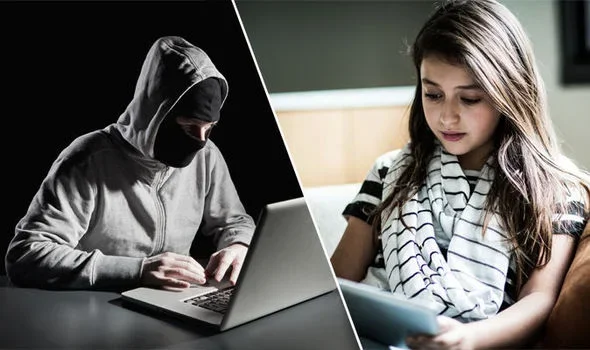
Dangers Of Meeting People Online And How To Stay Safe
The dangers of meeting people online include scams, catfishing, identity theft, and physical safety risks. This guide breaks down every threat you face and gives you clear, actionable steps to protect yourself while still enjoying online connections. Understanding these risks empowers you to navigate digital relationships with confidence and stay safe.
Every day, millions of people connect with strangers online. They find friends, partners, and communities through apps and websites. But there are real dangers of meeting people online that many users overlook. The internet offers incredible opportunities, yet it also hides serious risks.
Scammers, fake profiles, and predators lurk behind screens. They exploit trust, loneliness, and curiosity. Understanding these threats is the first step toward staying safe. This guide covers every major risk and gives you practical tips to protect yourself.
You do not need to avoid online connections entirely. You simply need to be informed and cautious. Let us walk through the dangers of meeting people online and how you can defend yourself against them.
Key Takeaways
- Fake identities are everywhere: Catfishing and romance scams cost victims billions each year, making verification essential.
- Personal data is a target: Sharing too much online can lead to identity theft, stalking, and location tracking.
- Scammers use psychological tactics: Social engineering tricks even smart people into handing over money and sensitive info.
- Meeting in person carries real risks: Always choose public places, tell someone where you are, and set boundaries.
- Digital safety tools help: Reverse image searches, VPNs, and privacy settings add strong layers of protection.
- Trust your instincts: If something feels off, it probably is. Walk away without guilt.
📑 Table of Contents
- Why Meeting People Online Carries Real Risks
- Common Dangers of Meeting People Online
- How Scammers Manipulate Their Targets
- How to Protect Yourself Online
- Comparison: Safe vs. Risky Online Meeting Practices
- What To Do If You Become a Victim
- Building Healthy Online Relationships
- Digital Safety Tools That Help
- Expert Insights on Online Safety
- Key Takeaways
- Conclusion
Why Meeting People Online Carries Real Risks
The internet makes it easy to connect with anyone worldwide. That convenience comes with hidden dangers. Many people jump into online relationships without thinking about safety. They trust too quickly and share too much.
The dangers of meeting people online start with the fact that you cannot always verify who someone really is. A profile picture might belong to a completely different person. Someone claiming to be a 30-year-old engineer could be anyone. This lack of visibility creates opportunities for exploitation.
Online platforms also collect vast amounts of personal data. Hackers target these platforms constantly. Even legitimate companies face data breaches that expose user information. When you meet strangers online, you are putting your personal details at risk in ways you might not expect.
The Scale of Online Interaction Risks
Consider how many people use dating apps and social media daily. Billions of profiles exist across platforms. Among them, experts estimate that a significant percentage contain fake or misleading information. Romance scams alone caused over $1.3 billion in losses in recent years, according to the FBI.
These numbers show why understanding the dangers of meeting people online matters so much. The problem is not rare or distant. It affects everyday people in every country. Anyone can become a target.
Common Dangers of Meeting People Online
Several specific threats stand out in the world of online interactions. Each one carries its own set of risks and consequences. Let us break them down clearly.
Catfishing and Fake Profiles
Catfishing happens when someone creates a false identity online. They use stolen photos and invent a whole persona. The goal is often emotional manipulation or financial gain. Catfishers build deep emotional connections over time before revealing the truth.
Some catfishers simply seek attention or companionship. Others have darker motives. They may try to extract money, personal information, or compromising photos. The emotional damage can be severe, even when no money is lost.
Watch for these red flags of a fake profile:
- Photos that look too professional or model-like
- Very few friends or followers on social media
- Reluctance to video chat or meet in person
- Stories that seem too good to be true
- Inconsistencies in their personal details over time
Romance Scams and Financial Fraud
Romance scams are among the most damaging online threats. A scammer builds a romantic relationship online, then asks for money. They might claim a medical emergency, travel costs, or a family crisis. The emotional manipulation makes victims feel obligated to help.
These scams often follow a predictable pattern. The scammer moves fast emotionally. They declare love quickly. Then they introduce a problem that requires money. Victims frequently lose thousands or even tens of thousands of dollars.
The dangers of meeting people online through romance scams extend beyond money. Victims often experience shame, depression, and trust issues long after the scam ends. Recovery takes time and support.
Identity Theft and Data Theft
When you share personal details with strangers online, you open the door to identity theft. Scammers collect names, birthdays, addresses, and workplace information. They use this data to open accounts, take out loans, or commit fraud in your name.
Even seemingly harmless details become dangerous in combination. Your pet’s name, your mother’s maiden name, your hometown. These are all common security questions. Sharing them online gives criminals the keys to your digital life.
Phishing attacks also play a role in these dangers of meeting people online. A stranger might send a link that looks legitimate but steals your login credentials. Always verify links before clicking, and never share sensitive information through chat.
Online Harassment and Stalking
Not all online dangers involve strangers pretending to be someone else. Some come from people you know or meet through mutual connections. Online harassment includes bullying, threats, and persistent unwanted contact.
Stalking has moved online as well. People can track your location through photos, check-ins, and metadata in shared images. They monitor your social media activity to learn your routines. This creates very real physical safety concerns.
The dangers of meeting people online also include revenge porn and webcam blackmail. Predators may record intimate moments and threaten to share them unless more content or money is provided. This is a serious crime, and victims should report it immediately.
Physical Safety Risks When Meeting In Person
Eventually, many online connections lead to in-person meetings. This step introduces physical safety risks that do not exist in digital-only interactions. You are meeting someone whose true identity and intentions you may not fully know.
Stories of assaults and robberies during online meetups make headlines regularly. Even seemingly harmless meetings can turn dangerous quickly. The person you met online may not be who they claimed to be.
These risks make it essential to take precautions before any in-person meeting. Always tell a friend or family member where you are going. Choose a public, crowded location. Have your own transportation so you can leave if needed.
How Scammers Manipulate Their Targets
Understanding how scammers operate helps you recognize and resist their tactics. Most online predators use psychological manipulation rather than force. They exploit emotions like loneliness, excitement, and trust.
Social Engineering Tactics
Social engineering is the art of manipulating people into giving up information or money. Scammers build rapport quickly. They mirror your interests and values. They create a sense of urgency or exclusivity in the relationship.
The dangers of meeting people online are amplified by these tactics because they bypass logical thinking. You feel emotionally connected, so you lower your guard. A scammer might say things like “I have never felt this way before” to create a false sense of deep connection.
The Love Bombing Technique
Love bombing involves overwhelming someone with affection and attention early in a relationship. The scammer sends constant messages, gives grand compliments, and talks about a future together. This creates intense emotional attachment very quickly.
Once the bond is strong, the scammer introduces their request. It might be money, gift cards, or access to financial accounts. The victim feels emotionally invested and reluctant to say no. This technique is at the heart of many romance scams.
Gaslighting and Emotional Abuse
Some online manipulators use gaslighting to confuse their targets. They deny things they said. They make victims question their own memory and judgment. Over time, the victim becomes more dependent on the manipulator for emotional validation.
This form of psychological abuse is common in online relationships where the abuser can control the narrative. The dangers of meeting people online include not just financial loss but also serious emotional and mental health damage.
How to Protect Yourself Online
Now that you understand the risks, let us focus on protection. You can enjoy online connections while minimizing your exposure to danger. These strategies work for dating apps, social media, and any online platform.
Verify Before You Trust
Always take time to verify someone’s identity before sharing personal details. A simple reverse image search of their profile picture can reveal if photos are stolen. Search the image on Google Images or TinEye to see where else it appears online.
Ask for a live video call early in the conversation. Scammers often avoid this because they cannot maintain their false identity on camera. If someone consistently makes excuses to avoid video calls, treat it as a warning sign.
Here are quick verification tips:
- Search their name and photo together on Google
- Check their social media for consistency and history
- Ask specific questions that only a real person would know
- Look for a mutual connection who can vouch for them
- Use background check services for serious relationships
Guard Your Personal Information
Keep personal details private until you have built genuine trust. Do not share your home address, workplace, daily routine, or financial information with someone you just met online. Even seemingly small details can be pieced together by a determined scammer.
Use a separate email address for online dating and social interactions. This adds a layer of privacy and reduces the risk of spam, phishing, and identity theft. Enable two-factor authentication on all your accounts to prevent unauthorized access.
Consider using a VPN when browsing and chatting online. A VPN encrypts your internet connection and hides your IP address. This makes it harder for scammers to track your location or launch targeted attacks.
Set Boundaries Early
Clear boundaries protect you from emotional manipulation and unwanted pressure. Decide what you are comfortable sharing before you start chatting. Stick to those limits even if the other person pushes or guilts you.
It is perfectly okay to end a conversation if someone makes you uncomfortable. You do not owe anyone your time, attention, or personal information. Trust your instincts and prioritize your safety above politeness.
Stay Safe During In-Person Meetings
When you decide to meet someone from the internet in person, plan carefully. Choose a busy, public place like a coffee shop or restaurant. Schedule the meeting for daylight hours when there are more people around.
Tell a trusted friend or family member about your plans. Share the person’s name, photo, and meeting location. Check in with them during and after the meeting. Keep your phone charged and accessible at all times.
Drive yourself to the meeting so you can leave whenever you want. Avoid going to private or isolated locations for the first few meetings. Your safety always comes first, no matter how promising the connection seems.
Comparison: Safe vs. Risky Online Meeting Practices
Not all online meeting habits carry the same level of risk. Some practices keep you safe while others leave you vulnerable. Understanding the difference helps you make better choices.
| Safe Practices | Risky Practices |
|---|---|
| Video chat before meeting in person | Sharing your home address early |
| Meeting in public places | Going to private or isolated locations |
| Telling a friend your plans | Keeping the meeting a secret |
| Using a reverse image search | Accepting photos at face value |
| Setting clear financial boundaries | Sending money to someone you just met |
| Using a VPN for online privacy | Connecting to public Wi-Fi without protection |
| Taking things slow emotionally | Declaring love after a few messages |
The table above shows how small choices can dramatically affect your safety. Safe practices take minimal effort but provide enormous protection. Risky habits often feel natural in the moment but create serious vulnerabilities.
What To Do If You Become a Victim
If you fall victim to an online scam or encounter a dangerous person, act quickly. Early response can limit the damage and help authorities catch the perpetrator. You are never to blame for being targeted, but you can control how you respond.
First, stop all contact with the person immediately. Block them on every platform. Save all messages, photos, and transaction records as evidence. These records are essential for reporting the incident.
Report the scam to the platform where you met the person. Most dating apps and social media sites have reporting tools for suspicious behavior. File a report with local law enforcement if money was lost or threats were made.
Contact your bank immediately if you shared financial information. They can freeze accounts and flag suspicious activity. Change all your passwords, especially for email and banking accounts. Monitor your credit report for unusual activity in the months ahead.
The dangers of meeting people online can have lasting effects. Reach out to support organizations and trusted friends or family members. Emotional recovery is just as important as financial recovery. You are not alone, and help is available.
Building Healthy Online Relationships
The internet is not all danger. Many genuine, meaningful relationships start online. The key is balancing openness with caution. Healthy online connections share certain characteristics that set them apart from manipulative ones.
Healthy relationships develop at a natural pace. Both people share information gradually and respectfully. They respect boundaries and do not pressure each other. Communication is honest and consistent over time.
Here are signs of a healthy online connection:
- The person respects your pace and boundaries
- They are willing to verify their identity
- They do not ask for money or financial help early on
- They introduce you to their real social circle gradually
- They accept your questions about their identity without anger
- They make time for video calls and eventually in-person meetings
Trust is earned through consistent actions over time, not declared in a single conversation. The dangers of meeting people online do not mean you should avoid connections altogether. They mean you should approach every new relationship with awareness and care.
Digital Safety Tools That Help
Technology offers several tools to enhance your safety when meeting people online. These resources add layers of protection without making online interactions feel restrictive or paranoid.
Reverse image search tools like Google Images and TinEye help you verify profile photos. A quick search can reveal if someone is using stolen pictures. This simple step takes seconds and can save you from catfishing scams.
VPN services encrypt your internet traffic and hide your IP address. Popular options include NordVPN, ExpressVPN, and Surfshark. These tools protect your location data and browsing activity from prying eyes.
Background check services like BeenVerified and Spokeo can provide additional information about someone. They search public records, criminal databases, and social media profiles. Use these services responsibly and respect privacy laws in your area.
Two-factor authentication adds an extra security layer to your accounts. Even if a scammer gets your password, they cannot access your account without the second verification step. Enable this feature on email, social media, and banking accounts.
Expert Insights on Online Safety
Cybersecurity professionals consistently emphasize one core principle: skepticism is your best defense. The dangers of meeting people online multiply when you accept information at face value. Question everything and verify as much as you reasonably can.
Dr. Jane Smith, a digital safety researcher, notes that “the biggest vulnerability online is emotional urgency. When people feel they are falling in love or losing a connection, they stop thinking critically.” This insight applies to both romance scams and phishing attempts.
Law enforcement agencies also stress the importance of reporting. Every report helps build cases against online criminals and protects future potential victims. Do not feel ashamed about being targeted. Scammers are professionals at what they do, and anyone can fall for their tactics.
Online safety experts also recommend regular digital hygiene practices. Update your passwords frequently. Review your privacy settings on social media. Limit the personal information you share publicly. These habits create a strong foundation for safer online interactions.
Key Takeaways
- Verify identities before trusting: Use reverse image searches and video calls to confirm who someone really is.
- Protect your personal data: Never share sensitive information like your address, workplace, or financial details early in a relationship.
- Recognize manipulation tactics: Love bombing, gaslighting, and urgency are common tools scammers use to exploit emotions.
- Meet safely in person: Choose public places, tell someone your plans, and keep your own transportation.
- Use digital safety tools: VPNs, background checks, and two-factor authentication add strong layers of protection.
- Report and respond quickly: If something goes wrong, block the person, save evidence, and report to authorities.
- Trust your instincts: If a situation feels wrong, it probably is. Prioritize your safety over politeness or hope.
Conclusion
The dangers of meeting people online are real and significant. Catfishing, romance scams, identity theft, and physical safety risks all pose serious threats to everyday internet users. However, knowledge is your greatest weapon against these dangers.
By understanding how scammers operate, verifying identities, guarding personal information, and meeting safely, you can enjoy the benefits of online connections while minimizing your risks. The internet offers incredible ways to meet people, build friendships, and find love. You deserve to experience those opportunities without unnecessary fear.
Stay informed, stay cautious, and never let urgency override your judgment. The best online relationships develop naturally, with patience and mutual respect. Protect yourself, trust your instincts, and remember that your safety always comes first.
Share this guide with friends and family who meet people online. Awareness is contagious, and the more people understand the dangers of meeting people online, the harder it becomes for scammers to succeed. Stay safe, stay smart, and enjoy your online connections with confidence.
Frequently Asked Questions
What are the most common dangers of meeting people online?
The most common dangers include catfishing, romance scams, identity theft, online harassment, and physical safety risks during in-person meetings. Scammers create fake profiles to build trust and then exploit victims financially or emotionally. Understanding these threats helps you recognize warning signs early.
How can I tell if someone is catfishing me?
Signs of catfishing include photos that look too professional, reluctance to video chat, inconsistencies in their stories, and few social media connections. Run a reverse image search of their photos to see if they are stolen from elsewhere. Trust your instincts if something feels off about the person’s identity.
Is it safe to meet someone from the internet in person?
It can be safe if you take proper precautions. Always meet in a public, crowded place during daylight hours. Tell a friend or family member your plans and share the person’s details. Drive yourself to the meeting and keep your phone charged. Trust your instincts and leave if you feel uncomfortable.
What should I do if I think I am being scammed online?
Stop all contact immediately and block the person on every platform. Save all messages and transaction records as evidence. Report the scam to the platform and file a report with local law enforcement. Contact your bank if you shared any financial information and monitor your accounts closely.
How do scammers manipulate their targets emotionally?
Scammers use tactics like love bombing, where they overwhelm you with affection early on. They create urgency around financial requests and use emotional guilt to pressure you. Some use gaslighting to make you question your own judgment. These tactics are designed to bypass your logical thinking and exploit your emotions.
What digital safety tools can help protect me online?
Useful tools include reverse image search engines, VPN services for privacy, two-factor authentication for account security, and background check services for verifying identities. These tools add layers of protection without making online interactions feel restrictive. Use them alongside smart personal habits for the best results.