Want To Add A Thermostat To Your Dometic Rv Air Conditioner
Yes, you can put a thermostat on a Dometic RV air conditioner, and it is one of the best upgrades you can make for your rig. This guide walks you through choosing the right thermostat type, a simple step-by-step installation process, and tips to avoid common mistakes. Whether you are a full-time RVer or a weekend camper, adding a thermostat brings smarter RV climate control and serious comfort to your Dometic AC unit.
Adding a thermostat to your Dometic RV air conditioner is one of the smartest upgrades you can make for your rig. If you have been struggling with uneven cooling or wasting energy running your AC all day, a thermostat can change everything. This guide covers exactly how to do it, what options exist, and why it matters for your comfort on the road.
Many RV owners leave their Dometic AC units running on the default settings without thinking twice. But the truth is, a simple thermostat gives you precise RV temperature control and saves you money on power. Whether you own a Dometic AC unit or are shopping for one, adding a thermostat brings smarter RV climate control and serious comfort to your living space.
In this article, we walk you through every step of the process. You will learn about the different thermostat types available, see a clear installation guide, and discover common mistakes to avoid. By the end, you will feel confident tackling this thermostat installation on your own and enjoy a cooler, more comfortable rig all season long.
Key Takeaways
- You can install a thermostat on most Dometic RV air conditioner models with basic tools and about an hour of your time.
- Smart and digital thermostats offer the best temperature precision for RV living and remote control convenience.
- Thermostat installation is straightforward and typically does not require professional help if you follow the wiring diagram carefully.
- Adding a thermostat can reduce energy costs and extend the life of your Dometic AC unit by preventing constant running.
- Avoid common wiring mistakes by taking photos before disconnecting any wires and always turning off the power first.
- A programmable thermostat helps automate cooling schedules so your rig is comfortable when you need it most.
📑 Table of Contents
- What Is A Dometic Rv Air Conditioner And Why Add A Thermostat?
- Types Of Thermostats You Can Use With Your Dometic Rv Ac
- Step-By-Step Guide To Installing A Thermostat On Your Dometic Rv Ac
- Benefits Of Adding A Thermostat To Your Rv Air Conditioner
- Common Mistakes To Avoid When Installing A Thermostat
- Expert Tips For Getting The Most Out Of Your Rv Thermostat Setup
- Frequently Asked Questions
- Conclusion
What Is A Dometic Rv Air Conditioner And Why Add A Thermostat?
A Dometic RV air conditioner is one of the most popular cooling units found in recreational vehicles. These units are designed to handle the heat of summer while fitting into the limited space of an RV roof. Dometic has built a strong reputation in the RV HVAC world, and their AC units are a staple of RV living across the country.
Most Dometic AC units come with a basic remote or a simple on-off switch. While these work fine for basic cooling, they lack precision. That is exactly where adding a thermostat comes in. A thermostat allows you to set a specific temperature and let the system maintain it automatically, just like a central air system in a home.
Think of it this way. Without a thermostat, your AC unit is like driving a car with no cruise control. You are constantly adjusting the temperature manually. With a thermostat, you set your desired comfort level and let the system handle the rest. The result is a more consistent RV climate control experience and less wasted energy over time.
Why Does Temperature Control Matter In An Rv?
RV comfort depends heavily on maintaining a steady indoor temperature. Unlike a house, an RV has thin walls and limited insulation. This means the interior heats up fast in summer and cools down quickly at night. A programmable thermostat helps you manage these temperature swings without constant manual adjustments.
For full-time RV owners, this is especially important. You want your living space to feel stable and pleasant no matter the outside conditions. A thermostat gives you that control with minimal effort, making your time on the road far more enjoyable and relaxing.
Types Of Thermostats You Can Use With Your Dometic Rv Ac
Not all thermostats are the same, and choosing the right one for your Dometic setup matters a great deal. Here are the main options available for RV air conditioning systems. Each type has its own strengths, and the right choice depends on your budget and how much control you want.
Manual Thermostats
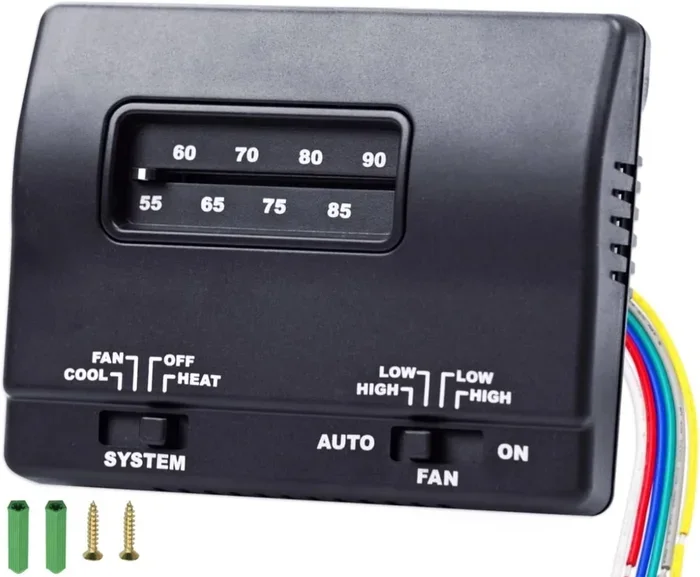
A manual thermostat is the simplest option available. You turn a dial or slide a switch to set your desired temperature. These units are affordable and very easy to install. They work well if you want basic temperature control without any fancy features or complicated setup.
However, manual thermostats lack programmability. You have to adjust them yourself every time the temperature changes. For many RV owners, this is still a big improvement over having no thermostat at all. They are a great entry-level option for anyone new to RV appliance upgrades.
Programmable Thermostats
A programmable thermostat lets you set a cooling schedule. You can program it to cool your rig at certain times of the day. For example, you might set it to start cooling an hour before you go to bed or right before you wake up in the morning. This saves energy and keeps your RV comfort consistent throughout the day.
Programmable models are a popular choice among RV living enthusiasts who want more automation without the higher cost of a smart unit. They strike a great balance between simplicity and functionality.
Smart Thermostats
If you want the most advanced option, consider a smart thermostat. These devices connect to your phone or home network and allow remote control. You can adjust the temperature from anywhere, set smart schedules, and even monitor energy usage in real time.
Many RV owners have had great results with a smart thermostat for your RV. These units bring a new level of convenience to RV climate control and are worth considering if you are comfortable with basic tech setup. They pair well with modern RV living lifestyles where connectivity matters.
Digital Thermostats
A digital thermostat offers precise temperature readings and easy-to-read displays. They are more accurate than manual units and often include additional features like fan control and humidity monitoring. The digital display makes it easy to see exactly what temperature your rig is set to at any moment.
If you are wondering whether a digital option fits your setup, check out our guide on installing a digital thermostat in an RV. It covers compatibility and setup tips in detail and can help you choose the right model for your Dometic unit.
Step-By-Step Guide To Installing A Thermostat On Your Dometic Rv Ac
Installing a thermostat on your Dometic unit is easier than most people think. With the right tools and a little patience, you can complete the job in under an hour. Here is a clear walkthrough to guide you through each step of the thermostat installation process.
What You Will Need
Before you start, gather these tools and materials so everything is within reach:
- Screwdriver set (Phillips and flathead)
- Wire stripper
- Electrical tape
- Your chosen thermostat (compatible with Dometic AC units)
- Mounting bracket (if not included with your thermostat)
- Owner manual for your specific Dometic unit
Step 1: Turn Off The Power
Safety comes first. Before you touch any wires, turn off the power to your Dometic AC unit. You can do this at the circuit breaker or by switching off the AC breaker in your RV panel. Always verify the power is off by checking that the unit does not respond when you turn the thermostat on briefly.
Step 2: Remove The Old Thermostat Or Faceplate
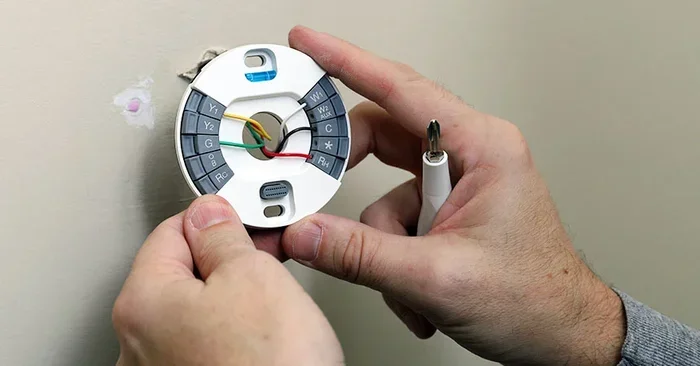
If your Dometic unit has a basic faceplate or old thermostat, carefully remove it. Use a screwdriver to loosen the screws holding it in place. Gently pull the faceplate away from the wall and expose the wiring behind it. Take your time here to avoid damaging any wires or the mounting surface.
Take a photo of the wiring before you disconnect anything. This simple step saves a lot of confusion later when you need to reconnect wires during the thermostat wiring process. It is one of the best RV owner tips you can follow for any electrical project.
Step 3: Disconnect The Wires
Carefully disconnect each wire from its terminal. Note which wire goes where by labeling them with small pieces of tape. Most Dometic units use a standard setup with power, fan, and common wires. Keeping track of each wire ensures your new thermostat connects correctly.
Proper thermostat wiring is the most important part of this entire process. If you mix up the wires, the unit may not work correctly or could cause damage to your Dometic AC unit. Take extra care and double-check every connection before moving forward.
Step 4: Install The New Thermostat
Connect the wires to your new thermostat according to the manufacturer instructions. Most modern thermostats have clearly labeled terminals. Secure each wire with the terminal screw and make sure the connection is tight and secure. A loose wire can cause intermittent cooling or complete system failure.
Mount the thermostat base plate to the wall using the provided screws. Then attach the thermostat head to the base. Make sure it sits level and feels firmly in place. A stable mount prevents the unit from shifting over time and ensures accurate readings.
Step 5: Restore Power And Test
Once everything is connected, restore power to your Dometic AC unit. Turn on the thermostat and set it to your desired temperature. Listen for the unit to kick on and check that cool air starts flowing from the vents. If the unit does not respond, double-check your wiring connections against the photo you took earlier.
A quick review of your wiring photo can help you spot any mistakes fast. This is why taking that photo in Step 2 is so valuable. A few extra minutes of documentation can save you from frustrating troubleshooting later.
Benefits Of Adding A Thermostat To Your Rv Air Conditioner
Upgrading your Dometic AC with a thermostat brings several real and noticeable advantages. Here is why so many RV owners are making this simple change to their rigs.
Energy Efficiency And Cost Savings
A thermostat prevents your AC from running constantly without stopping. Instead, it cycles the unit on and off to maintain your set temperature. This means less energy consumption and lower electricity bills. Over time, the savings can really add up, especially for full-time RV living where you rely on your AC unit daily during hot months.
Even a basic manual thermostat can make a noticeable difference in your energy usage. The key is letting the thermostat manage the cycling rather than running the unit nonstop until you remember to turn it off.
Better Temperature Precision
Without a thermostat, your Dometic unit blasts cold air until you turn it off manually. This creates temperature swings and uneven cooling throughout your rig. A thermostat maintains a steady, comfortable temperature in every part of your living space. This level of RV climate control makes a real difference in daily comfort and quality of life.
You no longer have to deal with the hot-and-cold rollercoaster that comes with manual AC control. The thermostat keeps things consistent so you can relax and enjoy your time in the rig.
Extended Ac Unit Lifespan
When your AC runs less frequently, it experiences less wear and tear on its components. This means fewer repairs and a longer overall lifespan for your Dometic unit. A thermostat helps protect your investment by reducing unnecessary runtime and preventing the unit from overworking.
Many people who have completed a thermostat upgrade on their Dometic system report fewer AC problems and better overall performance. It is a simple change that pays off in the long run by keeping your cooling system healthy for years to come.
Convenience And Automation
With a programmable or smart thermostat, you can automate your cooling schedule. Wake up to a cool rig after a hot night. Come back from a hike or a day out to a comfortable living space. This level of convenience is a real game-changer for RV comfort and quality of life on the road.
Smart thermostats take this even further by letting you adjust settings from your phone, even when you are not parked at your rig. This kind of remote RV temperature control is incredibly useful for managing your unit from a distance.
Common Mistakes To Avoid When Installing A Thermostat
Even though the installation process is straightforward, mistakes can happen. Here are the most common errors and how to avoid them so your thermostat installation goes smoothly the first time.
Skipping The Wiring Diagram
Every Dometic unit has a specific wiring layout that is unique to its model. Skipping the manual or ignoring the wiring diagram can lead to incorrect connections. Always refer to the Dometic product line documentation before you start cutting or reconnecting any wires. The manual is your best friend during this process.
Using The Wrong Thermostat
Not every thermostat is compatible with every Dometic AC model. Make sure to check the voltage and wiring requirements of your specific unit before purchasing. Using the wrong unit can lead to poor performance or even damage to your RV air conditioning system. Compatibility should always come first.
Forgetting To Turn Off The Power
This cannot be stressed enough. Working on live wires is dangerous and can cause electrical shorts or personal injury. Always confirm the power is completely off before you begin any thermostat installation work. A simple breaker flip can prevent a dangerous and costly mistake.
Rushing Through The Process
Take your time and do not rush. Rushing through the wiring or mounting steps can lead to loose connections, misaligned mounts, or missed wire labels. A careful, methodical approach ensures everything works smoothly from the moment you restore power and test the system for the first time.
Expert Tips For Getting The Most Out Of Your Rv Thermostat Setup
Once your thermostat is installed, a few pro tips can help you get even better results from your Dometic AC unit. These small adjustments make a big difference in daily performance and long-term reliability.
Place The Thermostat Away From Direct Sunlight
Sunlight hitting the thermostat sensor can cause false temperature readings. The unit may think the rig is warmer than it actually is, leading to overcooling and wasted energy. Mount the thermostat on an interior wall away from windows and direct sun exposure for the most accurate RV temperature control and reliable readings.
Use A Smart Thermostat For Remote Access
If you park your rig in hot spots or leave it for a few days, a smart thermostat lets you check and adjust the temperature from your phone. This is especially useful for full-time RV living where you want to manage your RV climate control from anywhere. You can turn on the AC before arriving at your campsite and walk into a cool, comfortable space.
Clean Your Thermostat Regularly
Dust and debris can build up inside the thermostat and affect its sensor accuracy over time. A quick wipe-down every few weeks keeps the sensor working properly. This small habit goes a long way in maintaining reliable RV comfort and preventing unexpected temperature fluctuations in your rig.
Consider A Thermostat With Humidity Control
Humidity can be a big issue in RVs, especially in humid climates or coastal areas. Some advanced thermostats include built-in humidity monitoring and control features. This helps prevent mold growth and keeps the air inside your rig fresh, dry, and comfortable for you and your travel companions.
Frequently Asked Questions
Can I Put Any Thermostat On A Dometic Rv Air Conditioner?
Not all thermostats are compatible with every Dometic model. You need to check the voltage and wiring requirements of your specific unit before purchasing. Most Dometic AC systems work well with low-voltage thermostats designed specifically for RV use. Always verify compatibility with the manufacturer before buying to ensure a smooth thermostat installation experience.
Do I Need Professional Help To Install A Thermostat On My Rv Ac?
In most cases, you do not need a professional for this job. The installation is straightforward and can be done with basic tools and a little patience. However, if you are uncomfortable working with electrical wiring or unsure about any step, it is always wise to consult a certified RV technician for safety and peace of mind.
Will Adding A Thermostat Void My Rv Warranty?
This depends on your warranty terms and how the installation is done. If you follow the manufacturer guidelines and use compatible parts, you should not void the warranty. Always check with Dometic or your RV dealer if you are unsure about warranty implications before making any changes to your Dometic AC unit or RV HVAC system.
Can I Use A Smart Thermostat With A Dometic Rv Ac?
Yes, many smart thermostats work with Dometic RV air conditioning systems. You will need to ensure the thermostat is compatible with the voltage and wiring of your specific unit. Smart thermostats offer the added benefit of remote control and smart scheduling, making them a popular choice for modern RV living and RV climate control enthusiasts.
How Much Does It Cost To Add A Thermostat To A Dometic Rv Ac?
The cost varies depending on the thermostat type you choose. Manual thermostats can be as low as twenty to thirty dollars, while smart models range from one hundred to three hundred dollars. Installation is typically a DIY job, so you save on labor costs. Overall, this is one of the most affordable and impactful RV appliance upgrades you can make for your rig.
Can I Install A Thermostat Myself If I Have No Electrical Experience?
Yes, many RV owners with no electrical background successfully install thermostats on their Dometic units. The key is to follow the wiring diagram carefully, take photos before disconnecting anything, and double-check all connections. If at any point you feel unsure or uncomfortable, do not hesitate to seek help from a qualified professional. Your safety always comes first.
Conclusion
Adding a thermostat to your Dometic RV air conditioner is a simple upgrade that delivers big rewards. You gain better RV climate control, improved energy efficiency, and a more comfortable living space on the road. Whether you choose a manual, programmable, or smart thermostat, the process is manageable and the results are well worth the effort.
If you are still exploring your options, consider looking into a thermostat upgrade for your existing Dometic setup. The right thermostat transforms how you experience RV living and keeps your rig comfortable in any weather. Take the step today and enjoy a cooler, smarter, more comfortable RV all season long.