Are Bluetooth Sleep Mask Safe for Deep Sleep Tonight
A Bluetooth sleep mask safe for deep sleep is possible when you choose the right device and use it correctly. These wireless sleep masks combine comfort with audio therapy, but concerns about EMF radiation and skin irritation are common. This guide explains the risks, benefits, and simple steps to protect your sleep hygiene while enjoying your favorite sounds.
A Bluetooth sleep mask safe for deep sleep can transform your nightly routine. You slip it on, play soft music or white noise, and drift off faster. But many people wonder about the hidden risks of wearing a wireless device so close to their eyes and brain. Is the Bluetooth signal harmful? Can the mask irritate your skin? This guide answers those questions and more.
We will walk through how these masks work, what the science says about safety, and how to pick the best wireless sleep mask for your needs. You will learn simple tips to keep your sleep hygiene intact while enjoying audio therapy. By the end, you will feel confident about using a Bluetooth sleep mask every night.
Key Takeaways
- Bluetooth sleep masks are generally safe when you pick a low-EMF model and follow usage guidelines.
- EMF radiation from Bluetooth is low, but long-term skin contact and volume levels need attention.
- Choose a mask with breathable materials and adjustable straps to avoid pressure points.
- Use audio at safe volumes (below 60% of max) to protect your hearing during sleep.
- Look for certifications like FCC and CE to ensure the device meets safety standards.
- Pair your mask with good sleep hygiene for the best deep sleep results.
📑 Table of Contents
- What Is a Bluetooth Sleep Mask and How Does It Work?
- Are Bluetooth Sleep Masks Safe? Understanding EMF Radiation
- Potential Health Risks and Side Effects
- Benefits of Using a Bluetooth Sleep Mask for Deep Sleep
- How to Choose a Safe Bluetooth Sleep Mask
- Expert Insights and Tips for Safe Use
- Common Mistakes to Avoid
- Conclusion
What Is a Bluetooth Sleep Mask and How Does It Work?
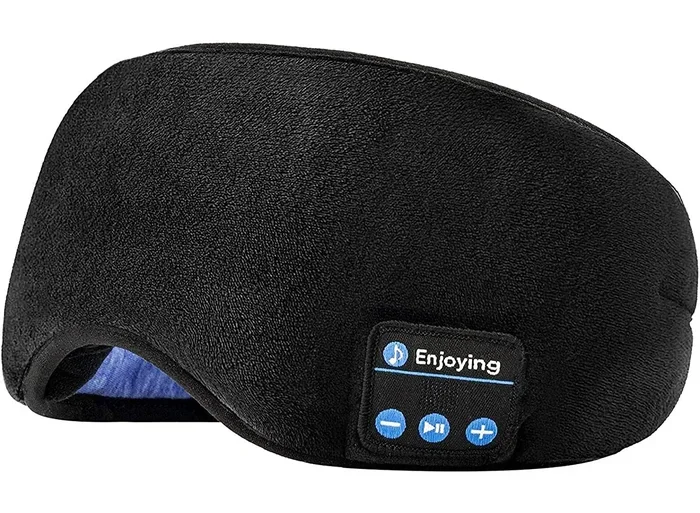
A Bluetooth sleep mask is a soft eye mask with built-in speakers and a tiny Bluetooth chip. It connects to your phone or tablet so you can play music, podcasts, or guided meditation. The mask blocks out light, and the audio helps your brain relax. Think of it as a personal sleep studio you wear on your face.
The Technology Behind Wireless Sleep Masks
Inside the mask, you will find a small circuit board, speakers, and a Bluetooth antenna. The antenna sends and receives radio waves in the 2.4 GHz band, the same frequency used by Wi-Fi and other wireless devices. The mask uses very low power, usually Class 2 Bluetooth, which has a range of about 10 meters. This low energy means the signal is weak and short-range.
Many modern masks also include features like sleep tracking. They use sensors to detect movement and heart rate. This data syncs to an app on your phone. Just like how computers are used in medicine for patient monitoring, these masks bring a tiny version of that technology to your pillow. The goal is to help you understand your sleep patterns and improve deep sleep over time.
Common Features to Look For
- Adjustable strap – fits different head sizes without tight pressure.
- Breathable fabric – prevents sweating and skin irritation.
- Built-in microphone – lets you take calls or use voice assistants.
- Rechargeable battery – lasts 8 to 15 hours on a single charge.
- Removable speakers – makes washing the mask easier.
- Low-EMF design – reduces electromagnetic field exposure.
Are Bluetooth Sleep Masks Safe? Understanding EMF Radiation
The biggest question most people ask is: does Bluetooth radiation harm your body? The short answer is that Bluetooth uses non-ionizing radiation, which is very different from X-rays or UV light. It does not have enough energy to damage DNA. However, safety is not just about radiation. It also includes how the mask feels on your skin and how loud the audio gets.
What Is EMF Radiation from Bluetooth?
EMF stands for electromagnetic fields. Every electronic device, including your phone and Wi-Fi router, emits EMF. Bluetooth devices emit radiofrequency EMF (RF-EMF) at very low levels. The specific absorption rate (SAR) for Bluetooth headsets is typically below 1.6 watts per kilogram, which is the safety limit set by the FCC. A Bluetooth sleep mask uses even less power than a phone call because it stays in standby mode most of the night.
Medical technology for sleep has come a long way. Devices like medical technology for sleep monitors are held to strict safety standards. The same principles apply to consumer wireless sleep masks. The RF energy from a Bluetooth mask is too low to heat tissue or cause known health effects. Still, if you are sensitive to EMF, you can take simple steps to reduce exposure.
How Much EMF Exposure Do Sleep Masks Emit?
A Bluetooth sleep mask emits EMF only when it is actively connected and streaming audio. When idle, the radiation drops to near zero. To put this in perspective, a Bluetooth earpiece emits about 10 to 40 times more power than a sleep mask because it sits right next to your ear for calls. A sleep mask is farther from your brain and uses less energy. The exposure is minimal compared to holding a phone against your head.
Here is a quick comparison of EMF levels from common devices.
| Device | Typical EMF Output | Distance from Brain |
|---|---|---|
| Bluetooth Sleep Mask | Very Low (idle: near zero) | ~2 cm from forehead |
| Bluetooth Earbud | Low to Moderate | ~1 cm from ear |
| Smartphone (calling) | Moderate | ~1 cm from ear |
| Wi-Fi Router | Low | Several meters away |
As you can see, a Bluetooth sleep mask safe option sits at the low end of exposure. Choosing a mask with a low-EMF design and keeping your phone a few feet away further reduces any risk.
Potential Health Risks and Side Effects
While Bluetooth radiation is not a major concern, other risks can affect your comfort and sleep quality. It is important to look at the full picture of Bluetooth sleep mask safety. These risks are manageable with the right choices.
Skin Irritation and Pressure Points
Wearing any mask for 7 to 9 hours can cause skin issues. The fabric may trap sweat, leading to breakouts or rashes. Pressure from the strap can create headaches or leave marks on your face. To avoid this, look for masks made from breathable cotton, silk, or bamboo. Choose a mask with a soft, padded edge around the eyes. A wireless sleep mask with a removable inner liner is easier to keep clean, which supports good sleep hygiene.
Audio Volume and Hearing Safety
Listening to audio all night can harm your hearing if the volume is too high. The World Health Organization recommends keeping audio below 60% of the maximum volume. Many Bluetooth sleep masks have volume limits built in, but not all. Set a volume limit on your phone before bed. Use the mask for soothing sounds like rain, waves, or white noise, not for loud music or podcasts with sudden spikes.
Blue Light and Sleep Disruption
Some sleep masks have small LEDs for charging or status indicators. These lights can be distracting if you are a light sleeper. Choose a mask with an option to turn off LEDs or cover them with a small sticker. Also, avoid using the mask to watch videos on a screen before bed. The blue light from screens tricks your brain into thinking it is daytime, which can ruin your deep sleep. Use the mask only for audio, not as a screen viewer.
Benefits of Using a Bluetooth Sleep Mask for Deep Sleep
When used correctly, a Bluetooth sleep mask offers real advantages for your nightly rest. The combination of darkness and calming audio creates a powerful relaxation response. Here are the main benefits you can expect.
Audio Therapy for Better Sleep
Audio therapy uses sound to calm the nervous system. White noise masks outside sounds like traffic or a partner snoring. Binaural beats can encourage your brain to enter a relaxed alpha state. Guided meditation apps can guide you through breathing exercises. All of these work best in a dark, quiet environment, which a sleep mask provides. The result is faster sleep onset and more time in deep sleep stages.
Sleep Tracking and Smart Features
Many Bluetooth sleep masks now include sensors that track your heart rate and movement. The companion app gives you a sleep score each morning. You can see how long you spent in light, deep, and REM sleep. This feedback helps you adjust your habits. Over time, you can build a personalized sleep routine that works for you. The data is similar to what you would get from a sleep study, but in the comfort of your own bed.
How to Choose a Safe Bluetooth Sleep Mask
Not all masks are created equal. Safety and comfort should come before price or extra features. Use these guidelines to find a Bluetooth sleep mask safe for every night.
Key Safety Certifications
Look for masks that carry FCC, CE, or RoHS certification. These marks mean the device has been tested for electromagnetic safety and material toxicity. A low EMF sleep mask will often advertise this on the product page. Avoid masks with no safety information or those made from unknown materials. Reputable brands provide clear documentation about their testing.
Comfort and Material Considerations
The mask should feel light and soft. Memory foam eye cups gently cradle your eyes without pressing on them. The strap should stretch slightly and not dig into your temples. Adjustable velcro or buckle straps let you fine-tune the fit. Washable covers are a big plus for keeping the mask fresh. If you have sensitive skin, choose a mask labeled hypoallergenic and free from latex and harsh dyes.
Battery Safety and Charging
Check that the battery is sealed and does not overheat. Lithium-ion batteries are common, but they should have built-in protection against overcharging. Never sleep with a mask that is charging. Unplug it once the battery is full, and use only the provided charging cable. A safe sleep device should not become hot during the night.
Expert Insights and Tips for Safe Use
Sleep experts agree that a Bluetooth sleep mask can be a great tool when used wisely. Here are practical tips to maximize safety and comfort.
Quick Tips for a Safe Sleep Routine
- Set a volume limit on your phone before bed, and keep the mask volume below 60%.
- Clean your mask weekly with a damp cloth and mild soap to prevent bacteria buildup.
- Give your skin a break – if your face feels irritated, skip the mask for one or two nights.
- Pair the mask with a consistent bedtime to train your body’s internal clock.
- Keep your phone across the room instead of under your pillow to reduce EMF exposure.
- Use the mask only for sleep – avoid watching videos or scrolling through social media while wearing it.
These small habits make a big difference in your sleep quality and overall sleep hygiene. The goal is to create a calming ritual that signals your brain it is time to rest.
Common Mistakes to Avoid
Even with a safe mask, certain habits can undo the benefits. Here are mistakes to watch out for.
- Using the mask with wet hair – moisture can damage the electronics and cause mold.
- Choosing a mask that is too tight – pressure on the eyes can increase intraocular pressure and cause headaches.
- Ignoring firmware updates – updates often fix bugs and improve safety features.
- Using a damaged mask – frayed wires or cracked speakers can expose you to more EMF or cause electrical issues.
- Relying solely on the mask – a mask is a tool, not a cure for chronic insomnia. Combine it with good sleep habits and, if needed, professional help.
Conclusion
A Bluetooth sleep mask safe for deep sleep is absolutely within your reach. The key is to understand the risks, choose a well-certified mask, and use it with care. The wireless sleep mask technology has come a long way, and today’s devices are designed with comfort and safety in mind. By following the tips in this guide, you can enjoy soothing audio, protect your sleep hygiene, and wake up feeling truly rested.
Remember to keep volumes low, clean your mask regularly, and listen to your body. If you ever feel discomfort or notice skin changes, take a break and consult a doctor. With the right Bluetooth sleep mask, you can turn your bedtime into a peaceful retreat every single night.
Frequently Asked Questions
Is Bluetooth radiation from a sleep mask dangerous?
No, Bluetooth radiation is non-ionizing and very low power. A Bluetooth sleep mask safe design emits far less energy than a phone call. The signal is too weak to cause heating or tissue damage.
Can wearing a Bluetooth sleep mask cause skin problems?
It can if the mask is too tight or made from non-breathable material. Choose a mask with soft fabric and an adjustable strap. Clean it regularly to prevent bacteria buildup and irritation.
What volume is safe for a Bluetooth sleep mask?
Keep the volume below 60% of the maximum. Use the mask for gentle sounds like white noise or rainfall. Avoid loud music or podcasts with sudden loud noises that could startle you awake or damage hearing.
How do I know if a Bluetooth sleep mask is low EMF?
Look for masks that mention low-EMF or EMF-free design on the product page. Reputable brands often provide SAR values or safety certifications like FCC and CE. You can also keep your phone a few feet away to further reduce exposure.
Can I use a Bluetooth sleep mask every night?
Yes, most people can use it nightly without issues. Give your skin a break if you notice redness or soreness. A wireless sleep mask can be part of a healthy sleep routine when used correctly.
Do Bluetooth sleep masks help with insomnia?
They can help by providing calming audio that distracts from racing thoughts. The darkness and sound together create a relaxing environment. However, they are not a cure for chronic insomnia. If sleep problems persist, consult a sleep specialist.