Do Tv Projectors Work In Daylight Here Is The Truth
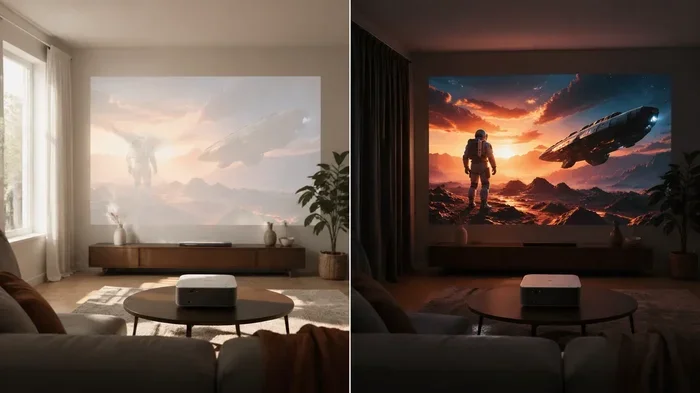
Do Tv Projectors Work In Daylight? The short answer is yes, but with important caveats. Standard projectors struggle in bright rooms because ambient light washes out the image. However, high-lumen projectors and ambient light rejecting screens can make daytime viewing a reality. In this guide, we break down exactly how projectors perform in daylight and what you can do to improve your projector viewing experience.
Have you ever tried watching a movie on a projector during the day and ended up with a washed-out, barely visible image? You are not alone. Many people wonder Do Tv Projectors Work In Daylight and the answer is more nuanced than you might think. Let us dive deep into this topic and uncover everything you need to know about using a projector when the sun is shining.
The truth is, projectors have come a long way in recent years. Modern technology has made significant strides in brightness, contrast, and image quality. But does that mean your projector can handle direct sunlight? Not necessarily. The answer depends on several factors, including brightness levels, screen type, and room setup. Whether you are considering a projector for your living room, backyard, or office, understanding how daylight affects performance is essential.
In this guide, we will walk you through everything from lumens and contrast ratios to screen options and placement tips. By the end, you will know exactly what it takes to make a projector work in bright environments. Let us get started.
Key Takeaways
- Standard projectors struggle in daylight: Most home projectors lack the brightness needed to overcome sunlight and room lighting.
- Lumens are everything: A projector needs at least 3,000 to 5,000 lumens to produce a decent image in daylight conditions.
- Screen type matters enormously: Ambient light rejecting (ALR) screens can dramatically improve daytime projector performance.
- Placement and positioning play a role: Where you set up your projector affects how well it handles daylight.
- Projectors can replace TVs: With the right setup, a daylight projector can deliver a cinematic experience rivaling any television.
📑 Table of Contents
- Understanding How Projectors Work In Bright Light
- Types Of Projectors That Handle Daylight Better
- Choosing The Right Screen For Daylight Viewing
- Tips To Improve Projector Image Quality In Daylight
- Projector Vs TV For Daytime Viewing
- Common Mistakes People Make With Projectors In Bright Rooms
- Expert Insights On Projector Daylight Performance
- Quick Tips For Daytime Projector Success
- Final Thoughts
Understanding How Projectors Work In Bright Light
To understand why projectors struggle in daylight, you need to know how they produce images. A projector lamp or LED light source shines an image through a lens onto a screen. The problem is that sunlight is incredibly bright. When ambient light hits your screen, it competes with the projector’s light output. The result is a faded, washed-out picture that is hard to see.
Think of it like trying to read a book outside on a sunny day. The sun washes out the words on the page. The same thing happens with a projector. The brighter the surrounding light, the harder it is for the projected image to stand out.
The Role Of Lumens In Daytime Viewing
Lumens measure how bright a projector is. This is the single most important spec when it comes to daylight projector performance. Here is a quick breakdown:
- 1,000 to 2,000 lumens: Suitable for dark rooms only. Daytime viewing will be very poor.
- 2,000 to 3,000 lumens: Can handle dim indoor lighting but will struggle in daylight.
- 3,000 to 5,000 lumens: Can manage some ambient light and partial shade from windows.
- 5,000+ lumens: Designed for bright environments, outdoor use, and direct daylight.
If you want a projector that works in daylight, aim for at least 3,000 lumens. For full sunlight, you will need 5,000 lumens or more. Keep in mind that manufacturers sometimes inflate lumen numbers. Always check independent reviews for real-world performance.
Contrast Ratio And Its Impact
Another critical factor is the projector contrast ratio. This measures the difference between the brightest whites and the darkest blacks on screen. A high contrast ratio helps the image pop even in bright environments. However, ambient light reduces contrast significantly. This is why projectors that look amazing in a dark room often disappoint during the day.
Some projectors come with advanced projector ambient light rejection technology. This feature uses special optics and processing to boost contrast and color accuracy in bright rooms. It is not a magic fix, but it does help.
Types Of Projectors That Handle Daylight Better
Not all projectors are created equal. Some are specifically designed to handle bright environments better than others. Let us look at the main types.
LED Projectors
LED projectors use light-emitting diodes instead of traditional lamps. They tend to be more energy-efficient and last longer. Many modern LED projectors also deliver decent brightness levels. Some models reach 2,500 to 4,000 lumens, making them a solid choice for daytime use in partially shaded rooms.
Laser Projectors
Laser projectors are the gold standard for brightness and durability. They produce incredibly vivid images and can reach 5,000 lumens or more. If you need a projector that works in full daylight, a laser model is your best bet. The downside is cost. Laser projectors are significantly more expensive than LED or lamp-based models.
Ultra-Short Throw Projectors
Ultra-short throw projectors sit very close to the screen and project a large image from a short distance. Some models are designed with ambient light rejection features built in. These projectors work well in brighter rooms because they throw light at a specific angle that reduces washout. They are a great option if you want a projector setup in a living room with windows.
Choosing The Right Screen For Daylight Viewing
Your projector screen matters just as much as the projector itself. A standard white screen will reflect all light, including ambient daylight, which makes the image look washed out. The right screen can make a huge difference.
Ambient Light Rejecting (ALR) Screens
ALR screens are specifically designed to reject ambient light while reflecting the projector’s light back to the viewer. They use special materials and textures to maintain image quality even in bright rooms. These screens are the best investment you can make for daylight projector use.
ALR screens come in different designs. Some work best with ceiling-mounted projectors, while others are optimized for front projection. Make sure you choose a screen that matches your projector type and room setup.
Gray Screens
Gray projector screens absorb more ambient light than white screens. They boost contrast and make blacks look deeper. However, they also reduce overall brightness. In a moderately lit room, a gray screen can improve image quality. In full daylight, they may not be enough on their own.
Screen Size And Gain
Smaller screens with higher gain reflect more light back to the viewer. A high-gain screen can help boost brightness in daylight. But larger screens spread the light over a bigger area, which reduces brightness. If you are using a projector in daylight, consider a smaller screen with a gain rating of 1.0 or higher.
Tips To Improve Projector Image Quality In Daylight
Even with a bright projector and a good screen, you can take additional steps to improve your projector viewing experience in daylight. Here are some practical tips that actually work.
Control The Light In Your Room
The simplest way to improve projector image quality is to reduce ambient light. Close blinds or curtains to block sunlight. Turn off unnecessary lights. Even dimming the lights a little can make a noticeable difference. If you cannot block all light, try to create a shaded area where the projector screen sits.
Position Your Projector Correctly
Projector placement plays a big role in daytime performance. Place the projector so that it is not pointing directly toward a window or bright light source. The angle of projection affects how much ambient light interferes with the image. If possible, mount the projector above eye level and angle it downward toward the screen.
Increase Brightness Settings
Most projectors have brightness and color settings you can adjust. Increasing the brightness setting can help the image stand out in a bright room. However, cranking it up too much can wash out colors. Find a balance that works for your specific environment. Some projectors also have a “daylight mode” or “bright mode” that optimizes settings for well-lit rooms.
Use A Dark Colored Wall Or Sheet
If you do not have a proper projector screen, try projecting onto a dark wall or a dark sheet. Dark surfaces absorb ambient light better than light-colored walls. This simple trick can improve contrast and make the image easier to see in daylight.
Keep The Projector Lens Clean
Dust and smudges on the projector lens reduce image sharpness and brightness. Clean the lens regularly with a microfiber cloth. A clean lens ensures maximum light output and a clearer picture, especially in bright conditions.
Projector Vs TV For Daytime Viewing
Many people ask whether a projector vs TV is the better choice for daytime viewing. The answer depends on your needs and setup.
Televisions emit their own light, which makes them naturally visible in bright rooms. Even in direct sunlight, a TV screen remains clear and readable. Projectors, on the other hand, rely on reflected light. This gives them a disadvantage in daylight.
However, projectors offer a much larger screen size. A 100-inch projector screen creates an immersive experience that no TV can match. If you are willing to invest in a high-lumen projector and an ALR screen, a projector can work surprisingly well in daylight. For casual viewing in a bright room, a TV is still the easier choice.
If you want to learn more about using projectors as TV alternatives, check out our guide on Can I Use A Projector Instead Of A Tv. It covers the pros and cons in detail.
Common Mistakes People Make With Projectors In Bright Rooms
Avoid these common mistakes that ruin projector image quality in daylight:
- Using a projector with low lumens in a bright room: This is the number one mistake. A 1,500-lumen projector will look terrible in daylight no matter what screen you use.
- Ignoring screen type: A standard white sheet reflects all light, including ambient daylight. This kills contrast and washes out the image.
- Placing the projector near a window: Direct sunlight hitting the screen will overpower the projector every time.
- Not adjusting projector settings: Many people leave their projector on default settings designed for dark rooms. Switching to a bright or daylight mode can make a big difference.
- Expecting TV-level brightness: Projectors will never match the brightness of a modern TV. Setting realistic expectations helps you enjoy what a projector does offer.
If you are using a projector and want to connect it to other devices wirelessly, you might find our article on Can I Connect My Laptop To Tv Wirelessly helpful for setting up a seamless connection.
Expert Insights On Projector Daylight Performance
According to display technology experts, the key to making a projector work in daylight is a combination of brightness, screen technology, and room control. No single factor can solve the problem on its own. You need all three working together.
Industry professionals recommend starting with a projector that delivers at least 3,000 ANSI lumens for indoor daylight use. For outdoor daytime viewing, 5,000 lumens is the minimum. Pairing this with an ALR screen and some light control gives you the best possible projector image quality in bright environments.
Some experts also suggest using a projector with a high dynamic range (HDR) capability. HDR enhances color depth and contrast, which helps the image hold up better against ambient light. While it is not a silver bullet, HDR technology does contribute to a better viewing experience in bright rooms.
For those who love outdoor movie nights, a daylight projector with at least 4,000 lumens and a portable ALR screen can deliver surprisingly good results even under a partially shaded patio. Pair it with a soundbar or Bluetooth speakers for a complete outdoor cinema setup.
Quick Tips For Daytime Projector Success
- Choose a projector with at least 3,000 lumens for indoor daylight use.
- Invest in an ambient light rejecting (ALR) screen for the best results.
- Close blinds or curtains to reduce sunlight on the screen.
- Use the projector’s brightness or daylight mode setting.
- Position the projector away from direct light sources.
- Keep the lens clean for maximum light output.
- Use a dark wall or sheet if you do not have a proper screen.
Final Thoughts
So, Do Tv Projectors Work In Daylight? Yes, they can, but only with the right setup. A high-brightness projector, paired with an ambient light rejecting screen and some basic room adjustments, can deliver a clear and enjoyable image even in bright conditions. The key is understanding what your projector needs to overcome daylight and taking the steps to meet those needs.
Projectors offer a unique and immersive viewing experience that TVs simply cannot match in terms of screen size. With the right equipment and a little planning, you can enjoy movies, sports, and presentations even when the sun is shining. Do not let daylight scare you away from projector ownership. Instead, use the tips in this guide to set yourself up for success.
Whether you are setting up a home theater, an outdoor movie area, or a bright office presentation space, the right projector and screen combination makes all the difference. Start with brightness, invest in the right screen, and control the light in your room. You will be amazed at what a projector can do in daylight.
Frequently Asked Questions
Can a standard projector work in direct sunlight?
Most standard projectors cannot produce a clear image in direct sunlight. Sunlight is far brighter than what typical home projectors can overcome. You need a high-brightness projector with at least 5,000 lumens and a specialized screen to handle direct sunlight effectively.
What is the best projector for outdoor daytime use?
The best projectors for outdoor daytime use have at least 4,000 to 5,000 lumens, a high contrast ratio, and work well with an ambient light rejecting screen. Laser projectors and high-end LED projectors are the top choices for bright outdoor environments.
Do ambient light rejecting screens really make a difference?
Yes, ALR screens make a significant difference. They are designed to reject ambient light from the sides and top while reflecting the projector’s light directly back to the viewer. This improves contrast and image clarity in bright rooms.
How many lumens do I need for a projector to work indoors during the day?
For indoor daytime use with some light control, aim for at least 3,000 lumens. If your room has large windows and lots of natural light, 4,000 to 5,000 lumens will give you much better results.
Is it better to use a projector or a TV in a bright room?
For bright rooms, a TV is generally easier to see because it emits its own light. However, a projector with a large screen creates a more immersive experience. If you invest in a bright projector and an ALR screen, a projector can work well in moderately bright rooms.
Can I improve my projector’s daytime performance without buying new equipment?
Yes. You can improve daytime performance by closing curtains, turning off lights, positioning the projector away from windows, and increasing the brightness settings on the projector. Using a dark wall instead of a white sheet can also help boost contrast.