Do You Need An Alr Screen In A Dark Room For Better Viewing
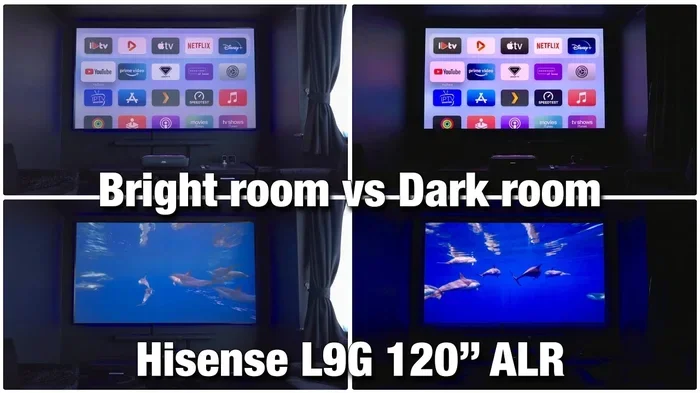
An ALR screen can seriously transform your dark room viewing setup, but it is not always a must-have. If you project movies, games, or shows in a room with minimal light, a standard white screen might already do the job. However, if some ambient light sneaks in, an ALR screen can dramatically improve contrast ratio and overall image quality. This guide breaks down everything you need to decide.
Have you ever settled in for a movie night, only to notice the image looks washed out or dull? You are not alone. Many people who set up a home theater or projector system run into this exact problem. The question is simple but important: do you need an ALR screen in a dark room?
The short answer is: it depends. If your room is completely dark, a regular projection screen works just fine. But if any light leaks in, an ALR screen can make a world of difference. In this guide, we will walk through everything you need to know about ambient light rejection screens and whether they are worth it for your setup.
We will cover how ALR screens work, when you actually need one, and how to choose the right screen material for your space. By the end, you will have a clear answer for your own viewing experience. Let us dive in.
Key Takeaways
- ALR screens reject ambient light: They are designed to bounce projector light back to viewers while filtering out unwanted room light.
- Dark rooms benefit most from standard screens: If your room is truly dark, a basic white or gray screen can deliver great results without extra cost.
- ALR screens boost contrast and color accuracy: Even small amounts of ambient light can wash out a regular screen, and ALR technology fixes this problem.
- Not all ALR screens are the same: Gain, material, and throw distance all matter when choosing the right one for your setup.
- Budget plays a big role: ALR screens cost more than standard options, so weigh the benefits against your viewing goals.
- Pair your screen with the right projector: A 4K projector and proper throw distance make a huge difference in picture quality.
- Your viewing habits decide the answer: If you watch mostly in total darkness, skip the ALR screen. If light leaks in, invest in one.
📑 Table of Contents
- What Is an ALR Screen and How Does It Work?
- Do You Actually Need an ALR Screen in a Dark Room?
- Types of ALR Screens You Should Know About
- Benefits of Using an ALR Screen in a Dark Room
- Common Mistakes People Make When Choosing a Screen for Dark Rooms
- How to Set Up Your ALR Screen for the Best Dark Room Experience
- Is an ALR Screen Worth the Investment?
What Is an ALR Screen and How Does It Work?
ALR stands for Ambient Light Rejecting. These screens are built to handle a specific challenge: they push back unwanted room light while pulling in the light from your projector. Think of it like a pair of sunglasses for your screen. The screen lets the projected image shine through clearly, even when the room is not pitch black.
The Science Behind Ambient Light Rejection
Regular projector screens scatter light in all directions. This means any ambient light in the room bounces off the screen and mixes with your image. The result is a faded, washed-out picture. ALR screens use special coatings and materials to angle the reflected light back toward the viewer. At the same time, they block light coming from other directions, like lamps or windows.
This process keeps your contrast ratio high. A high contrast ratio means deeper blacks, brighter whites, and more vivid colors. That is why many people who care about image quality choose ALR screens for their setups.
ALR vs Standard White Screens
A standard white screen reflects all light equally. In a perfectly dark room, this works great. But the moment a lamp turns on or sunlight creeps through a window, the image suffers. An ALR screen handles this much better because it selectively rejects light that does not come from the projector.
Here is a quick comparison:
- Standard White Screen: Reflects all light, great in total darkness, struggles with ambient light.
- Gray Screen: Slightly better at handling light than white, but not as effective as ALR.
- ALR Screen: Rejects most ambient light, keeps the projector image sharp and bright.
Do You Actually Need an ALR Screen in a Dark Room?
This is the big question, and the answer is not a simple yes or no. It depends on how dark your room really is and what you plan to watch.
When a Dark Room Makes an ALR Screen Unnecessary
If you can close the curtains, turn off every light, and sit in complete darkness, a regular screen will serve you well. In a truly dark environment, there is no ambient light to reject. Your projector sends light directly to the screen, and the image looks clean and clear. Adding an ALR screen in this case would not give you much of a boost.
Many home theater enthusiasts with dedicated media rooms fall into this category. If your room has blackout curtains and no windows, you can save your money and go with a standard projection screen.
When Even a Dark Room Benefits from ALR
But here is the catch. Most people do not watch movies in perfect darkness all the time. Maybe you enjoy a dim lamp in the corner, or your room has a small window that lets in a little light. Even a small amount of ambient light can lower the quality of your image on a regular screen.
An ALR screen helps in these situations. It keeps the picture sharp even when the room is not completely dark. This makes ALR screens a smart choice for living rooms, bedrooms, or any space where total darkness is hard to achieve.
The Role of Your Projector
Your projector matters just as much as your screen. A bright 4K projector paired with a good screen will give you stunning results. But if your projector has low brightness, even the best ALR screen cannot fix a dim image. Make sure your projector matches your screen size and throw distance for the best outcome.
Also, if you use a device like a Roku with your projector, make sure the connection is solid. Check out our guide on Can I Use A Roku With A Projector to learn more about setting up your streaming device for the best picture.
Types of ALR Screens You Should Know About
Not all ALR screens are built the same way. Different types work better in different setups. Let us look at the main options.
Fixed Frame ALR Screens
Fixed frame screens mount directly to the wall and stay in place all the time. They offer a flat, taut surface that gives you the best image quality. If you want a permanent home theater setup, a fixed frame ALR screen is a great choice. These screens tend to be more expensive, but the picture quality is hard to beat.
Motorized ALR Screens
Motorized screens roll up and down with the push of a button. They are perfect for rooms that serve multiple purposes. During the day, you can roll the screen up and use the room for other things. At night, you roll it down and enjoy a movie. Motorized ALR screens offer the same ambient light rejection as fixed frames, with added convenience.
Portable ALR Screens
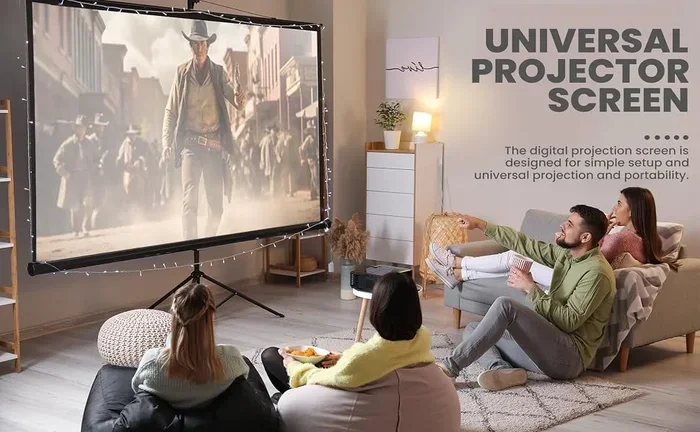
If you do not want a permanent setup, portable ALR screens are a solid option. They are lightweight, easy to set up, and work well for casual viewing or outdoor movie nights. The trade-off is that they may not deliver the same level of contrast ratio as larger fixed or motorized screens.
Screen Gain: What It Means for Your Setup
Screen gain measures how much light the screen reflects back to the viewer. A higher gain means a brighter image. ALR screens typically have a gain between 0.8 and 1.3. A gain of 1.0 means the screen reflects light evenly. Higher gain screens focus the light more directly toward the viewer, which makes the image brighter but narrows the viewing angle.
Choose a gain that matches your seating arrangement. If everyone sits directly in front of the screen, a higher gain works well. If your seating is spread out, a lower gain gives a wider viewing area.
Benefits of Using an ALR Screen in a Dark Room
Even if you watch in a dark room, there are real benefits to using an ALR screen. Here is why many people choose to invest in one.
Improved Contrast and Black Levels
The biggest advantage of an ALR screen is improved contrast. Blacks look deeper, and the difference between dark and light areas on screen becomes more dramatic. This makes movies and games feel more immersive and realistic.
Better Color Accuracy
ALR screens preserve color accuracy even when some light is present in the room. Regular screens tend to shift colors when ambient light hits them. ALR technology keeps colors true and vibrant, so your viewing experience feels closer to what the content creator intended.
Reduced Eye Strain
A clear, high-contrast image is easier on your eyes. When your screen washes out due to light, your eyes work harder to make out details. An ALR screen keeps the image sharp, which reduces eye fatigue during long movie sessions or gaming marathons.
Flexibility in Room Setup
With an ALR screen, you do not need to obsess over every light source in the room. You can leave a small lamp on or keep the door cracked open without ruining the picture. This flexibility makes ALR screens ideal for everyday use in spaces that are not dedicated media rooms.
Want to learn more about projector setups? Check out our article on Can I Use A Projector Instead Of A Tv for tips on building a great home viewing experience.
Common Mistakes People Make When Choosing a Screen for Dark Rooms
Avoid these common pitfalls so you get the best results from your setup.
Buying an ALR Screen Without Checking Your Room Conditions
Just because an ALR screen sounds impressive does not mean you need one. If your room is completely dark, you are paying extra for a feature you will not use. Always assess your room lighting first before making a purchase.
Ignoring Throw Distance
Throw distance is the space between your projector and the screen. If your projector is too close or too far, the image will not look right, no matter what screen you use. Measure your room carefully and match your projector to the right screen size.
Choosing the Wrong Screen Size
A bigger screen is not always better. If the screen is too large for your room, the image can look pixelated or dim. Consider your seating distance and projector brightness before deciding on a size.
Skipping the Screen Material
Not all screen materials are equal. Some are designed for specific projector types or lighting conditions. Make sure the material you choose is compatible with your projector and suits your room’s lighting situation.
Forgetting About Cable Connections
A great screen means nothing if your signal is weak or unstable. Make sure your cables, whether HDMI or USB, are in good condition. If you need to convert connections, check out our guide on Can I Get Hd Through A Coax Cable for helpful tips on getting the best signal from your source to your screen.
How to Set Up Your ALR Screen for the Best Dark Room Experience
If you decide an ALR screen is right for you, proper setup makes all the difference. Follow these tips to get the most out of your purchase.
Step 1: Position the Screen Away from Light Sources
Place your screen so that windows, lamps, and other light sources are behind you or to the side. The ALR screen works best when ambient light comes from the front or sides, not directly from behind the screen.
Step 2: Set the Projector at the Correct Height and Distance
Your projector should be level with the center of the screen. Use a projector mount or a stable table to keep it steady. Measure the throw distance based on your screen size to ensure a sharp, properly sized image.
Step 3: Calibrate Your Projector Settings
Take a few minutes to adjust your projector brightness, contrast, and color settings. In a dark room, you can lower the brightness slightly to get deeper blacks. Many projectors also have preset modes for dark rooms that work well out of the box.
Step 4: Test and Adjust
Play a movie or show you know well and look for any issues. Is the image too bright? Too dim? Are colors accurate? Make small adjustments until the picture looks just right.
Is an ALR Screen Worth the Investment?
This comes down to your personal situation and viewing habits. If you watch content in a room that has any light at all, an ALR screen is a worthwhile investment. It keeps your image sharp, colors accurate, and contrast high even when conditions are not perfect.
However, if you have a dedicated dark room with no light leaks, a standard screen will give you excellent results at a lower price point. Save your money and put it toward a better projector or better speakers instead.
The key is to match your screen to your room and your habits. There is no one-size-fits-all answer, but now you have the knowledge to make the right choice for your setup.
For more tips on getting the most from your entertainment gear, explore our other articles on technology and home setup. Whether you are building a full home theater or just looking for a better way to watch your favorite shows, the right screen makes all the difference.
Remember, the goal is to enjoy your content without distractions. A clear, bright, and vivid image pulls you into the story and makes every viewing session feel special. Choose the screen that fits your room, your projector, and your lifestyle, and you will not be disappointed.
Frequently Asked Questions
Can I use a regular white screen in a dark room?
Yes, absolutely. In a completely dark room, a regular white screen works just as well as an ALR screen. The main benefit of an ALR screen comes when there is some ambient light in the room. If your room is totally dark, save your money and go with a standard screen.
What is the difference between an ALR screen and a gray screen?
A gray screen absorbs some ambient light and boosts contrast slightly compared to a white screen. An ALR screen uses advanced coatings and materials to actively reject ambient light from multiple angles. ALR screens offer much better performance in rooms with any light present.
Does screen gain matter in a dark room?
Screen gain matters less in a completely dark room because there is no ambient light to manage. However, a higher gain screen can make the image appear brighter, which some viewers prefer. In a dark room, a gain between 1.0 and 1.2 usually works well for most setups.
Can I use an ALR screen with any projector?
Most ALR screens work with standard projectors, but the best results come from matching your screen to your projector type. Short-throw and ultra-short-throw projectors pair best with ALR screens designed for those setups. Always check compatibility before buying.
Are ALR screens hard to install?
Not at all. Most ALR screens are just as easy to install as standard projector screens. Fixed frame models may require mounting to a wall, while motorized and portable screens are even simpler. Follow the manufacturer’s instructions and you will be set up in no time.
How do I clean an ALR screen without damaging it?
Use a soft microfiber cloth and gently wipe the surface. Avoid harsh chemicals or abrasive cleaners, as they can damage the special coatings on ALR screens. If there is stubborn dirt, lightly dampen the cloth with distilled water and wipe carefully.
=== CONCLUSION ===
So, do you need an ALR screen in a dark room? The answer comes down to your lighting situation and viewing preferences. If your room is truly dark with no light at all, a standard screen will serve you well. But if even a little light finds its way in, an ALR screen can make a noticeable difference in image quality, contrast ratio, and overall viewing experience.
Take a look at your room. Check for windows, lamps, and other light sources. Then decide whether the investment in an ALR screen makes sense for you. With the right screen and projector combo, you can turn any room into an enjoyable viewing space that looks great every time you press play.