Does Higher Watts Mean Louder Sound Than You Think
Higher watts do not always mean louder sound. Speaker loudness depends on many factors like sensitivity, impedance, and room size. Understanding speaker wattage and decibel levels helps you choose the right audio equipment for your needs.
You walk into an electronics store. You see two speakers sitting side by side. One says 50 watts. The other says 200 watts. Your gut tells you the 200-watt speaker is louder. Right? Not so fast. Higher watts do not always mean louder sound, and understanding why can save you money and disappointment.
Whether you are building a home audio setup, shopping for a soundbar, or just curious about how your stereo system works, wattage is one of the most misunderstood specs in the audio world. This guide breaks it all down in plain language. No jargon. No confusion. Just clear answers.
By the end of this article, you will know exactly what watts measure, what actually makes sound louder, and how to choose audio equipment that fits your space and your ears. Let us get into it.
Key Takeaways
- Watts measure power, not loudness: Wattage tells you how much power a speaker can handle, not how loud it will sound.
- Speaker sensitivity matters more: A speaker with high sensitivity produces more sound from less power, making it louder at lower wattage.
- Room size affects perceived loudness: The same speaker sounds different in a small room versus a large open space.
- RMS and peak watts are not the same: RMS watts represent continuous power, while peak watts are short bursts that can be misleading.
- Impedance plays a key role: Lower impedance speakers draw more power and can sound louder with the same amplifier.
- More watts do not always mean better sound quality: Clean power at lower wattage often sounds better than distorted power at high wattage.
📑 Table of Contents
What Do Watts Actually Measure?
Watts measure electrical power. In the audio world, speaker wattage tells you how much power a speaker can handle without getting damaged. That is it. It does not tell you how loud the speaker will get. It does not tell you how clear the sound will be. It simply tells you the power limit.
Think of it like a car engine. A bigger engine does not always mean a faster car. It means the car can handle more power. How fast the car actually goes depends on many other things. The same logic applies to speakers and audio output.
Watts vs. Decibels
Here is where things get interesting. Decibels (dB) measure loudness. Watts measure power. These are two completely different things. A 10-watt speaker with high sensitivity can easily outperform a 100-watt speaker with low sensitivity. The decibel levels depend on how efficiently the speaker converts electrical power into sound waves.
Most people confuse these two measurements. They see a big watt number and assume louder sound. But the real story is more complex. And once you understand the difference, you will never look at a spec sheet the same way again.
RMS Watts vs. Peak Watts
You will often see two watt numbers on a speaker label. RMS watts and peak watts. They mean very different things.
- RMS watts stand for Root Mean Square. This is the continuous power a speaker can handle safely over a long period. This is the number that matters most.
- Peak watts represent the maximum power a speaker can handle for a brief moment. Think of a sudden drum hit or a bass drop. Peak watts are short bursts, not sustained performance.
Many manufacturers highlight peak watts because the number looks impressive. A speaker rated at “300 watts peak” sounds powerful. But if the RMS rating is only 50 watts, the real-world performance is much more modest. Always look for the RMS wattage when comparing speakers.
What Really Makes a Speaker Louder?
If watts are not the whole story, what is? Several factors work together to determine how loud a speaker sounds. Understanding these will help you make better buying decisions.
Speaker Sensitivity
Speaker sensitivity is measured in dB and it tells you how efficiently a speaker turns electrical power into sound. A speaker with 90 dB sensitivity at 1 watt will sound louder than a speaker with 85 dB sensitivity at the same wattage. This is a huge difference. In fact, every 3 dB increase represents a noticeable doubling of perceived loudness.
When shopping for home audio equipment, check the sensitivity rating. Higher sensitivity means more volume from less power. This is especially important if you plan to use a small amplifier or listen at moderate volumes.
Room Size and Acoustics
The same speaker sounds completely different in different spaces. A 50-watt speaker in a small bedroom can fill the room easily and sound quite loud. That same speaker in a large living room or open-concept space might feel underpowered. Room acoustics, wall materials, and furniture all affect how sound travels.
Hard surfaces like tile and glass reflect sound and make a room feel louder. Soft surfaces like carpets and curtains absorb sound and reduce perceived volume. Consider your room size before judging a speaker’s audio performance by its wattage alone.
Amplifier Matching
Your amplifier or receiver matters just as much as the speaker. A powerful amplifier paired with an efficient speaker creates a great listening experience. But a mismatched setup can cause problems. Too little power and the speaker distorts. Too much power and you risk damaging the speaker.
The general rule is simple. Your amplifier’s RMS output should match or slightly exceed the speaker’s RMS power handling. This ensures clean, distortion-free sound at your desired volume level.
Does Higher Wattage Always Mean Better Sound Quality?
This is one of the most common questions in the audio world. And the answer is a clear no. Higher wattage does not automatically mean better sound. Here is why.
A 200-watt speaker that distorts at high volumes sounds worse than a 50-watt speaker that stays clean and clear. Sound quality depends on the speaker’s design, the quality of the drivers, the cabinet construction, and the overall engineering. Wattage is just one piece of the puzzle.
Think of it this way. A louder car engine does not make a better-sounding car. The quality of the sound system inside the car matters more than the size of the engine. The same principle applies to speakers.
Clean Power vs. Distorted Power
When an amplifier pushes more power than a speaker can handle cleanly, the sound distorts. Distortion sounds harsh, muddy, and unpleasant. It can actually damage your speakers over time. A lower-wattage setup that stays clean will always sound better than a high-wattage setup that clips and distorts.
This is why many audio experts recommend choosing speakers that handle more power than your amplifier outputs. This headroom ensures clean sound even during dynamic peaks in music. Your ears will thank you.
The Role of Speaker Impedance
Impedance is measured in ohms and it affects how much power a speaker draws from an amplifier. Most home speakers are rated at 4, 6, or 8 ohms. Lower impedance speakers draw more power from the same amplifier, which can make them sound louder.
However, lower impedance also puts more strain on the amplifier. If your amplifier is not designed to handle low impedance loads, it can overheat or shut down. Always check both the speaker impedance and the amplifier specifications before pairing them together.
Common Myths About Speaker Wattage
The audio world is full of myths and misconceptions. Let us bust a few of the most common ones.
Myth 1: Double the Watts, Double the Loudness
Doubling the wattage does not double the loudness. In fact, doubling the power only increases the perceived loudness by about 3 dB. That is a barely noticeable change. To double the perceived loudness, you would need to increase the power by a factor of ten. This myth leads people to overspend on high-wattage speakers they do not actually need.
Myth 2: More Expensive Speakers Always Have Higher Watts
Price and wattage are not directly related. Some affordable speakers have excellent sensitivity and sound louder than expensive high-wattage models. The most important thing is overall sound quality, not just the power rating. A well-built 30-watt speaker can outperform a poorly built 100-watt speaker every time.
Myth 3: Higher Watts Damage Ears Faster
Wattage alone does not determine hearing damage. Listening to any speaker at excessive volumes can cause hearing loss over time. The real factor is the decibel level reaching your ears, not the wattage of the speaker. Always practice safe listening habits regardless of your equipment.
How to Choose the Right Speaker for Your Needs
Now that you understand the relationship between watts and loudness, how do you pick the right speaker? Here are practical tips to guide your decision.
Consider Your Room Size
- Small rooms (under 200 sq ft): A speaker with 20 to 50 watts RMS and high sensitivity works great.
- Medium rooms (200 to 500 sq ft): Look for 50 to 100 watts RMS. This gives you plenty of clean volume.
- Large rooms (over 500 sq ft): You may need 100 watts or more, but speaker sensitivity matters even more at this scale.
Check the Sensitivity Rating
Always look for the sensitivity rating on the spec sheet. Speakers rated at 88 dB or higher are considered efficient. These speakers get loud with less power. If you are using a small amplifier or listening at moderate volumes, high sensitivity is your best friend.
Listen Before You Buy
Specs tell you part of the story. Your ears tell you the rest. Whenever possible, listen to a speaker before buying it. Pay attention to clarity, bass response, and overall audio performance. A speaker that sounds great to you is always the right choice, regardless of its wattage number.
Think About Your Use Case
Are you setting up a home audio system for casual listening? A moderate-wattage speaker with good sensitivity will serve you well. Are you hosting parties or filling a large outdoor space? You may need higher wattage and multiple speakers. Match your setup to your actual needs, not to impressive-sounding numbers.
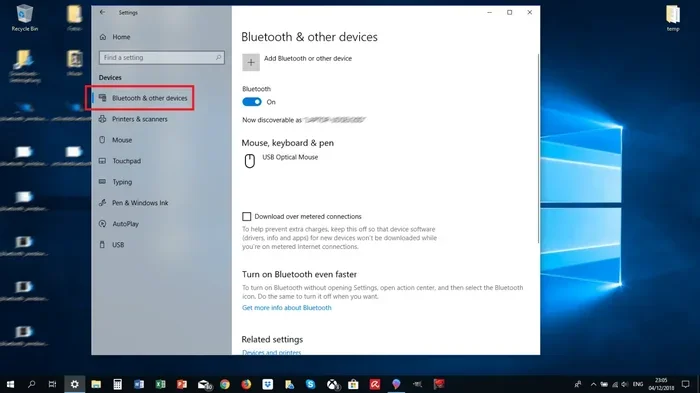
Also consider how you use your devices. If you share audio across rooms using wireless technology, your setup may differ from someone who uses a wired stereo system. For example, if you use Bluetooth to connect audio devices, the wireless connection can sometimes affect sound quality regardless of wattage. Similarly, features like AirDrop for sharing audio between Apple devices work independently of speaker power ratings and can influence how you experience sound in different rooms.
The Bottom Line on Watts and Loudness
Higher watts do not always mean louder sound. Speaker loudness is the result of a combination of factors working together. Sensitivity, impedance, room size, amplifier matching, and speaker design all play a role. Wattage is just one piece of the puzzle.
The next time you shop for speakers, do not fixate on the wattage number alone. Look at the full picture. Check the sensitivity rating. Consider your room size. Think about how you will use the speaker. And most importantly, listen to the sound yourself. Your ears are the best judge of what sounds good to you.
Understanding speaker wattage and audio output empowers you to make smarter choices. You will spend less money on equipment you do not need. You will enjoy better sound quality. And you will never fall for the myth that bigger numbers always mean better performance.
Great sound is about balance, not brute force. Choose your equipment wisely, set your volumes responsibly, and enjoy the music. That is what home audio is all about.
Frequently Asked Questions
Do higher watt speakers sound better than lower watt speakers?
Not necessarily. Sound quality depends on speaker design, driver quality, and sensitivity, not just wattage. A well-built 30-watt speaker can sound better than a poorly designed 100-watt speaker. Always focus on overall audio performance rather than power ratings alone.
What is a good wattage for a bedroom speaker?
For most bedrooms, 20 to 50 watts RMS is plenty. These wattage levels provide clean, clear sound at comfortable listening volumes. You do not need more power unless your room is very large or you listen at very high volumes.
Can too many watts damage speakers?
Yes, if the amplifier sends more power than the speaker can handle, it can cause distortion and eventually damage the speaker drivers. Always match your amplifier’s output to the speaker’s power handling rating for safe and optimal performance.
Why do some speakers with low watts sound so loud?
Speaker sensitivity plays a huge role. A speaker with high sensitivity (90 dB or above) converts electrical power into sound very efficiently. This means it can produce high volume levels even with low wattage input.
Is wattage the most important spec when buying speakers?
No. Sensitivity, frequency response, driver quality, and cabinet design are equally or more important. Wattage tells you the power limit, not the sound quality. Consider all specs together before making a purchase.
How does room size affect speaker loudness?
Larger rooms absorb more sound energy, so the same speaker may sound quieter in a big room compared to a small one. Hard surfaces reflect sound and increase perceived loudness. Always consider your room size when evaluating speaker power needs.
=== CONCLUSION ===
Higher watts do not always mean louder sound, and now you know exactly why. Speaker loudness is a combination of sensitivity, impedance, room acoustics, and amplifier matching. Wattage alone tells you very little about how a speaker will actually perform in your space.
Use this knowledge to make smarter audio purchases. Stop chasing big numbers and start focusing on what really matters: clean, clear, enjoyable sound. Your ears will notice the difference, and your wallet will thank you too.