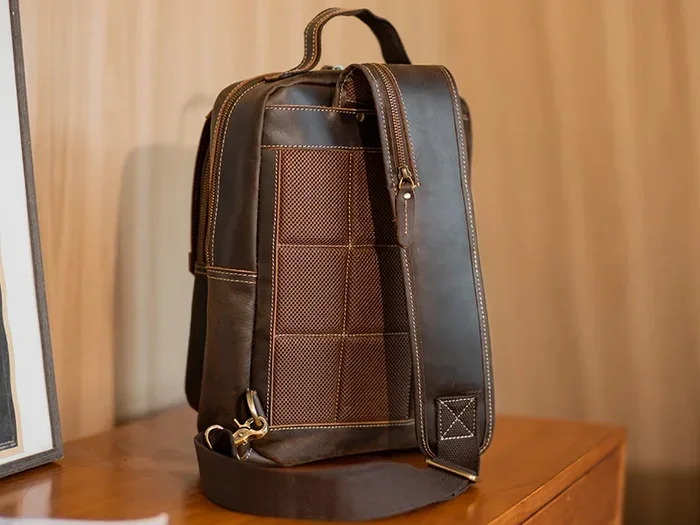
Are Leather Backpacks Practical And Worth The Money
Leather backpacks combine classic style with real-world durability, making them a solid choice for daily commutes, travel, and work. They hold up surprisingly well against wear and tear when properly maintained, and they actually age better than most synthetic options. While the upfront cost is higher, a quality leather backpack can last decades, making it a worthwhile investment for anyone looking for a reliable and stylish carry solution.
Have you ever wondered if a leather backpack is actually practical for daily life? It is a fair question. Leather backpacks look amazing, but they also come with a higher price tag and a few things to consider. Many people assume they are just fashion accessories. But the truth is, they are incredibly functional pieces that can serve you well for years.
In this guide, we will break down everything you need to know about are leather backpacks practical. We will look at durability, comfort, storage, and cost. By the end, you will have a clear answer on whether a leather backpack is the right choice for you. Let us dive in.
Key Takeaways
- Durability: Genuine leather backpacks withstand heavy daily use and last many years with proper care.
- Style: Leather backpacks offer a timeless, versatile look that works for both casual and professional settings.
- Investment Value: Though pricier upfront, leather backpacks save money long-term because they do not need frequent replacement.
- Care Matters: Regular conditioning and proper storage keep leather backpacks looking great for decades.
- Weight Consideration: Leather is heavier than nylon, so consider your carry needs before buying.
- Water Resistance: Treated leather handles light rain well, but it is not fully waterproof without extra protection.
📑 Table of Contents
What Makes a Leather Backpack Practical?
When people think about practical backpacks, they often picture nylon or polyester bags. Those materials are lightweight and cheap. But leather brings something different to the table. It offers a blend of strength, style, and longevity that few other materials can match.
A practical backpack needs to do several things well. It should carry your gear safely. It should be comfortable to wear all day. It should look good whether you are at the office or out for a weekend trip. Leather backpacks check all of these boxes.
Durability That Lasts
One of the biggest reasons people choose leather is its durability. Full-grain leather is one of the toughest natural materials available. It resists scratches, scuffs, and general wear and tear far better than synthetic fabrics. Over time, leather does not fall apart. Instead, it develops a beautiful patina that tells a story.
Think about it. A nylon backpack might last two or three years before the straps start fraying or the zippers break. A well-made leather backpack can easily last ten years or more. That is a huge difference in lifespan. When you factor in the cost per year of use, leather often comes out ahead.
Comfort and Ergonomics
Modern leather backpacks are designed with comfort in mind. Many feature padded shoulder straps and breathable back panels. Some even include hip belts that distribute weight more evenly. You can carry a leather backpack all day without sore shoulders.
The key is to choose a bag with good padding and adjustable straps. Not all leather backpacks are created equal in this area. So always check the design before you buy.
Types of Leather Used in Backpacks
Not all leather is the same. Understanding the different types helps you make a smarter purchase. Each type has its own strengths and weaknesses.
Full-Grain Leather
Full-grain leather is the highest quality available. It includes the entire outer layer of the hide, which makes it the strongest and most durable option. Full-grain leather develops a rich patina over time. It is also the most expensive type.
If you want a backpack that will last for decades, full-grain leather is the way to go. It is the gold standard for leather backpack quality.
Top-Grain Leather
Top-grain leather is the second most durable option. It has been sanded and buffed to remove imperfections. This process makes it slightly thinner and more flexible than full-grain. It is also more affordable.
Top-grain leather offers a great balance between durability and price. Many high-quality leather backpacks use this material.
Genuine Leather
Genuine leather is actually the lowest quality of the real leather grades. It is made from the leftover parts of the hide that are ground down and bonded with adhesives. It is much less durable than full-grain or top-grain.
Do not let the name fool you. “Genuine” does not mean “high quality.” If you are on a tight budget, genuine leather can work. But it will not last as long as the other options.
Vegan and Faux Leather
For those who prefer not to use animal products, faux leather or vegan leather is an option. It is usually made from polyurethane (PU) or polyvinyl chloride (PVC). Faux leather is lighter and cheaper, but it does not age as gracefully. It can crack and peel over time.
If sustainability matters to you, look for plant-based vegan leather alternatives. These are becoming more popular and perform better than traditional faux leather.
Benefits of Choosing a Leather Backpack
There are many reasons to choose a leather backpack over other materials. Let us look at the key benefits.
Timeless Style
Leather has a classic appeal that never goes out of fashion. A leather backpack for men or a leather backpack for women can elevate any outfit. It works with jeans, suits, dresses, and everything in between. You never have to worry about your backpack looking outdated.
Unlike trendy nylon bags that come and go, leather backpacks have a timeless quality. They look better as they age. That is a huge advantage.
Excellent Storage and Organization
Most leather backpacks come with multiple compartments and pockets. You can easily organize your laptop, notebooks, water bottle, and other essentials. The structured shape of leather keeps the bag from collapsing, which makes packing and unpacking much easier.
Many modern leather backpacks also feature padded sleeves for laptops and tablets. If you carry tech gear regularly, you want that kind of protection. In fact, the way leather backpacks protect sensitive devices is similar to how specialized equipment is used in fields like medicine, where devices need careful handling and storage. You can learn more about how technology plays a role in specialized fields here.
Natural Water Resistance
Leather has a natural ability to resist water to a degree. When properly treated with a water-resistant coating, leather can handle light rain and splashes. This makes it practical for everyday use in most weather conditions.
That said, leather is not fully waterproof. If you expect heavy rain, you should use a rain cover or waterproofing spray. A little preparation goes a long way.
Easy to Clean
Unlike fabric backpacks that stain easily and are hard to wash, leather is relatively easy to clean. A damp cloth can handle most spills and dirt. For deeper cleaning, a leather conditioner works wonders. Regular maintenance keeps the bag looking fresh and new.
Common Concerns About Leather Backpacks
Before you buy a leather backpack, it is important to understand the common concerns people have. Addressing these helps you make a confident decision.
Weight and Bulk
Leather is heavier than nylon or polyester. A leather backpack can weigh anywhere from 2 to 5 pounds even when empty. For people who carry light loads, this extra weight might feel noticeable.
However, if you carry a laptop, books, or other essentials, the weight difference becomes less of an issue. The structure of leather also means the bag holds its shape better, which can actually make it feel more organized and less bulky than a floppy nylon bag.
Price Point
The upfront cost of a leather backpack is higher than most synthetic options. A good quality leather backpack can range from $150 to $500 or more. That is a significant investment.
But here is the thing. When you consider how long a leather backpack lasts, the cost per year is often lower than replacing cheap nylon bags every couple of years. Over a ten-year period, a $300 leather backpack can actually save you money.
Maintenance Requirements
Leather does require some care. It needs to be conditioned every few months to prevent drying and cracking. It should be stored in a cool, dry place. These are simple tasks, but they do take a little effort.
If you are willing to put in that small amount of care, your leather backpack will reward you with years of reliable use. The maintenance routine is quick and easy once it becomes a habit.
Water Damage Risk
As mentioned earlier, leather is not fully waterproof. Heavy rain or exposure to water can cause damage if the leather is not treated. Dark-colored leather is more forgiving when it gets wet, as water spots are less visible.
To minimize this risk, apply a leather protectant spray every few months. This creates a barrier that helps repel moisture. It is a simple step that extends the life of your bag significantly.
How to Care for Your Leather Backpack
Proper care is the secret to making a leather backpack last for many years. The good news is that it is not complicated.
Regular Cleaning
Wipe down your leather backpack with a damp cloth after each use. This removes dust and minor dirt before it builds up. For stubborn stains, use a mild leather cleaner. Avoid harsh chemicals or household cleaners, as they can damage the leather.
Conditioning
Leather needs moisture to stay supple and prevent cracking. Apply a leather conditioner every two to three months. Use a soft cloth to work the conditioner into the leather in circular motions. Allow it to absorb fully before using the bag.
Proper Storage
When you are not using your backpack, store it in a cool, dry place. Stuff the interior with tissue paper or a soft cloth to help it maintain its shape. Avoid hanging it by the straps, as this can stretch the material over time.
Dealing with Scuffs and Scratches
Scuffs and scratches are normal for leather. In fact, they add character. Minor scuffs can often be rubbed out with your fingers or a soft cloth. Deeper scratches can be treated with a leather repair kit. These kits are affordable and easy to use.
Water Damage Prevention
Apply a waterproofing spray designed for leather. Reapply every few months or after heavy use. If your backpack does get soaked, let it air dry naturally. Never use a hairdryer or place it near a heat source, as this can cause the leather to warp or crack.
Stain Removal
For oil-based stains, sprinkle baking soda on the affected area and let it sit overnight. For water stains, dampen a cloth with equal parts water and white vinegar, then gently dab the stain. Always test any cleaning method on a small, hidden area first.
Are Leather Backpacks Worth the Money?
This is the big question, and the answer depends on your needs and priorities. Let us break it down.
When a Leather Backpack Is Worth It
A leather backpack is worth the investment if you value longevity, style, and quality. If you want a bag that will last for years and only get better with age, leather is the way to go. It is also worth it if you carry your backpack daily and need something that can handle the wear.
People who work in professional environments benefit from the polished look of leather. It projects a sense of professionalism and sophistication that nylon bags simply cannot match. For students who want a bag that looks great and holds up to daily abuse, leather is an excellent choice too.
When a Leather Backpack Might Not Be the Best Fit
Leather backpacks are not ideal for everyone. If you need an ultralight bag for hiking or long-distance travel, a nylon or synthetic backpack will serve you better. Leather adds weight that can slow you down on long hikes.
Also, if you live in a very wet climate and do not want to deal with regular waterproofing, a synthetic material might be more practical. And if you are on a very tight budget, a quality leather backpack might not be feasible right now.
The Long-Term Value
Here is the bottom line. A quality leather backpack is an investment. Think of it like buying a good pair of shoes. A $200 pair of boots that lasts ten years is cheaper than buying five $40 pairs that fall apart in a year. The same logic applies to leather backpacks.
Over time, the cost per use of a leather backpack drops dramatically. After a few years of daily use, you will have gotten your money’s worth many times over. That is what makes leather backpacks so practical in the long run.
Comparison: Leather vs. Nylon Backpacks
| Feature | Leather Backpack | Nylon Backpack |
|---|---|---|
| Durability | Lasts 10+ years | Lasts 2-4 years |
| Weight | Heavier (2-5 lbs empty) | Lighter (1-3 lbs empty) |
| Water Resistance | Moderate (needs treatment) | Naturally water-resistant |
| Style | Classic, timeless | Modern, sporty |
| Price | $150-$500+ | $30-$150 |
| Maintenance | Requires conditioning | Minimal |
| Aging | Improves with age | Wears out over time |
Quick Tips for Buying a Leather Backpack
- Check the leather type before buying. Full-grain and top-grain offer the best value.
- Test the zippers and stitching. Quality hardware matters as much as the leather itself.
- Try the backpack on with weight inside. Comfort is just as important as looks.
- Look for padded laptop sleeves if you carry a computer.
- Read reviews from other buyers to learn about real-world durability.
- Consider the color. Darker colors hide wear and water spots better.
- Check for a warranty. Reputable brands stand behind their products.
Common Mistakes to Avoid
- Buying the cheapest option. Low-quality leather will crack and fall apart quickly.
- Skipping the waterproofing treatment. This leaves your bag vulnerable to water damage.
- Overstuffing the bag. This can stretch the leather and weaken the seams.
- Storing the bag in direct sunlight. UV rays can dry out and discolor leather.
- Using harsh cleaners. Stick to products designed specifically for leather care.
Expert Insights
According to leather care experts, the key to a long-lasting leather backpack is consistency. Conditioning every few months, avoiding prolonged exposure to moisture, and storing the bag properly can extend its lifespan by years. A good leather backpack is essentially a long-term companion. The more care you put into it, the more it gives back in return.
Fashion and lifestyle experts also note that leather backpacks have made a strong comeback in recent years. They are no longer seen as old-fashioned. Instead, they are viewed as a smart, sophisticated choice for people who value quality over disposable fashion.
Final Thoughts: Are Leather Backpacks Practical
So, are leather backpacks practical? The answer is a clear yes. They are durable, stylish, and built to last. Yes, they require a bit more care than synthetic bags, and yes, they cost more upfront. But the long-term benefits far outweigh these small drawbacks.
A leather backpack is not just a bag. It is a daily companion that grows with you. It carries your work essentials, your travel gear, and your everyday items with style and reliability. When you invest in a quality leather backpack, you are investing in something that will serve you well for many years to come.
If you are ready to make the switch, start by choosing the right type of leather for your needs and budget. Follow the care tips in this guide, and your leather backpack will reward you with years of dependable service. A practical choice that looks great and lasts a lifetime. That is hard to beat.
Frequently Asked Questions
Can a leather backpack be used for everyday commuting?
Absolutely. Leather backpacks are excellent for daily commuting. They are durable enough to handle the wear and tear of regular use. Many commuters prefer leather because it looks professional and ages well over time.
How long does a leather backpack typically last?
A quality leather backpack can last anywhere from 10 to 20 years with proper care. The lifespan depends on the type of leather, how often you use it, and how well you maintain it. Full-grain leather tends to last the longest.
Are leather backpacks waterproof?
Leather is not naturally waterproof, but it has some natural water resistance. Applying a waterproofing treatment or spray greatly improves its ability to repel water. For heavy rain, it is best to use a rain cover.
What is the best leather type for a backpack?
Full-grain leather is the best option for durability and longevity. Top-grain leather is a great alternative if you want a slightly more flexible bag at a lower price point. Genuine leather is the most affordable but least durable option.
Do leather backpacks smell?
New leather backpacks may have a mild leather scent, which is completely normal. The smell usually fades within a few weeks of regular use. Storing the bag with a dryer sheet or baking soda can help speed up the process.
Can I use a leather backpack for travel?
Yes, leather backpacks work well for travel. They offer sturdy construction and plenty of compartments for organizing your belongings. Just be mindful of airline weight limits, as leather is heavier than synthetic alternatives.
=== CONCLUSION ===
Are leather backpacks practical? The answer is a resounding yes. They combine durability, style, and long-term value in a way that few other materials can match. While they require a bit more care and a higher upfront investment, the payoff is significant. A quality leather backpack can serve you for decades, looking better with each passing year.
Whether you are commuting to work, traveling the world, or just running errands, a leather backpack is a reliable and stylish choice. Take care of it, and it will take care of you. Start your search today and find the perfect leather backpack that fits your needs and budget.