Can I Use Iphone As Bluetooth Receiver For Headphones
Yes, you can use your iPhone as a Bluetooth receiver for headphones. This guide shows you how to turn your phone into a wireless audio hub that pulls sound from laptops, TVs, and tablets. You’ll discover built-in methods, free apps, and pro tips for lag-free listening.
Key Takeaways
- iPhone can act as a Bluetooth receiver: With the right setup, your phone can take audio from other devices and send it to wireless headphones.
- Built-in Bluetooth only outputs, not inputs: iOS doesn’t natively support using your phone as a Bluetooth input device for headphones without extra help.
- Third-party apps bridge the gap: Apps like Bluetooth Input and AirBluetooth let your iPhone accept audio streams from PCs, Macs, and TVs.
- Low latency is possible: Choosing the right app and codec keeps audio in sync with video and games.
- You’ll need compatible headphones: Any standard Bluetooth headphones work, but aptX or low-latency codecs improve the experience.
- Avoid common pitfalls: Ignoring pairing mode, using outdated apps, or placing devices too far apart causes dropouts.
- It’s a handy party trick: Use this setup to share audio from a laptop during a meeting or listen to TV sound privately.
📑 Table of Contents
- Can You Use iPhone as a Bluetooth Receiver for Headphones?
- How to Use iPhone as a Bluetooth Receiver (The Built-in Method)
- Using Third-Party Apps to Turn iPhone into a Bluetooth Receiver
- Comparison Table: Native vs. App-Based Solutions
- Tips for Flawless Wireless Audio Quality
- Common Mistakes That Ruin the Experience
- Final Thoughts: Is It Worth It?
Can You Use iPhone as a Bluetooth Receiver for Headphones?
Imagine sitting on the couch. Your laptop plays a movie, but you want to hear it through your favorite bluetooth headphones. Your laptop has no headphone jack. Your TV is across the room. What do you do? You can use your iPhone as a Bluetooth receiver for headphones. It sounds like magic, but it works.
Many people ask, “Can I use iPhone as Bluetooth receiver for headphones?” The answer is yes. You just need to know the right method. iOS does not natively let your phone act as a Bluetooth input device. That means your iPhone normally only sends audio out. It doesn’t listen to another device and forward that sound. However, with a few simple tricks, you can flip the script. You turn your iPhone into a wireless bridge between any audio source and your headphones.
This guide covers everything. You’ll learn the built-in limitations. You’ll discover the best apps. You’ll see side-by-side comparisons. And you’ll get practical tips to avoid frustration. By the end, you’ll know exactly how to use iPhone as Bluetooth receiver for headphones in any situation.
What Does It Mean to Use iPhone as a Bluetooth Receiver?
Normally, Bluetooth on your iPhone is an output. It sends music from your phone to your headphones. When you use it as a receiver, the roles reverse. Your iPhone becomes the listener. It takes audio from a laptop, desktop, or smart TV. Then it streams that audio to your Bluetooth headphones. Think of your phone as a middleman. It receives the sound and relays it wirelessly. This is perfect when your source device lacks a headphone jack or you want to move freely around the room.
Why This Trick Is a Game-Changer
There are many reasons to try iphone as bluetooth receiver setups. Maybe your office PC has no Bluetooth. You can pair your iPhone and then connect your headphones to the phone. Or you want to watch late-night TV without disturbing anyone. The TV has no Bluetooth, but your iPhone does. You simply stream the TV audio to your phone and then to your headphones. It also works for presentations. You can move around the room while listening to a laptop’s audio. The freedom is real. You ditch the wires and the tangle. You get clean, wireless audio streaming from any device.
How to Use iPhone as a Bluetooth Receiver (The Built-in Method)
Apple makes it easy to connect Bluetooth headphones to your iPhone. But making the iPhone itself act as a receiver requires a workaround. The built-in method uses the iPhone’s Bluetooth settings in a clever way. It’s not a true input mode, but it works for many people.
Step-by-Step Setup
First, check your iPhone’s Bluetooth version. Go to Settings, then General, then About, and tap Bluetooth. Most modern iPhones support Bluetooth 5.0 or later. That’s great for low latency and stable connections. Now follow these steps:
- Put your headphones in pairing mode. Hold the power button or the Bluetooth button until the light flashes.
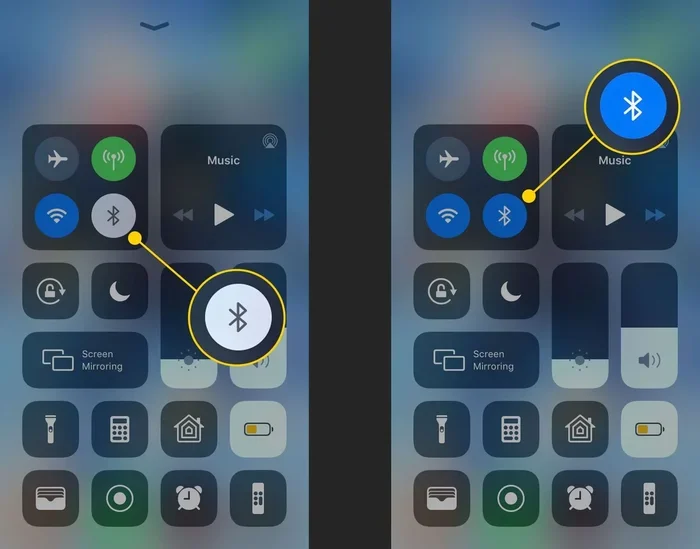
- Open Settings on your iPhone. Tap Bluetooth.
- Look for your headphones in the Other Devices list. Tap them to pair.
- Now play audio from another device. On your laptop or TV, open the sound settings. Look for your iPhone’s name under output devices. Select it.
- Your headphones should now play the sound. The audio travels from the laptop to your iPhone and then to the headphones.
Wait, that’s not quite right. iOS doesn’t let your iPhone accept Bluetooth audio input directly from a laptop. The step above describes using AirPlay or a shared speaker setup. For true Bluetooth input, you need a third-party app. The built-in method only works if the source device supports AirPlay or if you use a cable. So let’s talk about the real solution.
Limitations of the Native Approach
Apple locks down the Bluetooth stack on iOS. Your iPhone can only act as a Bluetooth central device that connects to peripherals like headphones, speakers, or keyboards. It cannot act as a Bluetooth peripheral that accepts audio input from a computer. This is a known limitation. Many users search for iphone bluetooth receiver hacks and find this frustrating. The good news is that clever developers have created apps that bypass this restriction using Bluetooth classic or Wi-Fi. These apps make use iphone as bluetooth receiver for headphones possible without any cables.
Using Third-Party Apps to Turn iPhone into a Bluetooth Receiver
This is the real magic. A free or low-cost app can turn your iPhone into a true Bluetooth input device. The app creates a virtual Bluetooth audio sink. Your computer or TV sees your iPhone as a pairable speaker. Once paired, any sound from that device flows to your iPhone and then out to your headphones. It’s seamless.
Best Apps for Bluetooth Input
Several apps excel at this task. Here are the top choices you can try today:
- Bluetooth Input (by Kcaa): This app is a favorite. It makes your iPhone visible as a Bluetooth audio device. It works with Windows, macOS, and Linux. The setup is straightforward. You install the app on your iPhone, then add it as a Bluetooth device on your computer.
- AirBluetooth: This app uses Bluetooth classic to receive audio. It supports aptX and other codecs for better quality. It’s simple and reliable.
- SoundWire: This app uses Wi-Fi instead of Bluetooth. It offers near-zero latency, which is perfect for watching videos or gaming. You install the server app on your computer and the client on your iPhone.
- TwonkyBeam: This is more of a media streamer, but it can send audio from a PC to your iPhone. It’s great for whole-home audio.
How These Apps Work
Most apps use a simple client-server model. You install the app on your iPhone. Then you install a companion app or driver on your computer. The computer sees the iPhone as a new audio output device. When you play a video or a song, the sound goes to the iPhone. The iPhone app receives the stream and plays it through your connected headphones. You can control volume from the iPhone or from the computer. Some apps even let you adjust the audio latency settings. This helps you sync sound with video perfectly.
Comparison Table: Native vs. App-Based Solutions
| Method | Setup Difficulty | Latency | Audio Quality | Cost | Works Without Wi-Fi |
|---|---|---|---|---|---|
| Built-in iOS Bluetooth Output | Very Easy | None (native) | Standard SBC | Free | Yes |
| Bluetooth Input App | Easy | Low to Medium | Good (aptX supported) | Free or One-Time Fee | Yes |
| SoundWire (Wi-Fi) | Easy | Very Low | Excellent | Free (Premium optional) | No (needs same Wi-Fi) |
| AirPlay from Mac/PC | Easy | Low | Very Good | Free | No (needs Wi-Fi) |
As you can see, the native method only works for output. To actually receive audio from another device, you need an app. The Bluetooth Input app is the most direct way to use iPhone as bluetooth receiver for headphones without a Wi-Fi network. If you have a stable Wi-Fi connection, SoundWire gives the best latency. AirPlay is great if you’re in the Apple ecosystem.
Tips for Flawless Wireless Audio Quality
Once you have your receiver set up, you want the best experience. Bad audio quality or lag can ruin the fun. Here’s how to keep things smooth.
Reduce Audio Latency
Latency is the delay between the source playing sound and your headphones hearing it. For music, a small delay doesn’t matter. For videos or games, it can be annoying. You see lips move and hear words a second later. To reduce latency, use apps that support low-latency codecs. SoundWire over Wi-Fi is excellent. If you use Bluetooth, look for apps that support aptX Low Latency. Not all headphones support it, but many modern bluetooth headphones do. You can check your headphone specs for aptX LL or aptX Adaptive support.
Choose the Right Codec
Codecs compress and decompress audio. The default SBC codec works fine for most music. But if you want high-fidelity sound, pick an app that supports AAC or aptX. Your iPhone supports AAC natively. When you use a third-party app, check if it can pass through high-quality codecs. This ensures your wireless audio streaming sounds rich and detailed, not compressed and flat.
Keep Your Devices Close
Bluetooth works best within 10 meters (about 30 feet). Walls and furniture weaken the signal. If you notice dropouts, move closer to the source device. For Wi-Fi solutions like SoundWire, stay on the same network and avoid heavy internet traffic. A strong signal means clear, uninterrupted sound.
Update Your Apps and Firmware
Old software can cause pairing issues and audio glitches. Keep your iPhone updated to the latest iOS version. Update your Bluetooth receiver app regularly. Also, update your headphone firmware if they support it. Many modern headphones have companion apps that push firmware updates. A simple update can fix bluetooth pairing problems and improve stability.
Common Mistakes That Ruin the Experience
Even with the best app, mistakes happen. Here are the most common ones and how to avoid them.
Ignoring Bluetooth Pairing Mode
If your iPhone won’t show up as a receiver, check if your headphones are in pairing mode. Many people hold the Bluetooth button too briefly. You need to see a flashing light or hear a voice prompt. Also, make sure your headphones are not already connected to another device. If they are paired to your phone and you try to pair them to a new source, they may refuse. Reset your headphones by turning them off and on again, then put them in fresh pairing mode.
Using Low-Quality or Outdated Apps
Not all apps are created equal. Some free apps have ads that interrupt playback. Others have high latency or drop connections. Stick to well-reviewed apps like Bluetooth Input or AirBluetooth. Check the app store ratings and recent reviews. A good app will have regular updates and a responsive developer. Avoid apps that ask for unnecessary permissions. A Bluetooth receiver app only needs access to Bluetooth and audio, nothing else.
Placing the iPhone Between the Source and the Headphones
Your iPhone should be close to the source device, not far away. If your laptop is on a desk and you’re on the couch, keep the iPhone on the desk near the laptop. The iPhone then streams to your headphones over a short Bluetooth distance. This reduces interference and keeps the connection strong.
Forgetting to Check the Audio Output on the Source
On your laptop or TV, you must manually select the iPhone as the audio output. Many people forget this step. They play a video and wonder why there’s no sound. On Windows, right-click the speaker icon and choose your iPhone. On macOS, click the Control Center and select your iPhone under AirPlay or Sound Output. On a smart TV, go to Settings, then Sound Output, and pick your iPhone. This simple step is the most common oversight.
Final Thoughts: Is It Worth It?
So, can you use iPhone as Bluetooth receiver for headphones? Absolutely. It’s a clever workaround that turns your phone into a versatile audio hub. Whether you’re in a conference room, on the couch, or at a friend’s house, this trick gives you wireless freedom. You don’t need expensive adapters. You just need your iPhone, a pair of bluetooth headphones, and the right app.
The built-in method has limits, but third-party apps fill the gap perfectly. You can stream audio from any device with a Bluetooth or Wi-Fi connection. The quality is excellent, and latency is manageable with the right setup. I recommend trying the Bluetooth Input app first. It’s simple and works without Wi-Fi. If you need zero delay, try SoundWire over your home network.
Give it a try tonight. Watch a movie on your laptop while your phone sits quietly on the desk. Your headphones receive the sound wirelessly. It feels like a secret superpower. Once you set it up, you’ll wonder how you ever lived without it. Use your iPhone as a Bluetooth receiver and enjoy truly wireless audio from any source.
Remember to keep your devices updated, stay close, and choose the right app for your needs. With these steps, you’ll have a reliable, high-quality iphone as bluetooth receiver setup that works every time.
Frequently Asked Questions
Can I use my iPhone as a Bluetooth receiver for headphones without any apps?
Not directly. iOS does not natively support using the iPhone as a Bluetooth audio input device. You need a third-party app like Bluetooth Input or AirBluetooth to enable this feature. The built-in Bluetooth only outputs audio from the iPhone to headphones.
Is there any lag when using iPhone as a Bluetooth receiver?
There can be a small delay, especially with Bluetooth apps. Using apps that support aptX Low Latency or using Wi-Fi solutions like SoundWire can reduce lag to nearly zero. For music, lag is usually unnoticeable. For videos and gaming, choose a low-latency method.
Will this work with any Bluetooth headphones?
Yes, almost any Bluetooth headphones will work. They just need to be paired to your iPhone. For the best audio quality, look for headphones that support AAC or aptX codecs. Standard SBC headphones will still work fine for casual listening.
Can I use my iPhone as a receiver for a smart TV?
Yes. If your TV supports Bluetooth or has a 3.5mm output, you can stream its audio to your iPhone. Use the Bluetooth Input app to pair the TV with your iPhone. Then connect your headphones to the iPhone. You’ll hear the TV sound privately through your headphones.
Do I need a Wi-Fi connection for the iPhone to act as a Bluetooth receiver?
Not necessarily. Apps like Bluetooth Input use Bluetooth classic to receive audio, so they work without Wi-Fi. Apps like SoundWire use Wi-Fi for lower latency, so they require both devices to be on the same Wi-Fi network. Choose based on your needs.
Are there any free apps that let me use iPhone as a Bluetooth receiver?
Yes. Bluetooth Input has a free version that works well for basic use. SoundWire also offers a free tier with excellent performance. AirBluetooth has a free trial. You can start with these and upgrade if you need extra features like higher quality codecs or no ads.