Can Cameras Be Hidden In Walls Are They Really Possible
Yes, cameras can absolutely be hidden in walls, and modern technology makes it easier than ever. From pinhole cameras to full-motion hidden security cameras, wall-mounted surveillance options are more advanced and discreet than most people realize. This guide covers how they work, what types exist, and how to spot them.
Key Takeaways
- Hidden wall cameras are real and widely available: Modern miniature cameras can fit inside walls with ease.
- Several types exist for different needs: Pinhole cameras, wall-mounted spy cameras, and recessed security options all serve unique purposes.
- Detection tools can help you find hidden devices: RF detectors, thermal cameras, and simple flashlight checks work well.
- Legal considerations matter: Privacy laws vary, and consent is key when using hidden recording devices.
- Technology powers modern concealment: Computers and microprocessors enable tiny, high-quality cameras to hide in plain sight.
- Professional installation is often the best route: Experts ensure proper wiring, placement, and legal compliance.
📑 Table of Contents
- Can Cameras Be Hidden In Walls? The Surprising Truth
- How Hidden Wall Cameras Actually Work
- Types of Cameras That Can Be Hidden in Walls
- Can You Install a Hidden Camera in a Wall Yourself?
- How to Detect Hidden Cameras in Walls
- Legal Considerations for Hiding Cameras in Walls
- Key Takeaways
- Final Thoughts
Can Cameras Be Hidden In Walls? The Surprising Truth
The short answer is yes. Cameras can absolutely be hidden inside walls. And the technology behind it has come a long way. What once seemed like something out of a spy movie is now a real-world option for homeowners, business owners, and even everyday renters.
Wall-mounted hidden cameras have become a major part of the home security camera landscape. People want to protect their property without making their living spaces look like a fortress. A camera hidden inside a wall offers the perfect blend of security and discretion.
But how do these devices actually work? What types are available? And is it legal to hide a camera in your wall? This article breaks it all down in simple, easy-to-understand terms. Whether you are exploring covert surveillance for your home or just curious about the technology, you are in the right place.
Why Hidden Wall Cameras Are Growing in Popularity
Home security is a top priority for millions of families. Traditional cameras are bulky and obvious. They sit on shelves or hang from ceilings. They draw attention. But a hidden security camera tucked inside a wall stays out of sight and out of mind.
Here are some reasons people choose to hide cameras in walls:
- They blend in seamlessly: The camera becomes virtually invisible to visitors and intruders alike.
- They deter crime better: Criminals do not know where to look, which makes them think twice.
- They protect pets and children: Parents and pet owners can monitor their loved ones without cluttering the room.
- They save space: No need for bulky equipment on shelves or tables.
- They look professional: Businesses can monitor premises without a messy setup.
The demand for discreet surveillance cameras has grown fast. And manufacturers have responded with smaller, smarter, and more powerful devices. The modern miniature camera can fit behind a single outlet cover or inside a wall stud.
How Hidden Wall Cameras Actually Work
Understanding how a camera hides inside a wall starts with knowing the basic parts. Every camera has a lens, a sensor, and a processor. In a hidden setup, these components get miniaturized and tucked into a small cavity behind drywall or plaster.
Modern wall cameras for home use tiny sensors that capture high-resolution video even in low light. The lens is often no bigger than a pencil eraser. The processor handles recording, motion detection, and sometimes even live streaming.
Many hidden cameras connect to your home Wi-Fi network. This lets you view footage from your phone or computer. The data travels through your network just like any other smart device. And here is something interesting: the same computer technology that powers devices in fields like medicine, as seen in how computers are used in medicine, also enables these tiny cameras to process and transmit video so efficiently.
Power Supply Options for Wall-Mounted Cameras
Powering a hidden camera is one of the trickiest parts of the installation. Here are the most common options:
- Wired power: The camera connects directly to your home’s electrical system through the wall. This is the most reliable option.
- Battery-powered cameras: These run on rechargeable or replaceable batteries. They are easier to install but need regular maintenance.
- Power over Ethernet (PoE): A single cable provides both power and internet connection. Clean and efficient.
- Solar-powered options: Some cameras use small solar panels mounted outside the wall. Great for outdoor wall setups.
Each option has pros and cons. Wired setups offer reliability but require professional help. Battery-powered cameras are easy to install but may stop recording if the battery dies. Pinhole cameras often use internal batteries because of their small size.
Types of Cameras That Can Be Hidden in Walls
Not all hidden cameras are the same. Different types serve different purposes. Here is a closer look at the most popular options.
Pinhole Cameras
A pinhole camera uses a tiny opening instead of a traditional lens. The hole acts as the lens, letting light in to create an image. These cameras are incredibly small and can fit inside a wall with almost no visible trace.
Pinhole cameras work best in well-lit areas. Because the hole is so small, they need plenty of light to capture clear images. They are popular for nanny cams and office monitoring.
Recessed Wall Cameras
Recessed cameras sit inside a cutout in the wall. The front of the camera sits flush with the surface. From the outside, it looks like a small dot or a smoke detector. These are among the most popular wall-mounted surveillance options.
Recessed cameras often include infrared night vision. This means they can record in complete darkness. Many models also feature motion detection alerts that send notifications straight to your phone.
Spy Cameras Disguised as Wall Objects
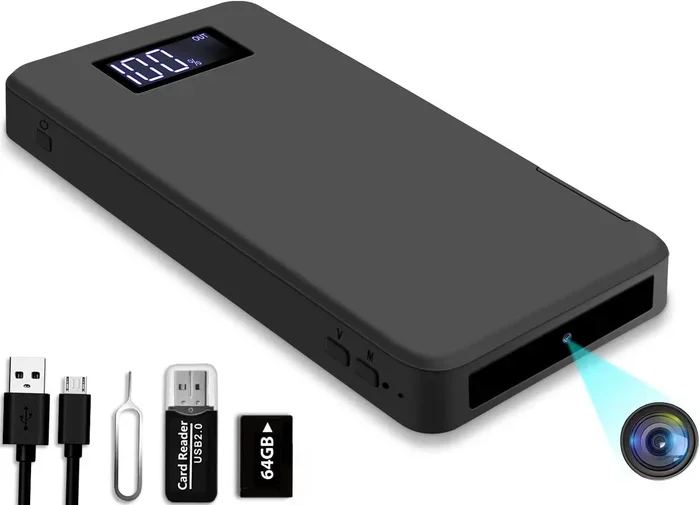
Some hidden cameras are disguised as everyday wall items. Clock cameras, smoke detector cameras, and even outlet cover cameras all fall into this category. They look completely normal, but they record everything happening in the room.
These secret cameras are great for renters or anyone who cannot make permanent modifications to a wall. They simply place the device on the wall and start recording.
Can You Install a Hidden Camera in a Wall Yourself?
The short answer is yes, many people do it themselves. But there are important factors to consider before you start cutting into walls.
DIY Installation Steps
Here is a general overview of what a DIY wall camera installation looks like:
- Choose the right camera: Pick a model that fits your wall type and power needs.
- Find the right spot: Look for a wall section with a stud cavity or a junction box you can access.
- Cut a small opening: Use a drywall saw to create an opening for the camera lens.
- Run the wiring: If using a wired model, route the cable through the wall to your router or power source.
- Secure the camera: Mount the camera inside the cavity and test the angle.
- Patch and paint: Cover the opening with drywall compound and paint it to match the wall.
The process sounds straightforward, but it requires some DIY skills. You need to know how to work with drywall, run cables safely, and configure the camera software. If you are not comfortable with these steps, hiring a professional is a smart move.
Common Mistakes to Avoid
- Forgetting about wiring: Always plan your cable route before cutting any holes.
- Choosing the wrong location: Avoid areas with direct sunlight or extreme temperatures that can damage the camera.
- Ignoring audio laws: Some hidden cameras record sound, which may violate wiretapping laws in your area.
- Skipping the test run: Always test the camera before patching the wall. Fixing mistakes after painting is much harder.
How to Detect Hidden Cameras in Walls
Not everyone wants to hide cameras. Some people want to find them. Whether you are renting a new place or staying in a hotel, knowing how to detect a hidden camera is a valuable skill.
Simple Detection Methods
- Visual inspection: Look closely at walls for tiny holes, unusual objects, or spots that seem out of place. A flashlight can help reveal camera lenses by reflecting light off the glass.
- RF detection: A radio frequency detector can pick up the wireless signal that a hidden camera uses to transmit footage.
- Thermal imaging: Some cameras emit heat. A thermal camera can spot temperature differences in a wall that suggest a hidden device.
- Smartphone apps: Several apps claim to detect hidden cameras using your phone’s magnetometer or camera sensor. Results vary, but they are worth trying.
The best approach is to combine multiple methods. No single tool catches every hidden device. And hidden camera detection has become a growing market because more people are concerned about their privacy.
Legal Considerations for Hiding Cameras in Walls
This is a topic that many people overlook. The truth is that laws around surveillance cameras and hidden recording devices vary by location. What is legal in one state or country may be illegal in another.
In most places, you can install cameras in areas where people have no reasonable expectation of privacy. This means your living room, hallway, or front porch are generally fine. But bathrooms, bedrooms, and changing rooms are off-limits in most jurisdictions.
Audio recording adds another layer of complexity. Many places require two-party consent, meaning all people being recorded must know about it. Hidden cameras that record audio without consent can lead to serious legal trouble.
Before installing any covert surveillance device, check your local laws. When in doubt, consult a legal professional. It is always better to be safe than sorry.
Quick Tips for Legal Compliance
- Always research your state or country’s surveillance laws before installing.
- Post visible signs if your area requires notification of recording.
- Never record in private spaces like bathrooms or bedrooms.
- Keep footage secure and limit access to trusted individuals.
- Consult a lawyer if you are unsure about the legality of your setup.
Key Takeaways
- Hidden wall cameras are a real and practical security solution: They offer discreet monitoring without disrupting your home’s look.
- Multiple types fit different needs and budgets: From pinhole cameras to recessed units, there is an option for every situation.
- DIY installation is possible but challenging: Plan carefully, follow safety steps, and test before finishing the wall.
- Detection tools exist for those who need them: RF detectors, visual inspections, and thermal imaging can all reveal hidden devices.
- Legal rules are not optional: Always follow local laws regarding recording, consent, and privacy expectations.
- Professional help saves time and headaches: If you are unsure, an expert can handle the installation and ensure everything works correctly.
Final Thoughts
Can cameras be hidden in walls? Absolutely. The technology exists, the options are diverse, and the demand continues to grow. Whether you want a hidden security camera for your home, a nanny cam to watch over your child, or a wall-mounted security system for your business, the solutions are out there.
The key is to approach hidden cameras with both enthusiasm and responsibility. Understand the technology, choose the right type of device, install it properly, and always stay within the law. Hidden surveillance cameras can offer real peace of mind when used correctly.
Take some time to explore your options. Read reviews, compare features, and if you are not the DIY type, bring in a professional. Your home, your family, and your belongings deserve the protection that modern wall cameras for home can provide.
Stay informed, stay safe, and enjoy the confidence that comes with knowing you have taken smart steps to secure your space.
Frequently Asked Questions
Can you really hide a camera inside a wall?
Yes, it is entirely possible. Modern miniature cameras are small enough to fit inside wall cavities, behind drywall, or even inside outlet covers. Many homeowners and businesses use hidden wall cameras every day for security and monitoring purposes.
Are hidden cameras in walls legal?
In most cases, yes, as long as you are recording in areas where people do not have a reasonable expectation of privacy. Laws vary by location, so always check your local regulations. Audio recording rules are especially important to understand before installing any device.
How do you detect a camera hidden in a wall?
You can use several methods including visual inspection with a flashlight, RF signal detectors, thermal imaging cameras, and smartphone apps. Combining multiple detection methods gives you the best chance of finding any hidden recording device in your space.
What is the best type of camera to hide in a wall?
It depends on your needs. Pinhole cameras work well for small, discreet setups. Recessed cameras offer a flush, professional look. Spy cameras disguised as everyday objects are great for renters. Consider your space, budget, and goals when choosing.
Do hidden wall cameras need Wi-Fi?
Not all of them do. Some hidden cameras record to a local SD card and do not require internet access. However, Wi-Fi-enabled cameras let you view live footage and receive alerts on your phone from anywhere. Choose based on your connectivity needs and security preferences.
Can hidden cameras record in the dark?
Many can. Most modern hidden surveillance cameras include infrared night vision or low-light sensors. This allows them to capture clear footage even in complete darkness. Check the specifications of any camera before purchasing to confirm its night vision capabilities.