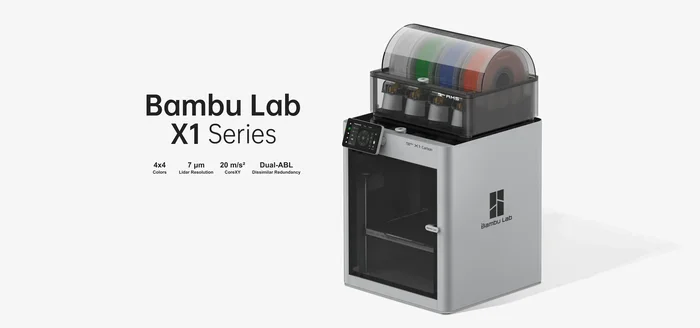
Can Bamboo Be 3d Printed The Surprising Truth Inside
Yes, bamboo can be 3D printed, and the results are more impressive than you might think. This guide reveals how bamboo-based filaments, composites, and powders are being used in additive manufacturing to create sustainable, biodegradable objects. You will learn about the science, the best printers, the challenges, and practical tips for working with bamboo in 3D printing.
Imagine printing a phone case, a plant pot, or even a decorative figurine using a material that comes straight from the earth. That is the promise of bamboo 3D printing. It sounds futuristic, but the technology is here right now.
Bamboo is one of the fastest-growing plants on the planet. It is strong, flexible, and completely renewable. For years, people have used it for building, cooking, and crafting. Now, the 3D printing world has discovered it too. The idea of 3D printing with bamboo opens up exciting possibilities for sustainable manufacturing and eco-conscious creators.
So, can bamboo be 3D printed? The short answer is yes. The full answer is fascinating, complex, and full of surprises. This article dives deep into how bamboo is used in additive manufacturing, what materials are available, what challenges you will face, and how you can get started yourself.
Key Takeaways
- Bamboo can be 3D printed: Using bamboo filament, bamboo composite blends, and bamboo powder in specialized 3D printers.
- It is eco-friendly: Bamboo is a renewable resource that produces biodegradable 3D printed objects, making it a green alternative to plastic.
- Bamboo PLA filament is the most popular option: It combines bamboo fibers with PLA plastic for easy printing and strong results.
- Challenges exist: Bamboo materials can be brittle, require careful drying, and need specific printer settings for best results.
- The future is bright: Researchers are developing pure bamboo composites and new processing methods that could revolutionize sustainable manufacturing.
- You can try it today: With a standard FDM printer and bamboo filament, you can start experimenting with bamboo 3D printing at home.
📑 Table of Contents
- What Is Bamboo 3D Printing?
- Why Bamboo for 3D Printing?
- Types of Bamboo Materials for 3D Printing
- How to 3D Print with Bamboo Filament
- Challenges and Limitations of Bamboo 3D Printing
- The Future of Bamboo in Additive Manufacturing
- Common Mistakes When 3D Printing with Bamboo
- Quick Tips for Better Bamboo 3D Prints
- Comparison: Bamboo vs. Traditional 3D Printing Materials
- Conclusion
What Is Bamboo 3D Printing?
Bamboo 3D printing refers to the process of using bamboo-based materials in a 3D printer to create three-dimensional objects. This can take several forms. The most common method uses bamboo fiber blended with a plastic base, usually PLA (polylactic acid). Another approach involves pure bamboo powder or processed bamboo composites that can be melted and extruded.
The concept falls under the broader category of natural fiber composites in additive manufacturing. Instead of relying entirely on petroleum-based plastics, bamboo 3D printing offers a greener path. The material is biodegradable, renewable, and has a lower carbon footprint than traditional printing plastics.
How Does It Work?
In most cases, bamboo 3D printing works through fused deposition modeling (FDM). A printer heats a bamboo-infused filament until it melts. Then, it pushes the melted material through a nozzle layer by layer. The nozzle moves in the X, Y, and Z axes to build up the object from the bottom up.
The bamboo fibers in the filament add strength, rigidity, and a natural aesthetic. Some filaments contain up to 30% bamboo fiber by weight. The rest is typically PLA, which acts as a binder and makes the material printable. The result is a bamboo composite that prints smoothly and looks beautiful.
Another emerging method uses bamboo powder in binder jetting or SLA (stereolithography) processes. These techniques are less common for home users but are gaining traction in industrial and research settings. They allow for finer detail and different material properties.
Why Bamboo for 3D Printing?
The appeal of bamboo as a 3D printing material goes beyond just being trendy. There are real, measurable benefits that make bamboo an attractive choice for makers, designers, and manufacturers.
Sustainability
Bamboo is one of the most sustainable materials on Earth. It grows incredibly fast, sometimes up to 35 inches per day. It does not need pesticides or fertilizers. It regenerates from its own roots, so you do not need to replant it after harvesting. This makes bamboo a truly renewable resource.
When you use bamboo filament for 3D printing, you are choosing a material that comes from a responsibly managed source. Compared to ABS or PETG plastics, bamboo-based materials have a much smaller environmental impact. They also biodegrade more easily, which means less waste in landfills.
Strength and Durability
Bamboo has an impressive strength-to-weight ratio. It is stronger than many types of wood and even some metals, pound for pound. When bamboo fibers are combined with PLA, the resulting filament produces prints that are sturdy and long-lasting.
Bamboo 3D printed objects can handle moderate stress and impact. They are not as tough as pure plastic prints, but they offer a good balance of strength and flexibility. For decorative items, functional prototypes, and household objects, bamboo filament performs well.
Aesthetic Appeal
Let us talk about looks. Bamboo 3D printed objects have a warm, natural appearance that plastic prints simply cannot match. The bamboo fibers give the surface a subtle, organic texture. It looks and feels closer to wood than to plastic. This makes bamboo prints ideal for home decor, gifts, and artistic projects.
You can sand bamboo prints, stain them, or even apply a natural oil finish. This opens up creative possibilities that are hard to achieve with standard plastic filaments.
Types of Bamboo Materials for 3D Printing
Not all bamboo 3D printing materials are the same. There are several options available, each with its own properties and use cases. Understanding these differences helps you choose the right material for your project.
Bamboo PLA Filament
Bamboo PLA filament is the most popular and widely available option. It is a blend of PLA plastic and ground bamboo fibers. The ratio typically ranges from 10% to 30% bamboo content. Higher bamboo content gives a more natural look but can make the filament more brittle.
Popular brands offering bamboo PLA include:
- ColorFabb WoodFill – contains bamboo and wood fibers
- eSUN Bamboo Filament – a dedicated bamboo blend
- 3D Printing Guru Bamboo Filament – budget-friendly option
- YOYO 3D Bamboo Fiber PLA – known for smooth printing
Bamboo PLA prints at temperatures between 190°C and 220°C. It works on most standard FDM printers without any modifications. The bed temperature should be around 45°C to 60°C for good adhesion.
Bamboo Composite Filaments
Beyond simple PLA blends, some manufacturers offer advanced bamboo composites. These materials combine bamboo fibers with other base polymers like PETG, ABS, or nylon. The result is a filament with enhanced mechanical properties.
Bamboo-PETG composites, for example, offer better moisture resistance and higher impact strength than bamboo PLA. They are ideal for functional parts and outdoor applications. However, they require higher printing temperatures and more precise settings.
Bamboo Powder for Industrial Printing
In industrial settings, bamboo powder is used in more advanced 3D printing processes. Selective laser sintering (SLS) and binder jetting can process fine bamboo particles into dense, strong objects. These methods are not accessible to most home users, but they represent the cutting edge of bamboo additive manufacturing.
Researchers at universities and material science labs are actively developing pure bamboo-based printing materials. The goal is to create filaments and powders that contain little to no plastic, resulting in fully biodegradable 3D printed objects.
How to 3D Print with Bamboo Filament
If you are ready to try bamboo 3D printing at home, here is a practical guide to get you started. The process is similar to printing with regular PLA, but there are a few important differences to keep in mind.
Printer Requirements
You do not need a fancy or expensive printer for bamboo filament. Any standard FDM printer that can handle PLA will work. Here are the key requirements:
- Extruder temperature range: 190°C to 230°C
- Heated bed: Recommended but not mandatory
- Nozzle material: Brass nozzles work fine; hardened nozzles last longer with fiber-filled filaments
- Build surface: Glass, PEI, or blue painter’s tape for good adhesion
Keep in mind that bamboo filament contains tiny fibers. These fibers can wear down brass nozzles faster than standard PLA. If you print frequently with bamboo, consider upgrading to a hardened steel nozzle.
Recommended Settings
Getting the right settings is crucial for successful bamboo prints. Here are some general guidelines:
- Nozzle temperature: Start at 200°C and adjust by 5-degree increments. Higher temperatures give better layer bonding but can cause oozing.
- Bed temperature: Set to 50°C for good first-layer adhesion.
- Print speed: Slow down to 40-50 mm/s. Bamboo filament benefits from slower printing, which reduces the chance of clogging.
- Layer height: Use 0.15mm to 0.2mm for fine detail. Thicker layers can cause uneven extrusion.
- Cooling: Keep the part cooling fan at 100% for sharp overhangs and fine details.
- Retraction: Enable retraction with a distance of 0.5mm to 1mm to prevent stringing.
Drying Your Filament
One of the most important tips for bamboo 3D printing is to dry your filament before use. Bamboo fibers are hygroscopic, meaning they absorb moisture from the air. Wet filament causes popping, bubbling, and poor layer adhesion during printing.
Use a filament dryer or a simple food dehydrator to dry bamboo PLA at 45°C for 4 to 6 hours. Store the filament in airtight containers with desiccant packs to keep it dry between uses. This simple step makes a huge difference in print quality.
Post-Processing Bamboo Prints
Bamboo 3D printed objects can be sanded, painted, and finished just like wood. Use fine-grit sandpaper (220 to 400 grit) for a smooth surface. You can apply natural oils like linseed oil or tung oil to enhance the bamboo appearance and add protection.
For a darker look, try staining your prints with wood stain. The bamboo fibers absorb stain beautifully, giving you a rich, natural finish that really stands out.
Challenges and Limitations of Bamboo 3D Printing
While bamboo 3D printing is exciting, it is not without its challenges. Understanding these limitations helps you set realistic expectations and troubleshoot problems effectively.
Brittleness
Bamboo filament prints can be more brittle than pure PLA. The bamboo fibers add rigidity but reduce flexibility. This means that thin or delicate prints may crack under stress. If you need flexible or impact-resistant parts, bamboo PLA might not be the best choice.
To reduce brittleness, try using a lower bamboo content filament or increasing the wall thickness of your prints. Design your models with thicker walls and fewer sharp edges to improve strength.
Nozzle Wear
The bamboo fibers in the filament are abrasive. Over time, they wear down the inside of your brass nozzle, increasing the nozzle diameter and changing your extrusion rate. This leads to inconsistent print quality.
The fix is simple: use a hardened steel nozzle instead of brass. Hardened steel nozzles resist abrasion much better and last significantly longer when printing with fiber-filled filaments.
Moisture Sensitivity
As mentioned earlier, bamboo filament absorbs moisture readily. This is both a printing challenge and a storage challenge. If your filament gets wet, your prints will suffer from surface defects and weak layer bonding.
Always store bamboo filament in sealed bags or containers with silica gel packets. Print in a dry environment if possible. If you live in a humid climate, consider a printer enclosure with a dehumidifier.
Limited Color Options
Bamboo filament typically comes in natural, warm tones. The color palette is more limited compared to standard PLA, which offers virtually every color imaginable. If you need vibrant or specific colors, bamboo filament may not meet your needs.
That said, the natural look of bamboo filament is part of its charm. Many users prefer the organic appearance and find that it adds a unique warmth to their prints.
The Future of Bamboo in Additive Manufacturing
The world of sustainable 3D printing is evolving rapidly, and bamboo is at the forefront of this change. Researchers and companies are working on new ways to use bamboo in additive manufacturing that go far beyond current filament blends.
Pure Bamboo Composites
Scientists are developing methods to create pure bamboo 3D printing materials that contain no plastic at all. These materials use processed bamboo fibers that can be melted or bound together without a petroleum-based base. The result would be a fully biodegradable, compostable printing material.
Early research shows promising results. Pure bamboo composites can achieve reasonable strength and printability. The challenge is scaling production and making the materials affordable for everyday users.
Bamboo in Large-Scale Printing
Beyond small desktop printers, bamboo is being explored for large-scale additive manufacturing. Construction companies are experimenting with bamboo-based materials for 3D printing buildings and structures. This could revolutionize sustainable housing in developing regions where bamboo is abundant and affordable.
Imagine printing entire homes from bamboo. The material is strong, lightweight, and grows back quickly after harvesting. Combined with robotic 3D printing technology, bamboo construction could become a reality within the next decade.
Bamboo and Bioplastics
Another exciting direction is combining bamboo with bioplastics like PHA (polyhydroxyalkanoates) or PBS (polybutylene succinate). These bioplastics are derived from renewable sources and are fully biodegradable. When blended with bamboo fibers, they create a printing material that is completely eco-friendly from start to finish.
This aligns with the growing demand for green manufacturing and circular economy practices. As consumers become more environmentally conscious, the market for sustainable materials like bamboo composites will continue to grow.
Common Mistakes When 3D Printing with Bamboo
Even experienced 3D printers can run into trouble when switching to bamboo filament. Here are some common mistakes to avoid:
- Skipping the drying step: Moisture in bamboo filament causes print defects. Always dry your filament before printing.
- Printing too fast: Bamboo filament needs slower speeds for clean extrusion. Rushing leads to clogs and poor layer adhesion.
- Using a worn brass nozzle: The abrasive fibers wear down brass quickly. Upgrade to hardened steel for consistent results.
- Ignoring bed adhesion: Bamboo prints can warp if the bed is not properly leveled or heated. Take time to calibrate your bed.
- Storing filament improperly: Exposure to humid air ruins bamboo filament fast. Always use airtight storage with desiccant.
- Overheating the nozzle: Too much heat causes the bamboo fibers to burn, creating smoke and poor print quality. Stay within the recommended temperature range.
Quick Tips for Better Bamboo 3D Prints
Here are some practical tips to improve your bamboo 3D printing experience right away:
- Always dry your filament before every print session.
- Use a raft or brim for better bed adhesion on large prints.
- Start with a new spool of bamboo filament to avoid moisture absorption.
- Print test cubes first to dial in your temperature and speed settings.
- Keep your printer in a dry, climate-controlled room.
- Clean your nozzle regularly to prevent fiber buildup.
- Experiment with different bamboo content percentages to find your preferred balance of strength and aesthetics.
Comparison: Bamboo vs. Traditional 3D Printing Materials
| Property | Bamboo PLA | Standard PLA | ABS | PETG |
|---|---|---|---|---|
| Biodegradability | High | High | Low | Low |
| Tensile Strength | Moderate | Good | Good | Excellent |
| Flexibility | Low | Low | High | Moderate |
| Print Difficulty | Easy | Easy | Moderate | Moderate |
| Aesthetic | Natural wood look | Varied colors | Glossy | Semi-glossy |
| Environmental Impact | Very low | Low | High | Moderate |
| Cost | $$ | $ | $$ | $$ |
Conclusion
The answer to can bamboo be 3D printed is a resounding yes. Bamboo is not just a gimmick or a marketing trend. It is a genuine, viable material for additive manufacturing that offers real benefits for sustainability, aesthetics, and functionality.
Whether you are a hobbyist looking to print eco-friendly home decor or a designer exploring green materials, bamboo 3D printing has something to offer. The technology is accessible, the materials are available, and the results are impressive.
Yes, there are challenges. Bamboo filament can be brittle, moisture-sensitive, and abrasive to nozzles. But with the right settings, proper storage, and a little patience, you can create beautiful objects from one of nature’s most remarkable materials.
The future of bamboo in 3D printing is bright. As research continues and new materials are developed, we can expect even better performance, wider availability, and more applications. Bamboo is proof that sustainable materials and modern technology can work hand in hand.
So the next time someone asks if bamboo can be 3D printed, you will know the surprising truth. It can, it already is, and it is changing the way we think about making things. Give it a try. Your printer and the planet will thank you.
Frequently Asked Questions
Is bamboo 3D printing filament biodegradable?
Yes, most bamboo PLA filaments are biodegradable because they contain PLA, which is derived from renewable resources like corn starch. The bamboo fibers themselves are fully biodegradable as well. However, the biodegradation rate depends on environmental conditions like temperature, moisture, and microbial activity. Industrial composting environments break down bamboo PLA much faster than home compost bins.
Can I print bamboo filament on any 3D printer?
Yes, you can print bamboo PLA filament on virtually any standard FDM 3D printer. You do not need any special modifications. The printing temperatures and settings are very similar to regular PLA. Just make sure your printer can reach at least 200°C at the nozzle and has a heated bed for best results. Even entry-level printers handle bamboo filament well.
How strong are bamboo 3D printed objects?
Bamboo 3D printed objects have moderate strength. They are stronger than pure PLA in some directions due to the reinforcing bamboo fibers, but they are more brittle than materials like PETG or ABS. The strength also depends on the bamboo content percentage, print orientation, and layer height. For decorative items and light functional parts, bamboo filament provides more than enough strength.
Does bamboo 3D printing smell?
Yes, bamboo filament has a subtle, pleasant woody smell when printing, similar to warm wood or coffee. This is much more pleasant than the chemical odors associated with ABS printing. The smell is mild and usually not bothersome. If the smell becomes strong or acrid, it may mean your nozzle temperature is too high or the filament is too moist.
Can I mix bamboo filament with other filaments?
You should not mix different filaments in the same printer at the same time. However, you can switch between bamboo filament and other filaments like regular PLA or PETG. Just make sure to clean your nozzle thoroughly between filament changes to avoid clogging. Some advanced printers with dual extruders can print with bamboo and another material simultaneously for multi-material objects.
Where can I buy bamboo 3D printing filament?
Bamboo filament is widely available online from major retailers like Amazon, AliExpress, and specialty 3D printing stores. Popular brands include ColorFabb, eSUN, and YOYO 3D. You can also find bamboo filament at local hobby shops or makerspaces. Prices typically range from $20 to $35 per kilogram, making it comparable to standard PLA filament.