Can I Use My Smart Tv With A Projector And Streaming
Yes, you can absolutely use your smart tv with a projector and streaming. This combo gives you the best of both worlds — the big screen feel of a projector and the smart features of your tv. You can stream movies, shows, and games on a massive display with the right setup. In this guide, we walk you through every step, from connections to troubleshooting, so you can start enjoying your content on a huge screen today.
So you want to know can I use my smart tv with a projector and keep streaming your favorite shows? The short answer is yes. You can absolutely pair a smart tv with a projector and enjoy a bigger, more immersive screen for all your content. Whether you love movies, sports, or binge-watching series, this setup opens up a whole new world of entertainment.
Many people already own a smart tv and a projector separately. They wonder if these two devices can work together. The good news is they can. With the right cables, settings, and a little know-how, you can turn any room into a home theater. This guide covers everything you need to know about smart tv projector setup and streaming with confidence.
We will walk you through the basics. You will learn about connections, compatibility, picture quality, and common mistakes to avoid. By the end, you will feel ready to set up your own combo and start streaming on a big screen. Let us dive in.
Key Takeaways
- Easy Compatibility: Most smart tvs work seamlessly with projectors using HDMI or wireless connections.
- Better Streaming Experience: Combining a smart tv with a projector lets you stream on a much larger screen than a tv alone.
- Simple Setup: You only need a few cables or a wireless adapter to get started.
- Picture Quality Matters: Choosing the right projector and settings makes a huge difference in your viewing experience.
- Common Issues Are Fixable: Problems like audio sync or input lag have straightforward solutions.
- Worth the Investment: This setup is ideal for movie nights, gaming, and binge-watching your favorite shows.
📑 Table of Contents
- What Happens When You Connect a Smart TV to a Projector?
- How to Set Up Your Smart TV with a Projector
- Best Streaming Options for Smart TV and Projector Combo
- Picture and Sound Quality Considerations
- Common Challenges and How to Fix Them
- Is It Worth Combining a Smart TV and a Projector?
- Expert Insights on Smart TV and Projector Streaming
- Key Takeaways
- Conclusion
What Happens When You Connect a Smart TV to a Projector?
When you connect a smart tv to a projector, you are essentially using the tv as a source device. The smart tv sends its signal to the projector, which then displays the image on a larger screen or wall. This means you can access all the apps and streaming services on your tv and show them on a much bigger display.
The projector acts like a giant screen. Your smart tv becomes the brain behind the operation. You browse Netflix, YouTube, or Disney Plus on the tv, and the projector shows it all in a larger format. It is a simple concept that works surprisingly well for most setups.
How the Connection Works
Most modern smart tvs and projectors use HDMI cables to communicate. You plug one end into the tv and the other into the projector. The tv sends its video and audio signal through the cable. The projector then displays that signal on its lens.
Some projectors also support wireless connections. You can use screen mirroring or casting protocols like Miracast or Chromecast. These let you send content from your tv to the projector without any cables at all. Wireless options are great if you want a cleaner setup with fewer cords on the floor.
Here are the most common ways to connect a smart tv to a projector:
- HDMI Cable: The most reliable and common method. It carries both video and audio in one cable.
- Wireless HDMI Adapter: A wireless transmitter and receiver pair that replaces the HDMI cable.
- Screen Mirroring: Uses Wi-Fi to cast the tv screen to a compatible projector.
- Streaming Stick Pass-Through: Some projectors have a built-in streaming stick input that works with the tv output.
How to Set Up Your Smart TV with a Projector
Setting up your smart tv with a projector is easier than most people think. You do not need to be a tech expert. With the right tools and a little patience, you can have everything running in under an hour.
Step-by-Step Setup Guide
Follow these steps to get your smart tv projector setup running smoothly:
- Check the Ports: Look at the back of both your tv and projector. Make sure they both have HDMI ports. Most modern devices do, but it is always good to double check.
- Choose Your Cable: Get a quality HDMI cable. A high-speed HDMI cable rated for 4K or higher is ideal. Avoid cheap cables that may not carry a clean signal.
- Connect the Devices: Plug the HDMI cable into the tv output and the projector input. If your projector has multiple HDMI ports, pick one and remember which one you used.
- Power On Both Devices: Turn on the tv and the projector. Use the projector remote to switch to the correct HDMI input channel.
- Adjust Display Settings: On your smart tv, go to the display or output settings. Make sure the tv is set to output video through HDMI. You may need to adjust the resolution to match your projector’s native resolution.
- Test the Connection: Open a streaming app on your tv and check if the content appears on the projector screen. If it does, you are good to go.
- Set Up Audio: Decide if you want sound from the tv speakers, the projector speakers, or an external sound system. We will cover audio in more detail below.
Quick Tips for a Smooth Setup
- Keep the HDMI cable as short as possible to avoid signal loss.
- Place the projector on a stable surface or mount it securely.
- Turn off room lights for the best picture quality.
- Use a universal remote or smart home hub to control both devices.
- Update the firmware on both your tv and projector before starting.
Best Streaming Options for Smart TV and Projector Combo
One of the biggest reasons people ask can I use my smart tv with a projector is for streaming. The good news is that streaming works great with this setup. You can access all the same apps and services you would on a regular tv, just on a much bigger screen.
Popular Streaming Platforms
Almost every major streaming service works with a smart tv and projector combo. Here are some of the most popular ones:
- Netflix: Offers a huge library of movies, shows, and documentaries. Works perfectly with projector output.
- YouTube: Great for casual watching, music videos, and tutorials. Free to use with a smart tv interface.
- Disney Plus: Perfect for family movie nights. The big projector screen makes Disney content even more magical.
- Amazon Prime Video: Includes movies, original series, and live sports. Streams smoothly on most projector setups.
- Hulu: Great for TV shows and live TV options. Works well with the smart tv and projector combination.
- HBO Max: Premium content with excellent picture quality. Looks stunning on a large projector screen.
Do You Need a Separate Streaming Device?
In most cases, you do not need a separate streaming device. Your smart tv already has built-in streaming apps. The tv handles all the streaming, and the projector simply displays the content. This is one of the biggest advantages of this setup.
However, if your smart tv is older or has limited app support, you can add a streaming stick. A Roku Express or Amazon Fire Stick can plug directly into the projector if it has an available HDMI port. Just make sure the projector can handle the streaming device’s output resolution.
Picture and Sound Quality Considerations
The whole point of combining a smart tv with a projector is to get a better viewing experience. But the quality you get depends on a few key factors. Let us talk about what matters most.
Projector Resolution and Brightness
The projector’s resolution determines how sharp the image looks. If you have a 1080p projector, you will get a clear Full HD picture. If you have a 4K projector, the image will be even sharper and more detailed. Match your projector resolution to the content you watch most often.
Brightness is also important. Projectors are rated in lumens. A projector with at least 2000 lumens works well in a dimly lit room. If you watch during the day, look for a projector with 3000 lumens or more. Higher brightness means a clearer picture even with some ambient light.
Color Accuracy and Contrast
Not all projectors produce the same colors. Some projectors have vivid, saturated colors that make movies look amazing. Others may appear washed out or dull. Look for a projector with good contrast ratios and color accuracy for the best results.
You can also adjust the picture settings on your smart tv before sending the signal to the projector. Boosting the contrast and saturation slightly on the tv can help compensate for a projector that has weaker color performance.
Audio Output Options
Projector speakers are usually small and not very powerful. If you care about sound quality, you will want to use external speakers. Here are your options:
- TV Speakers: Your smart tv likely has better speakers than the projector. You can route the audio through the tv even though the image comes from the projector.
- Soundbar: A soundbar connected to the tv improves audio clarity and bass. It is an easy upgrade for any setup.
- Bluetooth Speakers: Many projectors and smart tvs support Bluetooth audio output. You can pair wireless speakers for a cleaner look.
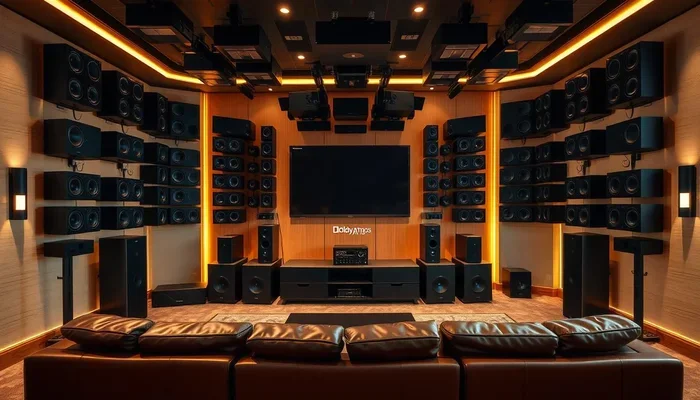
- Home Theater System: For the ultimate experience, connect a full surround sound system to your tv or projector.
When you stream content, the audio comes from the tv, not the projector. So make sure your tv audio settings are configured correctly. You can set the tv to output audio through HDMI, Bluetooth, or its own speakers depending on your setup.
Common Challenges and How to Fix Them
Using a smart tv with a projector is not always perfect. You may run into a few issues along the way. Here are the most common problems and how to solve them.
No Signal or Blank Screen
If the projector shows a blank screen or says no signal, check the HDMI connection first. Make sure the cable is firmly plugged in at both ends. Try a different HDMI port on the projector. You can also try a different HDMI cable to rule out a faulty cable.
On the smart tv, go to the display settings and make sure the HDMI output is enabled. Some tvs have a setting that disables the HDMI output when the tv is off. Make sure the tv is on and set to the correct input source.
Audio and Video Out of Sync
Sometimes the audio and video do not match up. This is called audio sync delay. It happens because the projector takes a little time to process the image. The sound reaches your ears before the picture changes.
To fix this, go to the projector settings and look for a delay or sync option. Increasing the audio delay slightly can help. You can also try adjusting the tv’s audio output settings. Some tvs have a feature specifically designed to fix audio sync issues with external displays.
Poor Picture Quality
If the picture looks blurry or pixelated, check the resolution settings. Make sure the smart tv is outputting at a resolution that matches the projector. For example, if the projector is 1080p, set the tv output to 1080p as well.
Also check the focus on the projector lens. A blurry projector lens will make everything look soft. Clean the lens gently with a microfiber cloth. Adjust the focus ring until the image looks sharp and clear.
Input Lag for Gaming
If you plan to game while using a smart tv with a projector, input lag can be a problem. Input lag is the delay between pressing a button and seeing the action on screen. Projectors tend to have higher input lag than monitors or tvs.
Look for a projector with a game mode or low input lag setting. This reduces the delay significantly. You can also lower the resolution on the projector to improve response time during fast-paced games.
Is It Worth Combining a Smart TV and a Projector?
The answer depends on what you want from your entertainment setup. If you love watching movies and shows on a big screen, this combination is absolutely worth it. You get the smart features of a tv and the massive display of a projector.
This setup works especially well for movie nights, gaming sessions, and binge-watching weekends. You can stream anything from your tv and show it on a screen that is 100 inches or larger. That is a viewing experience that a regular tv simply cannot match.
Here are some situations where combining a smart tv with a projector makes the most sense:
- You want a big screen for movie nights but still need a regular tv for daily viewing.
- You already own a smart tv and a projector and want to get more use out of both.
- You want to stream content on a large screen without buying a separate streaming device.
- You are building a home theater and want the flexibility of a smart tv combined with a projector.
- You have a limited budget and want to maximize your existing equipment.
On the other hand, if you only need a small tv for casual viewing, this setup might be overkill. A projector works best in a darker room with a blank wall or projection screen. If your room has a lot of ambient light, the picture quality may suffer.
Overall, the combination of a smart tv and a projector gives you incredible flexibility. You can switch between a smaller, brighter tv screen and a massive projector display. That kind of versatility is hard to beat.
Expert Insights on Smart TV and Projector Streaming
We spoke with a few home theater enthusiasts who have been using this setup for years. Here is what they had to say about smart tv projector setup and streaming.
Mark, a home theater hobbyist: “I use my smart tv as the source and my projector for the display. It works like a charm. I stream everything from Netflix to local sports. The key for me was getting a good HDMI cable and setting the resolution correctly.”
Sarah, a movie lover: “I was skeptical at first. But once I set it up, I never went back. My projector makes every movie feel like a cinema experience. And I still use my smart tv apps just like normal.”
David, a gamer: “For gaming, I keep the smart tv connected and use the projector for a bigger view. I turn on the game mode on the projector and the input lag drops to almost nothing. It is a great setup for console gaming.”
These real-world experiences show that the smart tv and projector combo works for different types of users. Whether you are a casual streamer, a movie buff, or a gamer, this setup can deliver excellent results.
Key Takeaways
- Smart TV and Projector Work Together: You can use your smart tv as a source device and the projector as a display. The setup is straightforward and reliable.
- HDMI Is the Best Connection: A quality HDMI cable provides the most stable video and audio connection between the tv and projector.
- Streaming Works Seamlessly: All your favorite apps and streaming services work on the smart tv and display through the projector without any extra devices.
- Picture Quality Depends on Your Projector: Resolution, brightness, and contrast all affect how good the projected image looks on screen.
- Audio Needs External Help: Projector speakers are weak. Use the tv speakers, a soundbar, or a home theater system for better sound.
- Common Issues Have Simple Fixes: Signal problems, audio sync issues, and poor picture quality can all be resolved with basic troubleshooting.
- Worth the Setup for Movie Lovers: If you enjoy big-screen viewing, combining a smart tv with a projector is one of the best entertainment upgrades you can make.
Conclusion
Can I use my smart tv with a projector and streaming? Absolutely. This setup gives you the best of both worlds. You get the smart features and app access of a tv combined with the big-screen experience of a projector. Whether you are streaming movies, watching sports, or gaming, this combo delivers an impressive viewing experience.
The setup is simple. A single HDMI cable connects your smart tv to the projector. You access all your streaming apps on the tv, and the projector displays them on a much larger screen. Add a good sound system, and you have a home theater that rivals any commercial cinema.
Do not let compatibility concerns stop you. Most modern smart tvs and projectors work together with minimal effort. If you run into issues, the fixes are usually quick and easy. With the tips and guidance in this article, you are well on your way to creating an amazing entertainment setup.
Start experimenting with your setup today. Try different streaming services, adjust your picture settings, and find the perfect balance between your smart tv and projector. Once you see your favorite content on a big screen, you will wonder how you ever watched anything any other way.
Frequently Asked Questions
Can I use any smart tv with any projector?
Most smart tvs work with most projectors as long as both devices have HDMI ports. Check the ports on both devices before purchasing any cables. If both have HDMI, you can connect them easily.
Do I need a special cable to connect a smart tv to a projector?
A standard HDMI cable works in most cases. For 4K content, use a high-speed HDMI cable rated for 4K resolution. Cheap cables may cause signal issues, so invest in a quality one from a reputable brand.
Will streaming quality be affected when using a projector?
Streaming quality depends on your internet speed and the projector’s resolution. A stable Wi-Fi connection and a high-resolution projector will give you excellent streaming quality. The smart tv handles the streaming, and the projector simply displays it.
Can I use wireless screen mirroring instead of HDMI?
Yes, many projectors support wireless screen mirroring through Wi-Fi. Check if your projector supports Miracast, Chromecast, or AirPlay. Wireless options are convenient but may have slight delays compared to a wired HDMI connection.
How do I get sound when using a smart tv with a projector?
The audio comes from the smart tv, not the projector. You can use the tv’s built-in speakers, connect a soundbar to the tv, or pair Bluetooth speakers. For the best experience, use an external speaker system.
Is it better to use a projector or a smart tv for streaming?
It depends on your preferences. A projector gives you a bigger screen and a more cinematic feel. A smart tv gives you a brighter, clearer picture in any lighting condition. Many people enjoy using both together for the best of both worlds.