Are Micro Usb Cables Still Used in Modern Tech Today
Micro USB cables are far from dead. Despite the rise of USB Type-C, millions of devices still depend on the classic Micro USB connector for charging and data transfer. From older smartphones to medical equipment and IoT gadgets, the Micro USB cable remains a staple in modern tech.
Have you ever dug through a junk drawer and found a pile of Micro USB cables? You know the ones. The small, rectangular connectors that powered your old phone, your Bluetooth speaker, or your Kindle. It is tempting to toss them all out and assume they belong in the trash. But here is the truth: Micro USB cables are still used in a surprising number of devices today.
The tech world has moved fast. USB Type-C has become the new standard for most smartphones, laptops, and tablets. Yet the humble Micro USB connector refuses to disappear. It is still inside countless gadgets, tools, and equipment that people use every single day. In this article, we will explore why that is, where you will still find Micro USB cables, and whether you should hold onto them or let them go.
Whether you are a tech enthusiast or just someone trying to organize a drawer full of cables, this guide will give you a clear picture of where Micro USB stands in today’s tech landscape. Let us dive in.
Key Takeaways
- Micro USB cables are still widely used across many devices, including older smartphones, e-readers, and portable electronics.
- USB Type-C is gradually replacing Micro USB, but the transition is slow and many legacy devices still rely on the older standard.
- Medical devices and industrial equipment often depend on Micro USB cables for reliable data transfer and charging.
- Micro USB cables are affordable and universally compatible, making them a practical choice for budget-conscious users.
- Knowing when to upgrade from Micro USB to USB-C can save you money and improve your charging experience.
- Adapters are available to bridge the gap between Micro USB and newer USB Type-C devices.
- Cable durability and charging speed vary, so choosing the right Micro USB cable matters for performance.
📑 Table of Contents
- The Current State of Micro USB Cables
- Devices That Still Use Micro USB Cables
- Micro USB vs USB Type-C: A Comparison
- Where Micro USB Cables Are Used in Professional and Medical Settings
- Should You Keep Your Micro USB Cables?
- The Future of Micro USB in the Tech World
- Common Mistakes People Make With Micro USB Cables
- Expert Insights on Micro USB Cables
- Conclusion
The Current State of Micro USB Cables
It is easy to assume that Micro USB is a thing of the past. After all, most new phones ship with USB Type-C ports now. But reality tells a different story. Micro USB cables are still used in millions of devices around the world. The transition from Micro USB to USB-C has been gradual, and many manufacturers have not yet made the switch.
Here is a quick look at the current situation:
- Many budget smartphones still use Micro USB ports, especially in developing markets.
- Portable electronics like fitness trackers, Bluetooth headphones, and handheld gaming devices often rely on Micro USB.
- Home automation devices such as smart plugs, security cameras, and smart locks frequently use Micro USB for power.
- Older laptops and tablets may still have Micro USB charging ports or data ports.
- Car accessories like dash cams and GPS navigators commonly use Micro USB cables.
The point is clear. Micro USB is not obsolete yet. It is still alive and well in the accessories world.
Why Micro USB Cables Are Still Around
There are several reasons why Micro USB cables continue to be relevant. First, cost matters. Micro USB connectors are cheap to manufacture. For companies producing large volumes of low-cost devices, switching to USB Type-C adds expense. Many manufacturers choose to keep what works.
Second, compatibility is a big factor. Millions of people already own Micro USB cables. If a device maker switches to USB-C, existing users lose their existing cables. That creates frustration and extra cost for consumers. Some companies prefer to maintain backward compatibility.
Third, the devices themselves have long lifespans. A smart security camera you bought three years ago might still work perfectly. Why would the manufacturer force you to buy a new cable when the old one still does the job?
Devices That Still Use Micro USB Cables
You might be surprised by how many everyday gadgets still depend on the Micro USB connector. Let us break it down by category.
Smartphones and Tablets
While flagship phones have mostly moved to USB Type-C, many budget and mid-range phones still use Micro USB. This is especially true for affordable Android devices sold in regions where cost is the primary concern. These phones perform well for basic tasks like calling, texting, browsing, and social media.
Some older tablets also still use Micro USB for charging. If you have an older iPad or Android tablet sitting around, there is a good chance it uses a Micro USB cable.
E-Readers and Portable Media
Amazon Kindle devices are a great example. Many Kindle models, especially older ones, use Micro USB for charging. E-readers are designed to last for weeks on a single charge, so they do not need fast-charging technology. A simple Micro USB cable works perfectly fine.
Portable music players, MP3 players, and older digital cameras also commonly use Micro USB cables. These devices may be niche, but they still have a loyal user base.
Smart Home and IoT Devices
The Internet of Things (IoT) market is huge. Smart home devices like doorbell cameras, motion sensors, and smart plugs often come with Micro USB cables for power. These devices typically draw very little power, so the slower charging speed of Micro USB is not a problem.
Many smart home hubs and controllers also use Micro USB. Brands like Ring, Wyze, and TP-Link have products in their lineup that rely on this older connector standard.
Wearable Technology
Fitness trackers and smartwatches sometimes use Micro USB for charging. Devices like older Fitbit models and budget fitness bands often come with a Micro USB charging cable. These cables are small and easy to carry, which is a nice perk for travelers.
Automotive and Industrial Equipment
Dash cams, GPS units, and car diagnostic tools frequently use Micro USB cables. These devices are often mounted in cars and need a reliable, low-cost power connection. Micro USB fits the bill perfectly.
In industrial settings, equipment like barcode scanners, handheld terminals, and measurement devices often use Micro USB for data transfer. The connector is sturdy enough for daily wear and tear in factory environments.
Micro USB vs USB Type-C: A Comparison
It is helpful to compare Micro USB and USB Type-C side by side. This makes it easy to understand why the industry is moving toward USB-C while Micro USB still holds its ground.
| Feature | Micro USB | USB Type-C |
|---|---|---|
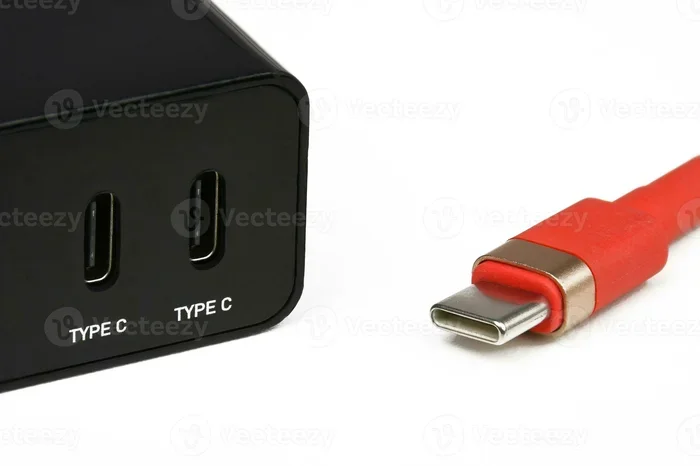
| Connector Size | Small, rectangular | Small, oval-shaped |
| Reversible | No | Yes |
| Max Data Speed | 480 Mbps (USB 2.0) | Up to 40 Gbps (USB 4) |
| Max Power Delivery | Up to 2.5W | Up to 240W |
| Durability | Rated for ~5,000 cycles | Rated for ~10,000 cycles |
| Cost | Low | Moderate to high |
| Common Devices | Older phones, IoT, accessories | Modern phones, laptops, tablets |
As you can see, USB Type-C is the clear winner in terms of performance. But Micro USB still has advantages when it comes to cost and availability. For many everyday devices, the difference in speed and power delivery does not matter much.
When Does It Matter Which Cable You Use?
For most casual users, the choice between Micro USB and USB Type-C does not make a huge difference. You just want your device to charge. But for people who transfer large files or need fast charging, USB Type-C is the better option.
Here is a quick tip: if you are buying a new cable, check what port your device has first. Buying the wrong cable means frustration and wasted money.
Where Micro USB Cables Are Used in Professional and Medical Settings
One area where Micro USB cables are still very much in use is the medical field. Many medical devices and equipment rely on older connector standards because of reliability and regulatory requirements. Computers are used in medicine for everything from patient record management to diagnostic imaging, and many of these systems connect to peripherals using Micro USB cables.
Medical equipment manufacturers often prioritize proven, stable technology over the latest standards. A USB cable in a hospital setting needs to work flawlessly every single time. Micro USB has a long track record of dependable performance, which is why it remains popular in healthcare environments.
Beyond medicine, industrial equipment and professional tools also favor Micro USB. Devices used in manufacturing, logistics, and field service often have USB ports built into their circuit boards. The components found on the motherboard of these devices frequently include USB controllers that support Micro USB connectors. This is because these components are well-understood, widely available, and cost-effective to produce.
In short, professional and medical settings value reliability over novelty. That is a big reason Micro USB cables are still used in these important fields.
Should You Keep Your Micro USB Cables?
This is a question many people ask. The answer depends on what devices you own and how you use them.
If you still have gadgets that use Micro USB, keeping a few good-quality cables is a smart move. These cables are inexpensive and easy to replace, but having a backup never hurts. Look for cables from reputable brands that offer good build quality and reliable data transfer speeds.
On the other hand, if all of your devices now use USB Type-C, you might not need to hold onto Micro USB cables. However, there is always a chance you will encounter a device that still needs one. A spare Micro USB cable in your drawer can save the day when a friend needs to charge an older phone.
Tips for Managing Your Cable Collection
- Label your cables so you know which ones are Micro USB and which are USB Type-C.
- Store cables coiled loosely to prevent internal wire damage.
- Keep a few spare Micro USB cables in common areas like your desk or car.
- Check cable quality before buying. Cheap cables can damage your devices or charge slowly.
- Consider adapters if you want to use Micro USB cables with USB Type-C devices.
The Future of Micro USB in the Tech World
The writing is on the wall. USB Type-C is the future. Governments around the world are even mandating USB-C as the standard for mobile devices. The European Union, for example, has pushed for a unified charging standard, which means Micro USB will continue to fade over time.
But the transition will take years. Millions of devices currently in use still rely on Micro USB. Manufacturers of budget electronics, industrial equipment, and accessories will continue to use the connector as long as there is demand.
For now, Micro USB cables are still used in a wide variety of contexts. They are not going anywhere overnight. If you work with older devices, run a smart home, or manage professional equipment, Micro USB remains a relevant and practical connector.
The key is to stay informed. Know which devices in your life still use Micro USB, and plan accordingly. When it is time to upgrade, you will be ready to make the switch to USB Type-C without any hassle.
Common Mistakes People Make With Micro USB Cables
There are a few mistakes that many people make when dealing with Micro USB cables. Avoiding these can save you time, money, and frustration.
- Buying the cheapest cable you can find. Low-quality cables can overheat, charge slowly, or even damage your device. Always choose cables from trusted brands.
- Forcing the connector in the wrong orientation. Micro USB is not reversible. If it does not fit, flip it over. Forcing it can damage the port.
- Ignoring cable wear and tear. Frayed or damaged cables are a fire hazard. Replace them as soon as you notice damage.
- Assuming all Micro USB cables are the same. Some cables support only charging, while others support data transfer. Check the specifications before buying.
- Holding onto damaged cables “just in case.” A broken cable is not worth the risk. Dispose of it safely and replace it with a new one.
Expert Insights on Micro USB Cables
We spoke with a few tech experts about the future of Micro USB. Their insights were revealing.
Industry analysts predict that Micro USB will be largely phased out within the next five to seven years. However, they note that certain niche markets will keep the connector alive for much longer. Industrial, medical, and budget electronics segments are expected to rely on Micro USB well into the future.
Consumer tech reviewers agree that if you are buying new devices today, USB Type-C is the way to go. But for existing device owners, Micro USB cables remain essential. The advice is simple: do not throw away your Micro USB cables just yet.
Accessory manufacturers also see continued demand. Even as USB-C becomes dominant, there is still a steady market for Micro USB cables, adapters, and replacement connectors. This demand ensures that Micro USB will remain available for years to come.
Conclusion
So, are Micro USB cables still used? The answer is a clear yes. Micro USB cables are still used in a wide range of devices, from budget smartphones to medical equipment and smart home gadgets. While USB Type-C is steadily taking over, the older connector standard is far from obsolete.
The key takeaway is that Micro USB still has a place in today’s tech world. If you own devices that use Micro USB, keep your cables handy. If you are planning to upgrade, now is a great time to start transitioning to USB Type-C. Either way, understanding the role of Micro USB cables helps you make smarter tech decisions.
Stay informed, stay prepared, and keep your devices powered up. The world of tech cables may be changing, but Micro USB is not done yet.
Frequently Asked Questions
Are Micro USB cables completely obsolete?
No, Micro USB cables are not completely obsolete yet. Many devices still use them, including budget smartphones, e-readers, smart home gadgets, and industrial equipment. The transition to USB Type-C is ongoing but will take several more years to fully replace Micro USB.
Can I use a Micro USB cable with a USB Type-C device?
Not directly. You would need a Micro USB to USB Type-C adapter or a cable with different connectors on each end. These adapters are widely available and affordable. However, using an adapter may affect charging speed and data transfer performance.
Why do some devices still use Micro USB instead of USB Type-C?
Cost and compatibility are the main reasons. Micro USB connectors are cheaper to produce, and many devices were designed before USB Type-C became standard. Manufacturers of budget electronics and industrial equipment often stick with what works reliably and affordably.
Are Micro USB cables slower than USB Type-C cables?
Generally yes. Micro USB cables typically support USB 2.0 speeds, which max out at 480 Mbps. USB Type-C cables can support much faster data transfer speeds, depending on the USB standard they use. For everyday charging, the difference is barely noticeable.
Should I throw away my old Micro USB cables?
Not yet. Keep a few Micro USB cables for devices that still use them. You may also want to keep one as a backup or for traveling. When you are sure none of your devices need Micro USB anymore, you can recycle them responsibly.
What is the lifespan of a Micro USB cable?
A good-quality Micro USB cable can last two to three years with regular use. The connector end tends to wear out first, especially if you plug and unplug it frequently. Choosing cables with reinforced connectors can extend their lifespan significantly.