Can We Reboot Your Wifi Router And Fix Internet Now
Yes, you can easily reboot your wifi router to fix internet problems. This simple process solves slow speeds, connection drops, and network issues fast. Can We Reboot Your Wifi Router And Fix Internet Now? Absolutely! You just need to unplug the device, wait a few seconds, and plug it back in. Read on to learn the exact steps and expert tips.
Have you ever stared at your screen, waiting for a webpage to load, only to see the spinning wheel of doom? We have all been there. A weak internet connection can ruin your day fast. You cannot stream your favorite show. You cannot finish an important work task. You cannot even check your email. But here is the good news. You can often fix this problem in just a few minutes. Can We Reboot Your Wifi Router And Fix Internet Now? Yes, you absolutely can! A simple router restart works like a magic trick for your wireless network. It clears the temporary memory and refreshes your wifi signal. In this guide, we will show you exactly how to do it. You will learn easy troubleshooting steps to bring your bandwidth back to life. No tech skills are needed. Just a few minutes of your time and a little patience. You will be surprised how easy it is.
Many people ignore their router lights and hope the problem goes away on its own. Do not do that. Ignoring network issues only makes things worse over time. Sometimes, your device just needs a fresh start to function properly. This is true for phones, computers, and routers alike. When your wireless network acts up, the first thing to try is a reboot. It is the easiest and fastest connectivity fix available today. It costs nothing and takes almost no effort. Let us dive into the world of router fixes and get you back online right now. You will feel like a tech expert in no time.
Key Takeaways
- Quick Fix: Rebooting your router often solves most internet connection problems instantly.
- Simple Steps: Just unplug, wait, and plug back in to refresh your network.
- Prevent Issues: Regular restarts keep your wifi signal strong and prevent connection drops.
- Know the Difference: A reboot is different from a factory reset and does not erase your settings.
- Check the Lights: Router lights tell you a lot about your network status and problems.
📑 Table of Contents
Why Your Wifi Router Needs A Regular Reboot
Think of your router like a tiny computer. It runs all day and night without a break. It handles requests from your phones, laptops, smart TVs, and even smart refrigerators. Over time, it gets tired. The memory fills up with temporary data and old requests. This can cause your internet connection to slow down significantly. A regular reboot clears this memory. It gives the device a chance to cool off and reset. It also updates the network settings with your internet service provider. Without a reboot, the device might struggle to manage all the traffic. You might experience connection drops or very slow internet speeds that make you want to scream. Regular reboots prevent this buildup of digital clutter and keep your system running smoothly. Your router works hard for you every single day. Give it a little rest now and then. It will thank you by working faster and better. Your internet service provider also sends updates to your router. These updates can fix bugs and improve security. A reboot applies these updates properly. It ensures your device has the latest software. This protects your home network from threats.
Understanding How Your Router Works
Your router acts as the traffic cop for your entire home. It directs data to the right devices at the right time. It uses radio waves to send a strong wifi signal through your walls and rooms. When too many devices connect at once, the router gets overloaded. It starts dropping packets of data. This leads to buffering videos and laggy online games. By doing a router restart, you clear the queue of pending requests. You allow the device to start fresh and process data efficiently. This keeps your wireless network running smoothly and reliably. It is a simple habit that saves a lot of frustration and wasted time every single week. A fresh start makes a huge difference. Your devices will respond faster. Your downloads will complete quicker. You will not have to wait around anymore.
The Role Of Your Modem In Connectivity
Many people confuse the router with the modem. They are different devices that work together. The modem connects your home to the outside world. The router shares that connection with all your devices. Sometimes, the problem is not the router at all. It is the modem that is causing the slowdown. You might need to power cycle both devices to fix the issue. Start with the modem first. Unplug it, wait ten seconds, and plug it back in. Then, do the same for the router. This ensures your ip address refreshes properly with your provider. It fixes many hidden network issues that a simple reboot of just the router cannot solve. Always check both devices when your internet acts up. A little patience goes a long way.
How To Reboot Your Wifi Router And Fix Internet Now
Now that you know why a reboot helps, let us do it. There are two main ways to restart your device. You can do it the old-fashioned way with your hands. Or, you can use the digital controls on your screen. Both methods work great to restore your internet connection. Let us walk through them step by step so you can get back online fast. It is really very simple. Anyone can do it at home.
The Manual Reboot Method
This is the most common way to reboot your wifi router. It is also called a power cycle. First, find the power cable on your router. It is usually at the back of the device near the bottom. Gently unplug the cable from the wall outlet or the router itself. Do not pull the wire too hard or yank it. Wait for at least thirty seconds. This waiting period is crucial. It allows the capacitors inside the router to fully drain. It clears the temporary memory completely. After the wait, plug the power cable back in firmly. Wait for the router lights to come back on. This usually takes one to two minutes. Do not panic if the lights blink during this time. Your internet connection should be restored soon. This simple connectivity fix solves the majority of home network problems without any technical knowledge or special tools. You just need a little patience.
Using The Router Admin Panel
Some modern routers let you restart them from your phone or computer. This is very convenient if you cannot reach the power cable. First, open your web browser on any device. Type your ip address into the search bar. Common addresses are 192.168.1.1 or 192.168.0.1. Log in with your admin username and password. These are often found on a sticker at the bottom of the router. Once inside the admin panel, look for a section called System or Administration. Find the option that says Reboot or Restart. Click it and wait patiently. Your wireless network will go down for a moment. Then, it will come back up fresh and strong. This digital router restart works just as well as unplugging it manually. It is a great option when you are busy and cannot walk over to the device. It saves you time and effort.
Manual Reboot Vs Admin Panel Reboot
Both methods achieve the same goal, but they have slight differences. Here is a quick comparison to help you choose the best method for your situation.
| Feature | Manual Reboot | Admin Panel Reboot |
|---|---|---|
| Method | Unplug power cable | Click restart in settings |
| Time Required | 2 minutes | 1 minute |
| Physical Access Needed | Yes | No |
| Best For | Complete power drain | Quick digital refresh |
Common Network Issues Solved By A Router Restart
Not sure if your problem needs a reboot? Look for these clear signs. They are easy indicators that your device needs a fresh start. Recognizing them early saves you a lot of time and stress.
Slow Internet Speeds
Nothing is more annoying than a slow internet connection. Pages take forever to load. Videos keep buffering in the middle of important scenes. If your bandwidth feels sluggish or weak, try a reboot right away. Your router might be managing too much data at once. The memory gets clogged with old requests and temporary files. A restart wipes the slate clean. It allows the device to process new data much faster. You will often see an instant boost in speed. This is one of the best troubleshooting steps you can take before calling your internet provider. A quick reboot can save you hours of waiting around. Do not let a slow connection ruin your day.
Frequent Connection Drops
Do you find yourself reconnecting your devices all the time? If your connection drops happen every day, your router is crying for help. Intermittent disconnects are a classic sign of memory overload. The device simply cannot handle the heavy traffic anymore. A router restart clears the memory backlog and resets the system. It stabilizes the wireless network and keeps it steady. You will notice fewer drops after a regular reboot. Make this part of your weekly routine. It keeps your internet connection stable and reliable for all your devices. You will not have to keep typing in your wifi password over and over. A stable network makes life so much easier.
Reboot Vs Reset: What Is The Difference?
People often mix up a reboot and a reset. They are very different actions with very different results. Knowing the difference saves you from a big headache. A reboot just restarts the device temporarily. A reset wipes everything back to factory defaults. You definitely do not want to do a factory reset unless you have a very good reason. Let us break down exactly what each term means so you never make a mistake. If you must reset router settings, you need to be very careful.
When To Do A Factory Reset
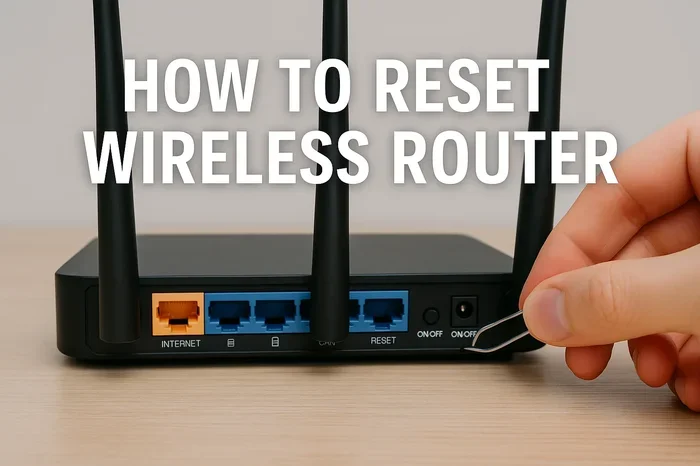
A factory reset is a last resort for fixing serious problems. You should only do this if a simple reboot does not work at all. You use a reset when you forget your network settings and cannot log in. You also use it when your device is completely unresponsive to any commands. To reset, you usually press a tiny recessed button on the back of the unit. Use a paperclip or a pen to hold it for ten seconds. This erases all custom configurations. You will have to set up your dns settings again from scratch. You will also need your ip address and new passwords. Only do this if you are prepared to start from scratch and you have your internet provider details handy. It is a big step, so be careful.
How To Avoid Losing Your Settings
Always try a normal reboot first before touching the reset button. A reboot does not erase your network settings at all. It simply turns the device off and on again. Your wireless network name and password stay exactly the same. Your connected devices remember the network automatically. This is why a power cycle is the safest first step. It fixes most problems without any side effects or lost data. Keep your router reboot simple and safe to avoid unnecessary trouble. Write down your settings if you are ever unsure. It is better to be safe than sorry.
Quick Tips And Common Mistakes For Better Network Health
A reboot is great, but you can do more to improve your wifi signal every day. Small changes make a big difference in performance. Try these tips to get the best bandwidth from your wireless network all the time. A great signal means faster downloads and smoother streaming. Avoiding common mistakes is just as important as knowing the right steps.
- Place Your Router Centrally: Keep it in the middle of your home. Thick walls block the wifi signal and reduce bandwidth. A central spot gives better coverage to every room in the house.
- Keep It Elevated: Put the router on a high shelf. Do not hide it on the floor or inside a closet. Heat and obstacles hurt the wireless network signal strength significantly.
- Check The router lights: Learn what the blinking lights mean on your specific model. A solid green light usually means a good internet connection. Red or blinking orange lights mean trouble that needs attention.
- Update Firmware Regularly: Check for router updates in the admin panel. New software fixes bugs and improves network settings for better stability and speed.
- Use An ethernet cable: For fast gaming or 4K streaming, plug in directly with a cable. A wired connection gives the best bandwidth and the lowest lag possible.
- Restart Your network adapter: Sometimes the problem is on the device side, not the router. Updating your network adapter driver or restarting the adapter on your laptop can fix slow internet issues.
When the internet stops working, panic sets in quickly. People often make mistakes that make the problem worse instead of better. Avoid these common errors to save time and frustration. Learn what not to do so you can fix the problem faster.
- Restarting Too Quickly: Many people unplug the router and plug it back in after only five seconds. You need to wait at least thirty seconds. This lets the memory fully clear and the capacitors drain. A quick power cycle does not always work to fix network issues.
- Ignoring The Modem: The router and modem work as a team to deliver the internet connection. If you only reboot the router, the problem might still persist. Always check the modem first and power cycle it too.
- Hitting The Reset Button By Mistake: Do not press the tiny reset button on the back by accident. This will erase all your settings and log you out. You will have to reconfigure your dns settings and ip address manually.
- Calling Support Too Early: Give the reboot a fair chance first. Many connection drops and slow internet issues resolve with a simple restart. Save the support calls for when the reboot truly fails to fix the problem.
- Overloading The Network: Too many devices downloading at once can crash the router. Limit heavy downloads if you notice bandwidth dropping. A reboot helps, but managing traffic prevents the crash from happening again.
Expert Insights And Conclusion
IT professionals recommend regular maintenance for your home network. They know that a little prevention goes a long way toward avoiding big problems. Do not wait for the internet connection to fail completely before you act. Be proactive and keep your system healthy. A little effort now saves a lot of trouble later.
Experts suggest rebooting your router once a week. This clears out memory leaks and keeps the wireless network running at top speed. It also prevents connection drops during important video calls or movie nights. Another expert tip is to check your network adapter settings on your computer regularly. Sometimes the problem is not the router at all, but the device itself. Updating your network adapter driver can fix slow internet issues that seem like router problems. Finally, keep your router in a cool, dry place. Overheating is a very common cause of network issues and connection drops. A little care keeps your wifi signal strong and reliable for many years to come. Treat your router well, and it will treat you well. A well-maintained router is a happy router.
So, can we reboot your wifi router and fix internet now? The answer is a loud and clear yes! A simple router restart is the most powerful connectivity fix you have in your toolkit. It solves slow internet, stops connection drops, and clears network issues in just a few minutes. Remember to power cycle your device regularly to keep it running well. Check your router lights and keep your wireless network updated and strong. You do not need to be a tech genius to fix your internet connection. Just follow the simple steps we shared today. Take control of your bandwidth and enjoy a smooth, fast online experience every single day. Reboot your router today and feel the difference immediately! A little restart can go a very long way. Do not let internet problems ruin your day. You have the power to fix them right now. Enjoy your fast and reliable internet connection. You deserve a smooth online experience.
Frequently Asked Questions
How often should I reboot my router?
Most experts recommend rebooting your router once a week. This clears out memory and keeps your internet connection fast. Regular restarts prevent network issues before they start.
Will rebooting my router delete my wifi password?
No, a reboot does not delete your settings. Your wireless network name and password stay exactly the same. Only a factory reset erases your passwords.
How long does it take to reboot a router?
A manual router restart takes about two minutes. Waiting for the router lights to stabilize adds another minute. The whole process is very quick and easy.
What is the difference between a reboot and a reset?
A reboot simply turns the device off and on again. A reset wipes the device back to factory network settings. Always try a reboot first to avoid losing your data.
Can I reboot my router using my phone?
Yes, if your router supports it. You can use the admin panel on your phone to trigger a router restart. This is a convenient way to power cycle without walking to the device.
Why is my internet still slow after a reboot?
If a reboot does not fix the slow internet, the problem might be your modem or your ISP. Try power cycling the modem too. If it persists, contact your internet provider for help.