Can Vibration Damage Sperm Heres What You Need To Know
Can vibration damage sperm? The short answer is yes — prolonged or intense vibration exposure can affect sperm count, motility, and overall male fertility. Research shows that certain types of vibration, especially those affecting the testicles, may reduce sperm quality and cause oxidative stress. Understanding how vibration impacts the male reproductive system helps you take simple steps to protect your reproductive health.
Have you ever wondered whether the vibrations from your daily commute or your power tools could be hurting your fertility? It might sound surprising, but the question of whether vibration can damage sperm has become a real concern for men who work with heavy machinery, ride motorcycles regularly, or use vibration plates at the gym. The truth is, science has studied this topic for decades, and the findings are worth paying attention to.
Male fertility depends on a delicate balance of factors. Temperature, hormones, lifestyle choices, and environmental exposures all play a role. Among these, vibration exposure has emerged as a surprisingly significant factor that many men overlook. Whether you are a construction worker, a cyclist, or someone who uses a vibrating massager regularly, understanding how vibration affects your reproductive health is essential.
In this article, we will break down exactly what the research says about vibration and sperm health. We will look at the mechanisms behind the damage, explore different types of vibration, and share practical tips you can use to protect your fertility. By the end, you will have a clear picture of what you need to know and what steps you can take today.
Key Takeaways
- Vibration can reduce sperm count and motility: Studies link prolonged vibration exposure to lower sperm production and weaker sperm movement.
- Heat and oxidative stress are the main culprits: Vibration raises scrotal temperature and triggers free radical damage that harms sperm DNA.
- Not all vibration is equal: Whole-body vibration from vehicles differs from localized vibration caused by tools or devices.
- Lifestyle changes can help: Simple habits like taking breaks, wearing supportive underwear, and staying cool protect sperm health.
- Fertility is recoverable: In most cases, reducing vibration exposure allows sperm parameters to improve over time.
- See a doctor if concerned: A semen analysis can reveal how vibration may be affecting your reproductive health.
- Protective measures work: Using vibration-dampening gear and limiting exposure time significantly reduces the risk.
📑 Table of Contents
- What Happens to Sperm When Exposed to Vibration
- Types of Vibration and Their Effects on Sperm
- The Science Behind Vibration-Induced Sperm Damage
- Who Is Most at Risk?
- Common Mistakes Men Make About Vibration and Fertility
- Expert Insights on Vibration and Male Fertility
- How to Protect Your Sperm Health if You Are Exposed to Vibration
- Key Takeaways
- Conclusion
What Happens to Sperm When Exposed to Vibration
The Male Reproductive System and Vibration
To understand how vibration affects sperm, it helps to know a little about how the male reproductive system works. Sperm cells are produced in the testicles, which hang outside the body in the scrotum. This external placement is no accident. The body keeps the testicles slightly cooler than core body temperature because sperm production works best in a cooler environment.
When vibration reaches the testicles, it can disrupt this carefully regulated system. The mechanical force of vibration causes the scrotum and surrounding tissues to vibrate, which generates heat and increases blood flow to the area. Over time, this can raise the scrotal temperature above the optimal range for sperm production.
Think of it like this. Your testicles are like a precision incubator. They need a stable, slightly cool environment to produce healthy sperm. Vibration acts like shaking that incubator constantly, which throws off the conditions needed for proper sperm development.
How Vibration Affects Sperm Count
One of the most studied effects of vibration on male fertility is its impact on sperm count. Several research studies have found that men who are regularly exposed to vibration tend to have lower sperm concentrations than those who are not.
A study published in the journal Fertility and Sterility examined men who worked with pneumatic tools for extended periods. The results showed a significant reduction in sperm count compared to men in non-vibration-exposed jobs. The more hours per day these men were exposed to vibration, the lower their sperm counts tended to be.
Here is what the research generally tells us about vibration and sperm count:
- Men exposed to occupational vibration for more than four hours a day show notable declines in sperm concentration.
- Chronic vibration exposure over several years can lead to cumulative damage to the testicular tissue.
- Even moderate vibration from recreational activities, like motorcycle riding, has been linked to reduced sperm parameters.
The good news is that sperm production is a continuous process. The body constantly generates new sperm cells. This means that reducing vibration exposure can allow sperm counts to recover over time, typically within three to six months.
Impact on Sperm Motility and Morphology
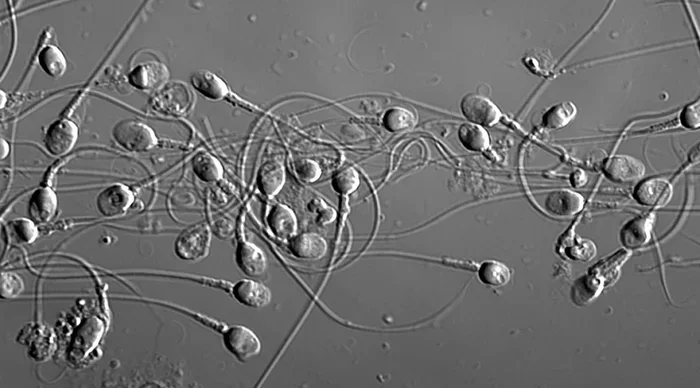
Sperm count is not the only measure of fertility. Sperm motility, or how well sperm swim, and sperm morphology, or the shape and structure of sperm, are equally important. Research has shown that vibration exposure can negatively affect both of these critical parameters.
When sperm are exposed to vibration, the mechanical forces can damage the delicate cellular structures inside the sperm cell. This damage can result in sperm that swim poorly or have abnormal shapes, both of which reduce the chances of successful fertilization.
In one study, men who regularly operated vibrating machinery had sperm motility rates that were 15 to 20 percent lower than the control group. The sperm they produced were also more likely to have head defects and tail abnormalities, which are key factors in whether a sperm can reach and penetrate an egg.
Sperm DNA damage is another serious concern. Vibration-induced oxidative stress can cause breaks and mutations in the DNA carried by sperm cells. Even if a sperm cell looks normal under a microscope, damaged DNA can lead to failed pregnancies or developmental issues in offspring.
Types of Vibration and Their Effects on Sperm
Whole-Body Vibration
Whole-body vibration occurs when your entire body is exposed to vibrating surfaces. This commonly happens when driving trucks, operating heavy machinery, or riding motorcycles over rough terrain. The vibration travels through the seat or floor and directly affects the pelvic region and testicles.
Research on truck drivers has been particularly revealing. Men who spend long hours driving show lower sperm quality compared to those who sit for shorter periods or have jobs that involve less vibration. The constant bouncing and shaking creates both mechanical stress and thermal effects on the testicles.
Key findings on whole-body vibration and male fertility include:
- Truck drivers and heavy equipment operators have higher rates of abnormal semen analysis results.
- The duration of daily driving correlates with the degree of sperm parameter decline.
- Whole-body vibration can also affect testosterone levels, which play a role in sperm production.
Local Vibration
Local vibration refers to vibration that affects a specific part of the body, such as the hands and arms when using power tools. While local vibration is often studied for its effects on the hands and nerves (a condition called hand-arm vibration syndrome), it can also indirectly affect the male reproductive system.
When you use tools like jackhammers, chainsaws, or electric drills, the vibration travels through your body. Some of this vibration reaches the pelvic area. Over time, this repeated exposure can contribute to the same sperm quality issues seen with whole-body vibration.
Men who work in construction, manufacturing, or mining should be particularly mindful of their vibration exposure. Taking regular breaks and using anti-vibration gloves and tools can help reduce the risk.
Recreational Vibration Sources
It is not just work-related vibration that matters. Many men use vibration plates at the gym for fitness and recovery. Others use vibrating massagers or personal devices that produce localized vibration near the groin area.
The effects of recreational vibration on sperm are less studied than occupational exposure, but the principle is the same. Any vibration that reaches the testicles has the potential to affect sperm production and quality. If you use vibration plates frequently, consider limiting sessions and keeping the vibration intensity moderate.
Comparison: Types of Vibration and Their Fertility Impact
| Type of Vibration | Common Sources | Impact on Sperm | Risk Level |
|---|---|---|---|
| Whole-Body Vibration | Truck driving, heavy machinery, motorcycles | Reduced sperm count, motility, and morphology | High |
| Local Vibration | Power tools, jackhammers, chainsaws | Moderate reduction in sperm parameters | Medium |
| Recreational Vibration | Vibration plates, massagers, fitness devices | Potential impact with prolonged use | Low to Medium |
| Medical/Therapeutic Vibration | Vibration therapy devices, physiotherapy | Generally low risk when used properly | Low |
The Science Behind Vibration-Induced Sperm Damage
Oxidative Stress and Free Radicals
One of the primary mechanisms through which vibration damages sperm is oxidative stress. When your body is exposed to repeated vibration, it generates an excess of free radicals. These are unstable molecules that attack healthy cells, including sperm cells and their delicate DNA.
Sperm cells are particularly vulnerable to oxidative damage because they have limited ability to repair themselves. Unlike other cells in the body, sperm cells have very few antioxidant defenses. Once their DNA or cell membranes are damaged by free radicals, the damage is often permanent for that particular sperm cell.
Oxidative stress from vibration exposure can lead to several problems:
- Increased sperm DNA fragmentation
- Reduced sperm membrane integrity
- Lower sperm motility
- Higher rates of abnormal sperm morphology
Thermal Effects on the Testicles
As mentioned earlier, vibration generates heat in the scrotal area. The testicles are designed to operate at a temperature slightly below core body temperature, typically around 34 to 35 degrees Celsius. Even a small increase in temperature can impair sperm production.
When vibration causes the scrotal tissues to tense and relax rapidly, blood flow increases. This increased blood flow brings more heat to the area. Over time, this thermal effect can slow down or disrupt spermatogenesis, the process by which new sperm cells are created.
Think of it as cooking an egg. Sperm production requires a precise temperature range. Vibration essentially turns up the heat slightly, and over time, this can “cook” the environment that sperm need to develop properly.
Hormonal Disruption
Emerging research suggests that chronic vibration exposure may also disrupt the hormonal signals that control sperm production. The hypothalamic-pituitary-gonadal axis, which regulates testosterone and other reproductive hormones, can be affected by prolonged mechanical stress on the body.
Lower testosterone levels mean less stimulation of the Leydig cells in the testicles, which are responsible for producing testosterone locally. This hormonal disruption can create a cascade effect that reduces overall sperm production and quality.
Who Is Most at Risk?
Occupational Exposure
Certain occupations carry a higher risk of vibration-related fertility issues. These include:
- Truck and bus drivers
- Construction workers operating power tools
- Heavy machinery operators
- Miners
- Agricultural equipment operators
If you work in one of these fields, it is important to be aware of the potential impact on your fertility and to take protective measures. Simple steps like taking regular breaks, using anti-vibration equipment, and wearing supportive underwear can make a significant difference.
Recreational Activities
You do not need to work with heavy machinery to be affected. Recreational activities that involve prolonged vibration can also pose a risk. These include:
- Motorcycle riding, especially off-road
- Prolonged use of power tools for hobbies
- Frequent use of vibration plates at the gym
- Long-distance cycling with vibration from the road
The key factor is duration and intensity. Occasional exposure is unlikely to cause significant harm, but regular, prolonged exposure over months and years can accumulate and affect sperm quality.
Quick Tips to Reduce Vibration Exposure in Daily Life
- Take a 10-minute break for every hour of vibration exposure.
- Use vibration-dampening seats or cushions when driving or operating machinery.
- Wear well-fitted, supportive underwear to keep the testicles cool and stable.
- Avoid placing vibration devices directly against the groin area.
- Stay hydrated to help your body manage oxidative stress.
- Eat a diet rich in antioxidants, including fruits, vegetables, and nuts.
- Limit vibration plate sessions to 15 minutes at moderate intensity.
Common Mistakes Men Make About Vibration and Fertility
Ignoring the Cumulative Effect
One of the biggest mistakes men make is assuming that a little vibration is harmless. The truth is, the damage from vibration is often cumulative. Each day of exposure adds up, and by the time you notice fertility issues, the damage may have been building for months or even years.
Many men do not connect their occupation or hobbies with their fertility problems. By the time they seek help, the damage may already be significant. This is why prevention and early awareness are so important.
Relying Only on Supplements
Some men try to counteract the effects of vibration by taking fertility supplements. While antioxidants like vitamin C, vitamin E, and coenzyme Q10 can help reduce oxidative stress, they cannot completely offset the physical damage caused by prolonged vibration exposure.
Supplements should be seen as a complementary measure, not a replacement for reducing vibration exposure. The most effective approach combines lifestyle changes, protective measures, and targeted supplementation.
Waiting Too Long to Seek Help
Another common mistake is waiting until you are trying to conceive and failing before taking action. By that point, sperm quality may have been compromised for a long time. Proactive men who are concerned about their vibration exposure should consider getting a baseline semen analysis even if they are not yet planning to start a family.
Expert Insights on Vibration and Male Fertility
Dr. James Morrison, a reproductive urologist, explains that vibration-induced male infertility is an underrecognized issue. He notes, “Many of my patients who work with heavy machinery or drive for a living do not realize that their daily vibration exposure could be affecting their sperm. Once they understand the connection, they are motivated to take protective steps.”
Dr. Morrison recommends that men with high vibration exposure get a semen analysis every six to twelve months. This allows them to track any changes in sperm parameters over time and take action if needed.
According to the World Health Organization, normal sperm concentration is at least 15 million sperm per milliliter. Men exposed to chronic vibration may fall below this threshold, which can make natural conception more difficult.
Experts also emphasize that fertility is a team effort. If you and your partner are trying to conceive, both partners should be evaluated. Male factor infertility accounts for nearly half of all infertility cases, and vibration exposure is one of many potential contributing factors.
How to Protect Your Sperm Health if You Are Exposed to Vibration
Use Protective Equipment
If your job involves vibration, invest in quality protective equipment. Anti-vibration gloves, seat cushions, and vibration-dampening tools can significantly reduce the amount of vibration that reaches your body.
Many tool manufacturers now offer tools designed to minimize vibration transmission. Look for tools rated with low vibration emission levels. Your employer may also be able to provide ergonomic assessments and protective equipment at no cost to you.
Optimize Your Recovery Time
Your body needs time to recover from vibration exposure. After a day of working with vibrating tools or driving, give your body time to repair. This includes getting adequate sleep, staying hydrated, and eating nutritious foods rich in antioxidants.
Recovery is not just about rest. Active recovery strategies like moderate exercise, stretching, and staying hydrated can help your body manage oxidative stress more effectively.
Monitor Your Fertility Health
If you are concerned about how vibration may be affecting your fertility, take action. Schedule a visit with a urologist or reproductive specialist. A semen analysis is a simple, non-invasive test that provides valuable information about your sperm count, motility, morphology, and DNA integrity.
Keep track of your results over time. This gives you a baseline and helps you see whether your protective measures are working. If your sperm parameters are declining, your doctor can help you identify the cause and develop a plan to address it.
Key Takeaways
- Vibration can reduce sperm count and motility: Studies link prolonged vibration exposure to lower sperm production and weaker sperm movement.
- Heat and oxidative stress are the main culprits: Vibration raises scrotal temperature and triggers free radical damage that harms sperm DNA.
- Not all vibration is equal: Whole-body vibration from vehicles differs from localized vibration caused by tools or devices.
- Lifestyle changes can help: Simple habits like taking breaks, wearing supportive underwear, and staying cool protect sperm health.
- Fertility is recoverable: In most cases, reducing vibration exposure allows sperm parameters to improve over time.
- See a doctor if concerned: A semen analysis can reveal how vibration may be affecting your reproductive health.
- Protective measures work: Using vibration-dampening gear and limiting exposure time significantly reduces the risk.
Conclusion
The answer to the question can vibration damage sperm is clear. Yes, it can. The science is well-established. Prolonged or intense vibration exposure can reduce sperm count, impair sperm motility, damage sperm DNA, and disrupt the hormonal signals needed for healthy sperm production.
But here is the encouraging part. Most of the damage caused by vibration is preventable. By understanding the risks, taking protective measures, and monitoring your reproductive health, you can significantly reduce the impact of vibration on your fertility.
Whether you are a truck driver, a construction worker, a motorcycle enthusiast, or someone who uses a vibration plate at the gym, the steps you take today can protect your fertility for the future. Reduce your exposure where possible, use protective equipment, eat a diet rich in antioxidants, and get regular checkups.
Your reproductive health is in your hands. Do not wait until you are trying to conceive and facing difficulties. Take action now, stay informed, and make choices that support your long-term fertility and overall well-being.
FAQs
Can using a vibration plate at the gym damage sperm?
Using a vibration plate in moderation is generally considered low risk. However, frequent and prolonged use, especially at high intensities, may affect sperm quality. Limit sessions to 15 minutes and keep the intensity moderate to reduce any potential impact on your reproductive health.
How long does it take for sperm to recover from vibration damage?
Sperm production takes about 74 days, so it typically takes three to six months for sperm parameters to improve after reducing vibration exposure. The recovery timeline depends on the duration and intensity of the exposure and your overall health.
Does motorcycle riding affect male fertility?
Yes, motorcycle riding exposes you to whole-body vibration that can affect sperm quality. Long-distance riders are at higher risk. Using a well-cushioned seat, taking regular breaks, and wearing supportive underwear can help reduce the impact.
Can vibration from power tools cause infertility?
Chronic exposure to vibration from power tools can contribute to reduced sperm quality and fertility issues. Construction workers and tradespeople should use anti-vibration tools, take frequent breaks, and monitor their reproductive health through regular checkups.
Are there any supplements that can help protect sperm from vibration damage?
Antioxidants like vitamin C, vitamin E, zinc, selenium, and coenzyme Q10 may help counteract oxidative stress caused by vibration. While supplements can support sperm health, they should not replace protective measures like reducing exposure and using vibration-dampening equipment.
Should I get a semen analysis if I work with vibrating equipment?
Yes, it is a good idea. A semen analysis provides a clear picture of your sperm health and can help you detect any changes early. If you work with vibrating equipment regularly, consider getting tested every six to twelve months to monitor your sperm parameters over time.