Do I Need Door Sensors If I Already Have Motion Sensors
Door sensors and motion sensors serve different purposes in a home security system. While motion sensors detect movement in a room, door sensors specifically monitor entry points like doors and windows. You may still need door sensors even if you have motion sensors, because each type catches threats the other might miss. Understanding how both work together helps you build a smarter, more complete security system.
Home security can feel overwhelming. You see motion sensors everywhere. You hear about door sensors on every blog. But do you really need both? If your system already has motion sensors, are door sensors just an expensive add-on? The short answer is: it depends on your setup, your home layout, and what you are trying to protect.
Door sensors and motion sensors work differently, and each one fills a unique gap in your security coverage. In this article, we will break down exactly what each sensor does, when you need both, and how to build the best possible home security system without wasting money. By the end, you will know exactly what makes sense for your home.
Key Takeaways
- Door sensors detect specific entry points: They alert you the moment a door or window opens, giving you precise location data.
- Motion sensors cover broader areas: They sense movement within a room but cannot tell you exactly where or how an intruder entered.
- Combining both creates layered security: A dual setup reduces false alarms and covers blind spots that either sensor type alone would miss.
- Motion sensors alone may be enough for some setups: Open floor plans, pet-friendly homes, and budget-conscious setups can rely primarily on motion detection.
- Sensor placement matters greatly: Poor placement of either sensor type leads to false alarms or detection gaps.
- Smart home integration adds value: Both sensor types work with automation routines to create a more responsive security ecosystem.
📑 Table of Contents
What Door Sensors and Motion Sensors Actually Do
Before we decide whether you need both, let us understand what each sensor type does on its own. The more you know about how they work, the easier it becomes to make the right choice for your space.
How Door Sensors Work
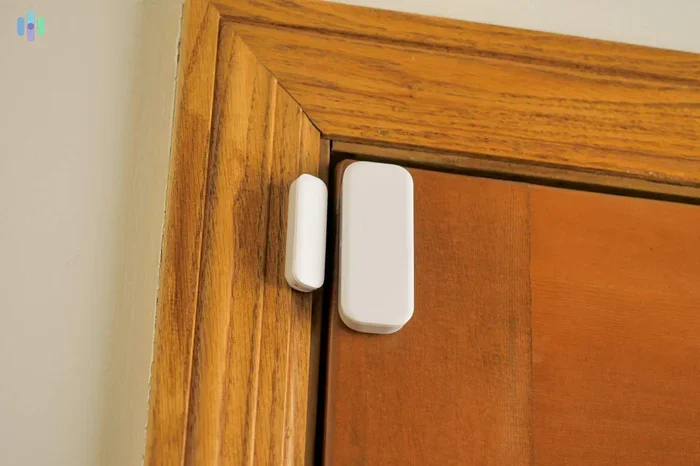
A door sensor (also called a door contact sensor) has two parts. One piece attaches to the door frame. The other attaches to the door itself. When the door closes, the two pieces meet and complete a circuit. When the door opens, the circuit breaks, and your alarm system triggers.
These sensors are incredibly precise. They tell you exactly which door or window was opened. That is a huge advantage. You know the entry point instantly, which helps you respond faster and more effectively.
Most door sensors are wireless now. They run on small batteries that last one to two years. Installation takes about five minutes per sensor. You do not need any wiring or technical skills.
How Motion Sensors Work
A motion sensor detects movement within its coverage area. Most modern motion sensors use passive infrared (PIR) technology. They sense body heat moving across their field of view.
When someone walks into the detection zone, the sensor triggers your alarm or camera. Motion sensors cover a much wider area than a single door sensor ever could. One well-placed motion sensor can monitor an entire room or hallway.
However, motion sensors do not tell you how someone entered your home. They only tell you that movement is happening. That is a meaningful limitation we will explore in detail.
How Door Sensors and Motion Sensors Differ
These two sensor types are not interchangeable. They serve different roles in a home security system. Here is a side-by-side look at how they compare.
| Feature | Door Sensor | Motion Sensor |
|---|---|---|
| Detection Type | Detects when a door or window opens | Detects movement within a zone |
| Entry Point Knowledge | Tells you exactly which door opened | Only detects movement, not entry method |
| Coverage Area | One door or window per sensor | One sensor covers a large room or hallway |
| Response Time | Instant when door opens | Slight delay as movement crosses detection zone |
| False Alarm Risk | Very low (only triggers on door opening) | Higher (pets, drafts, and insects can trigger) |
| Best Use Case | Monitoring entry points | Covering open spaces and interior rooms |
| Pet-Friendly Options | Always pet-friendly | Available with pet-immune technology |
| Price Range | $10-$25 per sensor | $20-$50 per sensor |
As you can see, each sensor type has clear strengths. Door sensors excel at precision. Motion sensors excel at broad coverage. The real question is whether your home needs both types of protection.
When Door Sensors Are Worth Adding
There are specific situations where adding door sensors makes a lot of sense, even if you already have motion sensors in place.
You Have a Large Property with Multiple Entry Points
If your home has several doors, a garage, and multiple windows, motion sensors alone will leave gaps. A single motion sensor cannot monitor every entry point. Door sensors fill those gaps by giving you specific alerts for each door and window.
Think about it this way. A motion sensor in your living room might detect someone walking through. But it will not tell you whether they walked in through the front door, the back door, or a ground-floor window. Door sensors give you that exact information.
You Want Instant Alerts Before Movement Occurs
This is a huge advantage. A door sensor triggers the moment a door opens. A motion sensor only triggers after someone has already entered and started moving. That few-second difference matters a lot.
With door sensors, you get early warning. You know someone is at your door or has opened a window before they even step inside. This gives you time to react, call for help, or activate other security measures.
You Have Pets That Trigger Motion Sensors
If you own a dog or cat, you know the frustration of false alarms. Standard motion sensors often pick up pet movement. Even pet-immune motion sensors have limits.
Door sensors, on the other hand, are completely pet-friendly. They only trigger when a door or window opens. They do not care if your cat jumps on the counter or your dog walks through the hallway. Adding door sensors can dramatically reduce false alarms in pet-owning households.
You Rent and Want a Non-Invasive Setup
Renters often cannot install permanent security systems. Door sensors are non-invasive and easy to remove. You can place them on doors and windows without drilling holes or making any changes to the property.
Motion sensors work well too, but door sensors are especially convenient for renters. They stick on with adhesive or use simple magnetic mounts. When you move out, you just peel them off.
When Motion Sensors Alone Are Enough
There are also situations where motion sensors provide sufficient coverage without needing door sensors. Let us look at when you can rely on motion detection alone.
You Live in a Small Space with Few Entry Points
If you live in a small apartment or a studio, one or two motion sensors might cover your entire space. Small homes have fewer doors and windows, which means fewer gaps to fill. In these cases, motion sensors alone can be effective.
A single motion sensor placed in a central hallway can monitor multiple rooms. You get broad coverage without the cost of installing sensors on every door and window.
You Have an Open Floor Plan
Open floor plans are great for daily living, and they are also great for motion detection. Without walls and closed doors blocking the view, a single motion sensor can cover a large open area.
In these layouts, door sensors add less value because there are fewer distinct zones to monitor. The motion sensor covers the open space effectively. Adding door sensors in this scenario might be overkill.
You Are on a Tight Budget
Building a full security system with both sensor types can get expensive. If budget is a major concern, motion sensors give you the most bang for your buck. They cover more area per sensor, which means you need fewer devices overall.
Start with motion sensors and add door sensors later as your budget allows. A basic system is always better than no system at all.
You Already Have Security Cameras Covering Entry Points
If you have security cameras at every door and window, you already have visual confirmation of entry. In this case, door sensors become less critical. Your cameras show you who is coming and going.
That said, door sensors still offer one advantage: instant alerts. Cameras require you to check footage. Door sensors send an immediate notification the moment a door opens. Both have their place.
The Best Home Security Setup: Combining Both
Here is the honest truth. For most homes, the best approach is to use both door sensors and motion sensors together. This creates what security experts call layered protection. Each layer catches what the other might miss.
How to Build a Layered Sensor System
Start by placing door sensors on every external door and ground-floor window. These are your first line of defense. They alert you the moment someone tries to enter through a specific opening.
Next, place motion sensors in key interior areas. Hallways, living rooms, and open spaces benefit most from motion detection. These sensors catch anyone who has already entered your home.
The combination gives you complete coverage. Door sensors catch entry attempts early. Motion sensors catch anyone who makes it inside. Together, they leave very few blind spots.
Quick Tips for Optimal Sensor Placement
- Place door sensors on every exterior door, including the garage door and any back doors.
- Install motion sensors at height, about 6 to 8 feet off the ground, for the best coverage angle.
- Avoid pointing motion sensors near windows or heat sources like vents and radiators. These can cause false alarms.
- Use pet-immune motion sensors if you have pets over 25 pounds. They ignore animal movement up to a certain weight.
- Test your sensors regularly. Battery levels drop over time, and sensors can shift out of alignment.
- Create security zones in your system. Zone 1 can be entry points (door sensors). Zone 2 can be interior areas (motion sensors). This helps you prioritize alerts.
Expert Insights on Sensor Integration
Security professionals consistently recommend a multi-layered approach. According to industry standards, a perimeter security system should include both point-of-entry sensors (door sensors) and area coverage sensors (motion sensors). This is the same principle used in commercial security, and it works just as well for homes.
The key benefit of combining both types is reduced false alarms. When a door sensor and a motion sensor are set to work together, your system can require both triggers before sounding a full alarm. This dramatically cuts down on nuisance alerts while keeping your home secure.
Security automation also becomes far more powerful with both sensor types. For example, you can set a rule that turns on the hallway lights when a door sensor opens. Then, if a motion sensor detects movement in that hallway, it triggers a camera recording. These automations work together to create a smart, responsive system.
Common Mistakes to Avoid with Sensor Placement
Even the best sensors will underperform if you place them incorrectly. Here are the most common mistakes homeowners make with door sensor and motion sensor setups.
Placing Motion Sensors Near Heat Sources
Motion sensors detect heat changes. Placing one near a fireplace, heater, or sunny window causes constant false triggers. Keep motion sensors away from vents, radiators, and direct sunlight.
Ignoring Sensor Range
Every motion sensor has a specific range and angle. A sensor rated for 30 feet will not cover a 40-foot hallway. Check the specs before you buy and place sensors accordingly.
Forgetting Garage and Basement Doors
Many homeowners remember the front and back doors but forget the garage, basement entry, and side doors. These are common entry points for intruders. Every external door needs a sensor, no matter how hidden it seems.
Overlapping Motion Sensor Zones
Placing two motion sensors too close together creates overlapping detection zones. This increases the chance of false alarms and can confuse your system. Space motion sensors at least 15 to 20 feet apart for clean, distinct zones.
Skipping Regular Maintenance
Dust, dead batteries, and loose mounts degrade sensor performance over time. Check your sensors every few months. Replace batteries before they die. Clean the sensor lenses with a soft cloth. Simple maintenance keeps your system reliable.
Key Takeaways
- Door sensors provide precise entry point detection: They tell you exactly which door or window was opened, giving you fast and specific alerts.
- Motion sensors provide broad area coverage: They monitor large spaces and detect movement but cannot identify the entry point.
- Combining both creates layered security: This approach covers both entry points and interior spaces, leaving fewer blind spots.
- Motion sensors alone work for small spaces and open floor plans: If your home has few entry points or an open layout, motion sensors may be sufficient.
- Door sensors reduce false alarms in pet homes: They trigger only on door openings, not on pet movement.
- Sensor placement is critical: Poor placement leads to detection gaps and false alarms regardless of sensor type.
- Smart home integration multiplies the value: Both sensor types work with automation routines to create a responsive, intelligent security ecosystem.
Conclusion
So, do you need door sensors if you already have motion sensors? The answer comes down to your specific situation. If you have a large home, multiple entry points, or pets that trigger motion sensors, adding door sensors is a smart investment. They fill the gaps that motion sensors cannot cover and give you precise, early alerts.
If you live in a small apartment with an open layout and a tight budget, motion sensors alone might be enough to get the job done. They cover more area per device and cost less overall.
But for most homeowners, the best approach is combining both sensor types. Together, they create a complete security system that covers entry points and interior spaces. You get early warnings, precise alerts, and fewer blind spots. That is the kind of protection every home deserves.
Start with what you have. Add door sensors where you need them most. Test your setup regularly. And remember, the best security system is the one that actually works for your home. Take the time to get it right, and you will sleep better knowing your family and your property are well protected.
Frequently Asked Questions
Can motion sensors detect someone opening a door?
Yes, a motion sensor can detect someone walking through a door if they enter its detection zone. However, it will not tell you which door was opened or alert you before the person enters. Door sensors provide that early, specific warning that motion sensors cannot match.
Are wireless door sensors easy to install?
Absolutely. Most wireless door sensors use adhesive backing or simple magnetic mounts. You peel off the tape, stick the pieces on, and pair them with your system. Installation typically takes less than five minutes per sensor. No wiring or technical skills are required.
Do door sensors work with all home security systems?
Most modern door sensors are compatible with popular systems like Ring, SimpliSafe, ADT, and SmartThings. Before buying, check that the sensor is compatible with your specific hub or security platform. Many sensors use standard wireless protocols like Zigbee or Z-Wave for broad compatibility.
How long do door sensor batteries last?
Door sensor batteries typically last between one and two years, depending on usage and battery quality. Most sensors send a low-battery alert well before they die, giving you plenty of time to replace them. Using rechargeable batteries can also reduce ongoing costs.
Can I use door sensors for purposes other than security?
Yes, door sensors have many creative uses beyond security. You can use them to automate lights, trigger smart home routines when a door opens, monitor children’s rooms, or track how often a door is used. They are versatile tools that work well in home automation setups.
What is the difference between a door sensor and a window sensor?
There is no real difference. Both are types of contact sensors that detect when a door or window opens. The terms are used interchangeably. Most sensor kits include both door and window sensors, and they all work the same way using a magnetic reed switch.