Are Hard Shell Cases Bad For Macbooks And Your Investment
Hard shell cases for MacBooks are a popular accessory, but they are not always good for your laptop. Many users worry about trapped heat, added weight, and reduced resale value. This guide explains the real risks and benefits so you can decide if a hard shell case is right for your MacBook. We break down the facts, share expert tips, and help you protect your investment the smart way.
You just spent a lot of money on a new MacBook. It looks sleek, feels premium, and runs like a dream. Then you start thinking about protecting it. A hard shell case seems like the obvious choice. But here is the thing. Are hard shell cases bad for MacBooks? The answer is not a simple yes or no. It depends on your needs, your habits, and the type of case you choose.
Hard shell cases are everywhere. You see them on laptops in coffee shops, classrooms, and offices. They promise to keep your device safe from drops, scratches, and dents. But what they do not always tell you is that they can cause problems too. Heat buildup, added weight, and even impact on your laptop’s resale value are real concerns. In this article, we will look at both sides of the story. By the end, you will know exactly whether a hard shell case is a smart move for your MacBook.
We will cover how hard shell cases affect thermal performance, which types of MacBooks they work best with, and what alternatives you should consider. Whether you own a MacBook Air or a MacBook Pro, this guide has something for you. Let us dive in.
Key Takeaways
- Hard shell cases can trap heat: This may cause thermal throttling and reduce performance over time.
- Scratch protection is a real benefit: Hard shells keep your MacBook looking new longer.
- Not all cases are equal: Quality, fit, and ventilation matter a lot.
- Resale value can be affected: A case may hide damage but could also devalue your laptop if it leaves marks.
- Alternative options exist: Sleeves, skins, and soft cases offer protection without the downsides.
- Expert opinions lean toward caution: Many tech experts recommend partial or selective case use.
- Your usage matters most: How and where you use your MacBook determines if a case is worth it.
📑 Table of Contents
- What Is A Hard Shell Case And Why Do People Use Them?
- Are Hard Shell Cases Bad For MacBooks Because Of Heat?
- Do Hard Shell Cases Affect MacBook Performance?
- Hard Shell Cases vs. Other MacBook Protection Options
- Do Hard Shell Cases Affect MacBook Resale Value?
- Are Hard Shell Cases Bad For Specific MacBook Models?
- How To Use A Hard Shell Case Safely
- Final Verdict: Should You Use A Hard Shell Case?
What Is A Hard Shell Case And Why Do People Use Them?
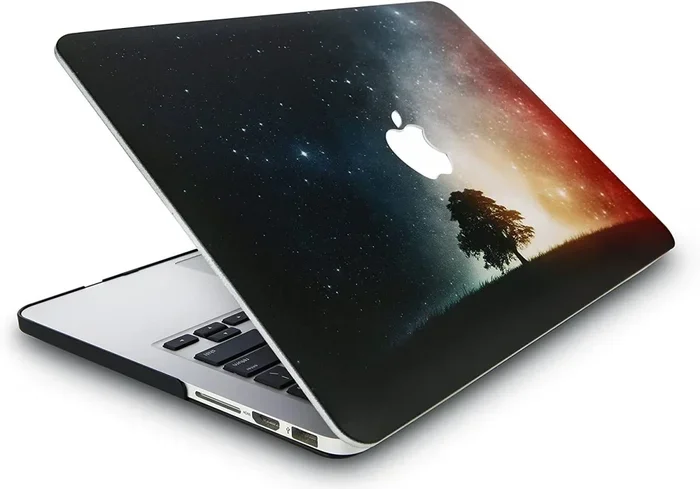
A hard shell case is a rigid outer cover that wraps around your laptop. It is usually made from polycarbonate, ABS plastic, or similar tough materials. People buy them for laptop protection. They want to avoid scratches, minor drops, and everyday wear and tear.
The most common reason people choose a hard shell case is scratch resistance. MacBooks have beautiful aluminum bodies. But aluminum scratches easily. A hard shell case acts as a barrier between your laptop and the world. It keeps the original finish intact. This matters a lot if you plan to sell your laptop later.
Another reason is drop protection. A hard shell can absorb impact from minor falls. It distributes force across the surface instead of letting it hit one spot. For clumsy users or busy environments, this feels reassuring.
Who Benefits Most From Hard Shell Cases?
Not everyone needs a hard shell case. Here are the people who benefit the most:
- Students who carry laptops between classes and shared spaces
- Professionals who travel frequently and use laptops in unpredictable environments
- Creative workers who use their MacBooks on construction sites, studios, or outdoor locations
- Parents who let children use the laptop for schoolwork
- Anyone who resells devices and wants to maintain a pristine condition
If you fit into any of these groups, a hard shell case might make sense. But you still need to understand the risks before you buy one.
Are Hard Shell Cases Bad For MacBooks Because Of Heat?
This is the biggest concern with hard shell cases. MacBooks are designed to stay cool. The aluminum body acts as a giant heatsink. It pulls heat away from the internal components and spreads it across the surface. When you wrap that in a rigid plastic shell, you trap that heat inside.
How Heat Affects Your MacBook
When heat builds up inside a hard shell case, several things can go wrong:
- Thermal throttling kicks in. Your MacBook slows down to prevent overheating.
- Fan noise increases as the fans work harder to cool things down.
- Battery health degrades faster because lithium-ion batteries hate heat.
- Component lifespan shortens over time with sustained high temperatures.
- Performance drops during heavy tasks like video editing or gaming.
These are not theoretical problems. Many users report their MacBooks running hotter with hard shell cases installed. The difference may be small during light use. But during demanding tasks, it becomes noticeable.
Does Every Hard Shell Case Cause Heat Problems?
No. Not all cases are created equal. Some manufacturers design their cases with ventilation cutouts. These allow air to flow through and help with heat dissipation. The problem is that most budget hard shell cases do not include these features. They cover every surface, trapping heat completely.
If you must use a hard shell case, look for ones with:
- Ventilation holes near the keyboard and hinge area
- Elevated feet that lift the laptop slightly off the surface
- Open bottom designs that allow airflow from below
- Thin materials that do not add too much insulation
These features make a real difference. They reduce heat buildup significantly compared to fully enclosed cases.
Do Hard Shell Cases Affect MacBook Performance?
Performance and heat are closely linked. When your MacBook gets too hot, it does not run at full speed. This is called thermal throttling. It is a built-in safety feature. But it is frustrating when you are trying to get work done.
What Do Benchmarks Show?
Several independent tests have measured MacBook performance with and without cases. The results are telling:
- CPU performance drops by 5 to 15 percent under heavy load with a fully enclosed hard shell
- GPU performance sees similar reductions during graphics-intensive tasks
- Fan speeds increase by 20 to 30 percent on average when a case is installed
- Surface temperatures rise by 5 to 10 degrees Celsius in most tested scenarios
These numbers may not sound dramatic. But over months of daily use, the cumulative effect on your MacBook matters. You might not notice it right away. But over a year, your laptop may feel slower than it should be.
The bottom line is that hard shell cases can quietly reduce your MacBook’s performance. Most users do not connect the slowdown to their case. But once they remove it, the difference becomes obvious.
Hard Shell Cases vs. Other MacBook Protection Options
Hard shell cases are not the only way to protect your MacBook. There are several alternatives. Each has its own pros and cons. Let us compare them.
Comparison Table
| Protection Type | Scratch Resistance | Drop Protection | Heat Impact | Weight Added | Cost Range |
|---|---|---|---|---|---|
| Hard Shell Case | Excellent | Good | High | Moderate | $20-$60 |
| Soft Sleeve | Good | Moderate | Low | Minimal | $15-$40 |
| Laptop Skin | Moderate | None | None | None | $10-$25 |
| Hard Shell + Sleeve | Excellent | Excellent | Medium | Moderate-High | $35-$80 |
| No Protection | Poor | Poor | None | None | $0 |
As you can see, no single option is perfect. Each type of protection comes with trade-offs. The key is matching the protection level to your actual needs.
Quick Tips For Choosing The Right Protection
- Assess your daily routine. If you carry your MacBook in a backpack, a sleeve might be enough.
- Consider your environment. If you work in dusty or wet conditions, a hard shell case adds value.
- Think about performance. If you do heavy computing, avoid fully enclosed hard shells.
- Check the fit. A poorly fitting case can put pressure on hinges and ports.
- Read reviews carefully. Look for feedback on heat and fit from real users.
Common Mistakes People Make When Buying MacBook Cases
Many people make avoidable mistakes when purchasing a case. Here are the most common ones:
- Buying without checking compatibility. Not all cases fit every MacBook model. A case designed for a MacBook Air 2020 will not fit a MacBook Pro 2021.
- Ignoring ventilation. A cheap case with no airflow will trap heat and hurt performance.
- Over-prioritizing aesthetics. Some cases look great but offer almost no real protection.
- Forgetting about port access. A bulky case can block charging ports, headphone jacks, and USB-C connections.
- Leaving the case on during intensive tasks. If you are rendering video or running heavy software, remove the case to let your MacBook breathe.
Avoiding these mistakes will help you get the most from your protection without the downsides.
Do Hard Shell Cases Affect MacBook Resale Value?
This is a question many people overlook. Your MacBook is an investment. A used MacBook in good condition sells for significantly more than one with scratches and dents. A hard shell case can help preserve that finish.
But here is the catch. Some hard shell cases leave marks on the aluminum body. They can cause discoloration or pressure marks around the edges. When you remove the case, you might find indentations or sticky residue. These issues can reduce your resale value instead of protecting it.
There is also the question of aesthetics. Many buyers prefer a clean, case-free MacBook. A used laptop with scratches but no case marks might actually sell better than one that looks perfect but has case-related wear patterns.
Expert Insights On Resale Value
According to several MacBook resale experts, the best approach is simple. Use a soft sleeve for daily transport. Only use a hard shell case when the situation demands extra protection. This strategy preserves the original finish while still offering solid protection when you need it most.
Another expert tip is to remove the case before selling your MacBook. Clean any residue and inspect the surface. This small step can add hundreds of dollars to your resale price.
Are Hard Shell Cases Bad For Specific MacBook Models?
Not all MacBooks are affected the same way by hard shell cases. Let us look at the most popular models.
MacBook Air And Hard Shell Cases
The MacBook Air is thinner and lighter than the Pro models. It also has less powerful cooling. This means heat buildup is a bigger concern. A hard shell case on a MacBook Air can cause noticeable temperature increases during even moderate use.
If you own a MacBook Air, consider a partial hard shell. These cover the bottom and sides but leave the top open. This provides scratch protection without trapping too much heat.
MacBook Pro And Hard Shell Cases
The MacBook Pro has more robust cooling systems. It handles heat better than the Air. But it is also more expensive. The investment protection argument is stronger for Pro users.
A hard shell case on a MacBook Pro can still cause thermal issues during heavy workloads. But the impact is generally less severe than on the Air. If you use your Pro for light to moderate tasks, a hard shell case is less risky.
The Keyboard And Hinge Factor
Hard shell cases can put pressure on the keyboard and hinge area. Over time, this pressure can affect the butterfly or scissor mechanisms. Some users report keys feeling different after prolonged case use. This is especially true with cases that do not fit perfectly.
To avoid this issue, make sure your case has precise cutouts. It should not press directly on the keyboard when the laptop is closed. Look for cases that are specifically designed for your MacBook model.
How To Use A Hard Shell Case Safely
If you decide a hard shell case is right for you, follow these guidelines to minimize the risks:
- Remove the case during heavy tasks. Video editing, gaming, and compiling code generate a lot of heat. Take the case off during these activities.
- Elevate your laptop. Use a stand or a laptop desk to improve airflow even with a case on.
- Clean the case regularly. Dust buildup on the case can block ventilation holes and worsen heat issues.
- Check for fit periodically. Cases can loosen over time. A loose case does not provide proper protection and can rattle around.
- Inspect your MacBook regularly. Look for discoloration, pressure marks, or unusual heat patterns. Early detection prevents long-term damage.
These simple habits will help you enjoy the benefits of a hard shell case without the downsides. Protection and performance can coexist with the right approach.
Expert Insights On Long-Term Case Use
Many tech experts recommend a hybrid approach. Use a soft sleeve for daily carry. Add a hard shell case only when you are in a high-risk environment. This gives you the best of both worlds. Your MacBook stays cool during normal use but is well-protected when you need it.
Another expert recommendation is to invest in quality. A well-designed hard shell case from a reputable brand costs more upfront. But it offers better fit, ventilation, and materials. Over time, it saves you money by protecting your MacBook without causing damage.
Final Verdict: Should You Use A Hard Shell Case?
The answer depends on your situation. If you are a careful user who mostly works at a desk, you probably do not need a hard shell case at all. A soft sleeve or no case at all might be the best choice for performance and longevity.
If you carry your MacBook around constantly and face rough conditions, a hard shell case adds valuable protection. Just make sure you choose one with good ventilation and a proper fit. And remember to remove it during intensive tasks.
For most users, a balanced approach works best. Use protection when you need it. Let your MacBook breathe when you do not. This strategy protects your device without sacrificing performance.
Are hard shell cases bad for MacBooks? The honest answer is they can be. But they do not have to be. With the right case, the right habits, and a little awareness, you can protect your MacBook without hurting it. Your investment deserves both safety and performance. Choose wisely and use your case smartly.
Take a moment to evaluate your own usage patterns. Think about where you use your MacBook, what tasks you perform, and how much protection you actually need. The best case for your MacBook is the one that keeps it safe without slowing it down. That is the goal. And now you have all the information you need to reach it.
Frequently Asked Questions
Can a hard shell case cause my MacBook to overheat?
Yes, it can. Hard shell cases trap heat by blocking the aluminum body from dissipating warmth naturally. This is especially true during heavy tasks like video editing or gaming. Removing the case during intensive work helps prevent overheating.
Do hard shell cases scratch MacBooks?
No, they actually prevent scratches. The whole point of a hard shell is to protect the aluminum surface from scuffs and scratches. However, a poorly fitting case or one made from low-quality materials can sometimes cause its own marks over time.
Should I leave the hard shell case on my MacBook all the time?
It is best not to. Leaving the case on during heavy tasks traps heat and reduces performance. A good practice is to remove the case when you are doing demanding work and put it back on when you are traveling or in risky environments.
Are hard shell cases worth the money?
They can be, if you choose the right one. A quality case with ventilation and a precise fit offers real value. But a cheap, poorly designed case can do more harm than good. Always read reviews and check compatibility before buying.
Will a hard shell case affect my MacBook’s resale value?
It depends. A case that preserves the finish can increase resale value. But a case that leaves pressure marks, discoloration, or residue can decrease it. Remove the case before selling and inspect the surface carefully.
What is the best alternative to a hard shell case for MacBooks?
A soft neoprene sleeve is the most popular alternative. It offers good scratch and minor drop protection without trapping heat. For maximum protection, pair a sleeve with a hard shell case only during transport, and remove the case during regular use.
=== CONCLUSION ===
Are hard shell cases bad for MacBooks? The short answer is: not necessarily, but they can be if you are not careful. Hard shell cases offer excellent scratch and impact protection. They keep your MacBook looking new. But they also trap heat, reduce performance, and can affect resale value if the wrong case is used.
The key is balance. Use protection when you need it most. Let your MacBook breathe during everyday use. Choose a quality case with proper ventilation and fit. Follow the safe usage tips we shared in this guide.
Your MacBook is a significant investment. Protecting it should be a priority. But protecting it the right way matters even more. Now that you understand the pros and cons of hard shell cases, you can make an informed decision. Your MacBook will thank you for it.