Are Keyless Deadbolts More Secure Than Traditional Locks
Are keyless deadbolts more secure than traditional locks? This is one of the most common questions homeowners ask today. Keyless deadbolts offer advanced features like digital access and remote control, but they also come with unique vulnerabilities. Traditional locks rely on physical keys, which can be picked or copied. In this guide, we break down the real security differences so you can make the best choice for your home.
You stand at your front door, keys in hand, and wonder if there is a better way. The rise of keyless deadbolts has changed how we think about home security. These smart locks promise convenience, modern design, and better protection. But are they really more secure than the locks we have used for decades?
The answer is not a simple yes or no. Keyless deadbolts come with their own set of strengths and weaknesses. Traditional locks have stood the test of time, but they are not perfect either. In this article, we will dive deep into the world of lock security and compare every angle. By the end, you will know exactly which option fits your home and your needs.
We will cover how each lock type works, what makes them vulnerable, and which one gives you the best peace of mind. We will also look at real-world examples and expert opinions. So let us get started and find out if keyless deadbolts deserve a spot on your front door.
Key Takeaways
- Keyless deadbolts offer modern convenience: You can lock and unlock your door with a code, phone, or fingerprint.
- Traditional locks are battle-tested: They have decades of proven security, but they are not immune to lock picking or bumping.
- Both options have vulnerabilities: Keyless systems can face hacking risks, while traditional locks can be picked or keys lost.
- ANSI lock grades matter: Grade 1 offers the highest security for both keyless and traditional deadbolts.
- Smart home integration adds value: Many keyless deadbolts work with Alexa, Google Home, and Apple HomeKit.
- Installation and maintenance count: A properly installed lock, regardless of type, is your best defense.
- Your lifestyle determines the best fit: Families, renters, and tech enthusiasts all have different lock needs.
📑 Table of Contents
- What Are Keyless Deadbolts?
- How Traditional Locks Work
- Security Comparison: Keyless vs Traditional
- Vulnerabilities of Keyless Deadbolts
- Vulnerabilities of Traditional Locks
- Which Lock Type Is Right for You?
- Expert Tips to Improve Any Lock’s Security
- Common Mistakes People Make With Locks
- Key Takeaways
- Conclusion
What Are Keyless Deadbolts?
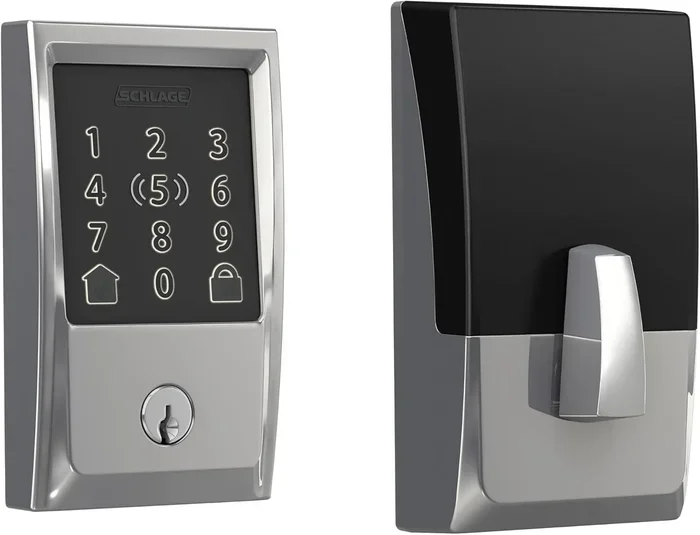
A keyless deadbolt is a lock that does not need a physical key to operate. Instead, you use a digital method to lock or unlock your door. These methods can include a keypad, a smartphone app, a fingerprint scanner, or even voice commands. The technology behind keyless entry has grown fast in recent years.
Most keyless deadbolts run on batteries, and some connect to your home WiFi or Bluetooth network. This means you can control your lock from anywhere with your phone. You can grant temporary access to guests, delivery drivers, or house sitters. The convenience factor is huge, and that is a big reason why smart locks have become so popular.
But convenience is not the only thing that matters. Security is the real question. And that is where things get interesting. Let us look at how these locks compare to traditional options in terms of actual protection.
How Do Keyless Deadbolts Work?
Most keyless deadbolts use one or more of these methods to authenticate you:
- Keypad entry: You type in a numeric code on the lock’s panel.
- Bluetooth connection: Your phone communicates with the lock when you are nearby.
- WiFi connectivity: The lock connects to your home network for remote access.
- Fingerprint scanning: Your biometric data unlocks the door in seconds.
- Voice control: You use smart assistants like Alexa or Google Assistant to lock or unlock.
Each method has its own security level. For example, a fingerprint scanner is harder to fake than a simple code. But a WiFi-connected lock could theoretically be accessed by someone online if your network is not secure. Understanding these differences helps you choose the right digital lock for your situation.
How Traditional Locks Work
Traditional locks have been around for hundreds of years. The standard deadbolt uses a physical key to turn the locking mechanism inside the door. When you insert the key, it pushes pins inside the lock cylinder into the correct position. Once all the pins align, the lock turns and the bolt extends into the door frame.
The most common type of traditional lock is the pin tumbler lock. This design has been the backbone of lock security for a very long time. High-quality traditional locks use complex pin configurations that are hard to pick. Many also include anti-pick pins and security features that make forced entry much harder.
Traditional locks do not need electricity or batteries. They work in any weather, during power outages, and in remote areas. This reliability is one of their biggest advantages. You never have to worry about a dead battery leaving you locked out of your own home.
Types of Traditional Locks
Not all traditional locks are the same. Here are the most common types you will find on homes today:
- Pin tumbler deadbolts: The standard lock found on most exterior doors.
- Mortise locks: These are heavier-duty locks that fit inside a pocket in the door.
- Rim deadbolts: Installed on the interior surface of the door.
- High-security locks: These use patented keyways and advanced pin systems to resist picking and bumping.
Each type offers a different level of protection. Mortise locks, for example, are known for their strength and durability. They are often used in commercial buildings but are also great for homes that want extra security. The key is choosing the right lock grade for your needs.
Security Comparison: Keyless vs Traditional
Now let us get to the heart of the matter. Are keyless deadbolts actually more secure than traditional locks? The answer depends on several factors, including the lock quality, installation, and your personal habits.
Both types of locks can be secure or insecure. A cheap traditional lock is easy to pick, just like a cheap smart lock can be vulnerable to hacking. The real comparison lies in the details. Let us break down the security features of each type side by side.
Lock Picking and Bumping
Lock picking is one of the oldest methods of bypassing a lock. Traditional pin tumbler locks can be picked with the right tools and skill. Bump keys are another common threat. These are specially cut keys that can force a lock open with a quick strike.
Many modern keyless deadbolts do not have a traditional keyway at all. This means there is nothing to pick. Some models still include a key override for emergencies, but the digital components add a layer of protection that traditional locks simply do not have. However, smart locks can face their own threats, like electronic bypass or firmware exploits.
Forced Entry and Physical Attacks
When it comes to kicking in a door or using brute force, both lock types perform similarly. The strength of the lock bolt, the door frame, and the strike plate matter more than whether the lock is keyless or traditional. A Grade 1 deadbolt from either category will resist forced entry much better than a Grade 3 lock.
Here is a quick comparison of the two lock types across key security factors:
| Security Factor | Keyless Deadbolts | Traditional Locks |
|---|---|---|
| Lock Picking Resistance | High (no keyway to pick) | Moderate to High (depends on quality) |
| Bump Key Resistance | High (no key to bump) | Low to Moderate (unless high-security) |
| Forced Entry Resistance | Depends on bolt and grade | Depends on bolt and grade |
| Hacking/Electronic Bypass | Possible if not updated | Not applicable |
| Key Copying Risk | None (no physical key) | Moderate (keys can be copied) |
| Battery/Power Dependency | Yes (battery powered) | No (fully mechanical) |
| Remote Access | Yes (via app or WiFi) | No |
As you can see, neither type is perfect in every category. The best lock security comes from combining a high-quality lock with good habits like keeping your software updated or using a reinforced door frame.
Vulnerabilities of Keyless Deadbolts
It is important to be honest about the risks. Keyless deadbolts are not invincible. They come with vulnerabilities that every homeowner should understand before making a purchase.
Hacking and Electronic Attacks
Because smart locks connect to networks, they can be targeted by hackers. A skilled attacker might exploit weak WiFi security or Bluetooth vulnerabilities to gain access to your door. This is not common, but it is possible. The risk increases if you use a lock with outdated firmware or a weak password.
To reduce this risk, choose a digital lock from a reputable brand that offers regular firmware updates. Enable two-factor authentication if your lock supports it. And never use the same password for your smart lock that you use for other accounts.
Battery Failure
A dead battery means a dead lock. If you rely entirely on your keyless deadbolt and the battery dies, you could be locked out. Most smart locks give you a low-battery warning, but it is still a real concern. Many models include a backup key or an external battery terminal to get you inside in an emergency.
Pro tip: Keep spare batteries on hand and check your lock’s power level every few months. This simple habit can save you from a frustrating situation at your front door.
Bluetooth and WiFi Weaknesses
Bluetooth-enabled locks can sometimes be accessed if someone gets close enough to your door. While the range is short, it is still a potential vulnerability. WiFi-connected locks face similar risks, especially if your home network is not properly secured with a strong password and encryption.
Using a home security system alongside your smart lock adds an extra layer of protection. Cameras, motion sensors, and alarms can alert you to any suspicious activity near your door, whether someone is trying to hack your lock or force it open.
Vulnerabilities of Traditional Locks
Traditional locks are not without their flaws either. Despite their long history, they have well-known weaknesses that every homeowner should know about.
Lock Picking
A skilled locksmith or lock picker can open many traditional locks in seconds. Standard pin tumbler locks are especially vulnerable. The tools needed are inexpensive and widely available online. This does not mean your lock will be picked, but it is a risk worth understanding.
High-security traditional locks use anti-pick pins, restricted keyways, and other features that make picking much harder. If you want the security of a traditional lock, invest in a Grade 1 or Grade 2 model from a trusted brand. These locks are designed to resist common attack methods.
Key Copying and Theft
Every physical key can be copied. If someone gets hold of your key, they have full access to your home. Keys can be lost, stolen, or even copied at a local hardware store without much question. This is one of the biggest security risks of traditional locks.
Some high-security lock brands offer patented key designs that cannot be duplicated without authorization. These locks cost more, but they provide an extra layer of protection against unauthorized key copying. For homeowners in high-risk areas, this investment can be well worth it.
Wear and Tear Over Time
Traditional locks wear out over time. The pins inside the cylinder can become loose, and the key may start to stick or turn poorly. A worn lock is easier to pick and more likely to fail when you need it most. Regular maintenance, like lubricating the lock cylinder, can extend the life of your traditional lock.
Keyless deadbolts also experience wear, but the mechanical parts are often simpler and more durable. The electronic components may need replacement after several years, but the overall lock mechanism tends to last a long time with proper care.
Which Lock Type Is Right for You?
Choosing between keyless deadbolts and traditional locks depends on your lifestyle, budget, and security needs. There is no one-size-fits-all answer. Let us look at a few scenarios to help you decide.
Best for Families with Kids
Families with young children often benefit from keyless deadbolts. You never have to worry about kids losing their keys. You can create temporary codes for babysitters or grandparents. And many smart locks let you track who comes and goes, which gives parents extra peace of mind.
Best for Renters
If you rent your home, a keyless deadbolt can be a great option. Many smart locks are easy to install and remove without damaging the door. You can take your lock with you when you move. Just make sure you check with your landlord before making any changes to the door or lock.
Best for Tech Enthusiasts
If you love smart home technology, a digital lock is a natural fit. You can integrate it with your existing smart home setup. Voice commands, automation routines, and remote access make daily life more convenient. Plus, many smart locks look sleek and modern, adding a stylish touch to your entryway.
Best for Maximum Physical Security
If your top priority is resisting physical attacks like forced entry or lock picking, a high-grade traditional lock might be your best bet. Grade 1 commercial-grade deadbolts are built to withstand serious attempts at bypass. Pair it with a reinforced door frame, a heavy-duty strike plate, and a solid core door for the best protection.
Expert Tips to Improve Any Lock’s Security
Whether you choose keyless deadbolts or stick with a traditional lock, there are steps you can take to boost your security right now.
- Install a Grade 1 deadbolt: This is the highest security rating available. It resists picking, bumping, and forced entry better than any other grade.
- Use a reinforced strike plate: A 3-inch screw strike plate makes it much harder for someone to kick in your door.
- Keep your firmware updated: If you have a smart lock, install updates as soon as they become available. These patches fix security vulnerabilities.
- Enable two-factor authentication: If your lock app supports it, turn on two-factor authentication for an extra layer of digital protection.
- Use strong passwords: Never use “1234” or your birthday as your lock code. Choose a unique, complex code that is hard to guess.
- Add a door sensor or camera: A smart camera or door sensor alerts you whenever someone approaches your door, whether they use a key, a code, or force the lock.
- Replace locks after moving into a new home: You do not know who else has copies of the old keys. A fresh lock gives you peace of mind.
Common Mistakes People Make With Locks
Even the best lock can fail if you make these common mistakes. Avoid them to get the most out of your lock security setup.
- Leaving your smart lock unlocked: Many keyless deadbolts have an auto-lock feature. Use it so you never forget to lock the door.
- Ignoring low battery warnings: A dead battery can leave you stranded. Replace batteries promptly when the alert sounds.
- Hiding a spare key outside: Thieves know all the common hiding spots. Use a lockbox or give a spare key to a trusted neighbor instead.
- Skipping the installation manual: Proper installation is critical. Follow the manufacturer’s instructions carefully or hire a professional locksmith.
- Choosing price over quality: The cheapest lock is not always the best. Invest in a reputable brand with strong security features and positive reviews.
Key Takeaways
- Keyless deadbolts offer modern convenience: You can lock and unlock your door with a code, phone, or fingerprint.
- Traditional locks are battle-tested: They have decades of proven security, but they are not immune to lock picking or bumping.
- Both options have vulnerabilities: Keyless systems can face hacking risks, while traditional locks can be picked or keys lost.
- ANSI lock grades matter: Grade 1 offers the highest security for both keyless and traditional deadbolts.
- Smart home integration adds value: Many keyless deadbolts work with Alexa, Google Home, and Apple HomeKit.
- Installation and maintenance count: A properly installed lock, regardless of type, is your best defense.
- Your lifestyle determines the best fit: Families, renters, and tech enthusiasts all have different lock needs.
Conclusion
So, are keyless deadbolts more secure than traditional locks? The truth is, both types can provide excellent security when you choose the right model and use it correctly. Keyless deadbolts bring modern technology, remote access, and convenience to your front door. They eliminate the risk of lost keys and unauthorized key copies. Traditional locks offer proven mechanical security that does not depend on batteries or internet connections.
The best lock is the one that fits your home, your habits, and your budget. If you want smart features and easy access control, a high-quality smart lock is a great choice. If you prefer simplicity and independence from technology, a well-built traditional deadbolt is hard to beat. And if you really want the best of both worlds, consider a keyless deadbolt that includes a mechanical backup key and strong digital security features.
Take the time to research brands, read reviews, and compare lock grades before you buy. A good lock is one of the most important investments you can make for your home. Protect your family, your belongings, and your peace of mind by choosing wisely. The right lock security solution is out there, and now you have the knowledge to find it.
Frequently Asked Questions
Can keyless deadbolts be hacked?
Yes, it is possible, but the risk is low with a quality lock. Reputable brands use encryption and regular firmware updates to protect against hacking. To minimize risk, use a strong WiFi password and enable two-factor authentication on your lock app.
What happens if the battery dies on a keyless deadbolt?
Most smart locks include a low-battery warning weeks before the battery dies. If the battery does die, many models have a backup key or an external battery terminal that lets you unlock the door temporarily. Always keep spare batteries on hand.
Are keyless deadbolts harder to install than traditional locks?
Not necessarily. Most keyless deadbolts use the same installation process as traditional deadbolts. They fit standard door preparations and come with detailed instructions. If you are not comfortable with DIY installation, a locksmith can handle it for you.
Do keyless deadbolts work during a power outage?
Yes. Keyless deadbolts run on batteries, not home electricity. As long as your lock batteries are charged, the lock works normally during a power outage. Some models also include a mechanical key override for emergencies.
Which lock grade should I look for?
Look for a Grade 1 lock for the highest security. Grade 1 locks are commercial-grade and offer the best resistance to picking, bumping, and forced entry. Grade 2 locks are a good mid-range option for residential homes. Grade 3 locks are the minimum standard and are best suited for interior doors.
Can I use a keyless deadbolt on any door?
Most keyless deadbolts fit standard residential doors with a 2-1/8 inch bore hole. They work on wood, steel, and fiberglass doors. Before purchasing, check the lock’s specifications and measure your door to ensure compatibility. Some models may require additional hardware for certain door types.