Does It Matter Who Your Internet Provider Is And Why
Your internet provider shapes everything from daily browsing speed to how smoothly you stream, game, and work online. Different ISPs offer vastly different speeds, reliability levels, and customer experiences. This guide breaks down exactly why your internet provider matters and how to pick the right one for your needs.
You might think all internet providers are pretty much the same. They give you a connection, you pay a bill, and you go online. But that is far from the truth. Does it matter who your internet provider is? The short answer is yes, it really does. Your choice of internet provider affects everything from daily browsing to how smoothly your favorite shows stream. It also impacts gaming performance, work reliability, and even how much you pay each month.
Many people simply stick with whatever provider is available in their area. That is a mistake. Does it matter who your internet provider is? Absolutely. Different providers offer vastly different speeds, reliability levels, and customer experiences. Some ISPs provide fiber optic connections that deliver blazing fast speeds, while others rely on older copper lines that struggle with basic tasks. Understanding these differences helps you make a smarter choice.
In this guide, we will break down exactly why your internet provider matters. We will look at speed, reliability, customer service, equipment, and hidden costs. By the end, you will know exactly what to look for when choosing a broadband provider. You will also learn how to avoid common pitfalls that trap millions of consumers every year.
Key Takeaways
- Your ISP directly impacts internet speed: Different providers offer varying download and upload speeds that affect every online task.
- Reliability and uptime matter: Some providers have fewer outages and better connection stability than others.
- Customer service quality varies widely: A good ISP can make troubleshooting a breeze, while a bad one causes frustration.
- Equipment and contract terms differ: Some ISPs lease modems while others let you buy your own gear.
- Pricing and hidden fees add up: Promotional rates often jump significantly after the first year.
- Local availability limits your choices: Not every provider serves every area equally well.
📑 Table of Contents
What Your Internet Provider Actually Does
Before we dive into why the choice matters, let us understand what an internet provider actually does. An ISP, or Internet Service Provider, is the company that connects your home or business to the global internet. They own the infrastructure, the cables, the towers, and the servers that make your online experience possible.
Think of your internet provider like a highway system. The better the roads, the faster and smoother your journey. A top-tier ISP builds and maintains high-quality infrastructure. This means less congestion, fewer slowdowns, and a more reliable connection for everyone on their network.
Types of Internet Connections
Not all internet connections are created equal. Your provider may offer one or more of these connection types:
- Fiber Optic: The fastest and most reliable option. Fiber uses light signals to deliver data at incredible speeds.
- Cable: Uses the same coaxial cables as television. Fast but can slow down during peak hours.
- DSL: Uses telephone lines. Slower than cable or fiber but widely available in many areas.
- Satellite: Available almost anywhere but suffers from high latency and weather-related issues.
- Fixed Wireless: Uses radio signals from a nearby tower. A solid option for rural areas.
Your choice of internet provider determines which connection types are available to you. This is the first and most important factor in your overall online experience. A fiber connection from a quality provider will outperform a DSL connection from a lesser provider every single time.
How Your ISP Affects Internet Speed
Does it matter who your internet provider is when it comes to speed? Without a doubt. Your ISP is the gatekeeper of your internet speed. They control the infrastructure that delivers data to your home. A better provider means faster download speed and upload speed, which directly impacts everything you do online.
When you stream a movie, your internet provider determines how quickly the data travels from the server to your screen. When you download a large file, the speed depends on the bandwidth your ISP provides. Even something as simple as loading a webpage relies on the quality of your connection.
Download Speed vs. Upload Speed
Most people focus on download speed when choosing a plan. That makes sense. Download speed determines how fast you can load pages, stream videos, and browse social media. But upload speed matters just as much if you video call, upload content, or work from home.
A good ISP offers balanced speeds in both directions. Cheap plans often promise fast downloads but skimp on uploads. This creates a frustrating experience for anyone who needs to send files or participate in video conferences. Always check both numbers before you commit to an internet plan.
Latency and Gaming Performance
Latency is the time it takes for data to travel from your device to a server and back. Also known as ping, this metric is crucial for gaming performance. A high latency means lag, stuttering, and missed opportunities in competitive games.
Your internet provider plays a huge role in keeping latency low. Fiber optic connections typically offer the best latency. Satellite connections, on the other hand, suffer from high latency due to the distance data must travel. If you are a serious gamer, choosing the right ISP can be the difference between winning and losing.
For example, the performance gains you get from a great system are wasted if your internet provider cannot deliver a stable, low-latency connection. Just as choosing the right setup matters for performance, your choice of internet provider directly affects how smoothly everything runs online. Even something like system-level performance optimization means nothing if your connection bottlenecks the experience.
Reliability and Uptime: Why It Matters
Speed means nothing if your connection drops every few hours. Connection reliability is one of the most important factors when evaluating an internet provider. A reliable ISP provides consistent speeds and minimal downtime.
Nothing is more frustrating than an internet outage during a work meeting, a live stream, or a movie night with family. The frequency and duration of outages vary wildly between providers. Some ISPs invest heavily in network redundancy and backup systems. Others cut corners and leave customers dealing with frequent disruptions.
What Causes Internet Outages
Several factors can cause an internet outage:
- Weather events: Storms, ice, and high winds can damage physical infrastructure.
- Equipment failures: Old or poorly maintained equipment fails more often.
- Network congestion: Too many users on the same network slow things down or cause outages.
- Construction accidents: Crews digging in the area can accidentally cut cables.
- Planned maintenance: Some providers schedule downtime for upgrades and repairs.
A trustworthy internet provider communicates clearly about outages and works quickly to restore service. They also invest in infrastructure that minimizes the risk of future disruptions. Before you commit to a provider, check their outage history and customer reviews. A provider with a strong track record of uptime is worth its weight in gold.
How Internet Quality Affects Your Devices
Your connection quality affects every device on your network. From smart home gadgets to USB peripherals, everything depends on a stable internet connection. For example, if you use a USB microphone for streaming or video calls, a poor connection can cause dropouts and frustration. Even devices like the Blue Snowball microphone can experience issues when network instability affects USB device recognition and performance. A reliable ISP keeps all your connected devices running smoothly.
Customer Service and Support Quality
You will eventually need help with your connection. Whether it is a slow speed, a billing issue, or a complete outage, customer service makes all the difference. This is where many internet provider companies really show their true colors.
Some ISPs offer 24/7 support with knowledgeable technicians who can resolve issues quickly. Others make you wait on hold for hours, only to receive unhelpful scripted responses. The quality of customer service can turn a minor issue into a major headache or a quick fix.
What to Look for in ISP Support
When evaluating an internet provider, consider these support factors:
- Availability: Is support available 24/7 or only during business hours?
- Contact channels: Do they offer phone, chat, email, and social media support?
- Response time: How quickly do they actually respond to your inquiries?
- First-call resolution: Can they fix the problem on the first contact?
- Online resources: Do they have helpful tutorials, troubleshooting guides, and FAQs?
Good customer service saves you time and stress. It also indicates that the company values its subscribers and is willing to invest in their experience. Read reviews from real users before you sign any contract. A provider with excellent support can save you hours of frustration when things go wrong.
Equipment, Contracts, and Hidden Costs
Choosing an internet provider is not just about speed and reliability. The details matter too. Equipment fees, contract terms, and hidden charges can add up quickly and turn a great deal into a bad one.
ISP-Provided Equipment vs. Buying Your Own
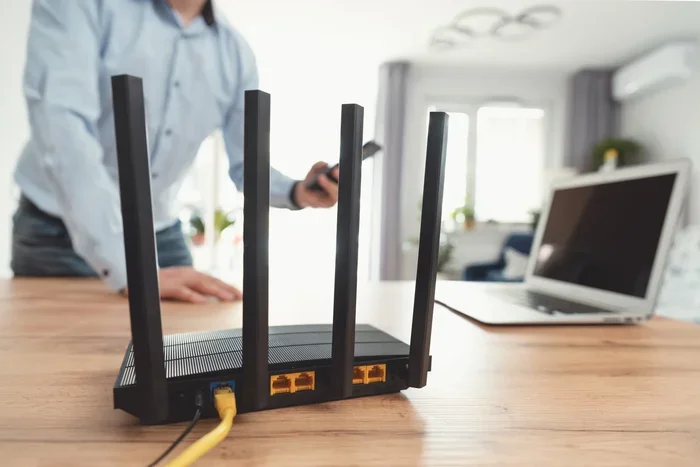
Most ISPs offer to lease you a modem and router for a monthly fee. This is convenient but often expensive over time. Can I Buy A Modem And Have Internet? Yes, you absolutely can, and it often saves you money in the long run.
When you purchase your own modem and router, you avoid monthly rental fees. You also get better equipment that may offer faster speeds and stronger signals. However, you need to make sure your gear is compatible with your ISP and their network requirements.
Some providers lock you into using their specific equipment. This limits your options and can prevent you from getting the best possible performance. Always check whether your internet provider allows third-party equipment before you commit. Buying your own gear is one of the smartest moves you can make for long-term savings.
Contract Terms and Early Termination Fees
Many ISPs require you to sign a contract, often for 12 or 24 months. These contracts usually come with promotional pricing that looks attractive at first. But read the fine print carefully.
If you cancel before the contract ends, you may face steep early termination fees. Some providers also increase your rate after the promotional period ends. Always ask about the regular price before you sign. A good ISP will be transparent about pricing and contract terms. Do not let a flashy promotional rate blind you to the real cost of your internet plans.
Data Caps and Throttling
Data caps limit how much data you can use each month. Once you hit the cap, your internet provider may slow your connection or charge extra fees. This practice, known as internet throttling, can severely impact your online experience.
If you stream a lot of content or have multiple people using the same network, data caps are a serious concern. Look for providers that offer unlimited data or generous caps. Bandwidth should not be a luxury, and a good provider treats it that way. Check the streaming quality you can expect under different data cap scenarios before you commit.
How to Choose the Right Internet Provider
Now that you understand what to look for, here is a practical guide to choosing the right internet provider for your needs.
Step 1: Check Local Availability
Not every provider serves every area. Start by checking which ISPs are available at your address. Use online tools or call providers directly to confirm coverage. Local availability is the first filter that narrows your options. You may have great choices in one neighborhood and limited ones in another.
Step 2: Compare Speed Tiers
Look at the different speed tiers each provider offers. Match the speed to your household needs. A single person who browses and streams casually needs less speed than a family of five who game, stream, and work from home simultaneously.
Consider your internet speed needs carefully. A plan with 25 Mbps might be fine for one person but unbearable for a busy household. Always choose a plan that gives you room to grow. Think about how many devices will be connected and what activities they will be used for.
Step 3: Read the Fine Print
Before you sign up, read the contract carefully. Look for hidden fees, data caps, and price increase clauses. A trustworthy internet provider will be upfront about all costs and terms. Pay special attention to how the pricing plans change after the promotional period ends.
Step 4: Check Reviews and Reputation
Look up reviews from current and former customers. Pay attention to complaints about speed consistency, customer service, and billing practices. A provider with a strong reputation is more likely to deliver a positive experience. Trust what real users say over what marketing materials claim.
Step 5: Consider Future Needs
Think about how your needs might change in the next few years. Are you planning to add more devices? Start working from home? Get into competitive gaming? Choose a provider and plan that can grow with you. A good ISP scales with your needs rather than holding you back.
For instance, if you are into gaming, your internet provider needs to support low latency and consistent speeds. The same way that system optimization matters for performance, your choice of ISP matters for your online experience. Choose wisely and invest in a provider that delivers value year after year.
Conclusion
Does it matter who your internet provider is? The evidence is clear. Yes, it absolutely does. Your internet provider affects your speed, reliability, customer experience, and monthly costs. Making an informed choice saves you money, frustration, and hours of troubleshooting.
Take the time to research your options. Compare providers in your area. Read reviews. Ask questions about contract terms, data caps, and equipment options. A little effort upfront pays off in a better online experience for years to come.
Your internet provider is not just a bill you pay each month. It is the foundation of your digital life. Choose wisely, and you will enjoy faster speeds, fewer outages, and a connection that truly works for you. Do not settle for less when the right ISP can make such a meaningful difference in your daily online experience.
Frequently Asked Questions
Does it matter who your internet provider is for streaming?
Yes, it matters a lot. Your internet provider determines the speed and stability of your connection, which directly affects streaming quality. A reliable ISP with fast speeds delivers smooth, buffer-free streaming. A poor provider can cause constant buffering, low resolution, and a frustrating viewing experience.
Can switching internet providers improve my internet speed?
Absolutely. Switching to a better ISP can significantly improve your internet speed. If you are currently on a slow or congested network, moving to a provider with faster infrastructure like fiber optic can make a dramatic difference. Always compare speed tiers and real-world performance before switching.
Why does my internet provider throttle my connection?
Internet throttling happens when your ISP intentionally slows down your connection. This usually occurs when you hit a data cap or during peak usage times. Some providers throttle certain types of traffic like streaming or gaming. Choosing a provider with unlimited data and transparent policies helps you avoid throttling.
Is it cheaper to buy your own modem instead of renting from your ISP?
Yes, buying your own modem and router is usually cheaper in the long run. While the upfront cost is higher, you save on monthly rental fees over time. Check whether you can buy a modem and have internet with your provider before making the switch. Compatibility is key, so verify your gear works with your ISP first.
What should I look for in an internet provider contract?
Look for transparent pricing, no hidden fees, and clear contract terms. Check for early termination fees, data caps, and how the pricing plans change after promotional periods end. A good internet provider will be upfront about all costs. Read the entire contract before you sign anything.
How can I test my internet provider’s actual speed?
Run a speed test using a reliable online tool at different times of the day. Test both download speed and upload speed. Compare the results to the speeds your ISP promises in your plan. If your real-world speeds consistently fall short, it may be time to switch providers or contact customer support about the issue.