Advantages Of Computer Based Information Systems Explained
Computer based information systems revolutionize how businesses operate by automating tasks, improving data accuracy, and enabling faster decision making. These powerful systems help organizations cut costs, boost productivity, and stay competitive in a fast-changing digital world. Understanding their advantages can help any business unlock greater efficiency and growth potential.
In today’s fast-paced world, every business needs an edge. Whether you run a small shop or a large corporation, the way you handle information matters. That is where computer based information systems come into play. These systems have changed the way organizations work, think, and grow. They are no longer just a nice-to-have. They are a must-have for anyone who wants to stay relevant.
The benefits of these systems go far beyond simple data storage. They touch every part of a business, from daily tasks to big-picture strategy. In this article, we will explore the real-world advantages of computer based information systems. You will learn how they improve efficiency, reduce costs, and help teams make smarter choices. Let us dive in and see why so many organizations are making the switch.
Key Takeaways
- Faster Processing: Computer based information systems handle massive amounts of data in seconds, dramatically speeding up business operations.
- Better Decision Making: Real-time data and analytics empower leaders to make informed choices quickly and confidently.
- Cost Savings: Automation reduces manual labor, minimizes errors, and lowers long-term operational expenses.
- Improved Communication: These systems streamline internal and external communication across teams and departments.
- Enhanced Data Security: Modern systems offer robust protection for sensitive business and customer information.
- Scalability: Computer based information systems grow with your business, adapting to changing needs and demands.
- Competitive Edge: Organizations using these systems gain a significant advantage over those relying on manual processes.
📑 Table of Contents
- What Are Computer Based Information Systems?
- Top Advantages Of Computer Based Information Systems
- Real-World Examples of Advantages
- Common Mistakes to Avoid When Implementing These Systems
- Expert Insights on Maximizing System Benefits
- How to Choose the Right System for Your Business
- The Future of Computer Based Information Systems
- Conclusion
What Are Computer Based Information Systems?
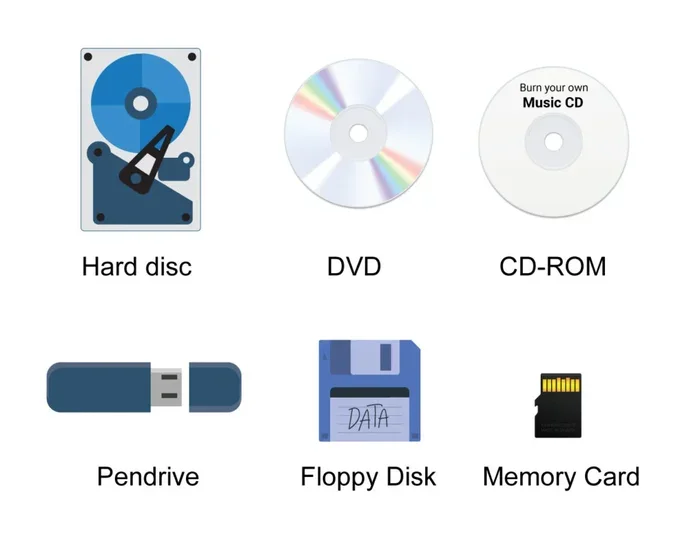
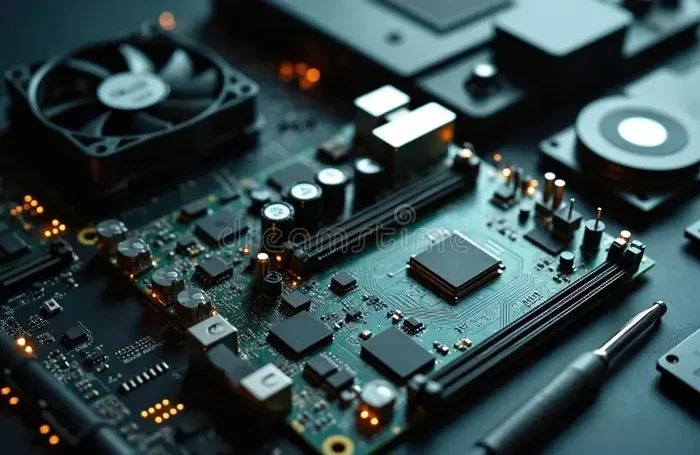
Before we look at the benefits, let us quickly define what we mean. A computer based information system is a setup where computers and software work together to collect, store, process, and share information. Think of it as a digital backbone for any organization. It includes hardware like servers and computers, software applications, databases, and the people who use them.
These systems come in many forms. Some are simple databases for tracking inventory. Others are complex enterprise platforms that manage entire departments. The key idea is that computers do the heavy lifting. They replace manual processes with automated ones, and they make information available when and where it is needed.
How Do They Work?
At their core, computer based information systems follow a simple cycle. They collect raw data from various sources. Then they process that data into useful information. Finally, they distribute that information to the right people at the right time. This cycle happens in seconds, which is why these systems are so powerful.
For example, a retail store uses a system to track sales. When a customer buys something, the system records the transaction instantly. It updates inventory levels, generates a receipt, and sends data to the management dashboard. All of this happens without a single human needing to do manual calculations. That is the beauty of these systems in action.
Top Advantages Of Computer Based Information Systems
Now let us get to the heart of the matter. What makes these systems so valuable? Here are the biggest advantages that businesses enjoy when they adopt computer based information systems.
1. Improved Efficiency and Speed
Speed is everything in business today. Manual processes take time, and time costs money. Computer based information systems eliminate bottlenecks by automating repetitive tasks. What used to take hours can now be done in minutes.
For instance, imagine a payroll department processing salaries for 500 employees by hand. That would take days. With a computer system, it takes a few clicks. The system calculates taxes, deductions, and net pay automatically. This kind of efficiency frees up staff to focus on higher-value work.
Key efficiency gains include:
- Faster data processing and retrieval
- Reduced manual labor and paperwork
- Quicker turnaround times for reports
- Streamlined workflows across departments
- 24/7 operation without human fatigue
2. Better Decision Making
Making decisions without good data is like driving blindfolded. Computer based information systems give leaders access to real-time information and analytics. This means decisions are based on facts, not guesses.
When managers can see up-to-date sales figures, customer trends, and inventory levels, they can respond quickly to changes. A sudden drop in demand? The system flags it immediately. A spike in a particular product? The team can adjust production fast. This agility is a huge advantage in competitive markets.
Here is how these systems improve decision making:
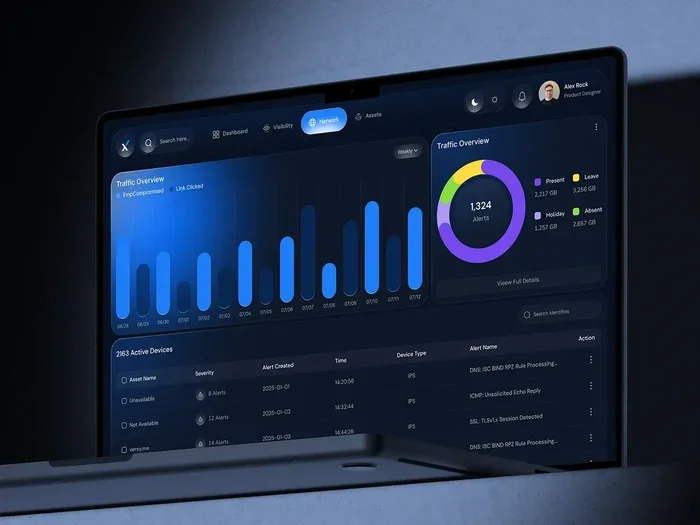
- Real-time dashboards show live data
- Historical trends help predict future outcomes
- Automated reports reduce analysis time
- Data visualization makes patterns easy to spot
- Scenario modeling supports strategic planning
3. Significant Cost Reduction
Every business wants to save money, and computer based information systems deliver on that front. Automation reduces the need for large teams to handle manual tasks. Fewer errors mean less wasted money on rework and corrections. And digital storage eliminates the cost of physical files and paper.
Of course, there is an upfront investment. Software, hardware, and training cost money. But the long-term savings far outweigh the initial expenses. Most businesses see a return on investment within the first year or two. Over time, the savings compound and grow.
Areas where costs drop significantly:
- Reduced labor costs for repetitive tasks
- Lower error rates and associated rework costs
- Elimination of paper-based processes
- Less storage space needed for physical records
- Fewer costly mistakes from miscommunication
4. Enhanced Data Accuracy and Reliability
Humans make mistakes. It is a simple fact. Manual data entry is prone to typos, omissions, and inconsistencies. Computer based information systems drastically reduce these errors. Once data is entered correctly, the system maintains it consistently across all platforms.
When everyone in the organization works from the same accurate data, confusion disappears. Teams stop arguing over numbers. Managers stop second-guessing reports. Trust in the information grows, and that trust leads to better outcomes for the entire company.
Tips for maintaining data accuracy:
- Set up validation rules to catch errors at entry
- Perform regular data audits and cleanups
- Use automated backups to prevent data loss
- Train staff on proper data input procedures
- Limit access to prevent unauthorized changes
5. Improved Communication and Collaboration
Information only matters if the right people can access it. Computer based information systems break down silos between departments. They make it easy for teams to share data, communicate progress, and collaborate on projects.
Think about a marketing team that needs sales data to plan a campaign. In a traditional setup, they would have to request reports and wait days. With a modern system, they can pull the data themselves in real time. This kind of seamless communication keeps everyone aligned and moving forward together.
Communication benefits include:
- Centralized data accessible to authorized users
- Instant sharing of reports and documents
- Integrated messaging and notification systems
- Remote access for distributed teams
- Collaborative tools for project management
6. Scalability and Flexibility
Businesses grow and change. Your systems should be able to keep up. One of the greatest advantages of computer based information systems is their scalability. Whether you add 10 new customers or 10,000, a well-designed system can handle the growth.
Cloud-based solutions take this flexibility even further. You can add storage, users, or features without buying new hardware. The system adapts to your needs rather than forcing you to adapt to its limitations. This is especially valuable for startups and growing companies.
Scalability features to look for:
- Cloud hosting for on-demand resource expansion
- Modular design that allows incremental upgrades
- Multi-user support for growing teams
- Integration capabilities with other business tools
- Customizable workflows to match evolving processes
7. Stronger Data Security
With great power comes great responsibility. Computer based information systems handle sensitive data, and protecting that data is critical. Modern systems offer robust security features that go far beyond what a filing cabinet can provide.
Encryption, access controls, audit trails, and automatic backups are just the beginning. These features protect against data breaches, unauthorized access, and accidental loss. For industries like healthcare and finance, where data security is non-negotiable, these systems are essential.
Security measures in modern systems:
- Role-based access control limits who sees what
- Encryption protects data in transit and at rest
- Audit logs track every action taken in the system
- Automatic backups prevent permanent data loss
- Multi-factor authentication adds an extra layer of protection
Real-World Examples of Advantages
Theory is great, but seeing how these advantages play out in real life makes the concept click. Let us look at a few examples of how different industries benefit from computer based information systems.
Healthcare Industry
Hospitals use information systems to manage patient records, schedule appointments, and track medications. These systems reduce medical errors, improve patient care, and help doctors make faster diagnoses. Electronic health records give authorized staff instant access to a patient’s history, which can be life-saving in emergencies.
Retail Industry
Retailers rely on systems to manage inventory, process sales, and analyze customer behavior. A point-of-sale system tracks what sells and when, helping stores stock the right products at the right time. This leads to fewer stockouts, less waste, and happier customers.
Finance Industry
Banks and financial institutions process millions of transactions daily. Without computer systems, this would be impossible. These systems detect fraud, manage accounts, and provide customers with instant access to their finances through online banking platforms.
Education Industry
Schools and universities use information systems for enrollment, grading, and communication. Students can access grades and assignments online, and teachers can track progress in real time. This digital transformation has made education more accessible and efficient for everyone.
Common Mistakes to Avoid When Implementing These Systems
Adopting a computer based information system is a big step. Done right, it transforms your business. Done wrong, it creates headaches. Here are common mistakes to watch out for.
Skipping the Needs Assessment
Many businesses buy a system because it is popular, not because it fits their needs. This is a recipe for frustration. Take time to understand what your organization actually requires before making a purchase. Map out your workflows, identify pain points, and define clear goals.
Underestimating Training Needs
A system is only as good as the people using it. If staff do not know how to operate the system properly, it will not deliver its full value. Invest in thorough training and ongoing support. Make sure everyone feels comfortable and confident before going live.
Ignoring Data Migration
Moving data from old systems to a new one is often overlooked. Poor data migration leads to lost or corrupted information. Plan your migration carefully, test it thoroughly, and have backup plans in place.
Choosing Cost Over Quality
The cheapest option is rarely the best option. A system that breaks down or cannot scale will cost you more in the long run. Look for quality, reliability, and good support rather than just the lowest price tag.
Expert Insights on Maximizing System Benefits
Industry experts agree that the true value of computer based information systems comes from how they are used. Simply installing software is not enough. You need a clear strategy and ongoing commitment.
Dr. Sarah Chen, IT Strategy Consultant: “The organizations that get the most from their information systems are the ones that treat them as a strategic investment, not just a tool. They align their technology goals with their business goals from day one.”
Mark Thompson, Operations Manager at TechFlow: “We saw a 40% improvement in processing time after implementing our new system. But the real game-changer was the data quality. Our team finally trusts the numbers, and that has transformed how we plan and execute.”
Quick tips from the experts:
- Start small and expand gradually as your team grows comfortable
- Involve end users in the selection process to ensure buy-in
- Set measurable goals to track the system’s impact on your business
- Review and update your system regularly to keep it current
- Invest in ongoing training, not just a one-time session
How to Choose the Right System for Your Business
Not all systems are created equal. Choosing the right one depends on your specific needs, budget, and goals. Here are some factors to consider.
Size and complexity of your business: A small business may only need a simple database application. A large enterprise might require a full-scale enterprise resource planning system. Match the complexity of the system to the complexity of your operations.
Budget and ROI: Set a realistic budget that includes not just the purchase price but also training, maintenance, and upgrades. Calculate your expected return on investment and compare it against the cost.
Scalability: Choose a system that can grow with you. Look for flexible pricing models and modular features that let you add capabilities as needed.
Integration capabilities: Your new system should work well with your existing tools. Check for compatibility with your current software, databases, and communication platforms.
Vendor support: Good support makes all the difference. Look for vendors that offer responsive customer service, regular updates, and comprehensive documentation.
The Future of Computer Based Information Systems
The world of computer based information systems is constantly evolving. New technologies are making these systems even more powerful and accessible. Here are some trends to watch.
Artificial Intelligence Integration: AI is adding smart capabilities to information systems. Predictive analytics, natural language processing, and machine learning are making systems more intuitive and proactive.
Cloud-First Approaches: More businesses are moving to cloud-based systems. This offers greater flexibility, lower upfront costs, and easier maintenance. Cloud systems also enable remote work, which has become essential in the modern workplace.
Mobile Accessibility: Modern systems are designed to work seamlessly on mobile devices. This means decision makers can access critical information from anywhere, at any time. The ability to stay connected on the go is a huge advantage.
Enhanced Cybersecurity: As threats evolve, so do security measures. Future systems will incorporate even more advanced protection, including biometric authentication and blockchain-based security protocols.
Conclusion
The advantages of computer based information systems are clear and compelling. They make businesses faster, smarter, and more efficient. They reduce costs, improve accuracy, and strengthen security. They empower teams to collaborate and leaders to make better decisions.
In a world where data drives success, these systems are not optional. They are essential. Whether you are a small business just starting out or a large corporation looking to stay ahead, investing in the right information system pays dividends for years to come. The key is to choose wisely, implement thoughtfully, and commit to ongoing improvement.
Take the first step today. Evaluate your current processes, identify your biggest challenges, and explore how computer based information systems can help you overcome them. The future belongs to businesses that embrace technology and use it strategically. Make sure yours is one of them.
Frequently Asked Questions
What is the main purpose of a computer based information system?
A computer based information system collects, stores, processes, and distributes information to help organizations operate more efficiently. It replaces manual processes with automated digital workflows, making data accessible and actionable for decision makers at every level.
How do these systems improve business efficiency?
They automate repetitive tasks, reduce human errors, and speed up data processing. Tasks that once took hours can be completed in minutes. This frees up employees to focus on higher-value work and helps the entire organization run more smoothly.
Are computer based information systems expensive to implement?
There is an upfront investment in software, hardware, and training. However, the long-term savings from reduced labor, fewer errors, and better efficiency typically outweigh the initial costs. Most businesses see a positive return on investment within the first year or two.
Can small businesses benefit from these systems too?
Absolutely. Small businesses often benefit the most because they have the most room for improvement. Even a simple database or inventory management system can save a small business hours of manual work each week and help it compete with larger rivals.
What industries use computer based information systems the most?
Nearly every industry uses them. Healthcare, retail, finance, education, manufacturing, and government all rely heavily on these systems. Any organization that handles data and needs to make timely decisions can benefit from this technology.
How do I know which system is right for my business?
Start by identifying your specific needs and pain points. Consider your budget, team size, and growth plans. Look for a system that is scalable, easy to use, and compatible with your existing tools. Reading reviews and consulting with experts can also help you make a confident choice.