Are 35mm Slide Projectors Still Made and Sold Today
35mm slide projectors are still available today, though they are no longer mass-produced by major manufacturers. You can find vintage models, refurbished units, and niche brands still making them for enthusiasts and collectors. Whether you want to relive analog nostalgia or preserve old family slides, there are solid options to explore.
This is a comprehensive guide about Are 35mm Slide Projectors Still Made.
Key Takeaways
- Limited Production: Major brands stopped mass-producing 35mm slide projectors decades ago, but small manufacturers and niche brands still make them.
- Vintage Market Thrives: Used and refurbished projectors are widely available on eBay, Etsy, and specialty retro electronics stores.
- Digital Alternatives Exist: Slide scanners and digital converters offer a modern way to enjoy your old 35mm slides without needing a projector.
- Maintenance Matters: Vintage projectors need regular lamp replacements and cleaning to work reliably.
- Nostalgia Drives Demand: The retro technology movement keeps interest in slide projectors alive among hobbyists and collectors.
- Projector Types Vary: From simple handheld viewers to professional carousel models, there is a projector for every need and budget.
[FEATURED_IMAGE_PLACEHOLDER]
Are 35mm Slide Projectors Still Made and Sold Today?
If you grew up watching family vacations flicker across a white wall, you might wonder whether 35mm slide projectors still exist in the world. The short answer is yes. They are still made, sold, and used by a passionate group of enthusiasts, collectors, and professionals who love the warm glow of analog film projection.
But the story is more nuanced than a simple yes or no. Major manufacturers stopped producing these devices in large numbers years ago. Today, the market looks very different from what it did in the 1980s and 1990s. Small companies, specialty brands, and vintage sellers keep the tradition alive. If you want to buy a new or used slide projector, you have options. You just need to know where to look.
This guide covers everything you need to know. We will explore whether manufacturers still produce them, where you can buy one, what types are available, and how to keep an old machine running. We will also look at why people still love this retro technology in a digital world.
The History of 35mm Slide Projectors
To understand where 35mm slide projectors stand today, it helps to know where they came from. These devices have a rich history that stretches back over a century. They once ruled the world of home entertainment and professional presentations.
How Slide Projection Became a Household Staple
In the mid-20th century, the 35mm slide projector became a centerpiece of family gatherings. People would load cardboard or glass slides into a carousel tray. Then they would project colorful images onto a wall or screen. Families shared vacation photos, holiday celebrations, and everyday moments through this simple yet magical technology.
Brands like Kodak, Bell & Howell, and Carousel became household names. Their vintage projectors sat in living rooms across America and Europe. The Kodak Carousel model, introduced in 1961, became one of the most beloved projectors ever made. It set the standard for film projection in homes and classrooms for decades.
The Golden Age of Slide Projection
The 1960s through the 1980s were the golden age of analog entertainment. Slide projectors were everywhere. Schools used them for teaching. Businesses used them for presentations. Families used them for fun. The slide viewing experience was social, interactive, and deeply personal.
During this era, manufacturers competed fiercely. They improved lamp brightness, added autofocus features, and designed quieter cooling systems. Projector lamps became more efficient. Slide carousels held more images. The technology felt futuristic and exciting.
Are 35mm Slide Projectors Still Being Manufactured?
This is the big question. The answer depends on what you mean by “still being made.” Major corporations stopped mass production long ago. But that does not mean 35mm slide projectors have completely vanished from factory floors.
What Happened to the Major Manufacturers?
Kodak, once the giant of the slide projection world, stopped making consumer projectors in the early 2000s. The rise of digital photography killed the mass market for film slides. Companies like Bell & Howell and Agfa shifted their focus to other products. By the mid-2000s, the big names had largely exited the vintage electronics projector market.
But Kodak did not disappear entirely. The brand still exists in various forms. And some of its classic designs continue to inspire new products. The legacy of these manufacturers lives on through the machines they built and the communities that still cherish them.
Small Brands and Niche Manufacturers
Here is where it gets interesting. Several small companies still manufacture slide projectors today. These brands cater to enthusiasts, hobbyists, and professionals who work with film. They produce new units that are faithful to the classic designs.
Some of these manufacturers are based in Europe and Asia, where analog film culture remains strong. They build projectors with quality materials and attention to detail. These are not mass-market products. They are crafted for people who truly value the analog nostalgia of slide projection.
You can also find refurbished models from well-known brands. Companies specializing in vintage electronics restore old projectors to working condition. These refurbished units often come with warranties and replacement parts. They are a great option if you want a reliable machine without hunting for a rare new model.
Where to Buy 35mm Slide Projectors Today
If you want to get your hands on a 35mm slide projector, you have more options than you might think. The market for these devices has found a second life online. Both new and used projectors are available through various channels.
Online Marketplaces
eBay is one of the most popular places to buy vintage projectors. You can find everything from basic handheld viewers to professional-grade carousel models. Prices vary widely based on condition, brand, and rarity. A working Kodak Carousel projector in good shape might cost anywhere from 50 to 200 dollars. Rare models can fetch much more.
Etsy is another great source. Many sellers specialize in retro technology and vintage electronics. They often restore projectors before selling them. You can also find projector lamps, filters, and accessories on these platforms. Shopping online gives you access to sellers around the world.
Specialty Retro Electronics Stores
Some brick-and-mortar stores focus on vintage and retro technology. These shops carry vintage projectors alongside other analog devices like film cameras, cassette players, and turntables. Visiting one of these stores lets you test a projector before buying it. You can also get expert advice from staff who love this stuff.
These stores are especially valuable if you are new to slide viewing. The staff can help you choose the right model for your needs. They can also advise you on maintenance and lamp replacements.
Direct from Manufacturers
A few niche manufacturers sell new slide projectors directly through their websites. These brands cater to a small but dedicated audience. Their products are often handcrafted and built to last. Prices tend to be higher than vintage models, but you get the satisfaction of owning a brand-new machine.
Some of these manufacturers also sell replacement parts and accessories. This is important because older projectors need regular maintenance. Finding a lamp or a replacement carousel tray can be tricky for discontinued models. Buying from the manufacturer solves this problem.
Types of 35mm Slide Projectors Available
Not all slide projectors are the same. There are several types, each designed for different purposes and budgets. Understanding the differences helps you choose the right one.
Handheld Viewers
Handheld viewers are the simplest type of 35mm slide projector. They are small, portable, and easy to use. You place a single slide in the viewing chamber and look through a small lens. These are great for quick viewing at home or on the go.
Handheld viewers do not project onto a wall or screen. They are more like magnifying glasses for slides. They are affordable and require no bulbs or lamps. Many people keep one in their desk drawer for quick access to favorite images.
Carousel Projectors
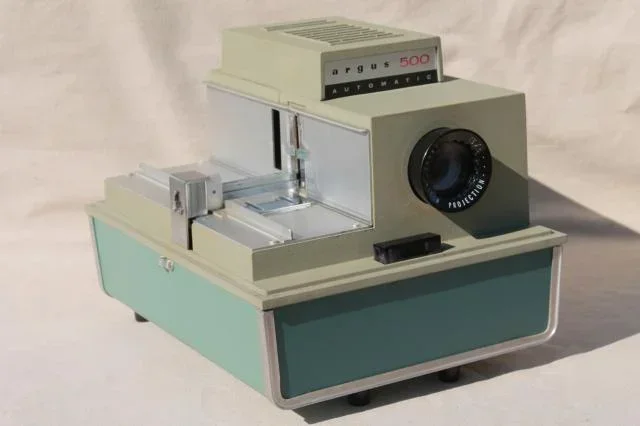
The carousel projector is the classic 35mm slide projector most people remember. It holds 80 slides in a circular tray. You load the tray, and the projector advances slides automatically. The Kodak Carousel is the gold standard here.
These projectors project images onto a screen or wall. They work well in dimly lit rooms. Carousel projectors are ideal for sharing photos with a group. They create a warm, nostalgic atmosphere that digital displays simply cannot replicate.
Professional and Educational Models
Professional-grade projectors are built for heavy use. They have brighter lamps, better cooling systems, and more advanced features. Schools, museums, and businesses still use these machines for presentations and displays.
These models are more expensive than consumer projectors. But they offer superior image quality and durability. If you plan to use a projector frequently, investing in a professional model is worth it.
Why People Still Love 35mm Slide Projectors
In a world of smartphones and streaming, why do people still use 35mm slide projectors? The answer goes beyond simple nostalgia. There is something deeply satisfying about the analog experience that digital media cannot match.
The Nostalgia Factor
For many people, slide viewing is tied to powerful memories. They remember family movie nights, school assemblies, and church slide shows. The flicker of the projector lamp and the click of the carousel advancing bring back a flood of emotions. This analog nostalgia is real and powerful.
There is also a tactile quality to slide projection that digital lacks. You hold a physical slide in your fingers. You can see the image is part of a real piece of film. This connection to the physical object adds meaning to the viewing experience.
The Warmth of Analog Imagery
35mm film has a unique aesthetic quality. The colors are rich and warm. The grain adds texture and character. Projected images have a softness that screens lack. Many photographers and artists prefer this look over the crisp perfection of digital displays.
This is why vintage photography enthusiasts continue to shoot and project film. The medium itself becomes part of the art. A slide projector is not just a viewing tool. It is part of the creative process.
Educational and Professional Uses
Despite the digital revolution, slide projectors still serve practical purposes. Art galleries use them to display large-format images. Museums project historical photographs and documents. Architecture firms sometimes use them for presentations in dimly lit rooms.
Educators also find value in film projection for teaching. Showing original slides or film strips can be more engaging than reading from a textbook. The visual impact of a projected image captures students’ attention in a way that a computer screen sometimes cannot.
Interestingly, even in fields like medicine, the roots of visual projection technology have played a role in how images were shared for education and diagnosis over the decades. The evolution of visual media technology, including projection methods, has influenced many industries, including healthcare education and training.
Maintaining and Using Your 35mm Slide Projector
If you own a 35mm slide projector or are thinking about buying one, maintenance is key. These machines are mechanical. They have moving parts, bulbs, and lenses. Proper care keeps them running smoothly for years.
Replacing Projector Lamps
The projector lamp is the heart of any slide projector. Over time, the bulb loses brightness and eventually burns out. Replacement lamps are still available for most classic models. You can buy them online or from specialty retailers.
Always match the lamp to your specific projector model. Using the wrong bulb can damage the machine or create poor image quality. Keep a spare lamp on hand if you use your projector regularly.
Cleaning and Storage
Dust is the enemy of any mechanical device. Clean the lens regularly with a soft microfiber cloth. Use compressed air to blow dust out of the projector body. Keep the machine covered when not in use.
Store your projector in a cool, dry place. Heat and humidity can damage internal components. If you plan to store it for a long time, remove the lamp and the slide carousel to prevent damage.
Common Issues and Fixes
Here are some common problems with vintage projectors and how to fix them:
- Flickering image: Usually caused by a loose bulb connection or a failing lamp. Re-seat the bulb or replace the lamp.
- Jammed carousel: Try gently rotating the tray by hand. If it still sticks, the drive gear may need cleaning or replacement.
- Blurry image: Adjust the focus ring on the lens. Clean the lens with a microfiber cloth.
- No power: Check the power cord and outlet. Some older projectors have thermal fuses that can blow and need replacement.
Digital Alternatives to Slide Projectors
If you have a collection of old 35mm slides but do not want to invest in a projector, digital options exist. These alternatives let you enjoy your slides without the bulk and maintenance of a vintage machine.
Slide Scanners
A slide scanner converts physical slides into digital files. You place a slide in the scanner, and it creates a high-resolution digital image. These files can be viewed on a computer, tablet, or TV screen.
Slide scanners range from affordable handheld devices to professional-grade flatbed scanners with transparency units. Some models scan slides quickly and produce excellent results. This is a great option if you want to preserve your slides digitally.
Digital Slide Conversion Services
If you do not want to buy a scanner, you can use a professional conversion service. Companies specialize in scanning slides and returning them as digital files on a USB drive or cloud storage. This is convenient if you have a large collection.
Some services also offer the option to create digital slideshows with music and transitions. You can share your converted slides with family members online. This preserves the memories for future generations in a modern format.
Final Thoughts on 35mm Slide Projectors
So, are 35mm slide projectors still made and sold today? The answer is a resounding yes. While mass production has ended, the world of slide projection is far from dead. Small manufacturers, vintage sellers, and passionate enthusiasts keep this technology alive and well.
Whether you want to buy a new projector from a niche brand, hunt for a vintage classic on eBay, or convert your slides to digital, the options are plentiful. The key is knowing what you want and where to look.
35mm slide projectors offer something that digital media cannot. They provide a warm, tactile, and deeply personal viewing experience. They connect us to the past in a meaningful way. In a fast-paced digital world, that connection matters more than ever.
If you have a box of old slides in your attic, do not let them gather dust. Find a projector, clean it up, and share those memories with your family. The magic of film projection is timeless. It will continue to delight and inspire for generations to come.
Frequently Asked Questions
Can you still buy new 35mm slide projectors?
Yes, you can buy new 35mm slide projectors from niche manufacturers and specialty brands. While major companies like Kodak stopped mass production, small companies still produce new units. You can also find refurbished models from vintage electronics dealers. These are perfect for enthusiasts who want a reliable, working projector.
How much does a vintage 35mm slide projector cost?
Prices vary widely depending on the brand, model, and condition. Basic handheld viewers can cost 20 to 50 dollars. Classic carousel projectors like the Kodak Carousel typically range from 50 to 200 dollars. Professional-grade models and rare collectibles can cost 200 dollars or more. Always check the condition and whether the projector comes with a working lamp.
Are replacement projector lamps still available for old models?
Yes, replacement lamps are still available for most classic 35mm slide projector models. You can find them online through specialty retailers and marketplaces. Make sure to match the lamp to your specific projector model number. Keeping a spare lamp on hand is a smart move if you use your projector regularly.
What is the best way to preserve old 35mm slides?
The best way to preserve old slides is to scan them digitally. You can use a slide scanner or a professional conversion service. This creates backup copies that you can share and store safely. You can still view the physical slides with a projector, but digital copies protect against damage and loss.
Do 35mm slide projectors work with all types of film slides?
Most 35mm slide projectors work with standard 35mm slides, including both cardboard mounts and glass mounts. However, some specialized projectors are designed for specific slide formats or sizes. Always check your projector’s specifications before loading slides. Using the wrong format can damage both the slides and the projector.
Is it worth buying a 35mm slide projector in 2024 and beyond?
If you value analog nostalgia and want to share physical slides with family and friends, a projector is absolutely worth it. The experience of projecting slides is unique and irreplaceable. It creates a warm, social atmosphere that digital screens cannot match. For collectors, hobbyists, and anyone who loves retro technology, a slide projector is a wonderful addition to your collection.