Advantages and Disadvantages of Mobile IP Technology
Mobile IP Technology allows devices to keep their IP address while moving across networks, ensuring seamless connectivity on the go. The advantages include roaming capability, uninterrupted data transmission, and better internet access anywhere. However, the disadvantages involve latency issues, added security concerns, and increased network complexity. This guide breaks down everything you need to know about Mobile IP pros and cons.
Mobile IP technology has changed the way we stay connected. Whether you are walking through a city with your phone or traveling across countries with a laptop, the need to stay online never stops. Mobile IP makes that possible by allowing your device to keep the same IP address even when it moves between different networks.
But how does it actually work, and is it worth the trade-offs? In this article, we will walk through the advantages and disadvantages of Mobile IP technology in plain, simple language. You will learn what makes it powerful, where it falls short, and why it matters for anyone who relies on wireless networks every day.
By the end of this guide, you will have a clear picture of Mobile IP benefits and drawbacks. You will also understand how network mobility works behind the scenes. Let us dive right in.
Key Takeaways
- Seamless Roaming: Mobile IP lets your device keep its address even when switching networks, so you stay connected without interruption.
- Network Flexibility: Users benefit from uninterrupted internet access across Wi-Fi, cellular, and other wireless networks.
- Latency Challenges: One major disadvantage is added delay in packet delivery, which can affect real-time apps like video calls.
- Security Risks: The tunneling process in Mobile IP introduces potential vulnerabilities that network administrators must address.
- Complex Setup: Deploying Mobile IP requires careful planning, specialized hardware, and ongoing maintenance.
- Battery Drain: Constant handoff mechanisms and tunneling can consume more power on mobile devices.
- Future-Proof Technology: Despite its drawbacks, Mobile IP remains essential for modern network mobility and evolving connectivity solutions.
📑 Table of Contents
- What Is Mobile IP Technology?
- Key Advantages of Mobile IP Technology
- Key Disadvantages of Mobile IP Technology
- Mobile IP vs Traditional IP: A Comparison
- Common Mistakes When Using Mobile IP
- Expert Tips for Maximizing Mobile IP Performance
- How Mobile IP Fits Into the Future of Connectivity
- Conclusion
What Is Mobile IP Technology?
Mobile IP is a communication protocol that lets devices move across networks without losing their connection. Think of it like this: your phone has an IP address at home. When you walk into a coffee shop and connect to their Wi-Fi, normally your IP address would change. Mobile IP prevents that. Your device keeps the same IP address no matter where you go.
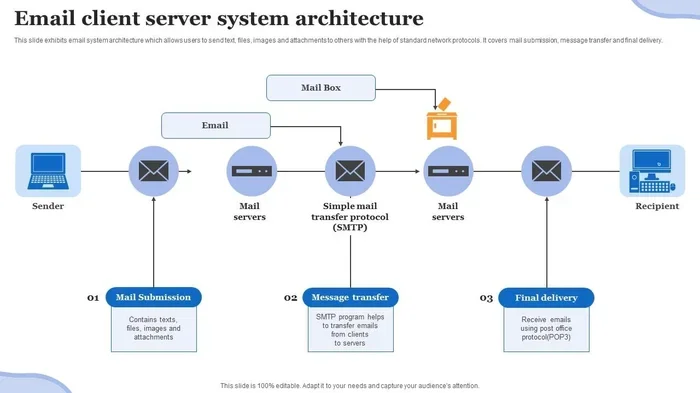
The system works using three main parts:
- Mobile Node: This is your device, like a phone or laptop, that moves between networks.
- Home Agent: A router on your home network that keeps track of your current location.
- Foreign Agent: A router on the network you are visiting that helps forward your data.
Together, these components create a tunnel protocol that routes your data packets to wherever you are. This process is called handoff or tunneling. It ensures that your internet access stays active even when you switch networks completely.
Key Advantages of Mobile IP Technology
Now that you understand the basics, let us look at why Mobile IP is so valuable. These advantages explain why businesses and individuals rely on this technology every day.
Seamless Connectivity Anywhere
The biggest benefit of Mobile IP is uninterrupted connectivity. You can walk from your office Wi-Fi to a cellular network without your session dropping. Video calls keep going. Downloads continue. Your data transmission never breaks.
This is especially important for remote workers who move between locations constantly. Instead of reconnecting every time you change networks, Mobile IP handles everything in the background. The result is a smooth experience that feels like you never left your home network.
Preservation of IP Address
With Mobile IP, your device keeps its original IP address even when roaming. This matters for many reasons. Some applications and services tie your session to a specific address. Without Mobile IP, changing addresses would log you out or disrupt your connection.
For businesses, this means employees can access internal systems from anywhere in the world. The network mobility provided by Mobile IP removes geographic barriers completely. You are always reachable at the same address.
Better User Experience
Nobody likes it when their connection drops during an important call or while streaming content. Mobile IP improves the overall user experience by eliminating these interruptions. The handoff mechanism works so fast that most users do not even notice the switch between networks.
This leads to higher productivity for professionals and more enjoyment for casual users. Whether you are on a train, in an airport, or walking through a campus, Mobile IP keeps you connected without any effort on your part.
Support for Multiple Network Types
Mobile IP works across different types of networks. It supports Wi-Fi, cellular data, and even satellite connections. This flexibility means your device can move between network types without any manual configuration.
For example, your phone might start on a Wi-Fi network at home, switch to 4G on the street, and connect to a hotel Wi-Fi abroad. Mobile IP handles all of these transitions automatically. The connectivity solutions it provides are truly universal.
Simplified Network Management
From an administrator’s perspective, Mobile IP simplifies network management. Users do not need to reconfigure their settings every time they move. The home agent manages all the location tracking and routing automatically.
This reduces IT support costs and minimizes downtime caused by connection issues. Companies with mobile workforces benefit greatly from this streamlined approach to network layer management.
Key Disadvantages of Mobile IP Technology
No technology is perfect, and Mobile IP is no exception. Let us look at the disadvantages that come with this powerful protocol.
Increased Latency and Delay
The tunnel protocol used by Mobile IP adds extra steps to data delivery. Every packet must travel through the home agent before reaching your device. This creates additional latency, which is a delay in data transmission.
For most browsing and email tasks, this delay is barely noticeable. But for real-time applications like video conferencing or online gaming, the added latency can be a real problem. Voice might lag. Video might freeze. These issues can frustrate users who expect instant responses.
Security Vulnerabilities
Mobile IP introduces new security challenges. The tunneling process creates potential entry points for attackers. If someone intercepts the tunnel between the foreign agent and the home agent, they could access sensitive data.
Additionally, the address resolution process can be exploited by malicious actors. They might try to redirect your traffic or impersonate your device. Strong encryption and authentication measures are essential to protect against these threats, but they add complexity to the setup.
Higher Battery Consumption
Keeping a Mobile IP connection active requires constant communication between your device and the network. The handoff mechanism uses processing power and radio energy every time you switch networks.
Over time, this can significantly drain your battery. For users who rely on their devices throughout the day, this is a serious concern. Frequent network mobility means your phone works harder to maintain the connection, which shortens the time between charges.
Complex Setup and Maintenance
Deploying Mobile IP is not a simple plug-and-play process. It requires specialized hardware like home agents and foreign agents. Network administrators need specific training to set up and maintain the system properly.
For small businesses or individual users, this complexity can be a dealbreaker. The ongoing maintenance costs and technical requirements add up quickly. Without proper expertise, the system may not perform as expected, leading to frustrating connectivity problems.
Compatibility Issues
Not all networks and devices fully support Mobile IP. Some older systems may not recognize the protocol at all. Even modern devices can have compatibility issues depending on the network configuration.
This fragmentation limits the usefulness of Mobile IP in certain environments. If your device and the network you are connecting to do not both support Mobile IP, you will not get the seamless roaming experience. These compatibility issues can be a major barrier to adoption.
Cost Implications
Running a Mobile IP infrastructure costs money. The hardware, maintenance, and specialized support all add to the budget. For organizations managing large networks, these costs can be substantial.
Individual users may also face higher data costs if their mobile carrier charges extra for roaming services. While Mobile IP itself is a protocol, the infrastructure needed to support it comes with a price tag that not everyone can justify.
Mobile IP vs Traditional IP: A Comparison
To understand Mobile IP better, it helps to compare it directly with traditional IP networking. Here is a side-by-side look at the key differences.
| Feature | Traditional IP | Mobile IP |
|---|---|---|
| IP Address When Moving | Changes with each network | Stays the same |
| Connectivity During Movement | Often drops or requires reconnection | Stays active and seamless |
| Latency | Lower, direct routing | Higher due to tunneling |
| Security | Standard IP security measures | Additional tunneling vulnerabilities |
| Setup Complexity | Simple, widely supported | Complex, requires specialized hardware |
| Battery Impact | Minimal | Higher due to constant tracking |
| Roaming Support | Poor, requires manual reconfiguration | Excellent, automatic handoff |
As you can see from the comparison, Mobile IP trades simplicity and speed for mobility and continuity. The right choice depends on your specific needs. If you rarely move between networks, traditional IP might be enough. But if you need seamless connectivity on the go, Mobile IP is the clear winner.
Common Mistakes When Using Mobile IP
Even with a good understanding of the technology, people make mistakes when setting up or using Mobile IP. Here are some common pitfalls to avoid.
- Ignoring Security Settings: Many users skip proper encryption and authentication. This leaves the tunnel open to attacks. Always configure strong security measures from the start.
- Overlooking Battery Impact: Forgetting that Mobile IP drains more battery can lead to unexpected power loss. Monitor your device’s battery usage when roaming frequently.
- Assuming Universal Compatibility: Not every network supports Mobile IP. Always check compatibility before relying on it for critical connections.
- Neglecting Maintenance: Mobile IP setups need regular updates and monitoring. Skipping maintenance leads to performance degradation over time.
- Underestimating Latency: Assuming Mobile IP will work perfectly for real-time applications can lead to disappointment. Test latency before deploying for voice or video services.
Expert Tips for Maximizing Mobile IP Performance
Want to get the most out of Mobile IP technology? Here are some practical tips from experienced network professionals.
Optimize Your Tunnel Configuration
Work with your network administrator to fine-tune the tunneling settings. Reducing tunnel overhead can help minimize the latency that Mobile IP introduces. Proper configuration makes a noticeable difference in speed and reliability.
Use Strong Encryption
Always enable the strongest encryption available for your Mobile IP tunnels. This protects your data from interception and keeps your internet access secure. Modern encryption standards like AES-256 offer excellent protection with minimal performance impact.
Monitor Battery Usage
Keep an eye on how much power your device uses when roaming between networks. If you notice significant battery drain, consider adjusting your Mobile IP settings or limiting background data usage while moving.
Plan for Handoff Timing
Understanding how handoff mechanisms work can help you anticipate connection switches. If you know you will be moving between networks, close unnecessary applications beforehand to reduce the strain on the handoff process.
Keep Software Updated
Regular updates to your device and network equipment ensure the best Mobile IP performance. Updates often include bug fixes and security patches that address known vulnerabilities in the protocol.
How Mobile IP Fits Into the Future of Connectivity
The world is becoming more connected every day. With the rise of Internet of Things devices, smart cities, and remote work, the demand for seamless connectivity will only grow. Mobile IP technology is positioned to play a central role in this evolution.
5G networks, in particular, benefit greatly from Mobile IP. The faster speeds and lower latency of 5G make the disadvantages of Mobile IP less noticeable. At the same time, the advantages of network mobility become even more powerful on these advanced networks.
As more devices become mobile and more users expect constant connectivity, Mobile IP will continue to evolve. Future versions of the protocol may address current limitations like latency and battery drain. For now, understanding the advantages and disadvantages of Mobile IP technology helps you make informed decisions about your connectivity needs.
Conclusion
Mobile IP technology offers incredible benefits for anyone who needs to stay connected while on the move. The advantages of seamless roaming, preserved IP addresses, and cross-network support make it a powerful tool for modern communication. Whether you are a business managing a mobile workforce or an individual who travels frequently, Mobile IP delivers real value.
However, the disadvantages should not be ignored. Increased latency, security risks, battery drain, and setup complexity are real challenges. The key is to weigh these factors against your specific needs and choose accordingly.
By understanding both sides of the equation, you can use Mobile IP more effectively. Follow the expert tips in this guide, avoid common mistakes, and stay informed about new developments. Mobile IP technology is here to stay, and knowing how to use it wisely gives you a real edge in today’s connected world.
Frequently Asked Questions
What is Mobile IP and how does it work?
Mobile IP is a protocol that allows your device to keep the same IP address even when it moves between different networks. It works using a home agent that tracks your location and a foreign agent that forwards your data packets through a tunnel. This ensures your connection stays active no matter where you are.
Is Mobile IP safe to use?
Mobile IP is generally safe when configured with strong encryption and authentication. However, the tunneling process does introduce additional security risks compared to traditional IP networking. Always use modern security standards and keep your systems updated to minimize vulnerabilities.
Does Mobile IP drain battery faster?
Yes, Mobile IP can drain your battery faster than a standard connection. The constant communication between your device, the home agent, and the foreign agent uses extra processing power and radio energy. This is especially noticeable when you frequently switch between networks while roaming.
Can Mobile IP work with 5G networks?
Absolutely. Mobile IP works well with 5G networks. The faster speeds and lower latency of 5G help reduce some of the traditional drawbacks of Mobile IP, such as delay and slow data transmission. This makes it an ideal pairing for modern mobile connectivity.
What is the difference between Mobile IP and regular IP?
Regular IP changes your address every time you connect to a new network. Mobile IP keeps your original IP address the same, no matter where you move. This provides seamless connectivity but adds some latency and complexity to the connection process.
Do I need special hardware for Mobile IP?
Yes, deploying Mobile IP typically requires specialized hardware like home agents and foreign agents. These are routers or servers configured specifically to handle the tunneling and location tracking functions of the protocol. Small setups may not need this, but larger networks usually do.
=== SEO TITLE ===
Advantages and Disadvantages of Mobile IP Technology
=== META TITLE ===
Mobile IP Technology: Pros and Cons Explained
=== URL SLUG ===
advantages-disadvantages-mobile-ip-technology