Are There Any WiFi 6E Devices You Should Know About
Yes, there are plenty of WiFi 6E devices on the market right now. From wireless routers and laptops to smartphones and gaming gear, WiFi 6E technology is rapidly expanding. This guide breaks down the top WiFi 6E devices you should know about, helping you make a smart upgrade decision for faster, less congested wireless connectivity.
You have probably heard the buzz around WiFi 6E. Maybe your neighbor upgraded their wireless router and suddenly your internet feels faster. Or you saw a shiny new laptop ad boasting WiFi 6E support. But here is the real question: are there actually WiFi 6E devices worth your time and money?
The short answer is yes. And the longer answer is even more exciting. WiFi 6E has been around for a few years now, and the ecosystem has grown fast. From wireless routers to smartphones, gaming gear, and laptops, WiFi 6E devices are everywhere. In this guide, we will walk through everything you need to know. We will cover what WiFi 6E actually is, which WiFi 6E devices lead the market, and how to decide if an upgrade makes sense for your home or office.
Let us be honest. The wireless world moves fast. New standards pop up every few years. It can feel overwhelming. But WiFi 6E is not just another marketing buzzword. It represents a real leap forward in wireless connectivity. The 6GHz band it uses is cleaner, faster, and far less crowded than older frequency bands. That means better performance for everyone on your network.
Key Takeaways
- WiFi 6E opens the 6GHz band: This new frequency range reduces interference and boosts wireless speed significantly.
- Many devices now support WiFi 6E: Routers, laptops, phones, and tablets from major brands are widely available.
- WiFi 6E offers lower latency: Perfect for gaming, video calls, and smart home setups with heavy bandwidth demands.
- Backward compatibility is built in: WiFi 6E routers work with older WiFi 5 and WiFi 6 devices seamlessly.
- Prices are dropping: Once premium, WiFi 6E hardware is now affordable for most budgets.
- WiFi 7 is on the horizon: But WiFi 6E remains the current sweet spot for performance and device availability.
📑 Table of Contents
What Exactly Is WiFi 6E?
Before we dive into specific WiFi 6E devices, let us quickly clear up what WiFi 6E actually means. WiFi 6E is an extension of WiFi 6 (also known as 802.11ax). The “E” stands for “Extended.” It adds access to the 6GHz frequency band, which was previously unused for consumer WiFi.
Think of it like adding a new lane to a highway. Your existing WiFi 5 and WiFi 6 devices share the 2.4GHz and 5GHz bands. Those bands get crowded fast, especially in apartments or busy households. The 6GHz band is like opening a brand-new express lane with zero traffic. The result is less interference, faster wireless speed, and much lower latency.
How Does WiFi 6E Differ From WiFi 6?
WiFi 6 and WiFi 6E share the same core technology. Both use features like OFDMA and MU-MIMO to handle multiple devices efficiently. The key difference is the extra spectrum WiFi 6E provides. Here is a quick comparison:
- WiFi 6: Uses 2.4GHz and 5GHz bands. Up to 1,201 Mbps on a single stream.
- WiFi 6E: Adds the 6GHz band. Up to 1,201 Mbps per stream, but with much more space and fewer interruptions.
- WiFi 7: The next generation. Even wider channels and higher speeds. But WiFi 6E devices are far more available right now.
The Wi-Fi Alliance officially certified WiFi 6E in 2020. Since then, the number of compatible devices has grown dramatically. Major brands like ASUS, Netgear, TP-Link, Samsung, Apple, and Intel have all jumped on board.
Top WiFi 6E Routers You Should Consider
The wireless router is the heart of any WiFi 6E setup. A great WiFi 6E router can transform your home network. It handles more devices, delivers faster speeds, and keeps your connection stable even when everyone is streaming, gaming, or working remotely.
ASUS RT-AXE7800
The ASUS RT-AXE7800 is one of the most popular WiFi 6E routers on the market. It is a tri-band router, meaning it broadcasts on three bands simultaneously: 2.4GHz, 5GHz, and 6GHz. This setup ensures your older devices still connect smoothly while your newest gadgets take advantage of the 6GHz band.
Real-world wireless speed tests show impressive results. Users report significantly less buffering during peak hours. The router also comes with solid parental controls and easy-to-use management software. For families with many smart home devices, this is a strong choice.
Netgear Nighthawk RAXE500
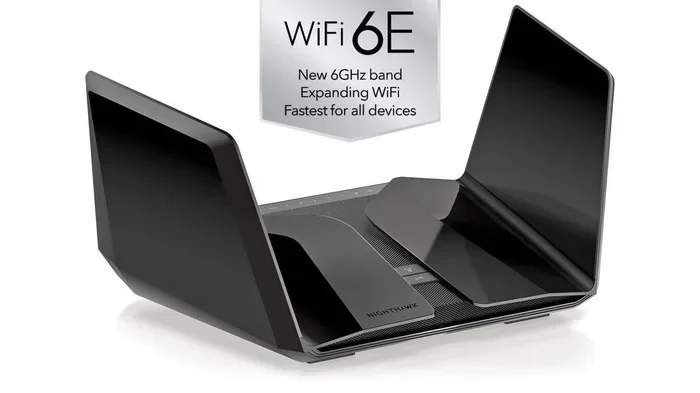
Netgear is a well-known name in networking, and the Nighthawk RAXE500 lives up to the brand’s reputation. This WiFi 6E router offers excellent range and robust build quality. It supports up to 10.8 Gbps of total bandwidth across all three bands.
What stands out about this device is its performance in larger homes. The coverage area is impressive for a single unit. If you live in a house with thick walls or multiple floors, this router handles the challenge well. It also works great as part of a mesh network setup.
TP-Link Archer AXE75
Looking for solid WiFi 6E performance without breaking the bank? The TP-Link Archer AXE75 is worth a close look. It offers dual-band WiFi 6E support at a very competitive price point. You get reliable wireless connectivity and decent speed for the cost.
This router is ideal for moderate-sized homes. It handles everyday tasks like streaming, browsing, and video calls with ease. While it may not match the top-tier routers in raw speed, it delivers excellent value for budget-conscious users.
Quick Tips for Choosing a WiFi 6E Router
- Check your ISP plan: A WiFi 6E router will not make your internet plan faster. Make sure your plan supports the speeds you want.
- Consider your home size: Larger homes may need mesh WiFi 6E systems instead of a single router.
- Look for tri-band support: Tri-band routers use the 6GHz band more efficiently for multiple devices.
- Read real user reviews: Performance varies. Look for reviews that test speed and coverage in real-world conditions.
WiFi 6E Laptops and Computers
Laptops and desktops with WiFi 6E support are becoming the norm rather than the exception. Whether you work from home, game, or just browse the web, a WiFi 6E laptop can make a noticeable difference in your daily experience.
Intel-Based Laptops with WiFi 6E
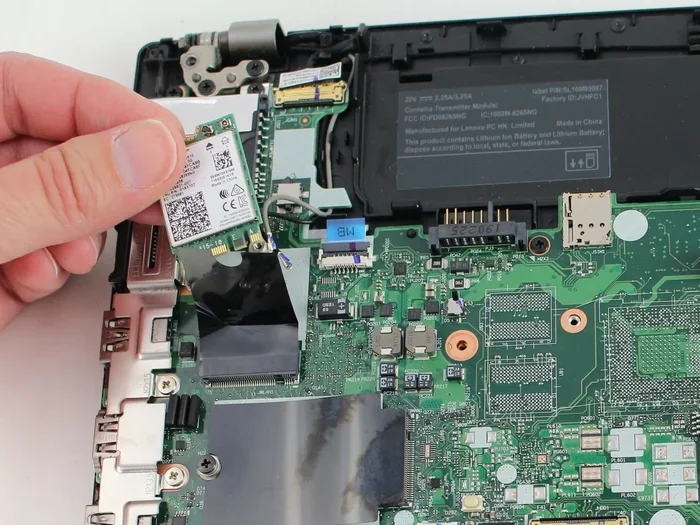
Intel has been a major driver of WiFi 6E adoption. Many modern laptops come equipped with Intel WiFi 6E adapters built right into the motherboard. Brands like Dell, HP, Lenovo, and ASUS frequently include WiFi 6E in their mid-range and premium laptop lines.
The Intel AX211 and AX210 wireless adapters are the most common WiFi 6E modules you will find. These adapters support the 6GHz band and deliver fast, stable connections. If you are shopping for a new laptop, check the specifications for “WiFi 6E” or “Wireless AX” with 6GHz support.
Desktop PCs and Wireless Adapters
Not everyone buys a laptop with WiFi 6E built in. That is where external wireless adapters come in. You can add WiFi 6E capability to almost any desktop PC with a USB adapter or a PCIe card.
The TP-Link Archer TXE75E is a popular PCIe WiFi 6E adapter. It is easy to install and delivers excellent wireless speed. For a plug-and-play option, the ASUS USB-AX68 is a solid USB adapter that works with most desktop and laptop computers. Both options are affordable and effective.
Why WiFi 6E Matters for Remote Workers
If you work from home, WiFi 6E can be a game-changer. Video conferencing calls demand consistent bandwidth and low latency. The 6GHz band provides a cleaner, more stable connection. You are less likely to experience dropped calls or frozen screens during important meetings.
Pair a WiFi 6E laptop with a WiFi 6E router, and you have a powerful wireless setup. Add in a wired ethernet connection for your router, and you get the best of both worlds. Reliability and speed working together.
WiFi 6E Smartphones and Tablets
Smartphones and tablets are some of the most WiFi-hungry devices in any household. Streaming videos, downloading apps, and online gaming all demand fast, reliable wireless connectivity. WiFi 6E smartphones and tablets handle these tasks beautifully.
Samsung Galaxy S Series and Z Fold
Samsung was one of the first major phone manufacturers to embrace WiFi 6E. The Galaxy S21, S22, S23, and S24 series all support WiFi 6E. Samsung’s latest flagship phones also include WiFi 6E support, making them excellent choices for users who want the latest wireless standard.
On the tablet side, Samsung’s Galaxy Tab S series features WiFi 6E connectivity. This makes the tablets ideal for streaming, video calls, and mobile productivity. The combination of a large screen and fast WiFi 6E speeds creates a smooth user experience.
Apple iPhone 13 and Later
Apple introduced WiFi 6E support starting with the iPhone 13 lineup. The iPhone 13, 14, and 15 series all support WiFi 6E. Apple devices are known for their optimized wireless performance, and WiFi 6E is no exception.
iPads with WiFi 6E are also available. The iPad Air and iPad Pro models from recent generations support the 6GHz band. If you are in the Apple ecosystem, you have plenty of WiFi 6E options to choose from.
Other Notable WiFi 6E Phones
- Google Pixel 7 and newer: Full WiFi 6E support with Google’s optimized wireless stack.
- OnePlus 10 Pro and 11: Premium Android phones with WiFi 6E capability.
- Motorola Edge series: Mid-range and flagship phones offering WiFi 6E at competitive prices.
When shopping for a WiFi 6E phone, always check the specifications carefully. Some models may support WiFi 6E in certain regions but not others. This is because the 6GHz band availability varies by country due to regulatory differences.
WiFi 6E Gaming and Streaming Devices
Gamers and streamers have the most to gain from WiFi 6E technology. Low latency and high bandwidth are critical for competitive gaming and smooth streaming. WiFi 6E devices in this category are designed specifically for performance.
Gaming Routers with WiFi 6E
Gaming routers take WiFi 6E to the next level. They often include features like QoS (Quality of Service) controls, dedicated gaming bands, and advanced antenna designs. The ASUS ROG Rapture GT-AXE11000 is a top-tier WiFi 6E gaming router. It offers blazing speeds and advanced customization options for serious gamers.
These routers prioritize gaming traffic over other network activity. If someone in your household is downloading a large file while you are playing an online game, the router ensures your game gets the bandwidth it needs. The result is smoother gameplay and fewer lag spikes.
WiFi 6E Gaming Monitors and Peripherals
While most WiFi 6E devices are routers, phones, and laptops, the ecosystem is expanding. Some gaming monitors now include built-in WiFi 6E for wireless display connections. Wireless gaming adapters with WiFi 6E support also help reduce input lag for desktop setups.
The key benefit for gamers is the 6GHz band’s low interference. Traditional WiFi bands can suffer from neighbor networks, Bluetooth devices, and microwave ovens. The 6GHz band stays clean, which translates to more consistent performance during intense gaming sessions.
How to Know If a WiFi 6E Device Is Right for You
Not everyone needs WiFi 6E right now. The decision depends on your current setup, usage habits, and budget. Let us walk through the factors that matter most.
You Have Many Connected Devices
The average smart home has 15 to 20 connected devices. Smart TVs, security cameras, smart speakers, thermostats, and phones all compete for bandwidth. WiFi 6E handles this crowd much better than older standards. The 6GHz band gives high-demand devices their own dedicated space.
You Experience Network Congestion
If your WiFi slows down in the evening when everyone is home, WiFi 6E can help. The extra spectrum reduces congestion significantly. You will notice faster speeds and more stable connections during peak usage hours.
You Are a Heavy Streamer or Gamer
4K streaming and competitive gaming demand consistent, fast connections. WiFi 6E delivers both. The combination of high bandwidth and low latency makes it ideal for these use cases.
You Are Planning for the Future
Even if you do not need WiFi 6E today, investing in it now makes sense. WiFi 6E devices are backward compatible. They work with your current WiFi 5 and WiFi 6 devices. And as more devices adopt WiFi 6E, having a WiFi 6E router and compatible gadgets puts you ahead of the curve.
Common Mistakes to Avoid When Buying WiFi 6E Devices
- Buying a WiFi 6E router without WiFi 6E devices: You will not see any benefit if your phone or laptop does not support the 6GHz band.
- Ignoring your internet plan speed: A WiFi 6E router cannot exceed the speed your ISP provides.
- Skipping firmware updates: Keep your router firmware current for the best performance and security.
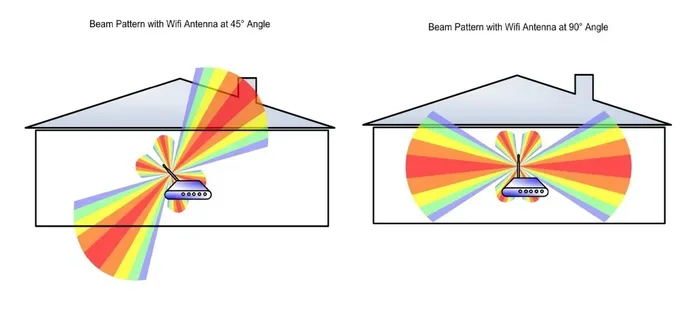
- Placing your router poorly: Even the best WiFi 6E router will underperform if it is hidden behind a closet or far from your main usage areas.
The Future of WiFi 6E and What Comes Next
WiFi 6E is not the final destination. WiFi 7 is already emerging as the next big wireless standard. WiFi 7 promises even faster speeds, wider channels, and improved efficiency. But WiFi 6E is far from obsolete. In fact, it is the current sweet spot for most consumers.
The Wi-Fi Alliance continues to certify new WiFi 6E devices regularly. The number of compatible products grows every year. Enterprise networking also increasingly adopts WiFi 6E for office environments that need reliable, high-speed wireless connectivity for many users.
As prices for WiFi 6E hardware continue to drop, adoption will only accelerate. What was once a premium feature is now accessible to everyday users. Whether you are building a new home network or upgrading an existing one, WiFi 6E devices offer excellent value and future-proofing.
The bottom line is simple. WiFi 6E delivers real, measurable improvements over older WiFi standards. The 6GHz band is a game-changer for wireless connectivity. And the growing ecosystem of WiFi 6E devices means you have plenty of options no matter your budget or needs.
Final Thoughts
So, are there any WiFi 6E devices you should know about? Absolutely. The WiFi 6E ecosystem has matured significantly. From powerful wireless routers and sleek laptops to smartphones, tablets, and gaming gear, WiFi 6E devices are widely available and more affordable than ever.
If you are tired of slow speeds, dropped connections, or network congestion, WiFi 6E is worth serious consideration. Start with a WiFi 6E router, then add WiFi 6E-compatible devices one by one. You will feel the difference immediately. Faster downloads, smoother streaming, and more reliable connections become your new normal.
The wireless world is evolving fast. WiFi 6E represents a meaningful step forward that delivers real benefits today. Do not wait for the next standard to make the switch. Explore the WiFi 6E devices available now and give your network the upgrade it deserves.
Frequently Asked Questions
What does WiFi 6E stand for?
The “E” in WiFi 6E stands for “Extended.” It refers to the extension of WiFi 6 technology into the 6GHz frequency band. This additional spectrum provides faster speeds, lower latency, and less interference compared to the traditional 2.4GHz and 5GHz bands.
Do I need a special modem for WiFi 6E?
No, you do not need a special modem. Your existing modem from your internet service provider works fine. You just need a WiFi 6E router and WiFi 6E-compatible devices. The router handles the wireless connectivity, while the modem connects to your ISP.
Are all WiFi 6E devices backward compatible?
Yes, WiFi 6E devices are backward compatible with WiFi 5 and WiFi 6 devices. This means older gadgets can still connect to a WiFi 6E router. However, they will not access the 6GHz band or experience WiFi 6E-specific benefits. They will use the 2.4GHz or 5GHz bands as usual.
Is the 6GHz band available everywhere?
No, the 6GHz band availability varies by country. The United States, Canada, and most of Europe have opened the 6GHz band for WiFi use. However, some countries have restrictions or have not yet approved it for consumer use. Always check local regulations before purchasing WiFi 6E devices.
Can I use WiFi 6E for smart home devices?
Yes, WiFi 6E works great for smart home devices. The 6GHz band reduces congestion, which is especially helpful in homes with many IoT devices. However, most smart home gadgets currently use WiFi 5 or WiFi 6. Look for newer smart devices that specifically support WiFi 6E for the best performance.
How much faster is WiFi 6E compared to WiFi 6?
WiFi 6E is not necessarily faster in raw speed numbers compared to WiFi 6. Both can reach similar maximum speeds. The real advantage of WiFi 6E is the additional bandwidth and reduced interference from the 6GHz band. In real-world use, especially in crowded environments, WiFi 6E delivers noticeably better performance and more consistent speeds.