Can 5g Replace Wifi The Truth About Future Connectivity
Can 5G replace WiFi? The short answer is no — not anytime soon. While 5G wireless technology offers blazing speeds and low latency, WiFi remains essential for home networking, IoT devices, and reliable indoor coverage. This guide breaks down the real differences, costs, and use cases so you can make an informed decision about your wireless connectivity future.
Let us be honest. We have all wondered whether Can 5g Replace Wifi in our daily lives. You see the ads. You hear the hype. Telecom companies promise lightning-fast speeds, seamless streaming, and lightning-quick downloads. But does that mean your home WiFi router is about to become obsolete?
The truth is more nuanced than you might think. Can 5g Replace Wifi is a question that does not have a simple yes or no answer. It depends on where you live, what devices you use, and how you connect to the internet. In this article, we will walk you through everything you need to know. We will compare 5G wireless technology with WiFi head to head. We will look at real-world use cases, costs, and limitations. By the end, you will have a clear picture of what the future of wireless connectivity really looks like.
So grab a cup of coffee, settle in, and let us dive deep into the world of network infrastructure, internet speed, and the great debate between cellular networks and local WiFi networks. Whether you are a home user, a remote worker, or just someone curious about mobile data, this guide has something for you.
Key Takeaways
- 5G and WiFi serve different purposes: 5G excels in mobile and outdoor scenarios, while WiFi dominates home and office environments.
- Speed is not the only factor: Latency, bandwidth, signal strength, and network coverage all matter when comparing 5G wireless technology to WiFi.
- Fixed wireless access is changing the game: 5G home internet is a viable broadband replacement in many areas, but it has limitations.
- WiFi 6 and beyond are evolving fast: WiFi technology keeps improving, making it hard for any single network to fully replace it.
- Cost and data caps are real concerns: Mobile data plans often come with limits that make 5G impractical as a sole home internet source.
- The future is hybrid: Expect 5G and WiFi to work together rather than one replacing the other.
📑 Table of Contents
- Understanding 5G and WiFi: What Are We Actually Comparing?
- Can 5G Replace WiFi at Home?
- The Pros and Cons of Using 5G Instead of WiFi
- Can 5G Replace WiFi for Businesses?
- What About WiFi 7 and the Future of Wireless Connectivity?
- Common Mistakes People Make When Considering 5G as WiFi Replacement
- Quick Tips: How to Decide If 5G Can Replace WiFi for You
- Conclusion: So, Can 5G Really Replace WiFi?
Understanding 5G and WiFi: What Are We Actually Comparing?
Before we answer whether Can 5g Replace Wifi, we need to understand what each technology actually does. They are both forms of wireless connectivity, but they work very differently under the hood.
What Is 5G?
5G stands for the fifth generation of cellular network technology. It is the same network your phone uses when you are not connected to WiFi. 5G wireless technology relies on cell towers to send and receive data over long distances. It offers low latency, high bandwidth, and impressive signal strength in ideal conditions.
There are three types of 5G signals:
- Low-band 5G: Wide coverage but slower speeds. Good for rural areas.
- Mid-band 5G: A balance of speed and coverage. The most common type.
- Millimeter wave (mmWave): Extremely fast but short-range. Found in dense urban areas.
What Is WiFi?
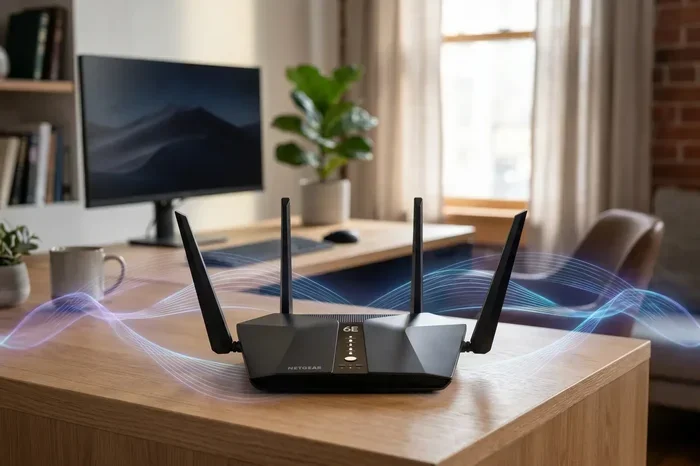
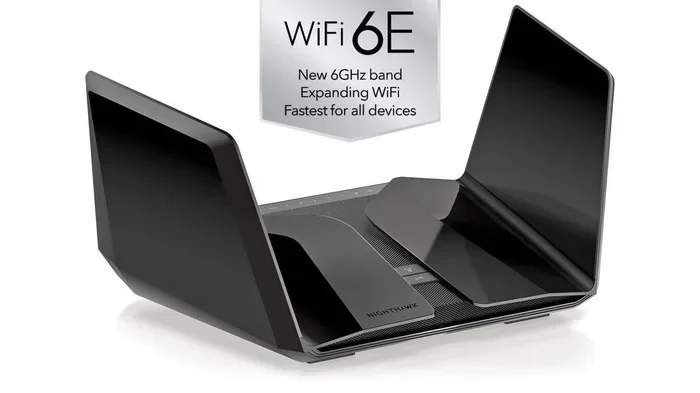
WiFi is a local area network technology. It uses radio waves to connect devices to a router, which is then connected to the internet through a wired source like fiber optic cable or a modem. WiFi 6 is the latest standard and offers faster speeds, better network coverage, and improved handling of multiple devices.
Your WiFi router creates a small bubble of connectivity inside your home or office. Everything inside that bubble connects wirelessly to the internet through your local network.
Key Differences at a Glance
| Feature | 5G | WiFi (6 and earlier) |
|---|---|---|
| Network Type | Cellular (wide area) | Local area network |
| Typical Speed | 100 Mbps to 3 Gbps | 300 Mbps to 9.6 Gbps (WiFi 6E) |
| Latency | 1-10 ms | 2-10 ms (local) |
| Coverage Range | Several miles from tower | 100-150 feet indoors |
| Data Limits | Often capped by plan | Usually unlimited (ISP dependent) |
| Setup Cost | Phone or hotspot + plan | Router + ISP subscription |
| Best For | Mobile use, outdoor access | Home, office, streaming |
As you can see, both technologies have strengths. But the question remains: Can 5g Replace Wifi in everyday life?
Can 5G Replace WiFi at Home?
This is the big question. Can you ditch your WiFi router and rely entirely on 5G home internet? The answer is: sometimes. But it is not as simple as flipping a switch.
The Rise of Fixed Wireless Access
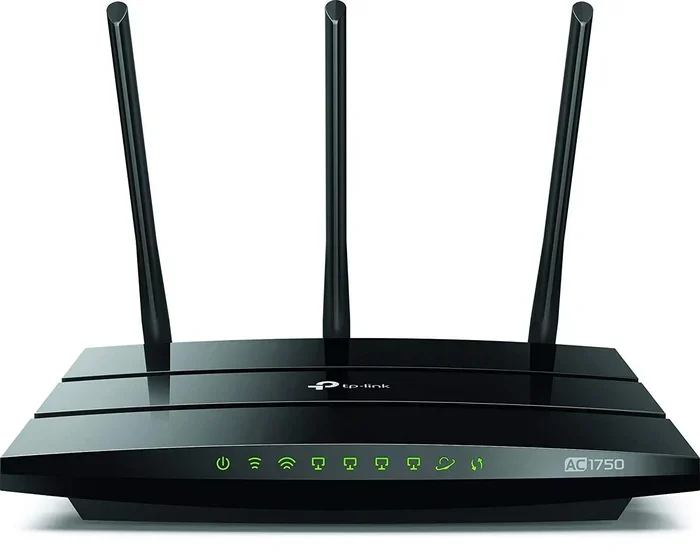
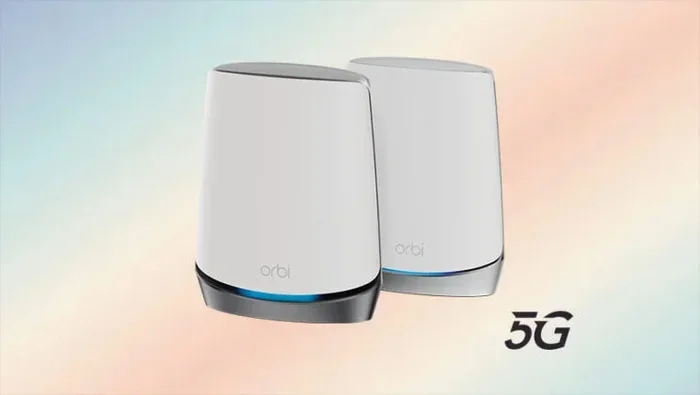
Fixed wireless access (FWA) is when you use a 5G connection as your home internet source. Companies like T-Mobile and Verizon now offer 5G home internet plans. These use a special 5G receiver that acts like a modem and router combined. It is a legitimate broadband replacement in many areas.
In some regions, 5G FWA delivers speeds that rival traditional cable or fiber optic connections. For households that lack access to reliable wired internet, this is a game changer. Can 5g Replace Wifi in these cases? Absolutely — the 5G receiver essentially replaces your WiFi router.
But There Are Catch
Here is where things get tricky. 5G home internet often comes with data caps. If you stream a lot of content, game online, or have multiple people working from home, those caps can disappear fast. Most traditional WiFi plans through ISPs offer unlimited data. 5G plans do not always follow that model.
Also, network coverage varies wildly. You might get fantastic speeds in one part of your house and terrible signals in another. A WiFi router with a good range and mesh system gives you more consistent indoor coverage than a single 5G receiver.
Quick Tip
If you are considering 5G home internet, test the signal strength at your location before committing. Use a mobile hotspot for a few days to see how stable the connection really is. This simple step can save you from a frustrating experience.
The Pros and Cons of Using 5G Instead of WiFi
Let us break down the real-world advantages and disadvantages. This will help you decide whether Can 5g Replace Wifi makes sense for your situation.
Advantages of 5G Over WiFi
- Portability: You are not tied to one location. Take your connection with you.
- No wiring needed: Perfect for renters or areas where installing cable is difficult.
- Fast deployment: Set up a 5G hotspot in minutes. No technician needed.
- Low latency: Great for gaming, video calls, and real-time applications.
- Growing coverage: 5G towers are expanding rapidly across cities and suburbs.
Disadvantages of 5G Over WiFi
- Data caps: Most 5G plans limit your monthly usage. Heavy users will hit the cap fast.
- Indoor signal issues: Walls, floors, and furniture can weaken your signal strength.
- Cost over time: Monthly 5G plans can be more expensive than a standard WiFi subscription.
- Device limits: Supporting many IoT devices simultaneously is harder on a cellular network.
- Speed inconsistency: Speeds fluctuate based on tower congestion and your distance from it.
When WiFi Still Wins
For heavy streaming, large file downloads, and connecting dozens of smart home devices, WiFi 6 still holds the edge. It handles multiple bandwidth demands more gracefully than most 5G connections. If you have a household full of IoT devices — smart speakers, cameras, thermostats — WiFi handles the load better.
Can 5G Replace WiFi for Businesses?
Enterprise networking is another story entirely. Companies are always looking for ways to cut costs and improve network infrastructure. 5G fixed wireless access is becoming popular in offices, retail spaces, and even warehouses.
Business Use Cases for 5G
Some businesses are using mobile hotspots and dedicated 5G routers as their primary internet connection. This works well for:
- Pop-up shops and temporary locations
- Construction sites and remote work locations
- Businesses in areas with poor wired infrastructure
- Companies that need backup connectivity
However, most large businesses still rely on wired connections for their core operations. The reliability and bandwidth consistency of fiber or cable connections are hard to match with cellular technology — at least for now.
Expert Insight
“5G is transforming enterprise connectivity, but it is not replacing wired networks yet. The best approach is a hybrid setup where 5G provides flexibility and backup, while wired connections handle the heavy lifting.” — Network Infrastructure Analyst
What About WiFi 7 and the Future of Wireless Connectivity?
Here is something people often overlook. WiFi is not standing still. WiFi 7 is already rolling out, offering even faster speeds, better network coverage, and improved handling of congestion. This means WiFi is getting stronger even as 5G expands.
So when we ask Can 5g Replace Wifi, we also need to consider that WiFi technology is evolving in parallel. It is not a race where one side wins and the other loses. It is more of an arms race where both sides keep getting better.
The Convergence Trend
Many modern routers now support both WiFi and 5G SIM cards. These dual-mode devices let you switch between wired internet and cellular backup seamlessly. This is the direction the industry is heading — not replacement, but integration.
The real future of wireless connectivity is a world where your devices intelligently switch between 5G and WiFi based on signal strength, cost, and data availability. You might use WiFi at home and 5G on the go, with your phone or router managing the switch automatically.
Common Mistakes People Make When Considering 5G as WiFi Replacement
Before you make any decisions, let us highlight some common pitfalls.
Mistake 1: Ignoring Data Caps
Many people switch to 5G home internet without checking their data usage. If you have a family of four streaming, gaming, and working remotely, you can burn through 1 TB of data in a week. Data caps on 5G plans can lead to throttling or surprise overage charges.
Mistake 2: Assuming All 5G Is the Same
Not all 5G is created equal. Low-band 5G might only be slightly faster than your current WiFi. mmWave 5G is blazing fast but only works within a few hundred feet of a tower. Check which type of 5G is available in your area before making the switch.
Mistake 3: Overlooking Indoor Coverage
5G signals struggle to penetrate thick walls and multiple floors. If your home has concrete construction or multiple stories, a single 5G receiver may not provide adequate network coverage throughout your space.
Mistake 4: Forgetting About Latency for Gaming
While 5G latency is low, it is not as consistent as a wired connection. Competitive gamers and streamers may notice inconsistencies that a stable WiFi or Ethernet connection would not have.
Common Mistakes at a Glance
- Switching without testing your signal first
- Not reading the fine print on data caps
- Assuming 5G speed claims apply everywhere in your home
- Ignoring the number of devices you need to connect
- Forgetting that WiFi costs less per month in most cases
Quick Tips: How to Decide If 5G Can Replace WiFi for You
Still unsure whether Can 5g Replace Wifi is right for your situation? Here are some practical tips to help you decide.
- Test before you commit. Use a 5G hotspot for a week and track your speeds, data usage, and signal stability.
- Count your devices. If you have more than 10-15 connected devices, WiFi is likely the better choice.
- Check your data habits. If you are a light user (under 200 GB per month), 5G could work well.
- Compare total costs. Add up your 5G plan cost versus your current WiFi and ISP bill. Include any equipment fees.
- Consider your location. Rural areas may have limited 5G coverage, making WiFi the only reliable option.
- Think about the future. If you plan to add smart home devices or IoT devices, a robust WiFi network scales better.
Expert Insight
“The best connectivity strategy is not choosing one over the other. It is using each technology where it excels. 5G for mobility and flexibility, WiFi for home stability and device density. Together, they create a seamless experience that neither can deliver alone.”
Conclusion: So, Can 5G Really Replace WiFi?
After all of this, what is the final verdict on whether Can 5g Replace Wifi? The honest answer is that 5G is a powerful complement to WiFi, but it is not a full replacement — not yet, and probably not for a long time.
5G wireless technology has come a long way. It offers impressive internet speed, low latency, and growing network coverage. For mobile users, remote workers in areas without wired internet, and people who need on-the-go connectivity, 5G is a fantastic solution. Fixed wireless access has made 5G a viable broadband replacement in many locations.
However, WiFi still wins for home use. It offers unlimited data (usually), better handling of multiple devices, consistent indoor coverage, and lower monthly costs. WiFi 6 and the upcoming WiFi 7 standards continue to push the boundaries of what local networks can do.
The smartest approach is a hybrid one. Use 5G for your mobile devices and as a backup connection. Use WiFi for your home network, streaming setups, and smart home ecosystems. As both technologies evolve, the line between them will blur. But for now, they are strongest when they work together.
So the next time someone asks you Can 5g Replace Wifi, you will know the real answer. It is not about one replacing the other. It is about choosing the right tool for the right job.
Frequently Asked Questions
Can I use 5G as my only home internet connection?
Yes, in many areas you can use 5G fixed wireless access as your sole home internet source. However, you need to check your local network coverage, data cap limits, and whether the speeds meet your household needs. It works best for light to moderate users.
Is 5G faster than WiFi 6?
In ideal conditions, 5G can match or exceed WiFi 6 speeds, especially mmWave 5G. But WiFi 6 offers more consistent performance indoors and handles multiple devices better. Real-world results depend on your location, signal strength, and network congestion.
What is fixed wireless access (FWA)?
Fixed wireless access is a technology that delivers home internet over a cellular network instead of wired connections. A 5G receiver installed at your home connects to the nearest cell tower and provides broadband-level speeds. It is a popular broadband replacement in areas without fiber or cable.
Will 5G make WiFi routers obsolete?
Not in the foreseeable future. WiFi routers serve a different purpose than cellular networks. They handle local device connections, smart home IoT devices, and indoor coverage more efficiently. 5G and WiFi are designed to coexist and complement each other.
How much does 5G home internet cost compared to WiFi?
5G home internet plans typically range from $50 to $70 per month. Traditional WiFi plans through ISPs can range from $40 to $100+ depending on speed and data. The cost difference is narrowing, but WiFi plans often include unlimited data, which gives them an edge for heavy users.
What should I consider before switching from WiFi to 5G?
Consider your data usage, the number of connected devices, your home’s construction, local 5G coverage, and whether you need consistent speeds for work or gaming. Testing with a mobile hotspot before committing is the best way to make an informed decision.