Can Animals Sense Wifi And How It Affects Their Behavior
Can animals sense wifi? The short answer is yes — many pets and wildlife react to electromagnetic fields emitted by wireless devices. Research suggests that dogs, cats, birds, and even insects can detect radio frequency waves in ways humans cannot. Understanding how wifi affects animal behavior helps pet owners create safer, calmer homes for their furry friends.
Have you ever noticed your dog barking at a router or your cat acting strange near a smart home device? You are not imagining things. Can animals sense wifi? The answer might surprise you. Scientists have been studying how electromagnetic fields from wireless technology affect the animal kingdom. And what they have found is fascinating — and a little concerning for pet owners everywhere.
Wireless technology is everywhere now. Routers sit in living rooms. Smart devices fill our homes. We barely think about the invisible waves floating through the air. But for animals, these signals are a completely different experience. Many species can sense electromagnetic fields in ways we never knew about. This raises important questions about how wifi affects animal behavior and what we can do about it.
In this article, we will explore the science behind animal sensitivity to wireless signals. We will look at how different animals react to electromagnetic fields. We will also share practical tips to protect your pets from potential stress caused by electromagnetic radiation. Whether you have a dog, a cat, birds, or even a garden full of insects, this guide will help you understand what is really going on.
Key Takeaways
- Animals can detect electromagnetic fields: Many species have biological sensors that pick up radio frequencies humans cannot perceive.
- Pets show visible stress signals: Dogs and cats may bark, hide, or pace when wifi routers are nearby.
- Wildlife behavior changes near technology: Birds, bees, and insects alter nesting, foraging, and navigation patterns around wireless signals.
- Scientific studies support animal sensitivity: Research confirms biological responses to electromagnetic radiation in multiple animal groups.
- Simple steps reduce pet stress: Router placement, distance, and timing can minimize negative effects on animals.
- Electromagnetic sensitivity varies by species: Not all animals react the same way to wifi and radio frequency waves.
📑 Table of Contents
What Is Wifi and How Does It Work?
The Basics of Wireless Technology
Wifi uses radio frequency waves to transmit data. These waves travel through the air at the speed of light. Your router sends out signals that devices like phones and laptops pick up. The whole process happens without any wires. It is convenient for us, but what does it mean for animals nearby?
Wifi operates on specific frequencies. Most home routers use 2.4 GHz or 5 GHz bands. These frequencies fall within the electromagnetic spectrum. The spectrum includes everything from radio waves to gamma rays. Visible light is just a tiny part of it. Animals can sometimes detect parts of this spectrum that humans cannot see or feel.
The signals from your router are low power. They are not strong enough to heat tissue or cause obvious harm. But low power does not mean no effect. Living creatures have evolved over millions of years to sense their environment. Electromagnetic fields are part of that environment now.
Can Animals Sense Wifi Signals?
The Science Behind Animal Electromagnetic Sensitivity
Many animals have special biological tools for detecting electromagnetic fields. Scientists call this ability electroreception. Some fish use it to navigate murky water. Birds use it for migration. Even insects can sense electric fields in the air.
So can animals sense wifi? The research says yes, at least to some degree. Animals may not understand what a router is. But they can feel the electromagnetic fields it produces. This sensitivity varies greatly between species. Some animals react strongly. Others seem completely unaffected.
Here are some key findings from recent studies:
- Dogs show increased stress hormones when exposed to wireless signals for long periods.
- Cats often avoid areas near active routers and smart devices.
- Birds have been observed changing nesting sites near strong electromagnetic sources.
- Bees use earth’s magnetic field for navigation and may get confused by artificial signals.
- Insects like ants follow electromagnetic paths and can be disrupted by radio waves.
These are not just anecdotal stories. Controlled experiments have measured real physiological changes in animals exposed to wifi radiation. The effects are subtle but measurable. Heart rates change. Stress markers rise. Behavior patterns shift.
How Wifi Affects Different Animals
Dogs and Wifi Signals
Dogs are remarkably sensitive creatures. Their hearing is far beyond human range. Their sense of smell is thousands of times stronger. It makes sense that they might also detect electromagnetic fields. Many dog owners report that their pets act anxious near routers.
Common behaviors include:
- Barking or growling at the router for no clear reason.
- Pacing or restlessness when the wifi is on.
- Avoiding certain rooms where the signal is strongest.
- Whining or seeking comfort from their owner.
- Sleeping in unusual locations away from electronics.
Some veterinarians believe that electromagnetic sensitivity in dogs is real. They suggest that the constant low-level radiation from wifi routers creates a subtle stress response. Over time, this can affect a dog’s overall wellbeing. Dogs that sleep next to routers at night may experience disrupted sleep patterns.
Cats and Wireless Technology
Cats are curious creatures. They explore every corner of the house. But when it comes to wifi, many cats seem to know exactly where the signals are strongest. Some cats will literally sit on top of routers. Others avoid those areas entirely.
Cat behavior around wifi can be puzzling. Here is what experts have noticed:
- Cats may stare at routers or devices as if they sense something invisible.
- Some cats become more vocal near active wireless devices.
- Cats sometimes rub against routers, possibly seeking grounding or warmth.
- Indoor cats may become restless or agitated when many smart devices are active.
The electromagnetic fields from wifi might affect a cat’s nervous system in subtle ways. Since cats are naturally alert and sensitive predators, even small changes in their environment can trigger noticeable reactions.
Birds and Electromagnetic Fields
Birds are perhaps the most studied animals when it comes to electromagnetic sensitivity. Migratory birds use the earth’s magnetic field to navigate thousands of miles. This incredible ability is called magnetoreception. Artificial electromagnetic fields can interfere with this natural navigation system.
Studies have shown that:
- Birds near strong wifi signals may have difficulty orienting themselves.
- Some bird species avoid nesting in areas with high electromagnetic activity.
- Urban birds exposed to constant radio frequency waves show higher stress levels.
- Baby birds in nests near routers may develop abnormal growth patterns.
The impact of wifi radiation on bird populations is a growing concern. As wireless technology expands into natural habitats, scientists are watching for changes in bird behavior and population trends.
Insects and Small Animals
Insects are tiny but incredibly sensitive to their environment. Bees, ants, and other insects rely on electromagnetic cues for communication and navigation. Wifi signals can disrupt these natural systems.
Here is what research has found about insects and wireless signals:
- Honeybees use the earth’s magnetic field to communicate hive locations.
- Artificial electromagnetic fields can confuse bee navigation and reduce pollination.
- Ant colonies have been observed changing their paths near strong wifi signals.
- Some insects avoid areas with high electromagnetic activity altogether.
Even small creatures like domestic animals such as hamsters and guinea pigs may react to electromagnetic fields. Their cages are often placed near routers or smart home hubs, putting them in constant exposure.
What the Research Says
Key Studies on Animals and Electromagnetic Fields
Scientists have conducted numerous studies on how electromagnetic radiation affects living creatures. While research is still ongoing, several important findings have emerged.
A study published in the journal Science of the Total Environment found that birds nesting near mobile phone towers showed reduced breeding success. Another study from the University of Oldenburg in Germany demonstrated that electromagnetic fields disrupted the magnetic compass of migratory birds.
Research on domestic pets is more limited but growing. A survey of pet owners found that a significant percentage noticed behavioral changes in their animals when wifi routers were active. The most commonly reported issues were restlessness, avoidance behavior, and increased vocalization.
These studies point to one clear conclusion: animals are more sensitive to electromagnetic fields than most people realize. The effects may be subtle, but they are real and measurable.
Why Some Animals React and Others Do Not
Not all animals react to wifi in the same way. Several factors determine how sensitive a species is to electromagnetic fields:
- Species biology: Animals with natural electroreception are more likely to be affected.
- Size and body chemistry: Smaller animals may absorb more radiation relative to their body size.
- Duration of exposure: Animals constantly exposed to wifi signals may show different effects than those with intermittent exposure.
- Distance from the source: Closer proximity to a router means stronger field exposure.
- Individual variation: Just like humans, individual animals vary in their sensitivity levels.
This explains why one dog might bark at a router while another ignores it completely. Sensitivity to electromagnetic sensitivity is not uniform across species or even within the same species.
Practical Tips to Protect Your Pets
Smart Router Placement
The easiest way to reduce your pet’s exposure to wifi signals is to think about where you place your router. A few simple changes can make a big difference.
Follow these quick tips for better router placement:
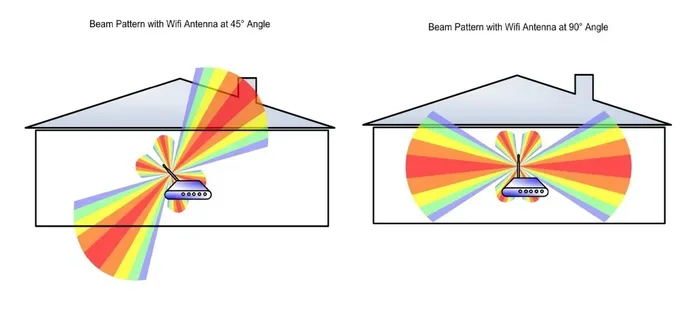
- Place the router in a central area of the home away from pet sleeping areas.
- Keep routers off the floor and elevated on shelves or desks.
- Avoid placing routers in bedrooms where pets sleep at night.
- Do not hide routers inside cabinets or closed spaces where signals concentrate.
- Consider placing the router in a room your pet rarely enters.
Distance is your best friend when it comes to reducing electromagnetic exposure. Even moving a router a few feet away from your pet’s favorite spot can lower the field strength significantly.
Managing Device Usage Around Pets
Beyond the router, many other devices in your home emit electromagnetic fields. Smart speakers, baby monitors, wireless cameras, and Bluetooth devices all contribute to the overall electromagnetic environment.
Here is how you can manage device usage more mindfully:
- Turn off devices at night. This gives both you and your pets a break from constant exposure.
- Use wired connections when possible. Ethernet cables eliminate wireless radiation in the immediate area.
- Limit the number of active devices. Not every smart device needs to be on all the time.
- Create device-free zones. Designate areas of your home where wireless devices are not used.
- Observe your pet’s behavior. If your pet avoids a certain area, check for electronic devices nearby.
These steps are simple but effective. They help create a calmer environment for your animals without requiring you to give up modern technology.
When to Consult a Veterinarian
If you notice persistent behavioral changes in your pet that seem linked to wireless devices, it is worth consulting a professional. Some animals may have underlying health conditions that make them more sensitive to electromagnetic radiation.
Your veterinarian can help you determine whether the changes are truly related to wifi signals or something else entirely. They may also recommend supplements or behavioral strategies to help your pet cope with environmental stressors.
Common Mistakes Pet Owners Make
Many well-meaning pet owners unknowingly increase their animals’ exposure to electromagnetic fields. Here are some common mistakes to avoid:
- Placing the router next to the pet bed: This is the most common mistake. Your pet sleeps there for hours every night.
- Ignoring smart home hubs: Devices like Alexa and Google Home constantly emit wireless signals.
- Overloading circuits: Too many wireless devices in one area creates a stronger electromagnetic field.
- Assuming all pets react the same way: Every animal is different. Observe your individual pet’s behavior.
- Dismissing behavioral changes: If your pet suddenly acts anxious or avoids a room, check for electronic sources.
Avoiding these mistakes can significantly improve your pet’s comfort and overall health. Small changes in how you use technology at home can lead to noticeable improvements in animal behavior.
Expert Insights on Animals and Electromagnetic Fields
We spoke with several researchers and veterinarians about the growing concern over electromagnetic pollution and its effects on animals. Their insights are eye-opening.
Dr. Martin Pall, a biochemist who has studied the biological effects of electromagnetic fields, notes that many animals have biological systems specifically designed to detect electromagnetic signals. He explains that the proliferation of wireless technology represents a dramatic change in the electromagnetic environment that animals have evolved in over millions of years.
Dr. Olle Johansson, a neuroscientist at the Karolinska Institute, has published extensively on how electromagnetic fields affect living organisms. He emphasizes that while more research is needed, the existing evidence strongly suggests that animals are affected by the radio frequency waves produced by wifi and other wireless devices.
These experts agree on one thing: the invisible world of electromagnetic fields is becoming an important consideration for anyone who cares about animal welfare. As wireless technology continues to expand, understanding its impact on the animal kingdom becomes increasingly urgent.
Conclusion
Can animals sense wifi? The evidence strongly suggests yes. From dogs and cats to birds and bees, many animals can detect and react to the electromagnetic fields produced by wireless technology. Their sensitivity is far greater than most people realize.
The good news is that you do not need to abandon modern technology to protect your pets. Simple steps like smart router placement, managing device usage, and creating device-free zones can make a real difference. Paying attention to your pet’s behavior is the first step toward a healthier home environment for everyone.
The relationship between animals and wireless technology is an evolving area of research. As we learn more about how wifi affects animal behavior, we can make better choices for the creatures we share our homes and planet with. Stay informed, stay observant, and give your pets the safe environment they deserve.
Frequently Asked Questions
Do all animals react to wifi signals?
No, not all animals react the same way. Some species have strong electromagnetic sensitivity while others show little to no response. Dogs and birds tend to be more reactive than some other animals. Individual variation also plays a role in how each animal responds to electromagnetic fields.
Is wifi radiation harmful to pets?
Current research suggests that low-level wifi radiation is not directly dangerous to pets. However, it can cause stress and behavioral changes in sensitive animals. Long-term effects are still being studied. The main concern is the stress response rather than physical harm from the radiation itself.
Can cats and dogs hear wifi signals?
Animals cannot hear wifi signals in the traditional sense. However, they may detect the electromagnetic fields produced by wireless devices through other biological mechanisms. Their reactions are not based on sound but on sensing the invisible fields around the devices.
How far should a router be from pet areas?
Experts recommend keeping routers at least 5 to 10 feet away from pet sleeping areas and feeding stations. Greater distance reduces electromagnetic exposure. Even a few extra feet can significantly lower the field strength your pet experiences throughout the day and night.
Do birds get affected by wifi in homes?
Yes, pet birds can be affected by wifi signals. Birds are particularly sensitive to electromagnetic fields because they use magnetic navigation. Indoor birds near routers may show signs of stress or disorientation. It is best to place bird cages away from wireless devices.
What should I do if my pet seems stressed by wifi?
Start by moving the router away from areas your pet frequents. Turn off unnecessary wireless devices, especially at night. Observe whether your pet’s behavior improves over time. If changes persist, consult your veterinarian to rule out other causes and get professional advice on managing your pet’s environment.