Can I Use Alcohol Wipes To Clean My Laptop Screen Safely
Many people wonder if they can use alcohol wipes to clean their laptop screen safely. The short answer is that it depends on your screen type and the alcohol concentration. Using the wrong cleaning method can damage your laptop display and strip protective coatings. This guide covers everything you need to know about laptop screen cleaning with alcohol wipes, safer alternatives, and expert tips to keep your device spotless.
This is a comprehensive guide about Can I Use Alcohol Wipes To Clean My Laptop Screen.
Key Takeaways
- Avoid alcohol wipes on LCD and LED screens: They can strip anti-glare coatings and cause permanent damage.
- 70% isopropyl alcohol is risky: Higher concentrations can seep into edges and harm internal components.
- Microfiber cloths are the gold standard: They clean effectively without scratching or stripping coatings.
- Distilled water and vinegar mixtures work well: These are gentle, affordable alternatives for streak-free cleaning.
- Always power off your laptop first: This lets you see dirt and prevents moisture from shorting circuits.
- Never spray liquid directly on the screen: Always apply cleaning solution to the cloth first.
- Check your warranty before using any cleaner: Some manufacturers void warranties if improper cleaning methods are used.
[FEATURED_IMAGE_PLACEHOLDER]
Can I Use Alcohol Wipes To Clean My Laptop Screen Safely?
You probably sit in front of your laptop screen every single day. It collects fingerprints, smudges, dust, and who-knows-what else. So it is natural to want to clean it fast and effectively.
Alcohol wipes seem like the perfect solution. They are convenient, cheap, and widely available. But here is the thing: not all laptop screens are created equal. Using the wrong cleaning method can lead to screen damage that no amount of money can fully reverse.
In this article, we will break down exactly what happens when you use alcohol wipes on laptop screens. We will explore safer alternatives and give you a foolproof cleaning routine. By the end, you will know exactly what to do and what to avoid.
Why This Question Matters So Much
Your laptop is a major investment. Whether you use it for work, school, or entertainment, you want it to last. The display panel is one of the most expensive parts to replace. A simple cleaning mistake can turn a small investment into a big repair bill.
Many people assume that because alcohol wipes work great on phones and keyboards, they are safe for screens too. That assumption is dangerously wrong in most cases. Let us dive into why.
What Happens When You Use Alcohol Wipes on a Laptop Screen?
Understanding the science behind screen cleaning helps you make smarter choices. Not all cleaning agents behave the same way on different surfaces. Your laptop screen has special layers that alcohol can harm.
The Anti-Glare Coating Problem
Most modern laptops come with an anti-glare coating on the display. This coating reduces reflections and makes your screen easier to look at in bright rooms. However, this coating is sensitive to harsh chemicals.
Alcohol-based wipes can dissolve this coating over time. You might not notice the damage right away. But after several cleanings, your screen may start looking hazy or develop uneven patches. Once the coating is gone, there is no way to restore it.
Stripping Protective Layers
Beyond anti-glare coatings, some screens have additional protective layers. These layers help reduce fingerprints and keep the surface smooth. Isopropyl alcohol can strip these away, leaving your screen more vulnerable to scratches and smudges.
Think of it like waxing your car. The wax protects the paint. If you use a harsh chemical instead of a proper cleaner, you remove the protection. Your laptop screen faces a similar problem.
Moisture Seeping Into the Edges
Laptop screens are not completely sealed. There are tiny gaps around the edges where moisture can enter. When you use a wet screen wipe, the liquid can seep into these gaps.
Once inside, moisture can damage the LED backlight or the LCD panel itself. This type of damage often shows up as dark spots, flickering, or dead pixels. Repairing internal screen damage is extremely expensive.
Is It Safe to Clean Your Laptop Screen with Alcohol?
The safety of using alcohol wipes for laptop screens depends on several factors. Not every laptop is the same, and not every cleaning product is equal. Let us look at what makes it safe or unsafe.
Screen Type Matters
The first thing to consider is what type of screen your laptop has. Different screen technologies react differently to cleaning agents.
LCD Screens: Liquid crystal displays are particularly vulnerable to alcohol. The chemicals can damage the polarizing filters and the liquid crystal layer itself. If you have an LCD screen, avoid alcohol completely.
LED Screens: LED-backlit displays are slightly more resilient but still have coatings that alcohol can harm. Most modern laptops use LED or OLED screens, and both are sensitive to harsh chemicals.
OLED Screens: These are found in premium laptops and are especially delicate. The organic compounds in OLED panels can degrade when exposed to alcohol.
Alcohol Concentration Matters
Not all alcohol is the same. The concentration of isopropyl alcohol in your wipes makes a big difference.
Wipes with 70% or higher alcohol concentration are the most common. These are powerful enough to strip coatings and damage screens. Even wipes with lower concentrations can cause problems over time with repeated use.
Some people wonder about using 50% alcohol solutions. While less risky, they still contain enough alcohol to potentially harm protective coatings. It is best to avoid alcohol entirely for screen cleaning.
Manufacturer Recommendations
Most laptop manufacturers explicitly advise against using alcohol-based cleaners. Companies like Apple, Dell, HP, and Lenovo all recommend using a soft, slightly damp microfiber cloth. They do not endorse alcohol wipes for screen cleaning.
Check your laptop’s user manual or support website. You will likely find that the manufacturer warns against harsh chemicals. Following their guidelines protects your warranty and your device.
Safe Alternatives to Alcohol Wipes for Screen Cleaning
The good news is that you do not need alcohol wipes to get a clean laptop screen. There are several safe and effective alternatives that work even better than alcohol in many cases.
Microfiber Cloths
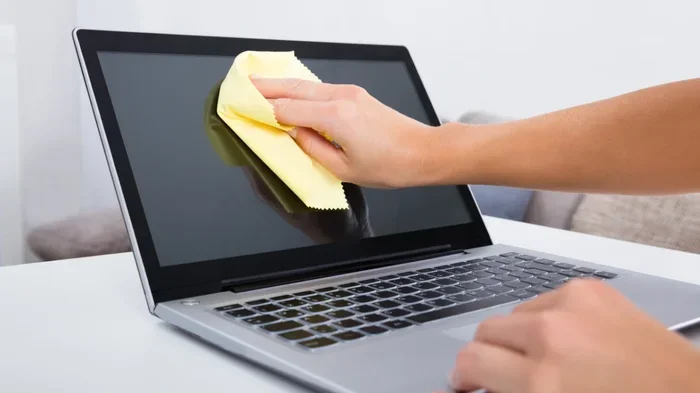
A dry microfiber cloth is the single best tool for daily laptop screen cleaning. These cloths are gentle and do not scratch. They lift oils and fingerprints away without any chemicals at all.
Keep a microfiber cloth in your laptop bag at all times. Use it to wipe your screen at the end of each day. This simple habit prevents buildup and keeps your display looking great.
Distilled Water
For tougher smudges, slightly dampen your microfiber cloth with distilled water. Distilled water is free of minerals and chemicals that tap water contains. It evaporates cleanly without leaving streaks.
Never use tap water on your screen. The minerals in tap water can leave residue and create a hazy film over time. Distilled water is cheap and available at most grocery stores.
Vinegar and Water Solution
A mixture of equal parts distilled water and white vinegar makes an excellent screen cleaner. Vinegar is gentle enough for most screen coatings and cuts through grease effectively.
Mix the solution in a small spray bottle. Spray it onto the cloth, never directly on the screen. Wipe gently in circular motions for a streak-free finish.
Commercial Screen Cleaners
Many brands make screen-specific cleaning solutions. These are formulated to be safe for laptop displays and anti-glare coatings. Look for cleaners that are alcohol-free and ammonia-free.
Popular options include products from brands like Whoosh, Screen Mom, and Endust for Electronics. These cleaners are widely available and affordable. They come with microfiber cloths in many kits.
Step-by-Step Guide to Cleaning Your Laptop Screen
Now that you know what to use, let us walk through the proper cleaning process. Following these steps ensures you clean your screen safely and effectively.
Step 1: Power Off Your Laptop
Always turn off your laptop before cleaning the screen. A powered-off screen makes it easier to see dirt and smudges. It also prevents any moisture from reaching live electrical components.
Make sure the laptop is completely cool before you start. Cleaning a warm screen can cause cleaning solutions to evaporate too quickly, leaving streaks behind.
Step 2: Remove Loose Dust
Use a dry microfiber cloth to gently wipe away loose dust and particles. Do this in one direction, either horizontally or vertically. This prevents dust particles from getting trapped and scratching the screen.
Never use paper towels or rough cloths. These can scratch the surface of your display panel and leave lint behind.
Step 3: Apply Your Cleaning Solution
If you are using distilled water, vinegar solution, or a commercial cleaner, apply it to the cloth first. Never spray liquid directly onto the screen. Moisture can drip into the edges and cause internal damage.
Use just enough moisture to make the cloth slightly damp. A soaking wet cloth increases the risk of liquid seeping into the laptop.
Step 4: Wipe Gently
Wipe the screen using gentle, circular motions. Do not press hard. Let the cloth do the work. Excessive pressure can damage the pixels or the panel underneath.
Work from the center of the screen outward. This technique helps push dirt and smudges toward the edges where they are easier to wipe away.
Step 5: Dry Completely
Use a dry part of the microfiber cloth to remove any remaining moisture. Make sure the screen is completely dry before you turn your laptop back on.
Do not use your laptop until the screen is fully dry. Powering on a wet screen can cause electrical issues or leave permanent marks on the display.
Common Mistakes People Make When Cleaning Laptop Screens
Even with good intentions, many people make mistakes when cleaning their screens. Knowing these errors helps you avoid them and protect your device.
Using Household Cleaners
Window cleaners like Windex contain ammonia and other harsh chemicals. These are great for glass but terrible for laptop screens. Ammonia can strip coatings and cause discoloration.
Other household cleaners like bleach or all-purpose sprays are equally damaging. Always stick to products designed specifically for electronics or use simple distilled water.
Using Paper Towels or Tissue
It might seem convenient to grab a paper towel when your screen is smudged. Paper towels are actually too abrasive for screens. They contain wood fibers that can scratch the surface.
Tissues are slightly better but still not ideal. They can leave behind lint and may contain lotions or fragrances that leave residue on your screen.
Cleaning When the Screen Is Hot
If you have been using your laptop, the screen is likely warm or hot. Cleaning a hot screen causes cleaning solutions to evaporate instantly. This leaves behind streaks and residue that are hard to remove.
Always let your laptop cool down for at least 10 minutes before cleaning. This gives the solution time to work properly without evaporating too quickly.
Skoring the Screen With Dirty Cloths
Using a dirty or reused cloth can do more harm than good. Cloth that has picked up dust and grit acts like sandpaper on your screen. Each wipe can grind tiny particles into the surface.
Always use a clean microfiber cloth. Wash your cleaning cloths regularly with mild soap and let them dry completely before use.
Expert Tips for Keeping Your Laptop Screen Pristine
Cleaning is only half the battle. Prevention plays a huge role in keeping your laptop display looking its best. These expert tips help you reduce the need for frequent deep cleaning.
Wash Your Hands Before Use
Oil and dirt from your hands are the biggest culprits behind smudges. Washing your hands before using your laptop reduces the amount of grime that ends up on your screen. It is a simple habit that makes a big difference.
Use a Screen Protector
Consider applying a screen protector designed for laptops. These thin films add an extra layer of defense against scratches, smudges, and coatings damage. They are inexpensive and easy to replace.
Keep Your Laptop Covered
When you are not using your laptop, close the lid or use a protective sleeve. This prevents dust from settling on the screen and reduces the frequency of cleaning sessions.
Clean Your Screen Weekly
Making laptop care part of your weekly routine prevents buildup. A quick wipe with a dry microfiber cloth takes less than a minute. Regular cleaning is far easier than tackling stubborn grime after weeks of neglect.
Store Your Laptop Properly
When traveling, use a padded laptop bag that protects the screen from pressure and impact. Avoid placing heavy objects on top of a closed laptop, as this can damage the display panel over time.
Conclusion
The answer to the question “Can I use alcohol wipes to clean my laptop screen safely?” is a clear no in most cases. Alcohol wipes can damage coatings, strip protective layers, and allow moisture to seep into your laptop. The risks far outweigh the convenience.
Instead, stick to safe alternatives like microfiber cloths, distilled water, and commercial screen cleaners. These methods clean effectively without putting your laptop screen at risk. A little care goes a long way in protecting your investment.
Make gentle cleaning a habit. Your laptop display will stay bright, clear, and beautiful for years to come. The next time you reach for those alcohol wipes, remember the tips in this guide and choose a safer path instead.
FAQs
Can I use 70% isopropyl alcohol wipes on my laptop screen?
No, 70% isopropyl alcohol wipes are not safe for most laptop screens. The high alcohol concentration can strip anti-glare coatings and damage the display panel. Even at lower concentrations, repeated use can cause cumulative harm. Stick to distilled water or a dedicated screen cleaner instead.
What is the best way to clean a laptop screen without streaks?
The best streak-free method is to use a microfiber cloth slightly dampened with distilled water. Wipe in gentle circular motions and dry any remaining moisture with a clean, dry section of the cloth. Avoid spraying any liquid directly on the screen to prevent moisture from seeping into the edges.
Are alcohol-free screen wipes safe for all laptop screens?
Most alcohol-free screen wipes are safe for laptop displays. They are specifically formulated to clean screens without harsh chemicals. However, always check the product label and manufacturer recommendations before use. Even alcohol-free products can vary in their suitability for different screen types.
Can I use baby wipes to clean my laptop screen?
Baby wipes are generally not recommended for laptop screens. They often contain moisturizers, fragrances, and chemicals that can leave residue on your display. Some baby wipes also contain small amounts of alcohol. A microfiber cloth with distilled water is a much safer and more effective choice.
How often should I clean my laptop screen?
You should wipe your laptop screen with a dry microfiber cloth at least once a week. If you use your laptop in a dusty environment or eat near it, you may need to clean it more frequently. A deeper clean with a damp cloth can be done every two weeks or as needed.
Will using alcohol wipes void my laptop warranty?
Using alcohol wipes may void your warranty if they cause damage to the screen. Most manufacturers explicitly state that damage from improper cleaning is not covered under warranty. Always follow the manufacturer’s cleaning guidelines to keep your warranty intact and your screen protected.
Frequently Asked Questions
What is Can I Use Alcohol Wipes To Clean My Laptop Screen?
Can I Use Alcohol Wipes To Clean My Laptop Screen is an important topic with many practical applications.