Can Other Cars Hear Your FM Transmitter Signal Clearly
Can other cars hear your FM transmitter signal? The short answer is yes, under certain conditions. Your FM transmitter broadcasts audio over a radio frequency, and nearby car radios can pick up that signal. However, range, frequency choice, and interference play a big role. This guide covers everything you need to know about FM transmitter signal reach, clarity, and how to keep your audio private.
Have you ever wondered if the music playing from your FM transmitter can be heard by someone in another car? Maybe you stream your favorite playlist through your car stereo and worry about neighbors picking up your tunes. Or perhaps you use a wireless audio device in your vehicle and want to know how far that signal really travels.
The truth is, FM transmitters work by broadcasting audio over radio frequency waves. Any car radio tuned to the same channel can potentially pick up that signal. But how clearly can other cars hear it? And what factors affect the range and quality of your broadcast? Let us dive into the details and answer these questions once and for all.
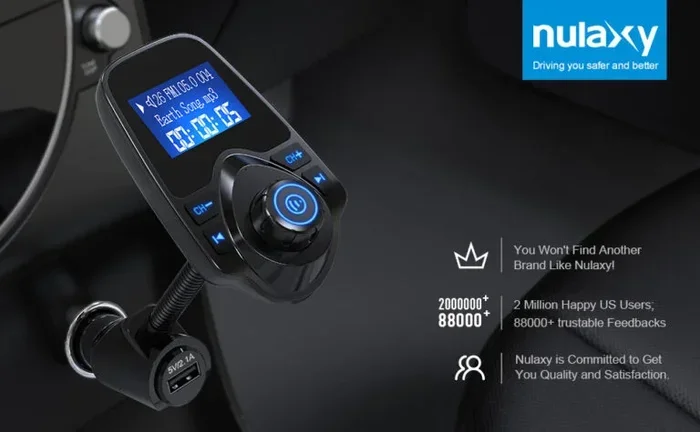
FM transmitters are popular car accessories. They let you play music from your phone or other audio device through your car stereo without wires. They are convenient, easy to use, and affordable. But convenience comes with a tradeoff, and that tradeoff is signal privacy. Understanding how your FM transmitter works helps you get the best audio experience while keeping your listening habits to yourself.
Key Takeaways
- FM transmitters broadcast on radio frequencies: Any car radio tuned to the same frequency can pick up your signal.
- Range is typically short: Most FM transmitters work within 10 to 30 feet, though some reach further.
- Signal interference is common: Buildings, other radio stations, and electronic devices can disrupt your audio.
- Frequency selection matters: Choosing a clear FM channel reduces the chance of others hearing your broadcast.
- You can improve privacy: Using a higher-quality transmitter and adjusting power settings helps control your signal.
- FM transmitters are legal in most areas: But there are rules about signal strength and frequency use.
- Other entertainment options exist: Bluetooth and auxiliary cables offer more private listening.
📑 Table of Contents
- How FM Transmitters Work
- Can Other Cars Actually Hear Your Signal?
- Factors That Affect FM Transmitter Signal Clarity
- How to Keep Your FM Transmitter Signal Private
- Legal Considerations for FM Transmitter Use
- Common Mistakes People Make with FM Transmitters
- Expert Tips for the Best FM Transmitter Experience
- Frequently Asked Questions
- Conclusion
How FM Transmitters Work
An FM transmitter is a small wireless audio device. It connects to your phone, MP3 player, or other audio source. Then it sends that audio signal over an FM radio frequency to your car stereo. Think of it like a tiny radio station built into your car.
The transmitter picks up the audio from your device. It converts that audio into a radio signal. That signal travels through the air as an electromagnetic wave. Your car stereo antenna picks up the wave and plays the sound through your speakers. It is a simple process, but it has important implications for signal reach.
The Role of FM Frequency
Every FM transmitter broadcasts on a specific frequency. FM frequencies range from 87.5 MHz to 108.0 MHz. Your transmitter lets you choose which frequency to use. You typically pick a frequency that does not have a strong local radio station.
Here is the key point. Any car radio set to that same frequency can receive your signal. If another driver tunes their radio to your channel, they will hear your music. This is how FM radio works. It is a shared broadcast medium. Everyone on the same frequency hears the same thing.
However, the clarity and strength of your signal depend on several factors. These include transmitter power, distance, and surrounding interference. A weak signal might sound like static to someone far away. A strong signal could be crystal clear in a nearby car.
Signal Range and Broadcast Distance
Most FM transmitters have a limited broadcast range. The typical range is between 10 and 30 feet. Some models claim a range of up to 100 feet under ideal conditions. But real-world conditions are rarely ideal.
Your signal strength drops quickly as distance increases. Walls, other vehicles, and buildings block or weaken the signal. In a parking lot, someone a few cars away might hear your music faintly. On an open highway, the signal could travel further. But it will still be weak compared to a dedicated radio station.
The power output of your transmitter matters a lot. Low-power transmitters (under 1 watt) have a very short range. Higher-powered models can reach further. But there are legal limits on how much power you can use. In the United States, the FCC limits FM transmitters to very low power levels.
Can Other Cars Actually Hear Your Signal?
Yes, other cars can hear your FM transmitter signal. But how well they hear it depends on several factors. Let us break down the most important ones.
Distance Between Vehicles
Distance is the biggest factor in whether another car can hear your signal. If the other car is parked right next to you, they will almost certainly hear your music. If they are 50 feet away, the signal might be too weak to hear clearly.
In a crowded parking lot, multiple cars could potentially pick up your signal. On a busy road, cars driving near you might catch a few seconds of your audio. The closer they are, the clearer the sound. The farther away, the more static and distortion they will hear.
Here is a simple way to think about it. Your FM transmitter is like a small flashlight. It lights up a small area. A lighthouse reaches much further. Your transmitter is the flashlight. A real radio station is the lighthouse.
Interference from Other Radio Stations
Radio frequency interference is a major challenge. If your chosen FM frequency already has a strong radio station nearby, your signal gets drowned out. The other station’s signal is much more powerful than yours.
Even if you pick a “clear” frequency, there can still be interference. Other electronic devices in cars can create noise on nearby frequencies. Power lines, cell towers, and even ATM machines can emit radio noise. All of this affects how clearly your signal comes through.
When interference is high, your signal might be inaudible to other cars. The static from interference masks your audio completely. This is actually a good thing if you care about privacy. But it is frustrating if you want a clean, clear broadcast.
Transmitter Quality and Power
Not all FM transmitters are created equal. Cheap, low-quality models often have weak signals and poor audio quality. Better transmitters offer stronger signals and clearer sound.
Some transmitters allow you to adjust the broadcast power. A lower power setting means a shorter range and more privacy. A higher power setting reaches further but is more likely to be heard by others. The best FM transmitter for your needs depends on your situation.
Higher-end models often include features like noise reduction and better antennas. These features improve audio quality and signal stability. They also help reduce the chance of your signal bleeding into nearby cars.
Factors That Affect FM Transmitter Signal Clarity
Several factors determine how clearly your FM transmitter signal travels. Understanding these helps you troubleshoot poor audio and improve your experience.
Antenna Placement
Where you place your transmitter matters a lot. Most FM transmitters have a small built-in antenna. The position of that antenna affects signal strength and direction.
If your transmitter is buried under a pile of papers on your dashboard, the signal will be weak. Placing it near your car’s antenna jack gives a much better result. Some transmitters come with a direct-to-antenna adapter. This connection dramatically improves signal quality and range.
Mounting your transmitter in a central location in your car also helps. It allows the signal to radiate more evenly. Avoid placing it near metal objects or electronic devices. These can block or distort the signal.
Your Car Audio System
The quality of your car stereo affects how your FM signal is received. A high-quality car stereo with a good antenna picks up signals more clearly. A budget stereo might struggle with weak FM signals.
The condition of your car’s antenna matters too. Old or damaged antennas receive signals poorly. A new antenna can make a big difference in audio clarity. If your car has an external antenna, make sure it is in good working order.
Your car stereo’s FM receiver also plays a role. Some stereos have better tuners than others. A good tuner can pick up weak signals more clearly. It also filters out interference better. This means your audio sounds cleaner even in noisy radio environments.
Environmental Conditions
Weather and terrain affect FM signals more than most people realize. Rain, heavy clouds, and even humidity can weaken radio waves. On a clear day, your signal travels better than on a stormy day.
Hills, mountains, and tall buildings block FM signals. If you are driving through a valley, your signal might not reach the cars on the ridge above you. In a dense urban area with tall buildings, signals bounce and scatter. This creates a complex radio environment.
Urban areas also have more radio frequency congestion. Many FM stations compete for space on the dial. This makes it harder to find a clear frequency for your transmitter. In rural areas, you might have more options and less interference.
How to Keep Your FM Transmitter Signal Private
If you do not want other cars hearing your audio, there are steps you can take. These tips help reduce the range and reach of your FM transmitter signal.
Choose a Less Common Frequency
Pick an FM frequency that is far from any local radio stations. The less crowded your frequency, the less likely it is to be heard by accident. Use an FM frequency finder app to identify the clearest channels in your area.
Avoid frequencies that are right next to strong stations. Even if your chosen frequency seems clear, a nearby station’s signal can bleed over. Leave as much space as possible between your frequency and the nearest station.
Use the Lowest Power Setting
If your transmitter has adjustable power, use the lowest setting that still gives you good audio. Lower power means a shorter range. This reduces the chance of other cars picking up your signal.
Most FM transmitters do not have adjustable power settings. But some higher-end models do. If privacy is important to you, look for a transmitter with power controls.
Consider Alternative Audio Solutions
FM transmitters are not the only way to play audio in your car. Bluetooth connectivity is built into most modern car stereos. It provides a direct, private connection between your phone and your car audio system.
An auxiliary cable is another option. It connects your phone directly to your car stereo with a wire. No radio waves are involved. No one else can hear your audio unless they are sitting right next to you.
USB connections work well too. Many car stereos accept USB drives and even charge phones through USB. These wired options offer the most privacy and the best audio quality.
Legal Considerations for FM Transmitter Use
FM transmitters are legal in most countries. But there are rules about how they can be used. Understanding these rules keeps you compliant and helps you avoid fines.
In the United States, the Federal Communications Commission (FCC) regulates FM transmitters. The FCC limits the broadcast power of these devices. Most FM transmitters sold in the US comply with these limits. They are designed to operate at very low power levels.
The FCC rule limits FM transmitters to a range of about 200 feet. This is intentional. It prevents interference with licensed radio stations. If your transmitter broadcasts too strongly, it could violate federal regulations.
In other countries, the rules may differ. Some nations have stricter limits. Others are more lenient. Always check your local regulations before using an FM transmitter. Using a non-compliant device can result in penalties.
Common Mistakes People Make with FM Transmitters
Many FM transmitter users make avoidable mistakes. These mistakes reduce audio quality and increase the chance of others hearing your signal.
Choosing a Crowded Frequency
The most common mistake is picking an FM frequency that already has a strong station. This creates interference and poor audio quality. It also makes your signal more noticeable to others. Always scan the FM dial before choosing your channel.
Placing the Transmitter Poorly
Putting your transmitter in a bad location weakens the signal. Dashboards full of metal or electronic devices block radio waves. The best spot is near your car’s antenna or in a central, open area.
Ignoring Interference Sources
Many electronic devices emit radio noise. Phone chargers, USB hubs, and even LED lights can create interference. If your audio sounds fuzzy, check for nearby electronic devices. Moving them away from your transmitter can help.
Expert Tips for the Best FM Transmitter Experience
Getting the most out of your FM transmitter takes a little effort. These expert tips help you enjoy clear audio and better signal control.
First, invest in a quality transmitter. Cheap models often have weak signals and poor sound quality. A good transmitter costs a bit more but delivers much better results. Look for models with adjustable frequencies and noise reduction features.
Second, keep your transmitter firmware and connections updated. Some models have software updates that improve performance. Clean your transmitter’s charging port regularly. A dirty connection causes audio dropouts and static.
Third, test your signal before hitting the road. Park your car and walk around with a portable radio. Check how far your signal reaches. This helps you understand your transmitter’s range and adjust your habits accordingly.
Fourth, consider using a signal booster. Some FM transmitters work with external antennas. These boosters extend your range and improve clarity. They are especially useful in older cars with weak factory antennas.
Frequently Asked Questions
Can someone in a car next to me hear my FM transmitter?
Yes, they likely can. If the other car is close and their radio is tuned to your frequency, they will hear your audio. The signal strength and audio quality depend on distance and interference. Keeping your transmitter on a low power setting reduces the chance of this happening.
How far can an FM transmitter signal reach?
Most FM transmitters have a range of 10 to 30 feet. Some high-powered models can reach up to 100 feet. However, real-world conditions like walls, other vehicles, and interference reduce this range significantly. Your signal will be strongest in the car closest to you.
Is it legal for other cars to pick up my FM signal?
Yes, it is legal. FM radio frequencies are shared by everyone. If another car picks up your signal, it is not illegal for them to listen. However, broadcasting on a frequency used by a licensed radio station can violate FCC rules in the United States.
Can I make my FM transmitter signal stronger?
You can improve signal strength by using a better antenna or a signal booster. Placing your transmitter near your car’s antenna jack also helps. However, increasing power beyond FCC limits is illegal in many countries. Stick to compliant devices and settings.
Why does my FM transmitter sound like static to others?
Static happens when your signal is weak or when there is interference. If another car is far from you, the signal will be faint and noisy. Nearby radio stations on adjacent frequencies can also cause static. Choosing a clear FM channel reduces this problem.
Are there alternatives to FM transmitters for private audio?
Yes, Bluetooth and auxiliary cables offer private listening. Bluetooth connects your phone directly to your car stereo without radio waves. An auxiliary cable provides a wired connection. Both options prevent other cars from hearing your audio. They also typically offer better sound quality than FM transmitters.
Conclusion
Can other cars hear your FM transmitter signal? Yes, they can. FM transmitters broadcast audio over radio frequencies, and any nearby car radio tuned to the same channel can pick up that signal. The range is usually short, and interference often limits clarity. But under the right conditions, your audio can be heard by others.
Understanding how your FM transmitter works gives you more control over your listening experience. You can choose the right frequency, adjust power settings, and position your device for the best results. If privacy matters to you, consider switching to Bluetooth or a wired connection. These alternatives offer a more direct and private audio experience.
FM transmitters remain a useful and convenient car accessory. They are great for quick, wireless audio streaming when you need it. Just be aware of their limitations and how they broadcast. With the right knowledge and a quality device, you can enjoy clear audio while keeping your signal under control.
Now that you know the answer to can other cars hear your FM transmitter signal clearly, you are better equipped to use your device wisely. Apply the tips in this guide, experiment with your settings, and enjoy your music the way you want it. Happy listening.