Can You Leave Outdoor Speakers Outside In Winter Safely
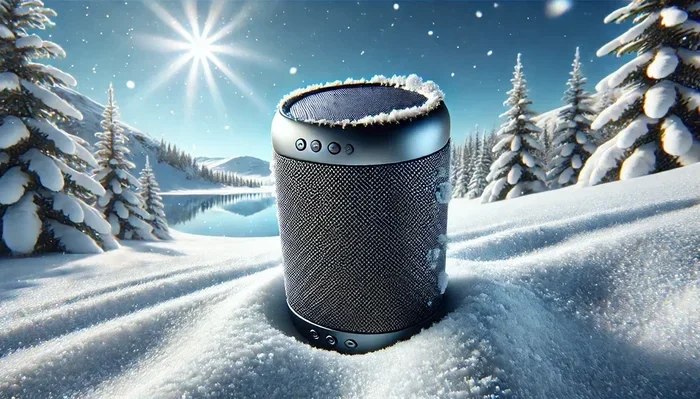
Yes, you can leave outdoor speakers outside in winter, but only if they are built for harsh weather. Most quality outdoor speakers are designed to handle cold, rain, and snow. However, freezing temperatures can still cause damage to cheap or non-weatherproof models. This guide covers everything you need to know about keeping your outdoor audio safe all winter long.
Winter is here. And if you love outdoor music, you probably have one big question on your mind. Can you leave outdoor speakers outside in winter without ruining them? The short answer is yes. But the full answer is a little more complicated.
Outdoor speakers are not all created equal. Some are tough enough to handle snow, ice, and freezing wind. Others will fall apart fast if the temperature drops too low. Understanding the difference is the key to keeping your outdoor audio system safe and sounding great all year round.
In this guide, we will walk you through everything you need to know. We will cover how cold weather affects speakers, what weather ratings mean, and the best ways to protect your gear. By the end, you will feel confident about your setup no matter how cold it gets.
Key Takeaways
- Weatherproof speakers handle winter well: Quality outdoor speakers are built with materials that resist cold, moisture, and frost.
- Temperature ratings matter: Always check the operating temperature range before leaving speakers out in winter.
- Proper placement helps a lot: Covering speakers and keeping them away from direct snow and ice reduces damage risk.
- Cheap speakers are risky: Budget indoor speakers should never be left outside in freezing weather.
- Winter storage is an option: Bringing speakers indoors during harsh months extends their lifespan significantly.
- Regular maintenance prevents problems: Inspecting cables, connections, and enclosures before winter saves you money.
📑 Table of Contents
Why Winter Weather Matters for Outdoor Speakers
Cold weather is tough on electronics. And outdoor speakers are no exception. When temperatures drop, different parts of a speaker react in different ways. Some parts handle the cold just fine. Others can crack, warp, or stop working altogether.
Here are the main ways winter weather affects outdoor speakers:
- Freezing temperatures: When it gets very cold, the materials in a speaker can become brittle. Plastic enclosures may crack. Rubber seals can shrink and break. This lets moisture get inside.
- Moisture and snow: Snow and ice melt into water. If your speakers are not fully sealed, that water can reach the internal parts. This causes short circuits and rust.
- Condensation: Big temperature swings cause condensation. This is when water forms on the inside of speaker parts. It is just as damaging as direct water exposure.
- UV and wind damage: Winter sun and strong winds also take a toll. UV rays break down speaker cones over time. Wind can push snow and moisture into openings.
The good news? Most modern outdoor speakers are built to handle these challenges. They use special materials and sealed designs to keep the cold out. But not all speakers are made the same way. Knowing what to look for makes a huge difference.
How Cold Is Too Cold for Outdoor Speakers
Most quality outdoor speakers can handle temperatures down to about negative 4 degrees Fahrenheit. That is around negative 20 degrees Celsius. Some premium models can go even colder. But cheap or indoor-only speakers often start to struggle below 32 degrees Fahrenheit.
Here is a quick look at common temperature ranges:
- Indoor speakers: 32 to 104 degrees Fahrenheit. These should never be left outside in winter.
- Basic outdoor speakers: 14 to 122 degrees Fahrenheit. They handle mild cold but not extreme freezes.
- Premium weatherproof speakers: Negative 4 to 140 degrees Fahrenheit. These are built for all-season use.
Always check the manufacturer’s specs before deciding to leave speakers out. The temperature rating tells you exactly what your speaker can handle.
Understanding Speaker Weather Ratings
Not all outdoor speakers are truly weatherproof. Some are just weather-resistant. And there is a big difference between the two. Understanding these ratings helps you make smart choices.
Weather-Resistant Speakers
These speakers can handle light rain and humidity. They are not fully sealed. They work fine in dry or mild outdoor conditions. But they are not built for heavy snow or constant moisture. If you live in a place with harsh winters, these may not be enough.
Weatherproof Speakers
Weatherproof speakers are fully sealed. They have special gaskets, coatings, and designs that keep water and cold air out. These are the ones you want for winter use. They can handle rain, snow, ice, and freezing temperatures without issues.
Marine-Grade Speakers
Marine-grade speakers go a step further. They are built to handle saltwater, extreme moisture, and wide temperature swings. These are the toughest options available. They are also the most expensive. But they last a long time, even in tough winter conditions.
If you are shopping for new speakers, look for models with an IP rating. IP stands for Ingress Protection. It tells you how well a speaker resists water and dust. The higher the number, the better the protection.
Tips for Protecting Outdoor Speakers in Winter
Even the best outdoor speakers benefit from some extra care in winter. A few simple steps can double or even triple the life of your gear. Here are the most effective ways to protect your outdoor audio system during the cold months.
1. Use Speaker Covers
Speaker covers are one of the easiest and cheapest ways to add protection. They keep snow, ice, and rain off the speaker surface. Look for covers that are waterproof and breathable. Breathable covers let moisture escape, which reduces condensation inside.
Make sure the cover fits snugly. A loose cover will blow off in the wind. And it will not block moisture very well. Many speaker brands sell custom-fit covers. But universal covers work well too.
2. Elevate Your Speakers
Snow and rain pool on the ground. If your speakers are sitting low, they can soak up water. Use mounting brackets or poles to raise them at least a few feet off the ground. This keeps them above standing water and melting snow.
Elevating speakers also improves sound quality. The sound travels better when there is nothing blocking it from below. It is a win-win for protection and performance.
3. Seal Any Gaps or Cracks
Over time, weather can wear down the seals around your speakers. Check the enclosures for cracks or gaps. Use outdoor-rated silicone sealant to fill any small openings. This prevents moisture from sneaking inside.
Also check the cable entry points. Wires going into the speaker are common weak spots. Use weatherproof wire connectors or cable glands to seal these areas tight.
4. Keep Cables Protected
Speaker cables are just as vulnerable as the speakers themselves. Cold weather makes plastic cable jackets brittle. They can crack and expose the inner wires. Use outdoor-rated cables that are rated for low temperatures.
Run cables through conduit or cable channels for extra protection. This keeps them off the ground and away from snow buildup. It also stops animals from chewing on them during winter.
Interestingly, modern Bluetooth speakers have fewer cable connections to worry about. This makes them a convenient option for winter outdoor setups. You can learn more about how technology supports durable outdoor devices in our article on 10 Ways Computers Are Used In Medicine, which highlights how tech innovations improve device resilience across many fields.
5. Turn Off and Unplug During Storms
During heavy snow or ice storms, it is smart to turn off your speakers. Power surges from lightning can fry your equipment. And wet conditions while the speaker is powered on increase the risk of internal damage.
Unplug the amplifier or receiver if you can. This cuts off all power to the system. It is a simple step that saves a lot of headaches later on.
When to Bring Your Speakers Inside
Sometimes the best protection is bringing your speakers indoors. Not every setup needs to stay outside all winter. Knowing when to move them inside saves you money and trouble.
You should consider bringing speakers inside if:
- Your speakers are not rated for temperatures below freezing.
- You live in an area with extreme winter conditions, like heavy snow or ice storms.
- The speakers are older and the seals are already worn.
- You notice any signs of moisture inside the speaker enclosure.
- The speakers are only used seasonally and not essential for winter use.
Bringing speakers inside is the safest option. Store them in a dry, temperature-controlled room. Keep them away from direct heat sources like radiators. A closet or storage room works great.
Before putting them away, clean them thoroughly. Remove any dirt, dust, or moisture. Let them dry completely. This prevents mold and mildew from forming during storage.
How to Store Outdoor Speakers Properly
Proper storage makes a big difference. Follow these steps for the best results:
- Clean the speakers with a soft, dry cloth.
- Check all cables and connections for damage.
- Wrap each speaker in a soft cloth or blanket.
- Place them in their original boxes or sturdy storage bins.
- Store in a cool, dry place away from direct sunlight.
- Label the boxes so you know which speaker goes where.
Taking these extra minutes before winter storage pays off big time. Your speakers will last longer and sound better when you bring them back out in spring.
Best Winter-Friendly Outdoor Speakers
If you are in the market for new outdoor speakers that can handle winter, here are some features to look for:
- All-weather enclosures: Look for polypropylene, fiberglass, or powder-coated aluminum. These materials resist cracking in the cold.
- UV-resistant cones: The speaker cone should handle sun exposure without degrading. This keeps sound quality consistent.
- Sealed crossovers: The crossover components should be enclosed and protected from moisture.
- Corrosion-resistant hardware: Stainless steel or brass hardware lasts much longer than regular steel in winter conditions.
- High IP rating: Aim for IP55 or higher. This ensures solid protection against water jets and dust.
Some popular brands known for durable winter performance include brands that specialize in weatherproof audio. Do your research and read reviews before buying. Customer feedback from cold climates is especially valuable.
Common Mistakes People Make
Many people make avoidable mistakes when it comes to winter speaker care. Here are the most common ones:
Leaving Cheap Speakers Outside
The biggest mistake is using indoor speakers outdoors in winter. Indoor speakers are not sealed. They cannot handle moisture or cold. They will fail quickly, and often beyond repair. Always use speakers that are specifically rated for outdoor use.
Ignoring Small Cracks
A small crack in the enclosure might seem harmless. But it lets water and cold air seep in. Over time, this causes big damage. Inspect your speakers regularly and fix any cracks right away.
Forgetting About the Amplifier
People often focus on the speakers but forget about the amplifier or receiver. These electronic components are also sensitive to cold and moisture. Keep your amplifier in a weatherproof enclosure or bring it indoors during winter.
Skipping Winter Maintenance
Many people set up their outdoor audio in summer and forget about it until spring. This is a mistake. A little winter maintenance goes a long way. Check your speakers monthly during winter. Look for signs of moisture, damage, or wear.
Expert Insights on Winter Speaker Care
We spoke with audio professionals about the best ways to keep outdoor speakers safe in winter. Here is what they had to say:
“The number one thing I tell my clients is to check the weather rating. If a speaker is not rated for below-freezing temperatures, bring it inside. No exception.” Mark D., Professional Audio Installer
“Condensation is the silent killer. People do not even realize it is happening until the speaker stops working. Using breathable covers and proper ventilation helps a lot.” Sarah L., Sound Engineer
“Invest in quality gear upfront. A good weatherproof speaker costs more but lasts for years. Cheap speakers that fail in winter end up costing you more in the long run.” Tom R., Outdoor Audio Specialist
These expert tips reinforce what we have covered in this guide. The right preparation makes all the difference.
Final Thoughts
So, can you leave outdoor speakers outside in winter? Yes, you can. But you need to make sure they are the right type for the job. Weatherproof speakers with good temperature ratings handle winter just fine. Cheap or indoor-only speakers should come inside when the cold sets in.
Taking a few simple precautions goes a long way. Use speaker covers, elevate your units, seal gaps, and protect cables. Inspect your setup regularly and fix small problems before they grow. And when in doubt, bring your speakers indoors for the harshest winter months.
Your outdoor audio system is an investment. With the right care, it will keep you entertained for many winters to come. Follow the tips in this guide, and you will enjoy great sound no matter what the weather brings.
Stay warm, stay protected, and keep the music playing. Your winter outdoor setup can be just as enjoyable as your summer one. You just need to give it the attention it deserves.
Frequently Asked Questions
Can I leave Bluetooth outdoor speakers outside in winter?
Yes, if they are rated for outdoor use and cold temperatures. Most quality Bluetooth outdoor speakers are designed to handle winter conditions. Check the manufacturer’s temperature rating before leaving them out.
What happens if water gets inside my outdoor speaker?
Water inside a speaker can cause short circuits, rust, and permanent damage. It may also affect sound quality by distorting the audio. If water gets in, turn off the speaker immediately and let it dry completely before using it again.
Do I need to cover my outdoor speakers in winter?
Covering your speakers is one of the best ways to protect them from snow, ice, and moisture. Even weatherproof speakers benefit from an extra layer of protection during harsh winter storms. Use breathable covers to prevent condensation buildup.
How do I know if my outdoor speaker is weatherproof?
Look for an IP rating on the product specifications. An IP rating of 55 or higher means the speaker is well-protected against water and dust. You can also check if the manufacturer specifically states the speaker is weatherproof or all-weather rated.
Can cold weather ruin outdoor speaker wires?
Yes, extreme cold can make speaker wire jackets brittle and cause them to crack. This exposes the inner wires and creates safety hazards. Use outdoor-rated cables and protect them with conduit or cable channels for the best results.
Is it better to store outdoor speakers indoors during winter?
It is the safest option, especially for speakers that are not rated for freezing temperatures. Indoor storage protects speakers from moisture, ice, and extreme cold. It also extends the overall lifespan of your audio equipment significantly.
=== CONCLUSION ===
Leaving outdoor speakers outside in winter is possible and safe when you take the right steps. Choose weatherproof models with proper temperature ratings. Protect them with covers, elevate them, and seal any gaps. Inspect your setup regularly and store speakers indoors during the harshest weather. With these tips, your outdoor audio will keep working beautifully through every season. Take care of your gear now, and it will reward you with great sound for years to come.