Disadvantages Of Intranets That Every Business Needs To Know
Disadvantages of intranets can quietly drain your budget, reduce employee engagement, and create security gaps. Many businesses invest heavily in an intranet platform only to face low adoption rates and high maintenance costs. Understanding these downsides helps you make smarter decisions about your company’s internal communication tools.
Key Takeaways
- High Costs: Intranet implementation and ongoing maintenance can strain your IT budget significantly.
- Low Adoption Rates: Employees often ignore intranet tools, making the investment less effective.
- Security Risks: Intranet systems can introduce vulnerabilities and privacy concerns if not managed properly.
- Information Silos: Poorly designed intranets can trap information instead of sharing it across teams.
- Remote Work Limitations: Traditional intranets struggle to support hybrid and remote workforces effectively.
- Complex Maintenance: Keeping an intranet updated and relevant requires dedicated IT resources and time.
- Better Alternatives Exist: Modern collaboration tools often solve the same problems without the downsides.
📑 Table of Contents
- What Are Disadvantages Of Intranets And Why Should You Care?
- The High Costs Of Intranet Implementation And Maintenance
- Low Employee Adoption And Engagement Problems
- Security And Privacy Risks In Intranet Systems
- Information Silos And Limited Collaboration
- Intranet Challenges For Remote And Hybrid Teams
- Intranet Maintenance And The Never-Ending Update Cycle
- Comparing Intranets With Modern Alternatives
- How To Decide If An Intranet Is Right For Your Business
- Conclusion
What Are Disadvantages Of Intranets And Why Should You Care?
Every business wants better internal communication. An intranet seems like the perfect fix. But here is the truth. Disadvantages of intranets are real, and they affect more companies than you might think. Before you commit time and money to an intranet platform, you need to understand what could go wrong.
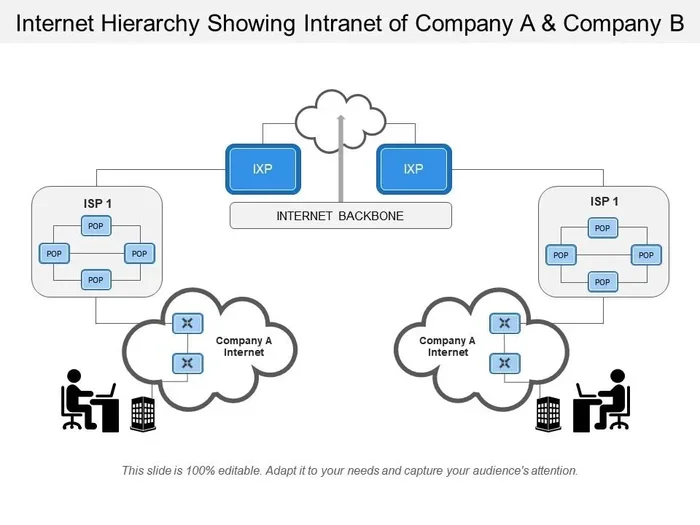
An intranet is a private network used by employees to share information, access company resources, and collaborate. Many organizations built their entire internal communication strategy around intranet software years ago. But the workplace has changed. Remote work is common. Employees expect simple, mobile-friendly tools. And many intranets simply cannot keep up.
The disadvantages of intranets range from high costs to poor user adoption. Some of these problems are easy to fix. Others can quietly undermine your entire internal communication strategy. In this article, we will walk through every major downside so you can protect your business.
Whether you run a small team or a large enterprise, this guide will help you see the full picture. You will learn about hidden costs, security risks, and why employees avoid intranet tools in the first place. Let us dive in.
The High Costs Of Intranet Implementation And Maintenance
One of the biggest complaints about intranet software is the price tag. The disadvantages of intranets often start with the budget. Many business leaders underestimate how much it actually costs to build and run an intranet.
When you first set up a company intranet, the costs add up fast. You need software licenses, IT staff, custom development, and training. For a mid-sized company, the initial setup alone can run into tens of thousands of dollars. And that is just the beginning.
Hidden Costs Most Businesses Overlook
Here are some hidden costs that surprise many business owners:
- Ongoing hosting fees: Cloud intranet platforms charge monthly or annual fees that grow as your team expands.
- IT support: You need dedicated staff to manage updates, fix bugs, and handle user requests.
- Customization expenses: Off-the-shelf intranet solutions often require extra work to fit your company’s needs.
- Training time: Employees need time to learn the system, and that means lost productivity.
- Content creation: Someone has to write, update, and manage the content on the intranet every single day.
These costs stack up over time. Many businesses find that the intranet costs far exceed what they originally budgeted. And the return on investment? Often hard to measure.
For small businesses especially, these expenses can be a heavy burden. The money spent on intranet maintenance could go toward other tools that deliver faster results.
Low Employee Adoption And Engagement Problems
You built the intranet. You spent the money. But your employees barely use it. Sound familiar? This is one of the most frustrating disadvantages of intranets. A beautiful intranet means nothing if nobody logs in.
Studies show that many intranet platforms see engagement drop sharply within the first few months after launch. Employees go to the intranet once, find it confusing, and never return. This is a massive waste of resources.
Why Do Employees Avoid The Intranet?
Several factors cause low intranet adoption rates:
- Clunky interfaces: Many intranet platforms look outdated. Employees expect the same smooth experience they get from consumer apps.
- Too much complexity: If it takes five clicks to find a simple document, employees will give up.
- Mobile problems: Many intranets are not optimized for mobile devices, which is a dealbreaker for on-the-go workers.
- Irrelevant content: When the intranet is full of outdated announcements, people stop checking it.
- Poor search: If employees cannot find what they need quickly, they will use email or chat instead.
The disadvantages of intranets in this area are clear. Low engagement means low ROI. Your internal communication strategy falls flat. And the intranet becomes a digital ghost town.
Expert tip: Before launching any intranet platform, run a pilot program with a small group of employees. Get their feedback early. Fix the usability issues before rolling it out company-wide.
Security And Privacy Risks In Intranet Systems
Many businesses assume that a private network is automatically secure. That is a dangerous assumption. Intranet security risks are real, and they can expose your company to serious threats.
An intranet stores sensitive company data. Think internal documents, employee records, financial reports, and strategic plans. If your intranet platform has weak security, that data is at risk.
Common Security Vulnerabilities
Here are some of the most common security problems with intranet systems:
- Weak access controls: If too many people have access to sensitive information, a data breach becomes more likely.
- Outdated software: Intranet platforms that are not regularly updated become easy targets for hackers.
- Insider threats: Disgruntled employees can misuse intranet access to steal or leak confidential data.
- Poor encryption: Without proper encryption, data transmitted through the intranet can be intercepted.
- Third-party integrations: Connecting external tools to your intranet can create new security gaps.
These intranet security issues are especially concerning for businesses in regulated industries. Healthcare, finance, and legal firms face strict data privacy rules. A breach in the intranet could lead to serious compliance violations.
The disadvantages of intranets here go beyond just data loss. A security incident can damage your company’s reputation, erode employee trust, and lead to expensive legal consequences.
Quick tip: Always choose an intranet platform that offers strong encryption, role-based access controls, and regular security audits. Do not skip this step.
Information Silos And Limited Collaboration
An intranet is supposed to bring people together. But ironically, it can also create barriers. One of the most overlooked disadvantages of intranets is the way they can trap information inside silos.
When different departments build their own sections of the intranet, information gets scattered. Marketing has its own corner. HR has its own page. Finance keeps its documents behind a separate login. The result? Employees struggle to find the information they need across teams.
How Information Silos Hurt Your Business
Information silos cause real problems in day-to-day operations:
- Duplicated work: Teams waste time recreating documents that already exist somewhere else on the intranet.
- Slow decision-making: When people cannot find the right information quickly, decisions get delayed.
- Miscommunication: Important updates from one department never reach another department.
- Frustration: Employees feel like they are always searching and never finding what they need.
- Reduced innovation: When teams work in isolation, new ideas do not cross over and spark collaboration.
The disadvantages of intranets related to collaboration are especially damaging in larger organizations. The bigger the company, the harder it is to keep information flowing freely.
Many businesses turn to collaboration tools like Slack, Microsoft Teams, or Notion to solve this problem. These tools are built for real-time communication and easy information sharing. They often work better than a traditional intranet for keeping teams connected.
Intranet Challenges For Remote And Hybrid Teams
The modern workplace is not tied to a single office anymore. Remote work and hybrid models are here to stay. And this is where the disadvantages of intranets become even more obvious.
Traditional intranets were designed for office-based workers. They assumed everyone was connected to the same local network. But today’s employees work from home, coffee shops, and co-working spaces. They need tools that work just as well on a laptop in Bali as they do at a desk in the office.
Where Intranets Fall Short For Distributed Teams
Here are the main ways intranets struggle in remote and hybrid environments:
- Poor mobile experience: Many intranets are built for desktop browsers and perform poorly on phones and tablets.
- Slow load times: Remote workers with slower internet connections suffer when the intranet is heavy and slow.
- Lack of real-time features: Intranets are not built for instant messaging or quick updates the way modern tools are.
- No offline access: If a remote worker loses internet, they may lose access to important intranet resources.
- Time zone confusion: Intranets do not naturally handle asynchronous communication across different time zones.
These intranet challenges are a major reason why many companies are moving away from traditional intranets. They want tools that match how modern teams actually work.
For example, a digital workplace platform combines the best features of an intranet with modern collaboration tools. It offers mobile access, real-time communication, and a seamless experience for every employee, no matter where they are.
Intranet Maintenance And The Never-Ending Update Cycle
Launching an intranet is hard. But keeping it running smoothly? That is an even bigger challenge. The disadvantages of intranets do not end at launch. Maintenance is a long-term commitment that many businesses are not prepared for.
An intranet is not a “set it and forget it” tool. It needs constant attention. Content needs to be updated. Features need to be patched. User feedback needs to be collected and acted upon. Without ongoing care, the intranet quickly becomes outdated and irrelevant.
The Maintenance Burden On IT Teams
Here is what intranet maintenance actually looks like in practice:
- Regular content audits: Someone must review and remove outdated pages, broken links, and old announcements.
- Software updates: The intranet platform needs regular updates to stay secure and functional.
- User support: Employees will always have questions, and someone needs to help them.
- Performance monitoring: Slow load times and downtime need to be tracked and fixed quickly.
- Feature requests: As the company grows, new features and integrations become necessary.
All of this takes time and skilled IT staff. For many businesses, the disadvantages of intranets in terms of maintenance are a hidden drain on resources. Your IT team could be spending that time on projects that directly drive revenue.
Expert insight: Before committing to an intranet, ask yourself one honest question. Do you have the people and processes in place to maintain it long-term? If the answer is no, you may want to explore simpler alternatives.
Comparing Intranets With Modern Alternatives
The disadvantages of intranets have led many businesses to explore modern alternatives. These newer tools address many of the common intranet pain points while offering better value and usability.
Let us look at how traditional intranets compare to some popular alternatives.
| Feature | Traditional Intranet | Modern Collaboration Tools |
|---|---|---|
| Cost | High setup and ongoing fees | Often lower, with flexible pricing |
| Mobile Access | Limited or clunky | Native mobile apps with smooth experience |
| Ease of Use | Complex, many clicks needed | Simple, intuitive interfaces |
| Real-Time Communication | Poor, not designed for chat | Built-in chat and video calling |
| Adoption Rates | Often low after initial launch | Generally higher due to familiarity |
| Remote Work Support | Weak for distributed teams | Strong, built for anywhere work |
| Maintenance Effort | High, needs dedicated IT staff | Lower, cloud-managed by vendor |
As you can see, modern tools like Slack, Microsoft Teams, and Notion offer many of the same benefits as an intranet without the heavy downsides. They are more affordable, easier to use, and better suited for today’s workforce.
That said, intranets are not completely obsolete. Large enterprises with complex internal structures may still benefit from a well-designed intranet. The key is to weigh the disadvantages of intranets against your specific business needs before making a decision.
How To Decide If An Intranet Is Right For Your Business
After reading about all these downsides, you might be wondering if an intranet is even worth it. The answer is: it depends. Every business is different, and the right choice depends on your size, budget, and workforce needs.
Here are some questions to ask yourself before investing in an intranet:
- Do we have the budget for both setup and long-term maintenance?
- Will our employees actually use it, or will it become a ghost town?
- Do we have the IT resources to keep it secure and up to date?
- Does our workforce include remote or hybrid workers who need mobile access?
- Are there simpler, more affordable tools that could solve the same problems?
If you answered no to several of these questions, the disadvantages of intranets may outweigh the benefits for your organization. It might be worth exploring modern alternatives that better fit how your team works today.
The best businesses stay flexible. They evaluate their tools regularly and are willing to adapt. Do not let a legacy intranet hold your team back from better communication and collaboration.
Conclusion
The disadvantages of intranets are real and significant. From high costs and low adoption to security risks and maintenance headaches, these challenges can undermine your internal communication strategy. Many businesses invest in intranet software expecting a magic solution, only to face frustration and wasted resources.
But understanding these downsides is the first step toward making better decisions. When you know what can go wrong, you can plan for it. Or you can explore modern tools that solve the same problems without the baggage.
Whether you choose an intranet or a different platform, the goal remains the same. You want your team to communicate clearly, collaborate effectively, and stay connected. The right tool should make that easier, not harder. Choose wisely, and your internal communication will thank you.
Take action today. Review your current tools, talk to your employees, and explore options that fit your business. The best time to fix your internal communication is now.
Frequently Asked Questions
What are the main disadvantages of intranets for small businesses?
Small businesses often struggle with the high costs of intranet setup and the ongoing maintenance burden. Low employee adoption is another major issue, as small teams may find intranets too complex or unnecessary for their size. These disadvantages make intranets less practical for smaller organizations with limited resources.
Can intranet security risks be reduced with better tools?
Yes, many security risks can be minimized by choosing a modern intranet platform with strong encryption and access controls. Regular updates, employee training, and security audits also help reduce vulnerabilities. However, no system is completely risk-free, and businesses must stay vigilant about their intranet security practices.
Why do employees stop using the company intranet after launch?
Employees usually stop using the intranet because it is too complicated, slow, or irrelevant to their daily work. Poor mobile support and outdated content also drive users away. When the intranet does not solve real problems, engagement drops quickly and the investment loses its value.
Are there cheaper alternatives to traditional intranet software?
Yes, modern collaboration tools like Slack, Microsoft Teams, and Notion often cost less and offer better usability. These tools support real-time communication, mobile access, and easy information sharing. Many businesses find that these alternatives deliver better results without the high costs of intranet maintenance.
How does remote work make intranet disadvantages worse?
Remote work exposes the limitations of traditional intranets, especially their poor mobile experience and lack of real-time features. Remote employees need tools that work seamlessly from any location, and many intranets simply cannot deliver that. This makes it harder to keep distributed teams connected and informed.
Is it worth investing in an intranet in 2024 and beyond?
It depends on your business size, budget, and workforce needs. Large enterprises with complex internal structures may still benefit from a well-designed intranet. However, for most businesses, modern collaboration tools offer better value and fewer disadvantages. Evaluate your specific needs before committing to an intranet investment.