Do Any Phones Support Wi Fi 7 and What You Need to Know
Yes, several phones now support Wi-Fi 7, and the list is growing fast. Flagship devices from brands like Samsung, OnePlus, Xiaomi, and Motorola have already embraced this next-gen wireless standard. Here is everything you need to know about Wi-Fi 7 phones, including which models lead the pack and whether the upgrade is worth it for you.
Key Takeaways
- Wi-Fi 7 phones are real and available now: Flagship models from Samsung, OnePlus, Xiaomi, and Motorola already support the 802.11be standard.
- Wi-Fi 7 brings massive speed gains: Theoretical speeds reach up to 46 Gbps, which is a huge jump from Wi-Fi 6 and Wi-Fi 6E.
- You need a Wi-Fi 7 router too: A Wi-Fi 7 phone alone will not unlock the full benefits. You also need a compatible router and modem.
- Most users do not need Wi-Fi 7 yet: If your current phone and internet plan work fine, there is no urgent reason to switch.
- Future-proofing is the biggest advantage: Buying a Wi-Fi 7 phone now means your device stays relevant as networks evolve.
- Price is still premium: Wi-Fi 7 phones are mostly found in the flagship and upper-mid-range tiers, so expect to pay more.
📑 Table of Contents
- What Is Wi-Fi 7 and Why Should You Care?
- Which Phones Currently Support Wi-Fi 7?
- What Makes Wi-Fi 7 Phones Different From Older Devices?
- Do You Actually Need a Wi-Fi 7 Phone Right Now?
- How to Get the Most Out of a Wi-Fi 7 Phone
- The Future of Wi-Fi 7 in Mobile Devices
- Final Thoughts on Wi-Fi 7 Phones
What Is Wi-Fi 7 and Why Should You Care?
Wi-Fi 7 is the seventh generation of wireless networking technology. Its official name is 802.11be, and it promises faster speeds, lower latency, and better performance in crowded spaces. If you have ever been frustrated by slow internet at a busy airport or a packed apartment building, Wi-Fi 7 aims to fix that.
The technology works by using wider channels, smarter data routing, and new tricks like multi-link operation. Think of it like upgrading from a one-lane road to a multi-lane highway. More data flows at the same time, and fewer things get stuck in traffic.
So why does this matter for phones? Your smartphone is probably the most connected device you own. It streams videos, joins video calls, downloads huge files, and plays games — all over wireless networks. A Wi-Fi 7 phone handles all of that faster and smoother than older devices. This matters especially if you live in a household with many connected devices competing for bandwidth.
Wi-Fi 7 also introduces features like 4K QAM modulation and multi-link operation. These are technical terms, but the result is simple: your connection becomes more reliable and significantly faster. The theoretical maximum speed for Wi-Fi 7 is around 46 Gbps. That is insanely fast and far beyond what any home internet plan currently offers.
In short, Wi-Fi 7 is not just a small upgrade. It is a big leap forward in wireless connectivity. And the fact that phones are starting to support it means you can feel that difference every day.
Which Phones Currently Support Wi-Fi 7?
The list of Wi-Fi 7 phones is growing, but it is still mostly limited to premium and upper-mid-range devices. Here is a closer look at what is available right now.
Samsung Galaxy Flagships Lead the Way
Samsung was one of the first major brands to adopt Wi-Fi 7. The Galaxy S24 Ultra, Galaxy S24+, and Galaxy S24 all support the new standard. The Galaxy S23 Ultra and S23 series also got Wi-Fi 7 through updates in some regions. Samsung has been aggressive about rolling out this feature across its lineup.
The company uses Qualcomm’s FastConnect 7800 platform in its latest flagships. This chipset handles the heavy lifting for Wi-Fi 7 connectivity. It means you get the full suite of Wi-Fi 7 features, including multi-link operation and wider channel support.
OnePlus Brings Wi-Fi 7 to More Devices
OnePlus was another early mover. The OnePlus 12 and OnePlus 12R both feature Wi-Fi 7 support. The company uses MediaTek’s Filogic 890 chipset in some of these models, which provides solid Wi-Fi 7 performance.
OnePlus has a reputation for offering strong connectivity features at competitive prices. Their embrace of Wi-Fi 7 makes this technology more accessible beyond just the most expensive phones.
Xiaomi and Motorola Join the Party
Xiaomi has also jumped on the bandwagon. Several Xiaomi 14 models include Wi-Fi 7 support. Motorola has introduced the feature in some of its Edge series phones as well. Brands like Honor and Oppo are expected to follow suit in 2024 and 2025.
Here is a quick comparison of popular Wi-Fi 7 phones currently on the market:
| Phone Model | Brand | Wi-Fi 7 Support | Chipset | Price Range |
|---|---|---|---|---|
| Galaxy S24 Ultra | Samsung | Yes | Snapdragon 8 Gen 3 | Premium ($1,300+) |
| Galaxy S24 | Samsung | Yes | Snapdragon 8 Gen 3 | Premium ($800+) |
| OnePlus 12 | OnePlus | Yes | Snapdragon 8 Gen 3 | Upper Mid-Range ($800+) |
| OnePlus 12R | OnePlus | Yes | Dimensity 8300 | Mid-Range ($500+) |
| Xiaomi 14 Pro | Xiaomi | Yes | Snapdragon 8 Gen 3 | Premium ($1,000+) |
| Motorola Edge 50 Ultra | Motorola | Yes | Snapdragon 8s Gen 3 | Upper Mid-Range ($800+) |
As you can see, most Wi-Fi 7 phones fall in the mid-range to premium category. Budget phones have not yet adopted the standard, and that is unlikely to change in the near term.
What Makes Wi-Fi 7 Phones Different From Older Devices?
If you are wondering what the big deal is, here is a breakdown of the key features that set Wi-Fi 7 phones apart from older devices.
Wider Channels for Faster Speeds
Wi-Fi 6 uses channels up to 160 MHz wide. Wi-Fi 7 doubles that to 320 MHz. Wider channels mean more data can travel at once. Think of it like opening up an extra lane on a highway. The result is faster downloads, smoother streaming, and less buffering.
Multi-Link Operation
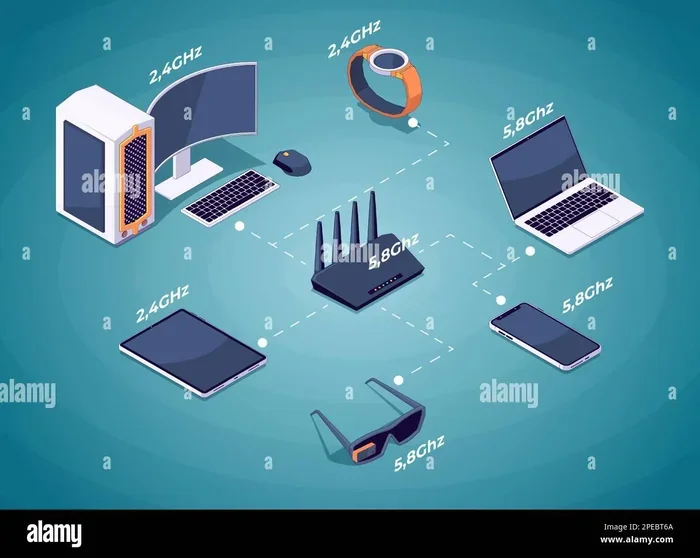
This is one of the most exciting Wi-Fi 7 features. Multi-link operation lets your phone connect to multiple frequency bands at the same time. Instead of bouncing between the 2.4 GHz and 5 GHz bands, your phone can use both simultaneously. This reduces lag and improves overall stability.
For gamers and video callers, this is a game-changer. You get lower latency and fewer dropped connections. The technology is especially useful in environments with lots of wireless interference.
Lower Latency
Wi-Fi 7 cuts latency significantly compared to previous generations. Latency is the time it takes for data to travel from your phone to the router and back. Lower latency means smoother video calls, faster response times in mobile games, and a better overall experience.
Some early benchmarks show Wi-Fi 7 latency dropping to under 2 milliseconds in ideal conditions. That is incredibly fast and opens the door to new use cases like cloud gaming and augmented reality applications.
Better Performance in Crowded Spaces
One of the biggest complaints about wireless networks is performance in crowded areas. Airports, stadiums, and apartment buildings all suffer from network congestion. Wi-Fi 7 handles this much better thanks to advanced modulation techniques and smarter data management.
The technology uses a method called OFDMA (Orthogonal Frequency Division Multiple Access) more efficiently than Wi-Fi 6. It also introduces 4K QAM, which packs more data into each signal. Together, these improvements mean your phone stays fast even when dozens of devices are competing for the same network.
Quick Tips for Understanding Wi-Fi 7 Features
- Wider channels = more bandwidth: Think of it as a bigger pipe for your data.
- Multi-link = more reliability: Your phone uses multiple paths to send and receive data.
- Lower latency = snappier response: Everything feels faster and more immediate.
- Better congestion handling = fewer slowdowns: Your connection stays strong even in busy areas.
Do You Actually Need a Wi-Fi 7 Phone Right Now?
This is the question most people ask, and the honest answer is: it depends. Let us break it down.
When a Wi-Fi 7 Phone Makes Sense
You should consider a Wi-Fi 7 phone if you fall into any of these categories:
- You are a power user: If you stream 4K content, play cloud games, or regularly download large files, the speed gains are noticeable.
- You live in a crowded area: Apartment buildings, dorms, and densely populated neighborhoods benefit greatly from Wi-Fi 7’s congestion handling.
- You want to future-proof your device: Wi-Fi 7 is the current cutting edge. Buying a phone with this support means you are ready for the next several years of network evolution.
- You already own a Wi-Fi 7 router: If you have invested in a Wi-Fi 7 router and modem, pairing it with a compatible phone unlocks the full potential of the technology.
When You Can Wait
On the other hand, there are good reasons to hold off:
- Your current phone works fine: If your Wi-Fi 6 or Wi-Fi 6E phone meets your needs, there is no urgent reason to upgrade.
- Your internet plan is the bottleneck: Most home internet plans do not come close to maxing out Wi-Fi 6 speeds. Upgrading to Wi-Fi 7 will not make your internet faster if your plan caps out at 200 Mbps.
- Wi-Fi 7 routers are still expensive: To get the full benefit, you need a Wi-Fi 7 router. These are still premium-priced and not yet widespread.
- The ecosystem is still young: Many websites, services, and devices have not yet optimized for Wi-Fi 7 speeds. The benefits are more theoretical than practical for most everyday tasks right now.
Common Mistakes People Make When Considering Wi-Fi 7
- Thinking the phone alone is enough: A Wi-Fi 7 phone needs a Wi-Fi 7 router to deliver its full speed. Without a compatible router, you will not see much difference.
- Overestimating real-world speeds: The 46 Gbps theoretical speed is a lab number. Real-world speeds are much lower, typically in the 2-5 Gbps range with current setups.
- Ignoring your internet plan: No matter how fast your phone’s wireless connection is, your internet speed is limited by your service provider’s plan.
- Assuming all Wi-Fi 7 phones are equal: Different chipsets and antenna designs lead to varying levels of Wi-Fi 7 performance. Not all Wi-Fi 7 phones deliver the same experience.
Expert Insight: What Network Engineers Say About Wi-Fi 7 Phones
Industry experts agree that Wi-Fi 7 represents a significant step forward. According to networking professionals, the multi-link operation feature alone sets Wi-Fi 7 apart from all previous generations. It addresses one of the biggest weaknesses of earlier standards: the inability to use multiple frequency bands simultaneously.
Experts also note that Wi-Fi 7 will become increasingly important as more devices enter our homes. Smart TVs, smart speakers, security cameras, and IoT gadgets all compete for bandwidth. Wi-Fi 7 handles this load far more efficiently than Wi-Fi 6.
However, most engineers caution that the average user will not see dramatic improvements for everyday tasks like browsing and social media. The real benefits show up in high-demand scenarios like 8K streaming, large file transfers, and competitive online gaming.
How to Get the Most Out of a Wi-Fi 7 Phone
If you have a Wi-Fi 7 phone or are planning to buy one, here are some practical tips to maximize your experience.
Invest in a Wi-Fi 7 Router
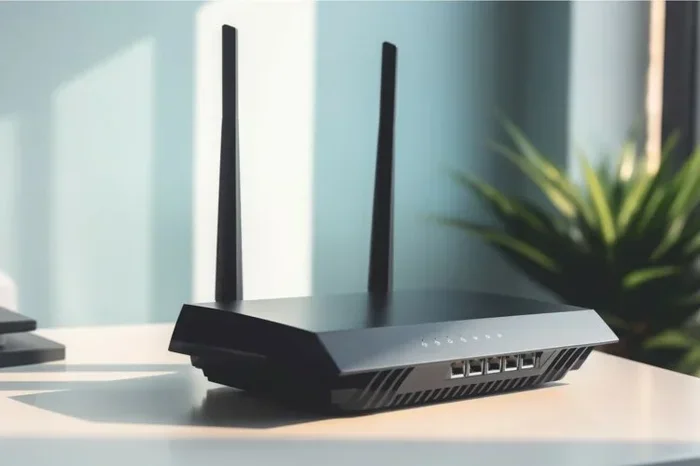
This is the single most important step. A Wi-Fi 7 phone connected to an older router will not deliver Wi-Fi 7 speeds. Look for routers that support the 802.11be standard and offer 320 MHz channel bandwidth. Brands like ASUS, Netgear, and TP-Link have started releasing Wi-Fi 7 routers.
Check Your Internet Plan
Your internet speed is only as fast as your service plan allows. If your plan offers 500 Mbps, a Wi-Fi 7 connection will not suddenly give you 10 Gbps. Consider upgrading your plan if you want to take full advantage of the new technology.
Keep Your Phone Updated
Firmware updates can improve Wi-Fi 7 performance and fix early bugs. Make sure your phone’s software is up to date. Manufacturers often release patches that optimize wireless performance after the initial launch.
Position Your Router Strategically
Even the best technology suffers from poor placement. Keep your router in a central location, away from walls and metal objects. Elevate it if possible. Good placement makes a noticeable difference in any wireless setup, and Wi-Fi 7 is no exception.
Quick Tips for Optimizing Your Wi-Fi 7 Setup
- Use the 6 GHz band when available: It is the least congested and offers the fastest speeds.
- Enable multi-link operation in settings: Check your phone’s wireless settings for options to use multiple bands simultaneously.
- Restart your router regularly: A simple restart can resolve many connectivity issues and keep performance stable.
- Limit the number of connected devices: Even Wi-Fi 7 has limits. Too many devices on one network can slow things down.
The Future of Wi-Fi 7 in Mobile Devices
The adoption of Wi-Fi 7 phones is expected to accelerate rapidly. By 2025, analysts predict that most flagship phones from all major brands will include Wi-Fi 7 support. Mid-range phones are likely to follow within a year or two.
Chipmakers like Qualcomm and MediaTek are already integrating Wi-Fi 7 capabilities into their latest mobile platforms. The Qualcomm Snapdragon 8 Gen 3 and MediaTek Dimensity 9300 both feature native Wi-Fi 7 support. As these chips become more widespread, the price of Wi-Fi 7 phones will come down.
Network carriers are also preparing for the shift. While 5G gets most of the attention, Wi-Fi 7 is quietly becoming the backbone of home and office connectivity. The combination of 5G and Wi-Fi 7 creates a seamless experience where your phone switches effortlessly between cellular and wireless networks.
One of the most exciting developments is the potential for Wi-Fi 7 to enable new applications. Augmented reality, virtual reality, and mixed reality experiences require ultra-low latency and high bandwidth. Wi-Fi 7 makes these experiences more practical on mobile devices than ever before.
Cloud gaming is another area that stands to benefit. Services like Xbox Cloud Gaming and NVIDIA GeForce Now require fast, stable connections. Wi-Fi 7’s low latency and high throughput make it ideal for streaming demanding games to your phone without any noticeable lag.
As the ecosystem matures, we can also expect to see Wi-Fi 7 become a standard feature rather than a premium selling point. Just as Wi-Fi 6 eventually became standard across all price tiers, Wi-Fi 7 will likely follow the same path within a few years.
For now, early adopters and tech enthusiasts are the primary beneficiaries. But within two to three years, Wi-Fi 7 phones will likely be the norm rather than the exception. If you are in the market for a new phone and want to stay ahead of the curve, choosing a Wi-Fi 7 phone today is a smart move.
Final Thoughts on Wi-Fi 7 Phones
The question “Do any phones support Wi-Fi 7?” has a clear and definitive answer: yes, many do. From Samsung’s Galaxy S24 series to OnePlus’s latest flagships and Xiaomi’s premium lineup, Wi-Fi 7 phones are no longer a concept or a rumor. They are available now and ready to use.
However, the decision to buy one should be based on your needs and circumstances. If you already have a fast internet plan and a Wi-Fi 7 router, upgrading to a Wi-Fi 7 phone will give you a tangible improvement in speed and reliability. If you are on an older setup, the benefits may not be immediately noticeable.
The technology represents a meaningful leap forward in wireless connectivity. It brings faster speeds, lower latency, and better performance in crowded environments. These are all things that matter in our increasingly connected world.
Whether you are a gamer, a streamer, a remote worker, or simply someone who values a fast and reliable connection, a Wi-Fi 7 phone is worth considering. The future of mobile connectivity is here, and it is faster than ever.
Take the time to evaluate your current setup, check your internet plan, and decide if a Wi-Fi 7 phone fits your needs. The technology is ready, the devices are available, and the benefits are real. It is an exciting time to be shopping for a new phone.
Frequently Asked Questions
What is Wi-Fi 7, and how is it different from Wi-Fi 6?
Wi-Fi 7, also known as 802.11be, is the latest wireless networking standard. It offers faster speeds, wider channels (up to 320 MHz), and multi-link operation that allows devices to use multiple frequency bands at once. Compared to Wi-Fi 6, Wi-Fi 7 delivers significantly higher throughput and lower latency, making it ideal for demanding tasks like 4K streaming and cloud gaming.
Do all Samsung phones support Wi-Fi 7?
No, not all Samsung phones support Wi-Fi 7. The feature is available on the Galaxy S24 series and select newer flagships. Older models like the Galaxy S23 series may have received Wi-Fi 7 support through software updates in some regions, but it is not universal across the Samsung lineup.
Can I use a Wi-Fi 7 phone with an older router?
Yes, a Wi-Fi 7 phone is backward compatible with older routers. It will connect to Wi-Fi 6, Wi-Fi 5, and earlier networks without any issues. However, to experience the full speed and feature benefits of Wi-Fi 7, you need a Wi-Fi 7 router and a compatible modem from your internet service provider.
Are budget phones going to get Wi-Fi 7 soon?
Most budget phones do not currently support Wi-Fi 7, and it may take another year or two before it becomes common in lower-priced devices. Chipmakers are working to bring Wi-Fi 7 support to more affordable platforms, but for now, it remains a premium feature found mostly in mid-range and flagship phones.
Does a Wi-Fi 7 phone mean faster internet on my data plan?
No. Wi-Fi 7 only affects your wireless connection to your router. Your cellular data speeds depend on your carrier’s network, your data plan, and signal strength. Wi-Fi 7 and cellular data are separate technologies, so upgrading to a Wi-Fi 7 phone will not make your mobile data faster.
Is Wi-Fi 7 worth it for everyday phone use like social media and browsing?
For everyday tasks like scrolling social media, browsing the web, and sending messages, Wi-Fi 7 offers minimal noticeable improvement over Wi-Fi 6. The real benefits show up in high-demand scenarios like streaming 4K video, video conferencing, cloud gaming, and downloading large files. If your current phone works well for these tasks, you may not need to upgrade solely for Wi-Fi 7.