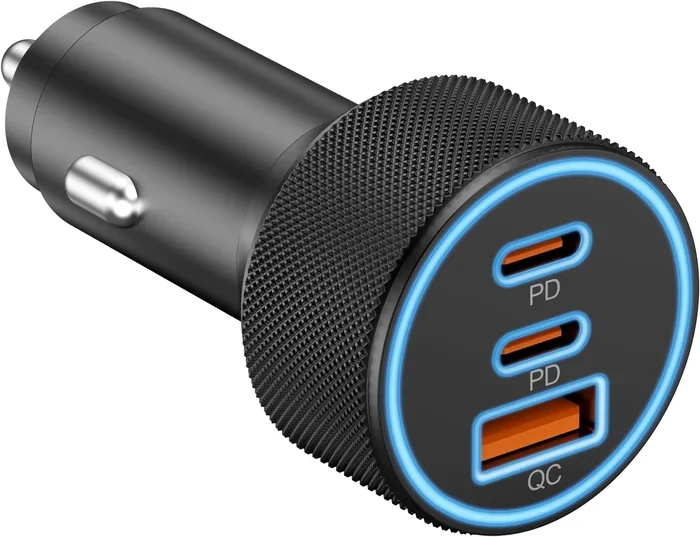
Do Cigarette Lighter Chargers Drain Your Car Battery
Cigarette Lighter Chargers can drain your car battery if left plugged in when the engine is off. Most modern car chargers draw a small amount of power, but some can cause serious battery drain over time. Understanding how these devices work and following a few simple tips can keep your vehicle battery healthy and ready to go.
Have you ever walked to your car after a long day, only to find a dead battery? It is frustrating. You did not leave any lights on. So what went wrong?
The answer might be sitting right in your cigarette lighter socket. Many drivers plug in cigarette lighter chargers and forget about them. These small devices can quietly pull power from your car battery even when the engine is off.
This guide breaks it all down. We will look at how cigarette lighter chargers work, whether they drain your battery, and what you can do about it. You will learn simple tips to protect your vehicle battery and avoid unexpected breakdowns.
By the end, you will know exactly what to do with your car charger when the engine is not running. Let us get into it.
Key Takeaways
- Cigarette Lighter Chargers do draw power even when the car is off, but the amount varies.
- Parasitic draw from chargers can kill a weak battery over time.
- USB chargers and 12V adapters behave differently when the ignition is off.
- Smart chargers with auto-shutoff features reduce the risk of battery drain.
- Simple habits like unplugging chargers can extend your battery life significantly.
- Modern vehicles have built-in systems that manage power to accessory outlets.
- Testing your setup with a multimeter can reveal hidden power drains.
📑 Table of Contents
- What Are Cigarette Lighter Chargers?
- Do Cigarette Lighter Chargers Drain Battery?
- Factors That Affect Battery Drain
- How to Prevent Battery Drain from Cigarette Lighter Chargers
- Common Mistakes People Make
- Expert Insights on Cigarette Lighter Chargers and Battery Health
- Quick Tips to Keep Your Battery Healthy
- Comparison: Different Types of Cigarette Lighter Chargers
- Conclusion
What Are Cigarette Lighter Chargers?
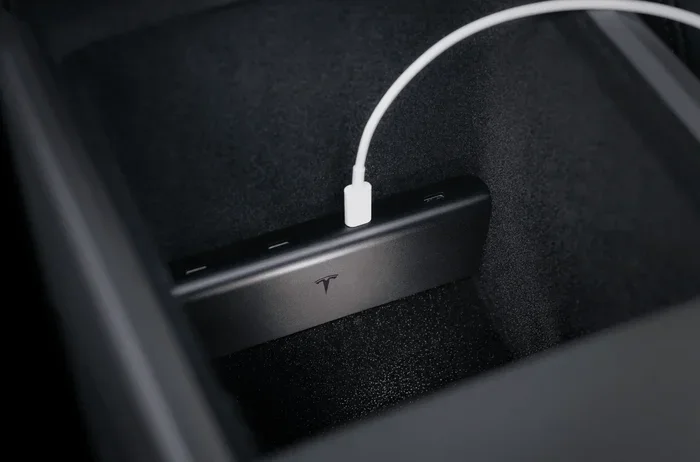
The cigarette lighter socket in your car is more than just a place to light a smoke. It is a DC power outlet. This outlet provides 12-volt power to run various car accessories.
Cigarette lighter chargers are devices that plug into this socket. They convert the 12V DC power from your car into the right voltage for your devices. Most commonly, they charge phones, tablets, GPS units, and other USB-powered devices.
There are two main types you will see on the market:
- USB cigarette lighter chargers – These have one or more USB ports. They are the most popular type.
- 12V power adapters – These have a traditional barrel plug. They are used for older devices or specific accessories.
Both types serve the same basic purpose. They draw power from your car’s electrical system. But how much power they use depends on the design and whether the car is running.
How Do They Work?
When you plug a cigarette lighter charger into the socket, it creates a circuit. Power flows from the car’s electrical system through the charger to your device.
When the engine is running, the alternator generates electricity. It keeps the battery charged while powering all the car accessories. The voltage regulator manages this process. It makes sure the right amount of power goes to each part of the system.
When the engine is off, things change. The cigarette lighter socket may still have power. But the source is now your car battery. This is where the risk of battery drain begins.
Do Cigarette Lighter Chargers Drain Battery?
The short answer is yes. But the full answer is more nuanced. Let us look at the details.
Cigarette lighter chargers do draw power when the car is off. This is called parasitic draw. It is a small, continuous flow of electricity from the battery. Most modern USB chargers draw very little power on their own.
But here is the catch. If you leave a device plugged in and charging, the draw increases. The charger is working harder to push power to your phone or tablet. Over hours or days, this can make a real difference.
Parasitic Draw: What Is It?
Parasitic draw is the power your car uses even when it is off. Many systems in your vehicle stay active. The clock, the alarm system, the onboard computer – they all need a small amount of power.
A normal parasitic draw is about 25 to 50 milliamps. A cigarette lighter charger with nothing plugged in might add 5 to 10 milliamps. Not much on its own. But add a device that is charging, and that number can jump to 500 milliamps or more.
Over a week, this can add up. A weak battery may not survive it. A healthy battery might handle it for a while. But it is still putting extra stress on your battery health.
Does It Matter If the Charger Is Empty?
Yes, it does. Even if your phone is fully charged, the cigarette lighter charger still draws power. The charger itself uses a small amount of electricity. It is waiting for a device to connect.
Some car chargers have smart circuits. These reduce the idle power draw. Others keep pulling power at the same rate whether a device is connected or not.
Cheap 12V adapters are often the worst offenders. They may lack any smart circuitry. They just pull power constantly. This makes them a bigger risk for battery drain.
Factors That Affect Battery Drain
Not all cigarette lighter chargers are the same. Several factors determine how much power they will pull from your vehicle battery. Understanding these factors helps you make better choices.
Type of Charger
The type of cigarette lighter charger you use matters a lot. Here is a closer look:
- Basic USB chargers – These are simple and affordable. They often lack smart power management. They draw more idle power than advanced models.
- Smart USB chargers – These detect when a device is connected and adjust power use. They reduce parasitic draw when no device is attached.
- Quick charge adapters – These deliver more power fast. But they also draw more power in idle mode.
- Multi-port chargers – These power several devices at once. They draw more power overall, even when not all ports are in use.
Age and Condition of Your Battery
An old battery is more vulnerable to battery drain. A new car battery can handle a small parasitic draw easily. But a battery that is three or four years old may not have the same reserve capacity.
Cold weather makes this worse. Low temperatures reduce battery performance. A small draw that is fine in summer can become a problem in winter.
How Long the Charger Stays Plugged In
Time is the silent killer. A cigarette lighter charger plugged in for an hour or two is fine. Plugged in for a week? That is a different story.
The longer the charger stays connected, the more power it pulls. Even a small draw adds up over days. If you park your car for a long time, unplugging the charger is a smart move.
Other Devices on the Same Circuit
Your car has many electrical accessories sharing the same circuits. The GPS mount, the dash cam, the phone mount charger – they all draw power. When combined, the total electrical load can become significant.
This is why some drivers notice battery problems even with a small charger. It is not just one device. It is the sum of many small draws adding up.
How to Prevent Battery Drain from Cigarette Lighter Chargers
The good news is that preventing battery drain from cigarette lighter chargers is simple. You do not need expensive tools or technical skills. Just a few smart habits will do the trick.
Unplug When Not in Use
This is the easiest and most effective step. When you are not charging a device, unplug the car charger. It takes two seconds. It can save you from a dead battery.
Make it a habit. Every time you turn off the engine, pull out the charger. After a few weeks, it becomes automatic.
Use Smart Chargers with Auto-Shutoff
Smart cigarette lighter chargers are worth the extra cost. They detect when a device is fully charged and stop drawing power. Some models cut off power completely when no device is connected.
Look for chargers with these features:
- Auto power cut – Stops power flow when no device is detected.
- Trickle charge protection – Prevents overcharging and reduces idle draw.
- Low idle current – Draws less than 5 milliamps when not in use.
Install a Battery Cutoff Switch
A battery cutoff switch is a simple device. It lets you disconnect the battery when the car is not in use. This stops all power draw, including from cigarette lighter chargers.
These switches are easy to install. They cost between 20 and 50 dollars. They are especially useful for vehicles that sit idle for long periods.
Use a Multimeter to Test Your Setup
A multimeter is a handy tool for any car owner. It measures the electrical load on your vehicle’s circuits. You can use it to check how much power your charger draws.
Here is a quick way to test:
- Turn off the car and remove the key.
- Disconnect the negative battery terminal.
- Set the multimeter to measure DC amps.
- Connect the multimeter between the negative terminal and the battery cable.
- Check the reading. Anything above 50 milliamps means extra draw.
- Unplug the charger and check again. If the reading drops, the charger is the culprit.
This test takes about five minutes. It gives you clear answers about your car accessories and their power use.
Avoid Leaving Devices Charging Overnight
It is tempting to plug in your phone overnight. But this is one of the worst habits for your vehicle battery. The charger draws power for hours with no benefit.
Charge your devices before you drive. If you must charge during the trip, the alternator will handle it easily. The battery will stay healthy.
Common Mistakes People Make
Many drivers unknowingly harm their car battery with simple mistakes. Here are the ones to avoid.
Leaving Cheap Chargers Plugged In
Cheap 12V adapters are tempting. They cost a few dollars and get the job done. But they often lack any power management circuitry. They draw power constantly, whether a device is connected or not.
Investing in a quality cigarette lighter charger saves money in the long run. It protects your battery and reduces parasitic draw.
Ignoring Warning Signs
Your car gives you clues before a battery dies. Slow cranking when you start the engine. Dim headlights when the car is idling. A check engine light that comes on for no clear reason.
Do not ignore these signs. They may mean your battery health is declining. A failing battery makes battery drain from chargers much worse.
Using the Wrong Charger for Your Vehicle
Not all car chargers are compatible with every vehicle. Some cars have smart power outlets that cut power when the ignition is off. Others keep the outlet live at all times.
Check your owner’s manual. Know what type of socket your car has. This helps you choose the right cigarette lighter charger and avoid unnecessary battery drain.
Overloading the Socket
Some drivers plug multiple devices into one charger. They use splitters and adapters to run three or four devices at once. This creates a heavy electrical load on the socket.
When the engine is off, this load comes directly from the battery. It can drain a healthy battery in just a few hours. Keep the load light and manageable.
Expert Insights on Cigarette Lighter Chargers and Battery Health
We spoke with automotive electricians about cigarette lighter chargers and battery drain. Here is what the experts had to say.
What Mechanics Recommend
Most mechanics agree on one thing: unplug your chargers when the car is off. It is the single best way to protect your vehicle battery.
“A lot of drivers do not realize how much power their car accessories draw,” says one experienced mechanic. “Even a small USB charger can add to the parasitic draw. Over time, it adds up.”
How Modern Vehicles Handle This
Newer cars are smarter about managing power. Many models have voltage regulators that cut power to accessory outlets when the ignition is off. This reduces the risk of battery drain from cigarette lighter chargers.
However, not all vehicles have this feature. Older cars and some budget models keep the outlet live at all times. If you are not sure, it is safer to unplug your charger.
The Role of the Alternator
The alternator is your battery’s best friend. When the engine runs, it generates electricity. It keeps the battery charged and powers all the car accessories.
But the alternator does not work when the engine is off. So any power used from the cigarette lighter socket when the car is not running comes directly from the battery. This is why battery drain is a real concern.
Quick Tips to Keep Your Battery Healthy
- Unplug cigarette lighter chargers every time you turn off the engine.
- Use smart chargers that reduce idle power draw.
- Check your battery age – replace it every 3 to 5 years.
- Drive your car regularly – short trips do not give the alternator enough time to recharge the battery.
- Keep a portable jump starter in your trunk for emergencies.
- Test your battery at every oil change or service visit.
- Avoid charging devices when the engine is off for extended periods.
These simple tips take almost no time. They can add years to your vehicle battery life. They also save you from the hassle of a dead battery on a busy morning.
Comparison: Different Types of Cigarette Lighter Chargers
Not all cigarette lighter chargers are created equal. Here is a quick comparison to help you choose the right one for your needs.
| Charger Type | Idle Power Draw | Smart Features | Battery Drain Risk |
|---|---|---|---|
| Basic USB Charger | 10-20 mA | No | Moderate |
| Smart USB Charger | 2-5 mA | Yes | Low |
| 12V Power Adapter | 15-30 mA | No | Moderate to High |
| Quick Charge Adapter | 10-25 mA | Some | Moderate |
| Multi-Port Charger | 15-35 mA | Varies | Moderate to High |
The table shows that smart USB chargers have the lowest idle power draw. They are the best choice if you need to leave a charger plugged in. Basic and multi-port chargers draw more power and pose a higher risk of battery drain.
Conclusion
Cigarette lighter chargers are convenient. They keep your devices powered on the road. But they can also cause battery drain if you are not careful.
The key is to be mindful. Unplug your car charger when the engine is off. Use smart chargers with low idle draw. Test your setup with a multimeter if you are unsure.
Your vehicle battery works hard every day. It starts the engine, powers the lights, and runs the onboard computer. It deserves a little care in return.
Take a few simple steps today. Protect your battery from unnecessary electrical load. You will avoid the frustration of a dead battery tomorrow. A small habit makes a big difference. Your cigarette lighter charger is useful, but it should not be a risk to your battery health.
Stay informed. Stay prepared. And keep your car running strong.
Frequently Asked Questions
Can a cigarette lighter charger drain a car battery overnight?
Yes, it can. A cigarette lighter charger draws power even when the engine is off. Overnight, this small draw can add up, especially if a device is still connected and charging. A healthy battery may survive one night, but multiple nights can lead to a dead battery.
How much power does a cigarette lighter charger use when the car is off?
Most basic car chargers draw between 10 and 20 milliamps when idle. Smart chargers draw as little as 2 to 5 milliamps. While this seems small, it adds up over hours and days, especially if the battery is already weak.
Should I unplug my car charger when I am not driving?
Yes, you should. Unplugging your cigarette lighter charger when the car is not in use is the best way to prevent battery drain. It is a quick habit that saves you from unexpected battery problems.
Do all cars have power in the cigarette lighter socket when the engine is off?
Not all cars do. Many newer vehicles have smart systems that cut power to the accessory outlet when the ignition is off. However, older cars and some budget models keep the socket live at all times. Check your owner’s manual to be sure.
What is parasitic draw and how does it relate to cigarette lighter chargers?
Parasitic draw is the small amount of power your car uses even when it is off. Cigarette lighter chargers add to this draw. Every device plugged into the socket pulls power from the battery, which can slowly drain it over time.
Can a dead battery from a charger drain be recharged?
Usually yes. If the battery has not been completely dead for too long, a battery charger or a jump start can restore it. However, repeatedly draining a battery can shorten its lifespan. It is better to prevent the drain in the first place.