Do Homemade Cell Phone Signal Boosters Really Work
Do homemade cell phone signal boosters really work? The short answer is no for true signal boosting, but yes for minor tweaks. These DIY projects often fail to amplify your cell signal like commercial signal repeaters do. You might fix a weak cell signal caused by your phone case or software, but you cannot create signal from thin air. Understanding this prevents wasted time and frustration.
Have you ever been in a cell dead zone and wished you could just whip up a quick fix? We have all been there. You are trying to make an important call, and your phone shows no mobile coverage at all. It is super frustrating when you need to stay connected. Many people turn to the internet for a fast solution. They search for homemade cell phone signal boosters hoping to solve their wireless connectivity issues. The idea of building your own device is very appealing. It sounds like a fun weekend project that could save you money. But do these DIY hacks actually work? The truth is, most of them do not do what they promise. You cannot just build a device that pulls cell signal out of thin air. However, some simple fixes can improve your data speeds and stop those annoying drop calls. Let us dive deep into the world of DIY cell phone signal tricks. We will look at what works, what does not, and why buying a proper signal repeater is usually the better choice.
You see them everywhere online. People promise miracle fixes for your phone. They say you can build a homemade cell phone signal booster in your kitchen. They use things like aluminum foil, copper wire, and even pop cans. The videos look amazing. The person in the video goes from zero bars to full bars in seconds. It is very tempting to try. After all, who does not want better cell signal strength for free? We all hate dropped calls. We all hate slow data speeds. We all get angry when we are in a cell dead zone. The internet offers quick solutions. But do these quick solutions actually work? That is the big question we need to answer today. Let us dig into the truth about DIY cell phone signal tricks.
Key Takeaways
- No Magic Amplification: Homemade setups cannot boost cell signal from nothing.
- Software Fixes Work: Sometimes the issue is your phone, not the tower.
- Legal Risks Exist: DIY RF amplifiers can violate FCC rules.
- Better Alternatives: Store-bought signal repeaters are safer and effective.
- Identify the Problem: Know if you have a cell dead zone or a phone issue.
📑 Table of Contents
What Are Homemade Cell Phone Signal Boosters?
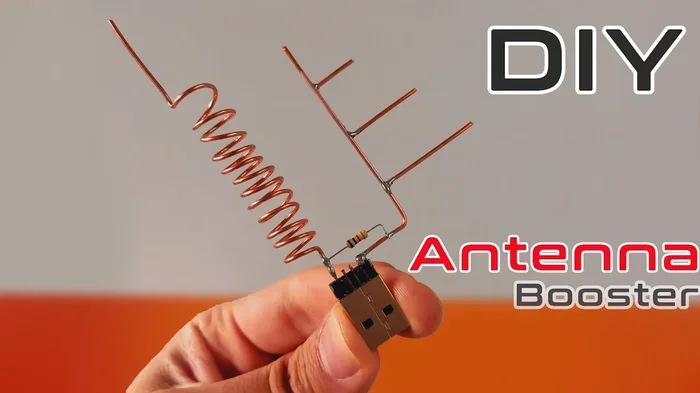
When people talk about homemade cell phone signal boosters, they mean DIY projects that claim to amplify your cell signal. These projects often use everyday household items. You might see someone use aluminum foil, a soda can, or copper wire. The goal is to create a DIY antenna that catches more signal. Some people even build their own RF amplifier using cheap electronic parts. The internet is full of viral videos showing these hacks. They promise to turn your phone into a signal magnet. The promise is very tempting when you are stuck with a weak cell signal. You just want to watch your favorite show or make a call without interruptions.
The DIY Promise
The idea behind these homemade projects is simple. People think they can bend the rules of physics. They believe a few wires and a piece of metal can boost their cell signal strength. They think this will help them handle network congestion better. The DIY promise says you can get full bars without paying for expensive equipment. It sounds like a great life hack. You can build it in ten minutes with stuff from your kitchen. But does it actually deliver on these promises? Let us look closer at what these projects really do.
The Viral Video Trend
Many of these hacks start with a viral video. Someone shows a cool trick. They wrap their phone in foil. They attach a bent wire to the back. They claim the signal goes from one bar to five bars. The video gets millions of views. People try it at home. But the results are never the same. The video might have been filmed in a spot with a strong signal already. Or the person might have just turned on airplane mode and turned it back off. The video makes it look like the foil did the work. It is a trick of the mind. You want to believe it will work for you too.
The Reality of DIY Signal Tricks
The reality is very different from the viral videos. A true signal booster needs an outdoor antenna, an indoor antenna, and a powered amplifier. Homemade versions usually miss one or more of these parts. Without the right carrier frequency tuning, your DIY project just becomes a paperweight. Worse, it might cause signal interference with your own phone or your neighbors’ devices. You might think you are boosting your mobile coverage, but you are actually just reflecting the same weak signal around. It is like trying to fill a bathtub with the drain open. You might move the water around, but you are not adding any new water. Your homemade cell phone signal boosters cannot create energy. They can only use what is already there.
Quick Tips
- Do not trust viral videos that promise free signal.
- Real boosters need three main parts to work.
- DIY projects usually just move the existing signal around.
Why Homemade Boosters Usually Fail
There is a big difference between receiving a signal and amplifying it. Your phone already has a built-in antenna. It works hard every day to catch electromagnetic waves from far away cell towers. When you wrap your phone in foil or attach a wire, you are not adding power. You are just changing how the antenna interacts with the air. This rarely makes the signal stronger. In fact, it can often make it worse.
The Physics of Cell Signals
Cell signals travel as electromagnetic waves from towers miles away. Your phone is designed to catch these waves. When you build a homemade device, you are trying to bend these rules. You cannot just reflect a weak cell signal to make it stronger. It is like trying to make a faint radio station louder by waving a wire around. The cell tower output is fixed, and your phone’s receiver has limits. You need real power to boost that signal. A homemade project does not have the power or the engineering to do this job. The laws of physics are very strict. You cannot cheat them with a piece of foil.
The Myth of the Soda Can Antenna
You have probably seen the viral video of the soda can antenna. It looks cool, but it does not boost your signal. At best, it might slightly direct your phone’s existing antenna. It does not amplify the signal. If your mobile coverage is completely blocked by a mountain or thick walls, a soda can will not help. You need real hardware to overcome a cell dead zone. The soda can trick might help you get one extra bar if you are already on the edge of coverage. But it will not turn zero bars into five bars. It is a very small trick for a very small problem.
Common Mistakes People Make
Many people make the same mistakes when trying DIY fixes. First, they confuse signal direction with signal strength. A homemade antenna might point your phone in a better direction. But it does not make the signal itself stronger. Second, people ignore the law. They do not realize that boosting signal without a license is illegal. Third, they forget about signal interference. A poorly built DIY device can actually block your phone’s own antenna. This makes your wireless connectivity worse than before you started. Always check your smartphone settings before you start building anything.
Expert Insights
According to wireless engineers, homemade cell phone signal boosters are mostly a myth. They explain that boost cellular reception requires precise engineering. The carrier frequency must match your local tower exactly. A homemade device cannot adjust to these frequencies. They also warn that DIY RF amplifiers can damage your phone’s internal antenna. If you want better signal, stick to proven methods instead of guessing with wires and foil.
What You Can Actually Fix at Home
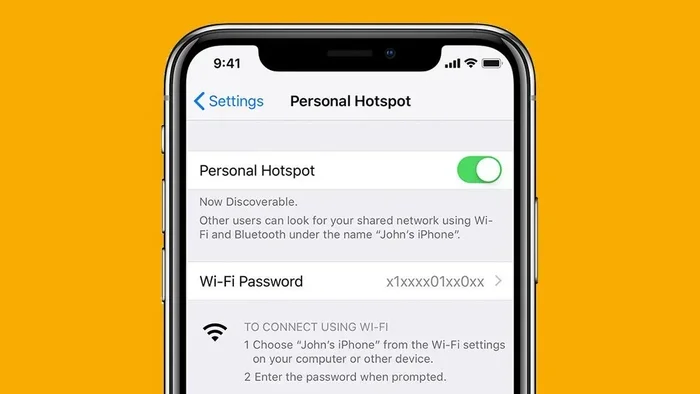
Before you build anything, check your phone’s software. Sometimes the problem is not the tower. It is your device. A simple restart can clear up network congestion. You can also toggle airplane mode to force your phone to reconnect to a better tower. These steps cost nothing and take seconds. They often feel like magic, but they are just basic troubleshooting. You can also check your smartphone settings to see if anything is blocking your signal.
Sometimes your phone is the problem, not the tower. Your device has a lot of settings that can hurt your signal. You might have turned on a feature that hurts your wireless connectivity. You might have a setting that saves battery by limiting signal power. You need to check these things first. It is much easier than building a DIY antenna. You can fix many problems right now. You do not need any tools. You just need to know where to look.
Removing Signal Killers
What is blocking your cell signal right now? A thick phone case can act like a Faraday cage. A Faraday cage blocks electromagnetic waves. Remove your case and see if your data speeds improve. Also, check your phone’s battery. A low battery makes it harder for your phone to hunt for a cell tower. Keep your phone charged, and you might see a big difference in wireless connectivity. Even your phone’s battery saver mode can limit how hard the phone searches for signal. Turn it off if you need better reception. These small changes are free and they really work.
Software Tweaks That Work
You can do several things in your smartphone settings to improve your cell signal. First, turn on Wi-Fi calling. This uses your internet to make calls instead of the cell tower. Second, update your phone’s Preferred Roaming List (PRL). This helps your phone connect to the best towers. Third, toggle airplane mode on and off. This forces your phone to find the strongest available signal. Fourth, reset your network settings. This clears out old connection data. These small changes can stop drop calls and speed up your data speeds. They are much easier than building a DIY antenna. They also cost you nothing but a few minutes of your time.
Quick Tips
- Turn on Wi-Fi calling to use your internet for calls.
- Remove your phone case to reduce signal blocking.
- Toggle airplane mode to force a fresh tower connection.
- Keep your phone battery charged for better signal hunting.
- Reset your network settings to clear old data.
The Legal Risks of DIY Signal Boosters
Did you know that boosting cell signals without a license is illegal in many places? The FCC strictly regulates RF amplifiers. If you build a homemade device that boosts signal power, you could face huge fines. It is not worth the risk just to get one extra bar. These rules exist to prevent your DIY gadget from interfering with emergency calls and public networks. The airwaves belong to everyone, and the FCC makes sure they stay clear and safe.
FCC Regulations and Fines
The Federal Communications Commission (FCC) sets strict limits on signal strength. Any device that boosts cell signal must be certified. Certified devices are tested to make sure they do not cause signal interference. If you build a homemade RF amplifier, you are breaking the law. The FCC can fine you thousands of dollars. They can also seize your equipment. No DIY project is worth a fine that big. The rules are there to protect everyone. They make sure your wireless connectivity does not harm the wider network.
Interference with Emergency Services
When you mess with cell tower frequencies, you can cause signal interference. This interference can block 911 calls. It can also disrupt the service of everyone around you. Even if you think your homemade cell phone signal boosters are harmless, they might not be. Your DIY device might overpower the local tower. This can make it harder for your neighbors to make calls. Protect yourself and your community by sticking to legal solutions. Always check with your carrier before trying any signal hack. It is better to be safe than sorry.
Commercial Signal Boosters vs. DIY Hacks
So what is the real difference between a DIY hack and a store-bought signal repeater? A real signal booster is a completely different beast. It has an outdoor antenna that catches the weak cell signal. It sends this signal to an amplifier inside your home. The amplifier boosts the signal and sends it to an indoor antenna. This whole system requires power and proper tuning to the carrier frequency. It is an engineered solution for a real problem.
How Real Signal Repeaters Work
A commercial signal repeater works in three steps. First, the outdoor antenna grabs the weak cell signal from the cell tower. Second, the amplifier boosts this signal using electricity. Third, the indoor antenna broadcasts the strong signal inside your home. This process requires careful tuning to the carrier frequency. It also needs to avoid causing signal interference. Real boosters are designed to follow FCC rules. They give you boost cellular reception safely and legally. They also come with warranties. If something goes wrong, you have support to help you.
Cost vs. Benefit Comparison
Let us look at the cost of fixing your mobile coverage and cell signal strength. There is a big difference between DIY hacks and commercial products.
| Method | Cost | Success Rate | Risk Level |
|---|---|---|---|
| DIY Hacks | Free to a few dollars | Very Low | High (Legal and Interference) |
| Commercial Boosters | $200 to $1000 | High | Low (Legal and Safe) |
The comparison is clear. Spending a few hundred dollars on a certified signal booster saves you from frustration. It also keeps you on the right side of the law. You get reliable data speeds and fewer drop calls. A homemade project just gives you a pile of scrap metal and a lot of disappointment. The choice is easy when you look at the facts.
Quick Tips for Buying a Booster
- Check if your carrier sells their own signal boosters.
- Make sure the booster is FCC certified.
- Choose a booster that matches your carrier frequency.
- Look for boosters with good reviews for boost cellular reception.
Quick Tips to Improve Your Cell Signal
You do not need a homemade cell phone signal booster to get better reception. Try these quick tips first. They cost nothing and take just a few minutes. You might be surprised by how much better your wireless connectivity gets.
- Remove your phone case to reduce signal interference.
- Turn on Wi-Fi calling to use your internet instead of the cell tower.
- Check your mobile coverage map to see if your home is in a cell dead zone.
- Keep your phone software updated for the best wireless connectivity.
- Restart your phone regularly to clear network caches.
- Move near a window to get closer to the cell tower.
- Turn off battery saver mode so your phone can hunt for signal harder.
- Use a signal meter app to find the best spot in your home.
- Check for network outages in your area before you troubleshoot.
When to Call a Professional
If these tips do not work, you might have a real coverage problem. In this case, it is time to call a professional. They can install a proper signal repeater or suggest a femtocell. A femtocell uses your home internet to create a mini cell tower inside your house. This is the best way to solve severe weak cell signal issues. It turns your broadband internet into reliable mobile coverage. You will never have to worry about drop calls again. A professional can also check your home for signal blocking materials. Thick concrete walls and metal roofs can block your cell signal strength. They know how to work around these problems.
Conclusion
So, do homemade cell phone signal boosters really work? The answer is mostly no. You cannot build a device that magically creates cell signal from nothing. Most DIY hacks are based on myths and misunderstandings of how electromagnetic waves work. While you can tweak your phone’s settings to improve data speeds, you need real hardware for true boosting. A soda can or a coil of wire is not going to overcome a cell dead zone. Save yourself the time, money, and legal trouble. Stick to proven methods like Wi-Fi calling or buying a certified signal booster. Your phone—and your wallet—will thank you. Focus on the things you can control, like your smartphone settings and your physical environment. You will get much better results than any DIY project could ever promise.
Remember, your phone is a complex machine. It talks to cell towers miles away. It uses electromagnetic waves to send and receive data. You cannot cheat physics with a piece of foil. But you can work with your phone. You can use its built-in features to get the best signal possible. Turn on Wi-Fi calling. Keep your phone updated. Remove things that block the signal. These steps will give you the best cell signal strength you can get. They are safe, legal, and they really work. Do not fall for the hype of homemade cell phone signal boosters. Stick to the facts. Use the tips in this guide. You will have a much better phone experience. You will make fewer drop calls. Your data speeds will be faster. You will finally get the mobile coverage you need. It is time to stop searching for magic tricks. It is time to use real solutions.
Frequently Asked Questions
Can I really build a working cell signal booster at home?
No, building a working cell signal booster at home is not possible with simple household items. True signal boosting requires specialized hardware, outdoor antennas, and licensed amplifiers. DIY projects might slightly adjust your phone’s reception, but they cannot create new cell signal from nothing.
Why do homemade signal boosters not work?
Homemade boosters fail because they lack the core components of a real signal repeater. They cannot amplify electromagnetic waves without a powered amplifier. Additionally, without proper tuning to the carrier frequency, homemade devices just act as passive objects that do nothing to boost your mobile coverage.
Are homemade cell phone signal boosters illegal?
Yes, using unlicensed RF amplifiers to boost cell signals is illegal in many countries. The FCC regulates signal strength to prevent signal interference with emergency networks. If your DIY device boosts signal too much, you could face heavy fines and disrupt wireless connectivity for others.
What is the best alternative to a homemade booster?
The best alternative is a certified commercial signal booster or a femtocell. A commercial booster safely amplifies existing cell signal from a nearby tower. A femtocell uses your home Wi-Fi to create a mini cell tower, giving you reliable data speeds and clear calls indoors.
Will removing my phone case improve my signal?
Yes, removing your phone case can sometimes improve your signal. Thick cases, especially those with metal or magnetic closures, can act like a Faraday cage. This blocks electromagnetic waves from reaching your phone’s antenna, leading to a weaker cell signal and slower data speeds.
How can I find out if I live in a cell dead zone?
You can check your mobile coverage map online using your carrier’s website. Enter your address to see the predicted network congestion and signal strength in your area. If the map shows weak coverage, you likely live in a cell dead zone that requires a proper solution.