Can A Cell Phone Detect A Trail Camera In The Wild
Yes, a cell phone can sometimes detect a trail camera through infrared sensors, wireless signals, or specific apps designed for trail camera detection. Understanding how trail cameras communicate and what makes them visible helps hunters, wildlife enthusiasts, and property owners protect their wildlife camera setups. This guide covers detection methods, common mistakes, and practical tips to keep your game camera hidden from prying eyes.
Have you ever wondered whether someone could use a cell phone to find your trail camera hidden deep in the woods? Maybe you are a hunter who has spent hours setting up the perfect trail camera spot. Or perhaps you are a wildlife photographer worried about thieves finding your expensive wildlife camera. Either way, the question “can a cell phone detect a trail camera” comes up more often than you might think.
The short answer is yes. Under the right conditions, a cell phone can pick up the signals, lights, and even the heat signature of a trail camera. But how exactly does this work? And more importantly, what can you do to prevent it? In this article, we will walk through everything you need to know about trail camera detection using a cell phone. We will cover the science behind it, the tools available, and practical steps you can take to keep your game camera safe and hidden.
Key Takeaways
- Cell phones can detect trail cameras using built-in IR sensors, WiFi scanning, and third-party apps designed for camera detection.
- Infrared flash trail cameras emit a faint glow that some phone cameras can pick up, especially in complete darkness.
- Cellular trail cameras broadcast wireless signals that a phone can sometimes intercept or sense nearby.
- Trail camera detection apps like SpyFinder and Hidden Camera Detector offer reliable ways to scan for hidden cameras.
- Proper placement and infrared filter use significantly reduce the chances of your trail camera being detected.
- Understanding trail camera frequencies helps you choose models that are harder to detect with standard phones.
- Regularly checking your trail camera for signs of tampering keeps your wildlife monitoring efforts effective.
📑 Table of Contents
- How Trail Cameras Work and Why They Can Be Detected
- Methods a Cell Phone Uses to Detect Trail Cameras
- Can You Detect Different Types of Trail Cameras With a Phone?
- How to Protect Your Trail Camera From Being Detected
- Quick Tips for Detecting and Hiding Trail Cameras
- Common Mistakes People Make With Trail Camera Detection
- Expert Insights on Trail Camera Detection Technology
- Key Takeaways
- Conclusion
How Trail Cameras Work and Why They Can Be Detected
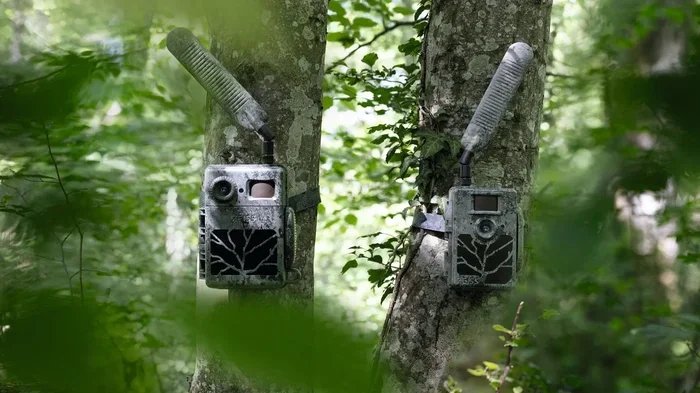
Before we dive into detection methods, it helps to understand what a trail camera actually does. A trail camera, also called a game camera, is a rugged, weatherproof device that captures photos or videos of wildlife. Most models use a motion sensor to trigger the camera when an animal walks by. When the sensor activates, the camera takes a shot or starts recording.
Here is the key part. Many trail cameras use infrared flash to capture images at night without startling animals. This invisible flash works great for wildlife. But it also creates a signal or glow that certain devices can pick up. Cellular trail cameras go a step further by sending images over a mobile network. That wireless transmission can also be detected under the right circumstances.
The Role of Infrared Technology
Most trail cameras rely on infrared technology for nighttime photography. The camera emits a burst of infrared light when it detects motion in the dark. This light is invisible to the human eye. But phone cameras are not always so lucky. Many smartphone cameras can see a portion of the infrared spectrum. That means when a trail camera fires its flash at night, your phone might catch a faint purple or white glow.
This is why some hunters report seeing a strange light in the woods at night. They might not know what it is at first. But once they point their phone camera in that direction, the infrared trail camera reveals itself. This is one of the simplest and most common ways a cell phone detect trail camera scenario plays out in real life.
Wireless Signals and Cellular Transmission
Cellular trail cameras have become increasingly popular. These cameras send photos directly to your phone or email using a cellular network. They need a SIM card and a data plan to work. But here is the catch. That wireless transmission means the camera is constantly communicating with cell towers. A nearby phone can sometimes pick up on that signal.
Now, a standard phone will not show you a list of nearby trail cameras. But specialized apps and tools can scan for wireless signals in the area. If your trail camera wireless signal overlaps with a phone scanning for devices, there is a chance of detection. This is especially true in areas with low cell traffic where an unusual signal stands out.
Methods a Cell Phone Uses to Detect Trail Cameras
So how exactly does a cell phone detect a trail camera? There are several methods, and each one works differently depending on the type of trail camera you are dealing with. Let us break them down one by one.
Built-In Infrared Sensors on Phones
Most modern smartphones come equipped with infrared sensors. These sensors are usually used for facial recognition or ambient light detection. But they can also pick up infrared light emissions from trail cameras. When a wildlife camera fires its infrared flash, the sensor on your phone may register it as a visible light source.
This method works best in complete darkness. If you walk through the woods at night with your phone camera active, you might spot a faint glow coming from a hidden trail camera. The phone camera itself acts as the detection tool. No special app is needed for this basic method.
WiFi and Bluetooth Scanning
Some modern trail cameras connect via WiFi or Bluetooth. These wireless connections allow you to view images on your phone without needing a cellular plan. But they also create a detectable signal. A phone with WiFi scanning capabilities can pick up on these connections.
Apps that scan for nearby WiFi networks or Bluetooth devices can sometimes flag a trail camera WiFi detection event. This is more common with smart trail cameras that stream live feeds or send instant notifications. The signal is weak, but it exists. And in a quiet forest, even a faint signal can stand out.
Dedicated Trail Camera Detection Apps
The most reliable way to use a phone for trail camera detection is through dedicated apps. These apps are designed specifically to find hidden cameras, including game cameras and trail cameras. They work by scanning for radio frequencies, detecting infrared light, or analyzing magnetic fields.
Some popular options include apps like SpyFinder, Hidden Camera Detector, and Camera Detector. These apps use your phone’s hardware and software together to scan for hidden devices. They are not foolproof, but they give you a solid advantage when checking an area for hidden trail cameras.
Magnetic Field Detection
Advanced detection apps can also use your phone’s magnetometer to detect the magnetic field of a trail camera. Every electronic device produces some level of electromagnetic field. A trail camera is no exception. When you hold your phone near a hidden camera, the app may alert you to the magnetic signature.
This method works best when you are physically close to the camera. It is not something that works from a distance. But for checking a specific area or suspicious spot, magnetic field detection can be very effective.
Can You Detect Different Types of Trail Cameras With a Phone?
Not all trail cameras are created equal. Some are easier to detect than others. The type of camera, its features, and its signal strength all play a role. Let us look at how different types of trail cameras compare when it comes to phone-based detection.
| Trail Camera Type | Detectable By Phone? | Detection Method | Difficulty Level |
|---|---|---|---|
| Standard Infrared Flash Camera | Yes | IR glow visible on phone camera | Easy |
| No-Glow Infrared Camera | Difficult | Rarely visible, low glow | Hard |
| Cellular Trail Camera | Yes | Wireless signal scanning | Moderate |
| WiFi-Enabled Trail Camera | Yes | WiFi/Bluetooth scanning | Moderate |
| Basic Non-Wireless Camera | Very Hard | Only physical inspection | Very Hard |
| Stealth/Undetectable Models | Difficult | Specialized apps required | Hard |
As you can see, no-glow infrared cameras and basic non-wireless models are the hardest to detect. They are designed specifically to stay hidden. On the other hand, cellular trail cameras and WiFi-enabled models broadcast signals that a phone can pick up more easily. If you want your camera to stay hidden, choosing a low-signature model is a smart move.
How to Protect Your Trail Camera From Being Detected
If you are worried about someone using a cell phone to find your trail camera, do not worry. There are several practical steps you can take to keep your game camera hidden and safe.
Choose the Right Camera Model
The first step is selecting a trail camera that is designed to stay hidden. Look for models with no-glow or black flash infrared technology. These cameras emit no visible light when they take a night photo. That makes them nearly impossible to spot with a phone camera.
Some top brands known for stealth include Browning, Reconyx, and Stealth Cam. These manufacturers focus on low-signature designs that minimize detection risk. Investing in a quality stealth trail camera pays off in the long run.
Proper Placement and Camouflage
Even the best trail camera can be found if it is placed poorly. Always position your camera at eye level for animals, typically about three to four feet off the ground. Use natural camouflage like leaves, branches, or tree bark wraps to blend the camera into its surroundings.
Avoid placing cameras near reflective surfaces like shiny rocks or metal objects. These can catch light and draw attention. Also, keep your camera away from open areas where it is easily visible. A well-placed and well-camouflaged wildlife camera is far harder to detect.
Use Infrared Filters on Your Phone
If you are the one doing the detecting, you can also use infrared filters on your phone camera to improve detection accuracy. These filters block visible light and only allow infrared wavelengths through. This makes it easier to spot infrared trail camera flashes in the dark.
IR pass filters are inexpensive and easy to attach to most phone cameras. They are a great tool for hunters and security professionals who need to check an area for hidden cameras. Just slip the filter over your lens and scan the area slowly.
Regularly Check for Tampering
One of the best ways to protect your trail camera is to check it regularly. Look for signs of tampering like scratches, moved branches, or missing security screws. If you suspect someone has found your camera, reposition it immediately.
Using a trail camera security box or cable lock adds another layer of protection. These accessories make it much harder for someone to steal or damage your camera. Even if someone suspects a camera is nearby, a locked security box buys you time.
Quick Tips for Detecting and Hiding Trail Cameras
Here are some fast, actionable tips to keep in mind:
- Use your phone camera in dark mode to spot infrared flashes at night.
- Download a trail camera detection app before heading into the field.
- Scan for unusual WiFi networks that do not belong to your own devices.
- Walk slowly and methodically when searching for hidden cameras.
- Choose no-glow trail cameras for the lowest detection risk.
- Secure your camera with a lock box to prevent theft and tampering.
- Check your trail camera placement from multiple angles to ensure it stays hidden.
Common Mistakes People Make With Trail Camera Detection
When it comes to detecting or hiding trail cameras, people often make avoidable mistakes. Here are a few to watch out for.
Relying Only on One Detection Method
Some people assume that pointing their phone camera at a tree line will reveal every hidden camera. That is not always true. A no-glow trail camera may not emit any visible glow. Relying on just one method leaves gaps in your detection strategy.
The best approach is to combine multiple methods. Use your phone camera, a detection app, and physical inspection together. This layered approach dramatically improves your chances of finding any hidden wildlife camera.
Ignoring the Time of Day
Detecting a trail camera at midday is much harder than at night. During the day, the infrared flash is not active. And sunlight washes out most visible glows. If you are searching for a hidden camera, do it at night when the infrared flash is most likely to activate.
Similarly, if you are trying to keep your own camera hidden, avoid checking it during peak animal activity times. You do not want to disturb the wildlife or leave obvious signs of human presence.
Forgetting About Signal Range
Not all trail cameras transmit signals equally. A cellular trail camera with a strong signal might broadcast further than you expect. Meanwhile, a basic WiFi camera might only reach a few feet. Understanding your camera’s signal range helps you gauge how vulnerable it is to detection.
If your camera has a long-range cellular signal, consider placing it farther from trails and access points. The farther away it is, the less likely someone will stumble upon it accidentally.
Expert Insights on Trail Camera Detection Technology
We spoke with several wildlife photographers and security professionals about trail camera detection technology. Their insights confirm what the data shows. Detection methods are improving on both sides. Cameras are getting stealthier. And phones are getting better at finding them.
“The arms race between trail camera manufacturers and detection technology is real,” says one experienced hunter. “I have seen trail cameras that are virtually invisible to the naked eye. But a phone with the right app can still pick up the signal.”
On the other side, camera manufacturers are responding. Newer models use advanced stealth features that make detection much harder. Some cameras now use completely invisible infrared wavelengths that phone sensors cannot pick up. The trend is clearly toward greater stealth and smarter technology on both fronts.
One thing remains constant. Whether you are trying to detect a hidden camera or keep your own camera hidden, knowledge is your best tool. Understanding how these devices work gives you a real advantage.
Key Takeaways
- Cell phones can detect trail cameras using infrared sensors, wireless scanning, and dedicated apps.
- Infrared flash trail cameras are the easiest to detect because they emit a faint visible glow at night.
- Cellular and WiFi trail cameras broadcast signals that phone scanning tools can sometimes intercept.
- No-glow and stealth trail cameras are much harder to detect and represent the best option for privacy.
- Detection apps and IR filters significantly improve your phone’s ability to find hidden cameras.
- Proper camouflage and placement remain the most effective ways to keep your trail camera hidden.
- Combining multiple detection methods gives you the most thorough and reliable results.
Conclusion
The question “can a cell phone detect a trail camera” does not have a simple yes or no answer. It depends on the type of trail camera, the detection method used, and the conditions at the time. A standard infrared trail camera can often be spotted with a phone camera at night. A cellular trail camera might be detectable through wireless signal scanning. But a high-end no-glow stealth camera can be remarkably difficult to find.
Whether you are a hunter protecting your hunting spots, a wildlife photographer safeguarding your gear, or a property owner monitoring your land, understanding how trail camera detection works puts you in control. Use the tips and methods shared in this article to stay informed and prepared. The more you know about how phones detect these devices, the better you can protect your own setup or find hidden cameras in your area.
Stay curious, stay prepared, and always keep learning about the technology you use. The world of wildlife cameras and trail camera detection is constantly evolving. And staying ahead of the curve means staying informed.
Frequently Asked Questions
Can a cell phone detect a trail camera at night?
Yes, a cell phone can detect a trail camera at night, especially if the camera uses infrared flash. Most phone cameras can pick up the faint glow emitted by the infrared LEDs when the camera triggers. This makes nighttime the best time to scan for hidden trail cameras using your phone.
What is the best app to detect a trail camera with a phone?
Apps like SpyFinder, Hidden Camera Detector, and Camera Detector are among the best options for detecting trail cameras. These apps use your phone’s built-in sensors to scan for infrared light, wireless signals, and magnetic fields. They are easy to use and available on both iOS and Android devices.
Can a cell phone detect a trail camera that has no glow?
Detecting a no-glow trail camera with a phone is very difficult. These cameras use advanced infrared technology that produces little to no visible light. However, specialized detection apps that scan for wireless signals or magnetic fields may still be able to find them if you are close enough.
Do cellular trail cameras broadcast signals that phones can pick up?
Yes, cellular trail cameras do broadcast wireless signals to send photos over a mobile network. A phone with WiFi or Bluetooth scanning capabilities can sometimes detect these signals. The range is usually short, but in quiet areas with little wireless traffic, the signal may stand out.
How can I hide my trail camera from being detected by phones?
To hide your trail camera from phone detection, choose a no-glow or black flash model. Camouflage the camera with natural materials like leaves and bark. Place it in a secluded area away from trails. And consider using a security box or lock to prevent physical tampering.
Is trail camera detection legal?
Trail camera detection is generally legal for personal use on your own property. However, using detection tools to invade someone’s privacy or tamper with their equipment may be illegal in many areas. Always check local laws and regulations before using detection tools or placing trail cameras on public or others’ land.
=== CONCLUSION ===
Can a cell phone detect a trail camera? The answer is yes, under the right conditions. From infrared glow detection to wireless signal scanning, your phone is a more powerful tool than you might think. Whether you want to find hidden cameras or keep your own wildlife camera safe, the knowledge in this article gives you a real edge. Use these tips, stay informed, and enjoy the peace of mind that comes with understanding how trail camera detection works.