Does Iphone Use Wep Or Wpa Wireless Security Protocol
Your iPhone does not use WEP. It relies on WPA, WPA2, and WPA3 wireless security protocols to keep your data safe. WEP is an outdated and insecure encryption method that modern Apple devices have completely dropped. Understanding which protocol your iPhone uses helps you protect your personal information and browse the web with confidence.
Does iPhone use Wep or Wpa? The short answer is clear: your iPhone uses WPA, WPA2, or WPA3 wireless security protocols. It does not support WEP at all. If you have ever wondered about the wireless encryption your Apple device relies on, you are in the right place. This guide breaks down everything you need to know about iPhone wireless security in simple, easy-to-understand terms.
Wireless security matters more than most people think. Every time you connect your iPhone to a Wi-Fi network, your device negotiates an encryption protocol with the wireless router. This process keeps your personal data safe from hackers and snoopers. Using an outdated protocol like WEP leaves your wireless network exposed and your data vulnerable. That is why Apple made the smart decision to leave WEP behind entirely.
In this article, we will explore what WEP and WPA actually are, how iPhone wireless security works, and what you can do to keep your network safe. Whether you are using the latest iPhone model or an older iOS device, understanding Wi-Fi encryption helps you make smarter choices about your network security.
Key Takeaways
- iPhones never use WEP: Apple devices only support modern wireless encryption standards like WPA2 and WPA3.
- WPA2 is the default: Most iPhones connect using WPA2, which offers strong wireless encryption for everyday use.
- WPA3 is available on newer models: The latest iPhone models support WPA3, the most secure wireless security protocol available today.
- You can check your iPhone’s security type: A few simple steps in your Wi-Fi settings show you exactly which protocol your device is using.
- WEP is a security risk: If your router still uses WEP encryption, you should upgrade immediately to protect your wireless network.
- Router settings matter: Your iPhone’s wireless security depends on what your router supports, so make sure your router is configured correctly.
📑 Table of Contents
What Are WEP and WPA Wireless Security Protocols?
Before we dive into how your iPhone handles wireless security, let us understand what WEP and WPA actually are. These are different types of wireless encryption protocols that protect data traveling between your device and your wireless router.
What Is WEP?
WEP stands for Wired Equivalent Privacy. It was the first wireless encryption standard introduced in 1997. The idea behind WEP was simple: make wireless networks as secure as wired ones. However, time proved this protocol very weak. Security researchers found serious flaws in the WEP encryption method as early as 2001.
WEP uses a very old encryption algorithm called RC4 cipher. This cipher has known security vulnerabilities that hackers can exploit in minutes. Even a beginner with basic tools can crack a WEP Wi-Fi password in under five minutes. That is why WEP is considered completely obsolete today. No modern device should ever use WEP encryption.
Here are some key facts about WEP:
- Released in 1997 as the first Wi-Fi security standard
- Uses 64-bit or 128-bit encryption keys that are easily broken
- Relies on the RC4 cipher which has known weaknesses
- Deprecated by the Wi-Fi Alliance in 2004
- No modern Apple device supports it
What Is WPA?
WPA stands for Wi-Fi Protected Access. It was introduced in 2003 as a temporary fix for WEP’s many security flaws. The Wi-Fi Alliance created WPA to provide better wireless encryption while a more permanent solution was developed. WPA uses TKIP (Temporal Key Integrity Protocol) for encryption, which was a big improvement over WEP.
However, WPA also became outdated over time. Hackers found ways to exploit weaknesses in the TKIP encryption method. This led to the development of WPA2, which replaced both WEP and WPA as the standard for wireless network security.
WPA2 and WPA3: The Modern Standards
WPA2 arrived in 2004 and became the gold standard for wireless encryption for many years. It uses AES (Advanced Encryption Standard), which is far more secure than anything WEP or WPA could offer. WPA2 has served the wireless security world well and is still widely used today.
WPA3 is the newest wireless security protocol, introduced in 2018 by the Wi-Fi Alliance. It offers even stronger encryption and better protection against brute-force attacks. The latest iPhone models support WPA3, giving users the highest level of wireless network protection available.
Here is a quick comparison of these wireless encryption protocols:
| Feature | WEP | WPA | WPA2 | WPA3 |
|---|---|---|---|---|
| Year Introduced | 1997 | 2003 | 2004 | 2018 |
| Encryption Method | RC4 cipher | TKIP | AES | GCMP-256 |
| Security Level | Very Weak | Weak | Strong | Very Strong |
| Still in Use? | No | Rarely | Yes | Growing |
| Supported by iPhone? | No | No | Yes | Yes (newer models) |
How iPhone Handles Wireless Security
Your Apple device takes wireless network security very seriously. When you connect your iPhone to a Wi-Fi hotspot, the device automatically negotiates the best available encryption protocol with your wireless router. This process happens behind the scenes every single time you connect.
Which Protocol Does iPhone Support?
iPhone supports WPA2 and WPA3 wireless security protocols. It does not support WEP or the original WPA protocol. This means your Apple device will only connect to networks that use modern, secure encryption methods.
Here is how iPhone wireless security works across different models:
- iPhone 15 and 16 series: Support WPA3 and WPA2. These are the most secure iOS devices available for wireless network connections.
- iPhone 11 and later: Support both WPA3 and WPA2, giving you flexibility with different wireless routers.
- iPhone X and older models: Support WPA2 and WPA3 (on iOS 13 and later). These devices still get strong wireless encryption.
- All iPhone models: Reject WEP and WPA connections by default, keeping you safe from outdated encryption.
iPhone Wi-Fi Settings and Security Type
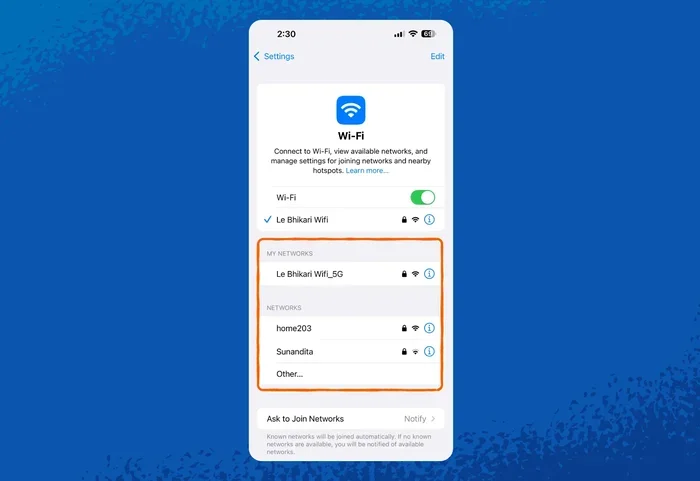
You can check which wireless encryption protocol your iPhone is using at any time. This is helpful when you want to verify your network security or troubleshoot connection issues. The Wi-Fi settings on your iOS device show you the security type for each saved network.
To check your Wi-Fi security type, go to Settings, tap Wi-Fi, and look for the info icon next to your connected network. The security type will be listed as WPA2 Personal, WPA3 Personal, or WPA2/WPA3 Personal. If you see anything else, your wireless network may have a configuration issue.
Why WEP Is No Longer Safe for Any Device
WEP encryption has been considered broken for over two decades. Despite this, some older wireless routers still ship with WEP as the default setting. This creates a major security risk for anyone who connects to those networks.
WEP Vulnerabilities and Security Risks
The WEP protocol has so many known security vulnerabilities that it should never be used in any situation. Hackers can intercept WEP-encrypted wireless traffic and decode it with freely available tools. Your Wi-Fi password, browsing history, and personal data could all be exposed if you connect to a WEP-secured network.
Here are the main security vulnerabilities of WEP:
- Weak initialization vectors make the encryption predictable
- Short encryption keys that can be brute-forced quickly
- No protection against packet injection attacks
- Static keys that never change during a session
- Known-plaintext attacks that reveal the encryption key
What Happens If You Use WEP?
If your wireless router uses WEP encryption, any device that supports it can connect to your network. This includes neighbors, strangers, and malicious actors. They can monitor your internet traffic, steal your Wi-Fi password, and potentially access your personal devices. Even if your iPhone refuses to connect to WEP networks, other devices on your network could still be at risk.
The best thing you can do is upgrade your wireless router’s encryption to WPA2 or WPA3 immediately. This simple change dramatically improves your network security and protects all devices connected to your wireless network.
How to Check and Improve Your iPhone Wi-Fi Security
Making sure your iPhone uses the best wireless encryption is straightforward. A few simple steps can help you verify your security settings and improve your overall wireless network protection.
Step-by-Step Guide to Check Your iPhone Security Type
Follow these steps to see which wireless security protocol your iPhone is using:
- Open the Settings app on your iOS device.
- Tap on Wi-Fi to view your wireless network connections.
- Find the network you are currently connected to.
- Tap the info icon (the small blue “i” in a circle) next to the network name.
- Look for the Security field. It should show WPA2 Personal, WPA3 Personal, or WPA2/WPA3 Personal.
If your security type shows anything other than WPA2 or WPA3, you should check your wireless router settings. Your router may need to be updated or reconfigured to use modern wireless encryption.
Quick Tips for Better iPhone Network Security
Here are some practical tips to keep your wireless connection secure on your Apple device:
- Always use WPA2 or WPA3 on your wireless router. Never leave WEP or WPA enabled.
- Use a strong Wi-Fi password with at least 12 characters, mixing letters, numbers, and symbols.
- Keep your iOS device updated to get the latest wireless security patches and improvements.
- Avoid public Wi-Fi hotspots when accessing sensitive information like banking or email.
- Use a VPN on public networks to add an extra layer of wireless encryption to your connection.
- Disable auto-join for unknown networks in your Wi-Fi settings to prevent accidental connections to insecure networks.
- Restart your wireless router regularly to clear any cached data and apply the latest security settings.
Common Mistakes People Make with iPhone Wi-Fi Security
Many users make avoidable mistakes when it comes to wireless network security on their Apple devices. Here are the most common ones to watch out for:
- Leaving WEP enabled on your router: This is the biggest mistake. It exposes your entire wireless network to anyone nearby.
- Using simple Wi-Fi passwords: Short or common passwords are easy to guess, even with strong encryption like WPA2.
- Ignoring router firmware updates: Your wireless router needs updates just like your iPhone does to patch security flaws.
- Connecting to open networks without caution: Unencrypted Wi-Fi hotspots send your data in the clear, making it easy for others to intercept.
- Not checking the security type: Many people never verify which wireless encryption protocol their iPhone is actually using.
Expert Insights on iPhone Wireless Security
Apple has always prioritized user privacy and wireless network security. The company made a deliberate choice to drop support for WEP and WPA in its iOS devices. This decision reflects the understanding that outdated wireless encryption protocols pose real risks to users’ personal data.
Security experts recommend that all users ensure their wireless router is set to WPA2 or WPA3. The Wi-Fi Alliance has been pushing for WPA3 adoption across all wireless routers and access points. As more devices support WPA3, the overall wireless network security landscape continues to improve.
For iPhone users specifically, the built-in wireless security is already very strong. Apple handles the encryption protocol negotiation automatically, so you do not need to manually configure anything on your device. The key is making sure your wireless router is set up correctly to use modern encryption standards.
Network administrators should also consider enabling WPA3 Enterprise on business wireless networks where available. This provides the highest level of wireless authentication and encryption for organizations that handle sensitive data on their iOS devices and other Apple equipment.
Conclusion
So, does iPhone use Wep or Wpa? Your iPhone exclusively uses WPA2 and WPA3 wireless security protocols. It does not support WEP or the original WPA standard. This is by design, as Apple wants to ensure every wireless connection your device makes is secure and protected.
Understanding wireless encryption on your Apple device helps you take control of your network security. By making sure your wireless router uses WPA2 or WPA3, you create a safe environment for all your connected devices. Always check your Wi-Fi settings, use strong passwords, and keep your iOS device updated for the best wireless network protection.
Take a few minutes today to verify your wireless router’s encryption settings. A small check can make a big difference in protecting your personal data and keeping your wireless network safe from unauthorized access. Your iPhone is built to handle modern wireless security, so make sure your network keeps up with it.
Frequently Asked Questions
Can iPhone connect to a WEP-secured Wi-Fi network?
No, iPhone does not support WEP encryption. Apple devices only connect to networks using WPA2 or WPA3 wireless security protocols. If your router uses WEP, you will need to upgrade its settings before your iPhone can connect.
What is the default wireless security protocol on iPhone?
The default protocol depends on what your wireless router supports. Most modern routers use WPA2 or WPA3, and your iPhone will automatically connect using the strongest protocol available. You can check this in your Wi-Fi settings under the security type field.
Is WPA2 still secure for iPhone wireless connections?
Yes, WPA2 is still considered secure for everyday use on iOS devices. It uses AES encryption, which is very strong. However, WPA3 offers even better protection, especially against brute-force attacks. If your router supports WPA3, it is worth enabling it for your wireless network.
How do I change my wireless router to use WPA2 or WPA3?
Log into your wireless router’s admin panel through a web browser. Look for the wireless security or wireless network settings. Change the security mode to WPA2-Personal or WPA3-Personal. Save your settings and reconnect your iPhone using your Wi-Fi password.
Does using WPA3 make my iPhone faster on Wi-Fi?
WPA3 does not significantly change your wireless connection speed. Its main benefit is stronger encryption and better security. You may notice a slightly faster initial connection on some networks because WPA3 has improved handshake processes, but day-to-day browsing speeds remain the same.
What should I do if my iPhone only shows WPA as an option?
If your iPhone only shows WPA as an option on a network, that network is using an outdated security protocol. iPhone does not support WPA (the original 2003 standard) on current iOS versions. You should ask the network administrator to upgrade the wireless router to WPA2 or WPA3 for a secure connection.