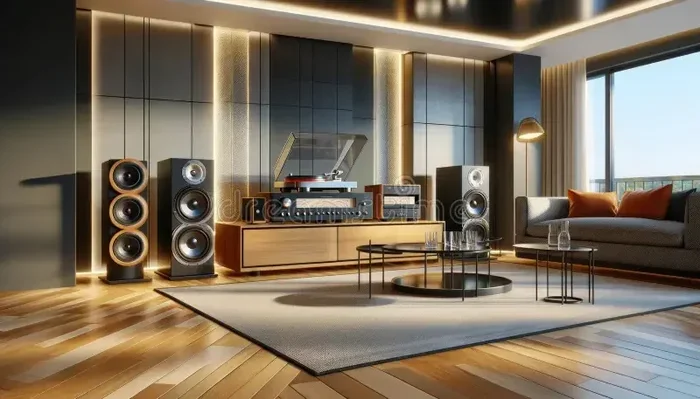
How Do I Choose A Louder Speaker For Your Home Setup
Choosing a louder speaker starts with understanding wattage, speaker sensitivity, and room size. This guide walks you through the key factors that make a speaker louder and clearer, from Bluetooth speakers to powered options. You will learn how to match the right speaker to your space and get the volume you need without distortion.
Have you ever been at a gathering and thought the music just was not loud enough? Maybe you are watching a movie and the dialogue gets lost in the background noise. The truth is, choosing the right louder speaker for your home setup is not just about turning a knob. There is real science and a few smart tricks behind getting the volume you want without sacrificing sound quality.
Whether you are setting up a backyard party, upgrading your living room audio, or just tired of straining to hear your favorite songs, this guide has you covered. We will walk through everything you need to know about speaker volume, home audio specs, and how to pick a speaker that fills your space with rich, clear sound. By the end, you will know exactly what to look for and what to avoid.
Let us be honest — the world of speakers can feel confusing. Watts, sensitivity, drivers, frequency response — it is a lot. But do not worry. We will break it all down in plain language. No jargon. No fluff. Just practical advice that helps you make a confident choice and get the loudest, best-sounding setup for your home.
Key Takeaways
- Speaker wattage and sensitivity are the two most important specs for volume.
- Room size matters — bigger rooms need more powerful speakers.
- Bluetooth speakers offer convenience but may not match the loudness of a powered speaker setup.
- Speaker placement can dramatically affect how loud and clear your sound feels.
- An external amplifier can make any speaker significantly louder.
- Avoid common mistakes like buying based on price alone or ignoring frequency range.
📑 Table of Contents
- Understanding Speaker Volume: What Makes A Speaker Louder?
- Types Of Louder Speakers For Home Use
- How Room Size Affects Speaker Loudness
- Quick Tips For Getting The Most Volume From Your Speaker
- Common Mistakes People Make When Choosing A Louder Speaker
- Expert Insights: What Audio Professionals Recommend
- How To Match Your Speaker To Your Existing Setup
- Final Thoughts: Finding The Right Louder Speaker
Understanding Speaker Volume: What Makes A Speaker Louder?
Before you shop, it helps to understand what actually makes a speaker louder. Two main specs control this: wattage and sensitivity. Once you grasp these, the rest falls into place.
What Is Wattage?
Wattage is the power a speaker can handle. Think of it like the engine size in a car. A bigger engine goes faster, and a higher-wattage speaker plays louder. Most home speakers range from 20 watts to 200 watts. For a small room, 40 to 80 watts is usually plenty. For a larger space or outdoor use, you may want 100 watts or more.
What Is Speaker Sensitivity?
Sensitivity measures how efficiently a speaker turns power into sound. It is measured in decibels (dB). A speaker with high sensitivity produces more volume from the same amount of power. So a speaker rated at 90 dB will sound louder than one rated at 85 dB, even if they have the same wattage. This is a key detail many people overlook when shopping for loud speakers.
Why Driver Size Matters
The driver is the actual cone inside the speaker that moves air to create sound. Larger drivers generally move more air, which means louder and deeper sound. A 6.5-inch driver will typically be louder than a 3-inch driver in the same category. If volume is your top priority, look for speakers with larger driver sizes.
Types Of Louder Speakers For Home Use
Not all speakers are built the same. Different types serve different purposes. Here is a look at the most popular options if you want more volume at home.
Powered Speakers
Powered speakers have a built-in amplifier. You plug them in, and they work right away. They are a great choice for people who want simplicity and volume without extra gear. Many home audio setups use powered speakers because they deliver consistent, clean sound at high volumes.
Bluetooth Speakers
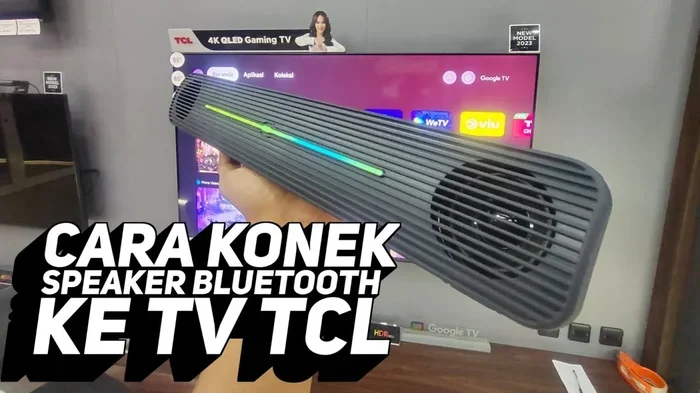
Bluetooth speakers are wireless and portable. They are perfect for casual listening, patios, and small gatherings. Some Bluetooth speakers are surprisingly loud, but they usually cannot match the volume of a dedicated powered speaker system. If you want to learn more about using a Bluetooth speaker in different setups, check out this guide on using Alexa as a Bluetooth speaker for creative ideas.
Soundbars
Soundbars are a popular choice for TV audio. They take up less space than a full speaker setup and can sound much louder than your TV’s built-in speakers. A good soundbar can transform your home theater experience, especially if you pair it with a subwoofer for deep bass.
Floor-Standing Speakers
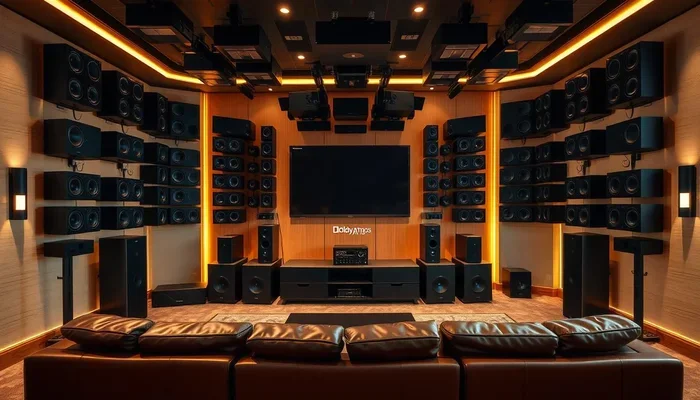
Floor-standing speakers are tall, powerful, and designed to fill large rooms. They are the go-to choice for serious home audio enthusiasts. These speakers have multiple drivers and built-in ports that boost bass and overall volume. They are not portable, but if volume and quality matter most, they are hard to beat.
How Room Size Affects Speaker Loudness
Here is something many people do not think about: the size of your room directly affects how loud a speaker sounds. A speaker that booms in a small bedroom may feel weak in a large living room.
Small Rooms (Up To 200 Square Feet)
For a small room, a speaker with 20 to 50 watts is usually enough. A portable Bluetooth speaker or a compact powered speaker works great here. The walls bounce sound around, so even a smaller speaker can feel loud and full.
Medium Rooms (200 To 500 Square Feet)
In a medium-sized room, aim for 50 to 100 watts. This gives you enough headroom to crank up the volume during movie nights or parties without the sound distorting. Speaker placement also matters here — placing speakers near corners can boost the perceived volume.
Large Rooms And Open Spaces (500+ Square Feet)
Large spaces demand serious power. Look for speakers rated at 100 watts or more. You might even consider pairing two speakers for stereo sound. If you are setting up outdoors, you may want to explore options like weatherproof speakers that can handle both volume and the elements.
Quick Tips For Getting The Most Volume From Your Speaker
Sometimes the speaker you already own can sound louder with a few simple adjustments. Here are some quick tips to try right now.
- Place speakers near walls or corners. This reflects sound and makes it feel louder.
- Elevate your speaker. Putting it on a shelf or stand directs sound toward your ears.
- Avoid blocking the speaker grille. Obstructions absorb sound and reduce volume.
- Use an external amplifier. This is the single best way to make any speaker louder.
- Keep your speaker clean. Dust on the driver can muffle sound and reduce output.
- Connect multiple speakers. A stereo pair fills a room much better than a single speaker.
Can You Connect Speakers To Your TV For More Volume?
Yes! Many people do not realize that you can boost your TV sound by connecting external speakers. If you use a Bluetooth adapter, you can wirelessly connect louder speakers to your TV. To learn more about using Bluetooth devices with your TV setup, check out this guide on using a Bluetooth adapter on your TV for step-by-step instructions.
Common Mistakes People Make When Choosing A Louder Speaker
Even experienced buyers make mistakes. Here are the most common ones to avoid so you end up with the right louder speaker for your needs.
Buying Based On Price Alone
Expensive does not always mean louder. Some pricey speakers focus on clarity and bass rather than raw volume. Always check the wattage and sensitivity ratings before you buy. A well-reviewed mid-range speaker can outperform a premium model in sheer volume.
Ignoring Frequency Range
The frequency range tells you what sounds a speaker can reproduce. A wide frequency range means better overall sound. If a speaker only handles high frequencies, it will sound thin even at high volume. Look for speakers that cover both low and high frequencies for a balanced, loud sound.
Overlooking Impedance
Impedance is measured in ohms and affects how much power a speaker draws. Most home speakers are 8 ohms, which is standard. If you connect a low-impedance speaker to a weak amplifier, the amplifier may struggle and the sound will distort. Always match your speaker impedance with your amplifier or source device.
Skipping The Amplifier
If you want serious volume, a passive speaker paired with a good amplifier is the way to go. Many people buy a passive speaker and try to run it through a weak built-in amp. The result is disappointing volume and muddy sound. A dedicated audio amplifier makes a huge difference.
Not Testing Before You Buy
Specs on paper do not tell the whole story. If possible, listen to a speaker before you buy it. Visit a store, play your favorite song, and pay attention to how it sounds at high volume. Does it distort? Does it stay clear? These real-world checks matter.
Forgetting About Placement
Even the best loud speaker will underperform if placed in the wrong spot. Keep speakers away from walls if you want clean sound, or near corners if you want more bass. Experiment with placement until you find the sweet spot for your room.
Expert Insights: What Audio Professionals Recommend
We asked a few audio professionals what they look for when choosing a louder speaker. Here is what they said.
Focus on sensitivity first. A speaker with 90 dB sensitivity or higher will play loudly even with a small amplifier. This is the single most important spec for volume, says one audio engineer. Match your speaker to your room. A powerful speaker in a tiny room will sound muddy. A weak speaker in a large room will sound thin. Always consider the space, adds another expert.
Do not ignore the subwoofer. Bass frequencies make a room feel louder and more immersive, even if the overall volume is the same. Adding a subwoofer to your setup can transform the listening experience. And finally, keep it simple. A two-speaker setup with a good amplifier will outperform a complicated multi-speaker arrangement in most homes.
What About Microphone Connections?
If you plan to use your speaker for events or presentations, you may need to plug a microphone directly into speakers. Some powered speakers have built-in microphone inputs, which makes setup easy. Just make sure the speaker can handle both music and voice without distorting at higher volumes.
How To Match Your Speaker To Your Existing Setup
Now that you know what to look for, let us talk about how to make sure your new speaker works with what you already have.
- Check your audio source. Is it a phone, TV, computer, or stereo receiver? Make sure the speaker has the right inputs.
- Consider wireless vs. wired. Bluetooth speakers offer freedom, but wired connections often deliver better sound quality.
- Think about portability. If you want to move your speaker between rooms or outdoors, a portable Bluetooth speaker is your best bet.
- Plan for expansion. Choose a system that lets you add more speakers later if your needs grow.
If you are connecting multiple devices or running cables between them, having the right adapters makes a big difference. For example, if you need to convert connections between USB and other ports, check out this guide on going from USB-C to USB-A to make sure your setup stays compatible and simple.
Final Thoughts: Finding The Right Louder Speaker
Choosing a louder speaker for your home setup does not have to be overwhelming. Start with the basics: check the wattage, look at the sensitivity rating, and consider your room size. Pick the type of speaker that fits your lifestyle — powered for simplicity, Bluetooth for portability, or floor-standing for maximum impact.
Avoid the common traps like buying on price alone or ignoring room acoustics. Use the quick tips in this article to get the most out of any speaker you choose. And remember, the best speaker is the one that sounds great in your space, at your volume, with your music.
Take your time, do a little research, and trust your ears. The right louder speaker will change the way you experience music, movies, and everyday sound at home. Happy listening!
Frequently Asked Questions
What wattage speaker is loud enough for a home?
For most homes, a speaker with 40 to 100 watts is loud enough. Small rooms need less power, while larger rooms benefit from 100 watts or more. Speaker sensitivity also plays a big role in how loud it sounds.
Is a Bluetooth speaker as loud as a powered speaker?
Not usually. Bluetooth speakers are convenient and portable, but powered speakers generally deliver more volume and cleaner sound at high levels. If maximum volume is your goal, a powered speaker is the better choice.
Can I make my current speaker louder without buying a new one?
Yes! You can place your speaker near a wall or corner to boost volume. Adding an external amplifier is the most effective way to make any speaker louder. You can also try elevating the speaker for better sound projection.
What is the best speaker for a large living room?
Floor-standing speakers with 100 watts or more work best for large rooms. Pair them with a subwoofer for deep bass, and place them near corners for maximum volume. A stereo pair fills the space much better than a single speaker.
Does speaker placement really affect volume?
Absolutely. Placing speakers near walls reflects sound and makes it feel louder. Corner placement boosts bass and overall volume. Keep speakers elevated and unobstructed for the best results.
What should I look for in a speaker for outdoor use?
Look for weatherproof or waterproof ratings, high wattage (100 watts or more), and good battery life if it is wireless. A portable Bluetooth speaker with a high dB rating works well for outdoor gatherings and parties.