Top Features Of Ecommerce Technology You Should Know
Features of ecommerce technology are the building blocks that make online stores work smoothly. From secure payment gateways to mobile-friendly design, these tools help businesses sell products and serve customers effectively. Understanding these features helps you choose the right platform and grow your online store with confidence.
Running an online store is exciting. But behind every successful features of ecommerce technology setup lies a complex system of tools and platforms. These technologies handle everything from displaying products to processing payments securely.
Whether you are just starting out or looking to upgrade your current store, understanding these features matters a lot. The right technology stack can mean the difference between a store that thrives and one that struggles. In this guide, we will walk you through the most important features you need to know.
We will keep things simple and practical. No jargon overload. Just clear, useful information that helps you make smart decisions for your online business. Let us dive in.
Key Takeaways
- Core Platform Features: A strong ecommerce technology setup includes a product catalog, shopping cart, and content management system that work together seamlessly.
- Security Is Non-Negotiable: SSL certificates, fraud detection, and PCI compliance protect both you and your customers during every transaction.
- Mobile Commerce Matters: Responsive design and mobile optimization ensure your store works well on phones and tablets.
- Inventory and Order Management: Automated tools save time and reduce errors when tracking stock and processing orders.
- Marketing Tools Drive Sales: Built-in SEO, email marketing, and abandoned cart recovery features help you reach more buyers.
- Analytics Guide Decisions: A good dashboard shows you what customers do so you can improve your store over time.
📑 Table of Contents
- What Are the Core Features Of Ecommerce Technology
- How Features Of Ecommerce Technology Improve User Experience
- Security Features That Protect Your Online Store
- Inventory and Order Management Capabilities
- Marketing and Sales Tools Built Into Ecommerce Platforms
- How to Choose the Right Features Of Ecommerce Technology for Your Business
- Conclusion
What Are the Core Features Of Ecommerce Technology
Every online store needs a solid foundation. The core features of ecommerce technology form the backbone of any digital storefront. Without them, your site cannot function properly or provide a good experience for shoppers.
Think of these features as the engine of your online business. They handle the essential tasks that keep everything running behind the scenes. Let us break them down.
Product Catalog Management
Your product catalog is where you display everything you sell. A good ecommerce platform lets you add, edit, and organize products with ease. You can include photos, descriptions, prices, and categories.
Most modern systems support hundreds or even thousands of products. They also allow you to set up product variants like size, color, and material. This makes it easy for customers to find exactly what they want.
Shopping Cart and Checkout
The shopping cart is where customers collect items before buying. A smooth checkout process reduces friction and boosts conversions. Your online shopping experience should feel effortless from start to finish.
Key elements include:
- Easy item quantity adjustments
- Clear pricing and tax calculations
- Guest checkout options
- Multiple payment method support
- Order summary before final confirmation
When the checkout feels clunky, customers leave. Studies show that a complicated checkout process is one of the top reasons for abandoned carts. Keep it simple and clean.
Content Management System Integration
A content management system lets you update your store without touching code. You can write blog posts, create landing pages, and add promotional banners. This feature helps you keep your site fresh and engaging.
Many ecommerce platforms include built-in CMS tools. Others integrate with popular systems like WordPress. Either way, you get the power to create content that attracts and converts visitors.
How Features Of Ecommerce Technology Improve User Experience
User experience, or UX, is everything in online retail. Shoppers expect fast load times, easy navigation, and a seamless journey from browsing to purchase. The features of ecommerce technology you choose directly impact how customers feel about your store.
A great user experience builds trust. It encourages repeat visits and word-of-mouth referrals. Let us look at the technology features that make this happen.
Responsive Design for All Devices
More than half of all online shopping happens on mobile devices. Your store must look and work great on phones and tablets. This is where responsive design comes in.
Responsive design automatically adjusts your layout to fit any screen size. Whether someone shops on a desktop, a phone, or a tablet, the experience stays smooth. This is a must-have feature in any modern ecommerce platform.
Fast Page Load Times
Speed matters. Customers expect pages to load in under three seconds. Slow sites frustrate shoppers and hurt your search rankings.
Cloud hosting and content delivery networks (CDNs) help speed things up. These technologies store your site data on servers around the world. When a customer visits, they get content from the nearest server. The result is faster loading and happier shoppers.
Intuitive Navigation and Search
Customers should find what they need quickly. A powerful search bar with autocomplete suggestions makes a big difference. Filter options by category, price, brand, and rating help shoppers narrow down choices.
Clear menu structures and logical product categorization also matter. When navigation feels natural, customers stay longer and buy more. This is one of the most overlooked features of ecommerce technology setups.
Security Features That Protect Your Online Store
Security is a top concern for both store owners and customers. Nobody wants their personal data or payment details stolen. Strong security features build trust and protect your reputation.
Let us explore the security tools that every online shopping site should have.
SSL Certificates and Encryption
An SSL certificate encrypts data between your site and your customers. It turns sensitive information into unreadable code during transmission. You can spot an SSL-secured site by the padlock icon in the browser address bar.
Most hosting providers offer free SSL through Let us Encrypt. This is a basic but critical feature for any ecommerce platform. Without it, browsers flag your site as unsafe, and customers will leave.
Payment Gateway Security
A secure payment gateway processes transactions safely. Popular gateways like Stripe, PayPal, and Square handle sensitive card data for you. They use encryption and tokenization to keep payment info protected.
PCI DSS compliance is another important factor. This set of security standards ensures that your store meets industry requirements for handling payments. Choosing a gateway that is PCI compliant reduces your risk and liability.
Fraud Detection Tools
Fraud detection tools analyze transactions for suspicious patterns. They flag high-risk orders and can block fraudulent purchases before they go through. This saves you money and protects your customers.
Many ecommerce platforms include built-in fraud tools. Others offer advanced plugins you can add. Either way, fraud protection is essential for any growing online store.
Inventory and Order Management Capabilities
Managing products and orders manually is a nightmare. The right features of ecommerce technology automate these tasks and save you hours every week.
Let us look at how inventory and order management tools keep your store running smoothly.
Real-Time Inventory Tracking
Real-time inventory tracking shows you exactly how much stock you have at any moment. When a customer buys a product, the count updates instantly. This prevents overselling and keeps your records accurate.
Some systems also send alerts when stock runs low. You can set minimum thresholds and get notified before you run out. This simple feature helps you avoid lost sales and unhappy customers.
Order Processing and Fulfillment
Order processing tools automate the workflow from purchase to delivery. When an order comes in, the system can generate invoices, send confirmation emails, and update inventory. Some platforms even connect directly with shipping carriers.
Order management systems (OMS) give you a central dashboard to view all orders. You can track status, print labels, and manage returns from one place. This level of organization makes running a store much easier.
Multi-Channel Selling Support
Multi-channel selling lets you sell on multiple platforms at once. You can list products on your own site, Amazon, Etsy, and social media. The ecommerce platform syncs inventory across all channels automatically.
This feature is a game-changer for growing businesses. It expands your reach without doubling your workload. Popular multi-channel tools include Shopify, WooCommerce, and BigCommerce.
Marketing and Sales Tools Built Into Ecommerce Platforms
Having a great store is not enough. You need to attract visitors and convert them into buyers. The best features of ecommerce technology include built-in marketing tools that help you do just that.
SEO Optimization Features
Search engine optimization, or SEO, helps your store show up in Google. Many ecommerce platforms include SEO tools that let you customize page titles, meta descriptions, and URLs.
Good SEO practices include:
- Using descriptive product titles with keywords
- Writing unique meta descriptions for each page
- Creating clean, readable URLs
- Adding alt text to all product images
- Using header tags to structure content
These small efforts add up over time. Strong SEO brings organic traffic that does not cost you a dime in ad spend.
Email Marketing and Abandoned Cart Recovery
Email marketing remains one of the most effective ways to drive sales. Many ecommerce platforms include email tools or integrate with popular services like Mailchimp and Klaviyo.
Abandoned cart recovery is a powerful feature. When a customer adds items to their cart but leaves without buying, the system sends a reminder email. This simple nudge recovers a significant percentage of lost sales.
You can personalize these emails with the customer name and the exact items left behind. It makes the message feel relevant and increases the chance of a completed purchase.
Sales Reports and Analytics Dashboard
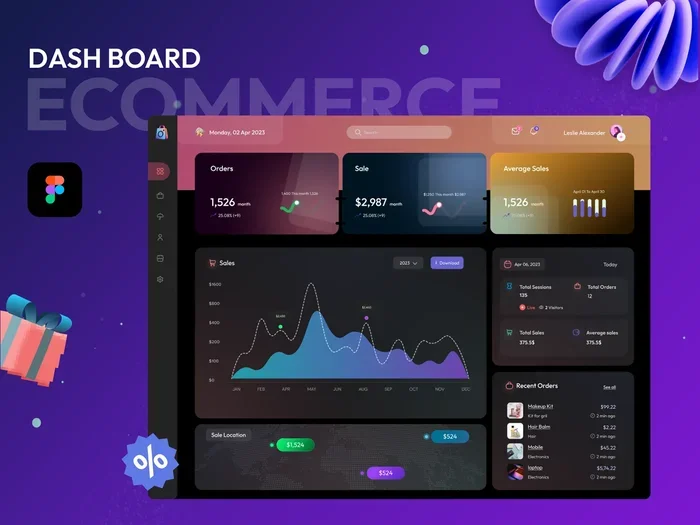
Data drives smart decisions. A good analytics dashboard shows you which products sell best, where traffic comes from, and how customers behave on your site.
Key metrics to track include:
- Conversion rate
- Average order value
- Customer acquisition cost
- Return on ad spend
- Top-selling products
Use this data to refine your strategy. If a product sells well, promote it more. If a page has a high bounce rate, improve it. Ecommerce technology gives you the insights you need to grow.
How to Choose the Right Features Of Ecommerce Technology for Your Business
Not every feature is right for every business. The best approach is to assess your needs and choose tools that match your goals. Here are some tips to help you decide.
Start With Your Budget
Set a realistic budget before you start comparing platforms. Some ecommerce platforms charge monthly fees, while others take a percentage of each sale. Factor in hosting costs, transaction fees, and any premium add-ons you might need.
Remember that the cheapest option is not always the best. Look for value and features that align with your business size and growth plans.
Think About Scalability
Choose a platform that can grow with you. If you plan to add more products, expand to new markets, or increase traffic, your technology should handle the growth.
Scalable ecommerce technology lets you add features as needed. You can start simple and add advanced tools later without switching platforms. This saves time, money, and headaches down the road.
Prioritize Ease of Use
You do not need to be a tech expert to run an online store. Look for platforms with intuitive dashboards and clear navigation. The easier it is to manage your store, the more time you can spend on growth.
Read reviews and watch demo videos before committing. A platform that feels natural to use will save you countless hours of frustration.
Check Integration Options
Your store will likely need to connect with other tools. Payment processors, shipping services, email marketing platforms, and accounting software all need to talk to each other.
Choose an ecommerce platform that offers strong integration options. Look for native integrations and support for third-party apps. This flexibility makes your tech stack more powerful and efficient.
When you focus on the right features of ecommerce technology, your online store becomes a well-oiled machine. You spend less time on manual tasks and more time on what really matters, serving customers and growing your brand.
Conclusion
The world of online retail moves fast. Staying competitive means understanding the features of ecommerce technology that power successful stores. From core platform tools like product catalogs and shopping carts to advanced features like fraud detection and multi-channel selling, each piece plays a vital role.
Security, user experience, inventory management, and marketing tools all work together to create a seamless online shopping experience. The right ecommerce platform brings all of these elements together in one place.
Take the time to evaluate your options. Choose tools that match your budget, your goals, and your growth plans. With the right technology foundation, your online store is set up for long-term success. Start applying what you have learned today, and watch your business grow.
Frequently Asked Questions
What are the most important features of ecommerce technology?
The most important features include a secure payment gateway, responsive design, inventory management, and a user-friendly checkout process. These core elements ensure your store runs smoothly and provides a positive experience for every customer.
How does ecommerce technology improve online sales?
Ecommerce technology automates key tasks like inventory tracking, order processing, and marketing. It also provides analytics that help you understand customer behavior. These insights let you optimize your store and boost conversions over time.
Is website security a feature of ecommerce technology?
Yes, security is a fundamental feature. SSL certificates, fraud detection tools, and PCI compliance protect both your business and your customers. Strong security builds trust and is essential for any online store.
Can small businesses benefit from advanced ecommerce features?
Absolutely. Many ecommerce platforms offer scalable plans that grow with your business. Small businesses can start with basic features and add advanced tools like multi-channel selling and automated email marketing as they expand.
What role does mobile commerce play in ecommerce technology?
Mobile commerce is a huge part of modern online shopping. Responsive design and mobile optimization ensure your store works well on phones and tablets. Since most shoppers browse on mobile devices, this feature directly impacts your sales and customer satisfaction.
How do I choose the right ecommerce platform for my store?
Start by assessing your budget, business size, and growth goals. Look for platforms that offer the features you need, strong integrations, and ease of use. Read reviews and compare options before making a final decision.