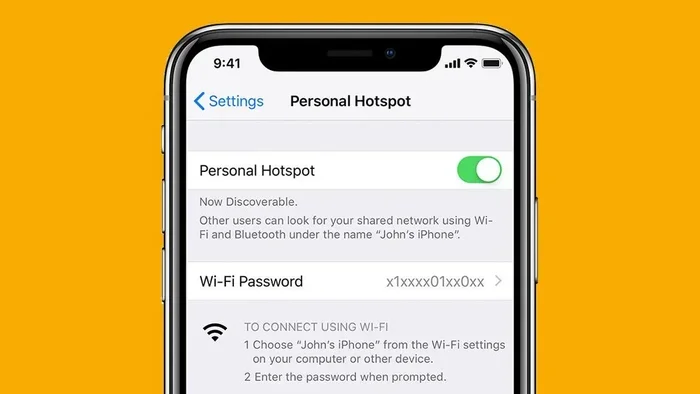
How Do I Connect My Iphone To My Gcps Mobile Wi Fi
Connecting your iPhone to a GPS mobile Wi-Fi network is easier than you think. This guide walks you through the exact steps to pair your iPhone with a GPS hotspot, troubleshoot common issues, and optimize your connection for smooth navigation and fast data speeds. Whether you are traveling, commuting, or working remotely, you will find everything you need right here.
Have you ever found yourself on the road, stuck in a remote area, and realized your GPS device is not sharing its Wi-Fi signal with your iPhone? It is a frustrating situation, but it happens more often than you might think. Whether you are using a Garmin GPS, a TomTom device, or any other portable navigation tool, knowing how to connect your iPhone to your GPS mobile Wi-Fi can make all the difference. In this guide, we will walk you through every step of the process in plain, simple language.
You will learn how to pair your devices, fix common connection problems, and get the most out of your GPS hotspot. This article covers everything from basic setup to advanced tips that even tech-savvy users appreciate. By the end, you will feel confident connecting your iPhone to any GPS mobile Wi-Fi device quickly and easily.
Key Takeaways
- Simple Setup Process: Connecting your iPhone to a GPS mobile Wi-Fi device follows a straightforward few-step process that anyone can do.
- Troubleshooting Is Key: Knowing common fixes for connection problems saves time and frustration when your iPhone refuses to connect.
- Optimize Your Signal: A few quick adjustments to your iPhone settings can dramatically improve Wi-Fi speed and stability.
- Security Matters: Always use a strong password and enable encryption on your GPS mobile Wi-Fi device to protect your data.
- Multiple Connection Options: You can connect via Wi-Fi, Bluetooth, or USB depending on your GPS device capabilities.
- Battery Management: Keeping your GPS device and iPhone charged ensures a reliable connection during long trips.
📑 Table of Contents
- Understanding GPS Mobile Wi-Fi and Your iPhone
- Step-by-Step Guide to Connect Your iPhone to GPS Mobile Wi-Fi
- Troubleshooting Common Connection Problems
- Different Ways to Connect iPhone to GPS Wi-Fi
- Comparison: Wi-Fi vs Bluetooth vs USB for iPhone-GPS Connection
- Optimizing Your GPS Mobile Wi-Fi Connection for iPhone
- Common Mistakes to Avoid When Connecting iPhone to GPS Wi-Fi
- Expert Tips for a Seamless iPhone-GPS Wi-Fi Experience
- How to Disconnect Your iPhone from GPS Mobile Wi-Fi
- Frequently Asked Questions
- Conclusion
Understanding GPS Mobile Wi-Fi and Your iPhone
Before diving into the setup, it helps to understand what a GPS mobile Wi-Fi device actually does. These portable devices create a small local network, much like a home router. They broadcast a Wi-Fi signal that your iPhone can detect and join. This allows your phone to access the internet, download maps, and use navigation apps even when you are far from a traditional Wi-Fi network.
How GPS Wi-Fi Devices Work
Most GPS devices with Wi-Fi capability use a built-in cellular modem or connect to a paired phone via Bluetooth. The device then creates a local hotspot. Your iPhone sees this hotspot in its list of available Wi-Fi networks. Once you enter the correct password, your phone connects and can share the GPS device’s data connection.
Think of it like this. Your GPS device is a small tower. Your iPhone is the phone trying to reach that tower. As long as both devices are on and within range, the connection should work smoothly. Simple, right?
Why Connect Your iPhone to GPS Wi-Fi?
There are several great reasons to connect your iPhone to a GPS mobile Wi-Fi network. First, it lets you download real-time traffic updates and live maps. Second, you can sync your iPhone with the GPS device for better route planning. Third, some GPS apps on your phone work better when they have a dedicated data connection through the GPS hotspot. And finally, it keeps your phone connected during road trips where cellular service might be weak or nonexistent.
Step-by-Step Guide to Connect Your iPhone to GPS Mobile Wi-Fi
Now let us get into the actual steps. The process is simple, but you need to follow each step carefully to avoid common pitfalls. We will cover the most common method first, which is the standard Wi-Fi connection.
Step 1: Turn On Your GPS Device
Start by powering on your GPS device. Make sure it has a full or at least a decent battery charge. Most GPS devices take about 10 to 30 seconds to fully boot up and start broadcasting their Wi-Fi signal. Wait until you see the Wi-Fi indicator light turn on or hear the startup chime.
Quick Tip: If your GPS device has a dedicated Wi-Fi button, press it to activate the hotspot. Some devices auto-enable Wi-Fi when turned on, but others require a manual tap. Check your device manual if you are unsure.
Step 2: Open Wi-Fi Settings on Your iPhone
On your iPhone, open the Settings app. Tap on the Wi-Fi option at the top of the screen. Make sure the Wi-Fi toggle is turned on. Your iPhone will immediately start scanning for available networks in the area.
You should see a list of networks appear. Look for the name of your GPS device. It is usually something like “Garmin Hotspot,” “TomTom Wi-Fi,” or a custom name you set during initial setup. If you do not see it, do not worry. We will troubleshoot that shortly.
Step 3: Select Your GPS Network
Tap on the name of your GPS network from the list. A password prompt will appear. Enter the password for the GPS hotspot. This password is usually printed on a sticker on the back or bottom of your GPS device. It might also be listed in the user manual or on the device’s Wi-Fi settings screen.
After entering the password, tap the Join or Connect button. Within a few seconds, your iPhone should connect. You will see a checkmark next to the network name, and the Wi-Fi icon will appear in the top right corner of your iPhone screen.
Step 4: Test Your Connection
Once connected, open a web browser or a navigation app on your iPhone. Try loading a webpage or pulling up a map. If everything works, you are all set. If the page does not load or the map fails to update, there may be a connection issue we need to address.
Quick Tip: Try turning on Airplane Mode for 10 seconds and then turning it off. This forces your iPhone to refresh its Wi-Fi connection and often fixes minor glitches instantly.
Troubleshooting Common Connection Problems
Even with the best instructions, things do not always go smoothly. Your iPhone might refuse to connect, or the connection might drop unexpectedly. Here are the most common problems and how to fix them.
iPhone Does Not Find the GPS Network
This is the most common issue. If your iPhone does not see the GPS Wi-Fi network, try these fixes. First, make sure your GPS device is fully powered on and the Wi-Fi hotspot is active. Look for the Wi-Fi indicator on the device itself. Second, restart your iPhone’s Wi-Fi by turning it off and back on. Third, move closer to the GPS device. Wi-Fi signals have a limited range, usually about 30 feet. Fourth, check if your GPS device is set to hide its SSID. Some devices broadcast a hidden network, which means you need to manually add the network name in your iPhone settings.
Connection Keeps Dropping
If your iPhone connects but then drops frequently, the issue is usually signal interference or low battery. GPS devices with weak batteries may reduce their Wi-Fi signal strength to conserve power. Keep your GPS device plugged into a power source if possible. Also, avoid placing the GPS device near large metal objects or other electronic devices that might interfere with the signal.
Wrong Password or Authentication Error
Double-check the password you are entering. Passwords are case-sensitive, so make sure caps lock is not on. If you have changed the default password and forgotten it, you can usually reset it by accessing the GPS device’s settings menu. Look for the Wi-Fi or Network section and find the option to reset or view the current password.
iPhone Connects But No Internet Access
This happens when the GPS device is connected but does not have an active data plan or internet source. Check if your GPS device has a SIM card with an active data subscription. Some GPS devices require a monthly data plan to provide internet access through the hotspot. Without an active plan, your iPhone will connect to the network but will not have internet access.
Different Ways to Connect iPhone to GPS Wi-Fi
Not all GPS devices connect the same way. Depending on your device model, you might have multiple options for getting your iPhone online. Here are the most common methods.
Wi-Fi Direct Connection
This is the method we covered in the step-by-step guide above. The GPS device creates its own Wi-Fi network, and your iPhone joins it directly. This is the most common method for standalone GPS units like Garmin and TomTom devices. It works well for most users and requires no additional apps or setup.
Bluetooth Pairing
Some GPS devices connect to your iPhone via Bluetooth instead of Wi-Fi. In this setup, the GPS device does not create a hotspot. Instead, it shares data with your iPhone through a Bluetooth connection. To use this method, go to your iPhone Settings, tap Bluetooth, and pair the GPS device. Note that Bluetooth connections are generally slower than Wi-Fi and have a shorter range.
USB Cable Connection
For the most stable connection, you can use a USB cable to connect your GPS device directly to your iPhone. This method provides the fastest data transfer and the most reliable connection. However, it requires both devices to be physically close and connected by a cable. It is ideal for long drives where you want a steady, uninterrupted connection.
Using a Third-Party Hotspot App
Some GPS brands offer companion apps that let your iPhone use the GPS device as a hotspot through a dedicated app. Garmin, for example, has the Garmin Connect app, which can manage Wi-Fi connections between your iPhone and GPS device. Check your GPS brand’s app store for a dedicated companion app that simplifies the connection process.
Comparison: Wi-Fi vs Bluetooth vs USB for iPhone-GPS Connection
| Connection Type | Speed | Range | Stability | Best For |
|---|---|---|---|---|
| Wi-Fi Direct | Fast | Up to 30 feet | Good | Most users and general use |
| Bluetooth | Moderate | Up to 10 feet | Fair | Quick, short-range sharing |
| USB Cable | Very Fast | Requires cable | Excellent | Long drives and stable needs |
As you can see from the comparison table, each connection type has its strengths. For most people, Wi-Fi direct is the best balance of speed, range, and convenience. USB is the most stable but least convenient. Bluetooth works in a pinch but is not ideal for heavy data use like downloading maps or streaming navigation.
Optimizing Your GPS Mobile Wi-Fi Connection for iPhone
Once you have successfully connected your iPhone to your GPS mobile Wi-Fi, you can take a few extra steps to improve performance and reliability.
Keep Your Devices Close
Wi-Fi signals weaken with distance. Keep your GPS device within 10 to 15 feet of your iPhone for the best performance. If you place the GPS device on the dashboard and your iPhone in the back seat, you might experience signal drops. A small distance makes a big difference.
Update Your GPS Firmware
Manufacturers regularly release firmware updates that improve Wi-Fi performance and fix bugs. Check your GPS device settings for a firmware update option. Connecting your GPS device to a computer via USB is usually the easiest way to check for and install updates.
Manage iPhone Background Apps
Apps running in the background can slow down your connection and drain your iPhone battery. Close any apps you are not actively using. Go to your iPhone’s App Switcher and swipe up to close unnecessary apps. This frees up system resources and helps your iPhone maintain a strong connection to the GPS Wi-Fi network.
Set a Static IP Address (Advanced Tip)
For advanced users, setting a static IP address on your iPhone can prevent connection conflicts. Go to Settings, Wi-Fi, tap the info icon next to your GPS network, and select Configure IP. Choose Manual and enter an IP address that is outside the GPS device’s DHCP range. This prevents IP address conflicts that can cause intermittent disconnections.
Use a VPN for Security
If you are concerned about data privacy, consider using a VPN on your iPhone when connected to a GPS mobile Wi-Fi network. A VPN encrypts your data and protects it from potential snooping. This is especially important if you are accessing sensitive information or logging into accounts while on the road.
Common Mistakes to Avoid When Connecting iPhone to GPS Wi-Fi
Avoiding mistakes can save you a lot of frustration. Here are the most common errors people make when trying to connect their iPhone to a GPS mobile Wi-Fi device.
- Forgetting to enable the GPS hotspot: Many users turn on their GPS device but forget to activate the Wi-Fi hotspot feature. Always double-check that the hotspot is on before searching for networks on your iPhone.
- Using the wrong password: Default passwords are often simple, but some users change them and forget. Always try the default password first, then check your custom settings if it does not work.
- Ignoring software updates: Outdated software on either device can cause compatibility issues. Keep both your iPhone and GPS device updated to the latest software versions.
- Placing the GPS device too far away: Wi-Fi signals have limited range. Placing the GPS device in the glove box while your iPhone sits on the passenger seat can result in a weak or nonexistent connection.
- Not resetting network settings: If you have tried everything and still cannot connect, resetting your iPhone’s network settings can often solve the problem. Go to Settings, General, Transfer or Reset iPhone, Reset, and then Reset Network Settings.
Expert Tips for a Seamless iPhone-GPS Wi-Fi Experience
Here are some insider tips from experienced users and tech professionals that will help you get the most out of your GPS mobile Wi-Fi connection with your iPhone.
Tip 1: Pre-Download Your Maps. Before you hit the road, download your maps while connected to Wi-Fi at home or work. This way, even if the GPS connection drops during your trip, your maps will still be available offline.
Tip 2: Use a Portable Power Bank. GPS devices drain battery quickly when running as a hotspot. Carry a portable power bank to keep your GPS device charged throughout your journey.
Tip 3: Name Your Network Something Unique. If you have multiple Wi-Fi networks in your car, renaming your GPS hotspot to something distinct like “Road Trip GPS” helps your iPhone find it faster and prevents accidental connections to the wrong network.
Tip 4: Restart Both Devices Before a Trip. A simple restart of both your iPhone and GPS device before a long drive clears out temporary glitches and ensures a fresh, stable connection.
Tip 5: Check Data Limits. If your GPS device uses a cellular data plan, be aware of your data limits. Streaming navigation and downloading maps can use a surprising amount of data. Keep an eye on your usage to avoid unexpected overage charges.
How to Disconnect Your iPhone from GPS Mobile Wi-Fi
When you are done using the GPS Wi-Fi connection, it is important to disconnect properly. Simply go to your iPhone Settings, tap Wi-Fi, and tap the info icon next to the GPS network. Select Disconnect. This frees up your iPhone to connect to other networks and prevents it from automatically trying to reconnect to the GPS network when it is out of range.
If you want to forget the network entirely, tap Forget This Network on the same screen. This removes the GPS network from your iPhone’s list of saved networks. You will need to reconnect manually the next time you want to use it.
Frequently Asked Questions
Can I connect my iPhone to any GPS device’s Wi-Fi hotspot?
Most modern GPS devices with Wi-Fi capability can connect to an iPhone. However, some older or budget models may not have a Wi-Fi hotspot feature. Check your GPS device’s specifications to confirm it supports Wi-Fi sharing. Devices from Garmin, TomTom, and Magellan generally all support this feature.
Why does my iPhone keep forgetting the GPS Wi-Fi password?
This usually happens when the GPS device resets or changes its network settings. It can also occur if you have too many saved networks on your iPhone causing a conflict. Try forgetting the network on your iPhone and reconnecting with the correct password. If the problem persists, check for firmware updates on your GPS device.
Does connecting my iPhone to GPS Wi-Fi drain my iPhone battery?
Yes, maintaining a Wi-Fi connection does use battery power. However, the drain is usually minimal during normal use. If you are concerned about battery life, lower your iPhone screen brightness, close unused apps, and enable Low Power Mode. Keeping your GPS device plugged in also helps maintain a stable connection without putting extra strain on your iPhone battery.
Can I use my iPhone while connected to GPS Wi-Fi for things other than navigation?
Absolutely. Once connected, your iPhone can use the GPS device’s internet connection for any purpose. You can browse the web, check email, use social media, stream music, or run any app that requires an internet connection. Just keep in mind that data limits on your GPS device’s plan may apply.
What is the maximum range for iPhone GPS Wi-Fi connection?
Most GPS mobile Wi-Fi devices have a range of about 30 feet in open space. Walls, metal surfaces, and other electronic devices can reduce this range significantly. For the best experience, keep your iPhone and GPS device within a few feet of each other, especially while driving.
Do I need a data plan for the GPS device to share Wi-Fi with my iPhone?
Yes, if you want your iPhone to access the internet through the GPS device, the GPS device needs an active data source. Some GPS devices have built-in cellular modems that require a data plan. Others connect to your phone via Bluetooth or USB and share your phone’s cellular data instead. Check what type of GPS device you have to determine the right setup for your needs.
Conclusion
Connecting your iPhone to your GPS mobile Wi-Fi is a simple process once you know the steps. From turning on your GPS device and selecting the network on your iPhone to troubleshooting common issues and optimizing your connection, this guide has covered everything you need. The key is to be patient, follow the steps carefully, and remember that a little troubleshooting goes a long way.
Whether you are navigating a new city, heading out on a road trip, or working remotely in an area with limited cellular coverage, having your iPhone connected to your GPS Wi-Fi keeps you informed and connected. Use the tips and expert advice in this article to get the most out of your setup. Now you have all the tools and knowledge to connect your iPhone to any GPS mobile Wi-Fi device with confidence. Happy travels and happy navigating!