Do All Movie Theaters Still Use Film Projectors Today
Do all movie theaters use film projectors? The short answer is no. Most movie theaters have switched to digital cinema projection, but a handful still run 35mm film projectors for nostalgia and special screenings. This guide breaks down the full story behind movie theater technology, why the change happened, and what it means for film lovers.
Key Takeaways
- Most theaters have gone digital: Over 90% of movie theaters now use digital projection systems instead of film.
- Film projectors are not dead: Some independent and vintage theaters still run 35mm film projectors for special events.
- Digital cinema offers many perks: Better image quality, lower costs, and easier distribution are key benefits of digital projection.
- Film has a unique charm: Many cinephiles prefer the look and feel of film projection over digital.
- The future is digital: Studios are releasing fewer film prints, making digital cinema the new standard.
📑 Table of Contents
The Short Answer: Do All Movie Theaters Still Use Film Projectors?
If you have ever walked into a movie theater and wondered about the equipment behind the screen, you are not alone. The question do all movie theaters use film projectors comes up a lot, especially among fans of classic cinema. The truth is that the vast majority of theaters have made the switch to digital projection. But film is not completely gone. Let us dive into the full story.
Today, when you buy a ticket to see a new blockbuster, there is a very high chance you are watching it on a digital cinema projector. The era of 35mm film reels spinning in the booth is mostly a thing of the past. However, a small but passionate group of theaters still uses film projectors to deliver a unique viewing experience. Understanding this shift helps you appreciate both the old and the new ways of watching movies on the big screen.
How Movie Theater Projectors Have Evolved
The history of movie theater projection is a fascinating journey. For over a century, film was the only way to show movies. The first projectors used simple light sources to shine images through film reels onto a screen. This technology powered the golden age of Hollywood and created the magic of cinema as we know it.
The Golden Age of Film Projection
Back in the day, every single theater relied on film projectors. A projectionist would thread a 35mm film reel onto a projector, and the movie would play frame by frame. Each reel was about 20 minutes long, so a two-hour film required six or seven changes during the showing. It was a hands-on craft that required real skill.
The film projection process gave movies a warm, organic look that many people still love today. The grain, the colors, and the texture of 35mm film created a viewing experience that felt different from anything digital. This is part of the reason why some theaters still hold on to this technology.
The Digital Shift Begins
The shift to digital cinema started in the early 2000s. Studios began offering digital cinema packages, also known as DCPs, to theaters. These are essentially hard drives or satellite downloads that contain the movie in a digital format. Theaters could receive films instantly, without waiting for heavy film prints to arrive by truck.
By the mid-2010s, most major theater chains had fully converted to digital projection. The reasons were clear. Digital cinema was cheaper to operate, easier to distribute, and offered stunning image quality. The transition was fast and mostly complete by 2015.
The Rise of Digital Cinema
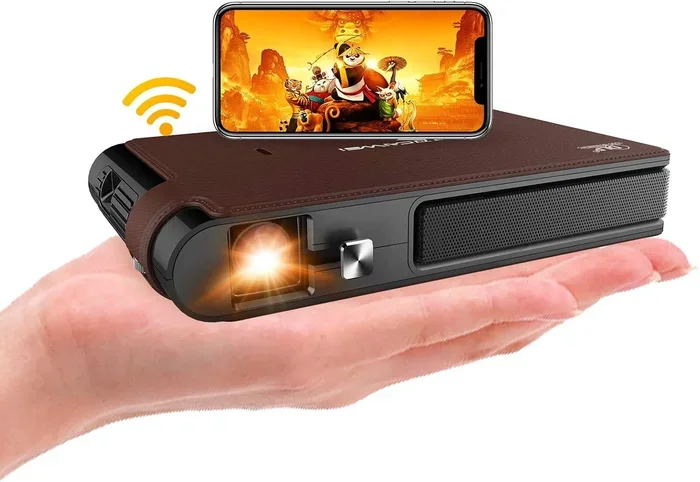
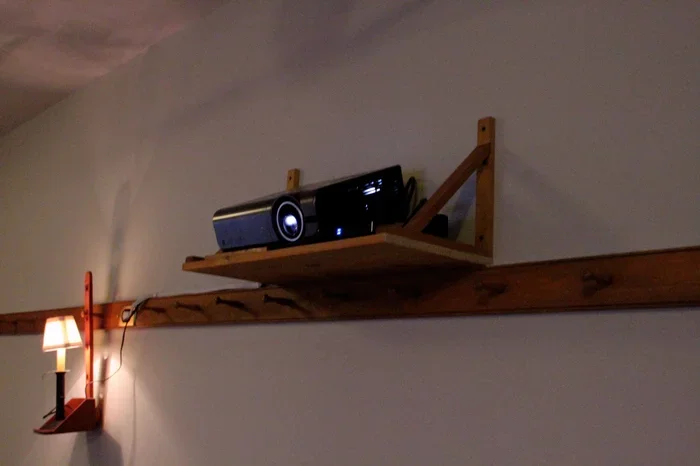
Digital cinema has completely transformed how movies are shown in theaters. If you are wondering whether you can use a home theater projector to recreate this experience, the answer is yes. Many people now set up their own screening rooms with projectors similar to what theaters use.
How Digital Projection Works
Modern digital cinema projectors use powerful lamps and micro-mirror chips to display images on a screen. These projectors can produce incredibly sharp pictures with vibrant colors. They also support 4K resolution, high dynamic range, and advanced 3D projection technologies.
Unlike film reels, digital files do not degrade over time. A digital cinema package looks exactly the same whether it is played on day one or day one hundred. This consistency is a huge advantage for studios and theater owners alike.
Benefits of Digital Over Film
There are many reasons why digital projection won out over film projection. Here are the main benefits:
- Lower operating costs: No need to buy, ship, or store heavy film prints.
- Instant distribution: Movies can be sent to theaters anywhere in the world instantly.
- Superior image quality: Digital projectors offer crisp, bright, and stable images.
- Easier maintenance: Fewer moving parts means less wear and tear.
- Advanced features: Support for 3D, Dolby Atmos, and high frame rates.
These advantages made the decision easy for most theater owners. Even smaller cinemas found it more practical to invest in a digital projector than to keep maintaining film projection equipment.
Why Some Theaters Still Use Film Projectors
Despite the dominance of digital cinema, film is far from extinct. A dedicated group of theaters still runs 35mm projectors and offers film screenings to audiences who crave that authentic experience.
Nostalgia and the Cinephile Experience
For many movie lovers, watching a film on 35mm projection is a ritual. The click of the projector, the subtle flicker of the light, and the warmth of the image all add to the magic. Some people say that film projection simply feels more cinematic than digital.
Independent theaters and vintage cinemas often lean into this nostalgia. They host film-only screenings of classic movies and attract audiences who want to experience films the way they were meant to be seen. If you ever get the chance to attend one of these screenings, it is well worth it.
Film Festivals and Special Screenings
Film festivals around the world still embrace film projection. Events like the Cannes Film Festival and Sundance often screen movies on 35mm or 70mm film. These screenings are treated as special events, and tickets sell out fast.
Some theaters also host film appreciation nights where they show classic movies on actual film. These events are popular with film buffs and families who want to share the experience of watching a movie the old-fashioned way.
Art House and Repertory Theaters
Art house theaters and repertory cinemas are the last strongholds of film projection in many cities. These venues focus on classic films, independent movies, and restored prints. They often maintain vintage projectors and train staff in the art of film projection.
These theaters understand that film has a unique aesthetic quality that digital cannot fully replicate. The grain structure, the color palette, and the overall texture of a 35mm print create a viewing experience that is warm and immersive.
The Future of Movie Projection
So what does the future hold for movie theater projection? The trend is clearly moving toward digital, but film will likely never disappear entirely. Let us look at what is ahead.
Laser Projection Technology
The newest advancement in theater projection is laser projection. Laser projectors offer even brighter images, better color accuracy, and longer lifespans than traditional lamp-based digital projectors. Many premium theaters now use laser projection to deliver an exceptional viewing experience.
If you have ever wondered whether you can use a laser projector at home, the answer is yes. The technology used in theaters is now available for consumer setups. You can check out guides on using a home projector to create your own cinema-like experience at home.
Immersive Formats and New Standards
Digital cinema continues to evolve with new immersive formats. Technologies like Dolby Cinema, IMAX with laser, and 4DX push the boundaries of what projection systems can do. These formats combine advanced projection with premium sound, motion seats, and environmental effects.
As these technologies become more widespread, the gap between the theater experience and home viewing continues to shrink. Some people even set up home theater projectors with surround sound to replicate the cinema experience in their living rooms.
What This Means for Movie Lovers
Whether you prefer digital projection or film projection, the good news is that there are still options for everyone. Most theaters offer excellent digital screenings, and a few dedicated venues still run 35mm prints for those who want the real deal.
If you love movies, try to catch a film screening at least once. The experience of watching a movie on actual film is something special. And if you are curious about using a projector at home, there has never been a better time to explore your options. You can even find tips on using a projector with a Roku to stream content on the big screen.
The shift from film to digital is one of the biggest changes in cinema history. But the love for movies, whether on film or digital, remains the same. Every new projection technology makes the cinema experience better and more accessible to audiences around the world.
So the next time you sit down in a dark theater and the lights go dim, take a moment to appreciate the technology behind the screen. Whether it is a digital projector humming quietly in the booth or a vintage film projector spinning a reel, the goal is the same: to transport you into another world. And that is something worth celebrating.
Frequently Asked Questions
Do all movie theaters still use film projectors?
No, most movie theaters have switched to digital cinema projection. Only a small number of independent, art house, and vintage theaters still use 35mm film projectors for special screenings and classic movie events.
Why did movie theaters stop using film projectors?
Theaters switched to digital projection because it is cheaper, more reliable, and easier to distribute movies. Digital cinema packages can be sent instantly, while film prints require physical shipping and storage.
Can I still watch movies on film at a theater?
Yes! Some theaters host film-only screenings of classic and restored movies. Check with local art house theaters and film festivals to find upcoming film projection events near you.
Is film projection better than digital projection?
This is subjective. Many cinephiles love the warm, organic look of 35mm film. Digital projection offers sharper images and advanced features like 4K resolution and high dynamic range. Both have their own unique charm.
What is a digital cinema package (DCP)?
A digital cinema package is a file format used to distribute movies to theaters digitally. It contains the movie in a high-quality digital format that can be played on digital cinema projectors. DCPs replaced physical film reels as the standard way to deliver movies to theaters.
Are there home projectors that match theater-quality projection?
Yes, modern home theater projectors can deliver excellent image quality that rivals some theater systems. You can find projectors that support 1080p or even 4K resolution, and some even offer laser projection for bright, vibrant images.