Are Smart Plugs Safe From Hackers and Data Breaches
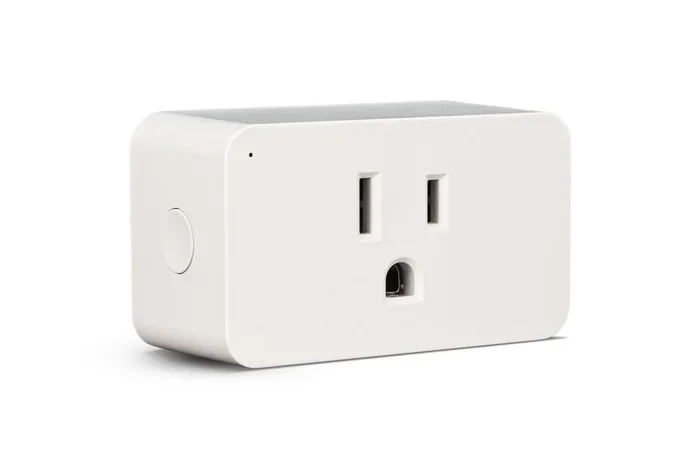
Smart plugs offer incredible convenience, but many users wonder: are smart plugs safe from hackers? The truth is that smart plug security depends on several factors, including your home network, the brand you choose, and how you configure your devices. While IoT vulnerabilities exist, you can take simple steps to protect smart plugs from hacking and keep your home network safe from unauthorized access and data breaches.
Key Takeaways
- Smart plugs can be hacked: Like any internet-connected device, smart plugs carry potential security risks that homeowners should understand.
- Weak passwords are the biggest threat: Default or simple passwords make it easy for hackers to gain access to your smart plugs and network.
- Firmware updates matter: Keeping your smart plug firmware current patches known security vulnerabilities and strengthens device protection.
- Network segmentation adds a layer of safety: Isolating smart devices on a separate network limits the damage if one device gets compromised.
- Trusted brands invest in security: Choosing reputable manufacturers with strong encryption and regular firmware updates reduces risk significantly.
- Two-factor authentication helps: Enabling extra verification steps adds a powerful barrier against unauthorized remote access to your devices.
📑 Table of Contents
- Are Smart Plugs Safe From Hackers? Understanding the Real Risks
- Common Smart Plug Security Vulnerabilities
- How Hackers Can Access Your Smart Plugs
- How to Protect Your Smart Plugs From Hackers
- The Bigger Picture: Smart Plugs and Your Overall Home Security
- Are All Smart Plugs Equally Vulnerable?
- What Happens If a Smart Plug Gets Hacked?
- Expert Insights on Smart Plug Security
- Quick Tips for Smart Plug Safety
- Common Mistakes People Make With Smart Plug Security
- The Future of Smart Plug Security
- Conclusion
Are Smart Plugs Safe From Hackers? Understanding the Real Risks
Smart plugs have become one of the most popular smart home devices on the market. They are small, affordable, and incredibly easy to use. You plug them into a wall outlet, connect them to your Wi-Fi, and suddenly you can control any appliance from your phone. But here is the question that keeps many people up at night: are smart plugs safe from hackers?
The short answer is that no connected device is 100% immune to cyber threats. Smart plug security varies widely depending on the brand, model, and how you set things up. Some plugs come with strong encryption and regular firmware updates. Others cut corners, leaving IoT vulnerabilities wide open. The good news is that understanding these risks puts you in a much better position to protect yourself.
Hackers target connected devices for many reasons. Sometimes they want access to your personal data. Other times, they use your devices as part of a larger botnet attack. And in some cases, they simply want to prove they can. Whatever the motivation, the risk is real. But it is also manageable. With the right knowledge and a few smart habits, you can enjoy all the benefits of smart home automation without putting your home network in danger.
Why Smart Plugs Are Targeted by Hackers
You might wonder why anyone would want to hack a simple smart plug. It seems harmless compared to a laptop or smartphone. But that is exactly what makes these devices attractive targets. Many smart plugs have weaker security than phones or computers. They often run on limited processing power, which means less room for advanced security features. Hackers know this and exploit it.
Once a hacker gains access to a smart plug, they can use it as a gateway into your broader home network. From there, they may reach your computer, phone, or even smart cameras. The plug itself becomes a stepping stone. This is why network security for all your connected appliances matters so much.
Common Smart Plug Security Vulnerabilities
Not all smart plugs are created equal. Some brands invest heavily in cybersecurity. Others prioritize cost savings over device protection. Understanding the common vulnerabilities helps you make smarter buying decisions and use your plugs more safely.
Default Passwords and Weak Authentication
This is the number one problem. Many smart plugs ship with default usernames and passwords like “admin” and “1234.” If you do not change these right away, anyone on the same network can potentially access your device. Password protection is your first line of defense, and skipping it is like leaving your front door wide open.
Some plugs do not even offer the option to set a custom password. This is a major red flag. Always check whether a smart plug allows you to create a strong, unique password before you buy it.
Unencrypted Data Transmission
When your smart plug sends data to the cloud or your phone, that data should be encrypted. Encryption scrambles the information so that only authorized devices can read it. Without it, hackers can intercept your data while it travels over the air. This is a serious data privacy concern.
Look for smart plugs that use WPA3 encryption or at minimum WPA2. These standards provide much stronger protection for your wireless communication between devices and your router.
Lack of Firmware Updates
Software flaws get discovered all the time. Responsible manufacturers release firmware updates to patch these issues. But some smart plug brands never update their products after you buy them. This means any security vulnerability they have at the time of purchase stays there forever.
Before purchasing a smart plug, check the manufacturer’s track record. Do they regularly release updates? How long do they support a product after launch? These questions matter more than most people realize.
How Hackers Can Access Your Smart Plugs
Understanding the methods hackers use helps you defend against them. Cybersecurity threats to smart plugs generally fall into a few common categories. Let us walk through them.
Man-in-the-Middle Attacks
In a man-in-the-middle attack, a hacker positions themselves between your smart plug and your router. They intercept the communication and can potentially steal data or send malicious commands. This is why encrypted connections are so important. Without encryption, your smart plug’s data travels in plain text, making it easy to capture.
Brute Force Attacks
A brute force attack is exactly what it sounds like. A hacker uses software to try thousands of password combinations until they find the right one. If your smart plug has a weak password or no password at all, this method works almost instantly. Strong, unique passwords are your best defense here.
Network Exploitation
Sometimes hackers do not even target the smart plug directly. Instead, they exploit weaknesses in your home router or network. Once inside your network, they can scan for vulnerable devices. A smart plug with poor security becomes an easy target. This is why router security is just as important as device-level security.
How to Protect Your Smart Plugs From Hackers
The good news is that protecting your smart plugs does not require a degree in computer science. A few simple steps go a long way toward keeping your connected devices safe. Here is what you should do.
Change Default Passwords Immediately
This cannot be stressed enough. The moment you unbox a smart plug, change the default password. Use a strong password that includes a mix of uppercase letters, lowercase letters, numbers, and symbols. Better yet, use a password manager to generate and store unique passwords for each device.
Keep Firmware Updated
Check for firmware updates regularly. Many smart plugs now support automatic updates, which is ideal. If your plug requires manual updates, set a reminder to check every few weeks. Outdated firmware is one of the easiest ways hackers gain access to your devices.
Use a Separate Network for Smart Devices
Most modern routers allow you to create a guest network or a separate IoT network. Put all your smart plugs and other connected devices on this separate network. If one device gets compromised, the hacker cannot easily reach your computers or phones on the main network. This simple step dramatically improves your home network safety.
Enable Two-Factor Authentication
If your smart plug app supports two-factor authentication, turn it on. This adds a second verification step when you log in, making it much harder for someone to access your account even if they guess your password. Two-factor authentication is one of the most effective remote access protections available.
Buy from Reputable Brands
Not all smart plugs are equal when it comes to security. Stick with well-known brands that have a proven track record of releasing security patches and supporting their products long-term. Cheap, no-name plugs from unknown sellers often have the weakest cybersecurity protections. The small savings are not worth the risk.
Disable Unnecessary Features
Many smart plugs come with features you may not need, like remote access from outside your home. If you only control your plugs from within your house, disable remote access. Fewer open pathways mean fewer opportunities for hackers. This is a simple but effective way to boost your internet security setup.
Monitor Your Network Regularly
Keep an eye on your network activity. Many modern routers let you see which devices are connected. If you notice an unfamiliar device, investigate immediately. Some routers also alert you to suspicious activity. Staying vigilant is a key part of home network safety.
The Bigger Picture: Smart Plugs and Your Overall Home Security
Smart plugs are just one piece of the connected devices puzzle. They work alongside smart speakers, cameras, thermostats, and more. Each device adds another potential entry point for hackers. Think of your home network like a house with many doors. Every smart plug is another door. You need to secure all of them, not just the most obvious ones.
Interestingly, the same principles that apply to smart plugs also apply to how computers are used in broader fields, including medicine. Hospitals and clinics rely on connected devices every day, and they face many of the same cybersecurity challenges we deal with at home. You can learn more about how computers are used across industries, including in medicine, to understand the wider scope of connected device security. The lessons from those environments reinforce why IoT device protection matters everywhere.
Building a Layered Security Approach
The best way to think about smart plug security is in layers. No single step will protect you completely. But combining several measures creates a strong defense. Start with strong passwords, add encrypted connections, keep firmware updated, and segment your network. Together, these steps make it very difficult for hackers to succeed.
Think of it like locking your doors at night. You do not just lock the front door. You lock the back door, the garage, and any windows. Home network security works the same way. Every layer you add makes it harder for intruders to get in.
Are All Smart Plugs Equally Vulnerable?
Not at all. There is a huge difference between a well-built smart plug from a reputable brand and a cheap generic one. Here is a quick comparison to help you understand the landscape.
| Feature | Premium Smart Plugs | Budget Smart Plugs |
|---|---|---|
| Firmware Updates | Regular, long-term support | Rare or none |
| Encryption | WPA3 or WPA2 | WEP or none |
| Password Options | Custom passwords supported | Default passwords only |
| Two-Factor Authentication | Available | Not available |
| Network Segmentation Support | Yes | Limited or none |
| Security Patches | Frequent and timely | Rare or never |
| Brand Reputation | Strong track record | Unknown or untrusted |
As you can see, the differences are significant. Premium plugs cost a bit more, but the security benefits are well worth it. When it comes to connected appliances, you are not just buying a gadget. You are buying peace of mind.
What Happens If a Smart Plug Gets Hacked?
It is helpful to understand the potential consequences so you can take the threat seriously. A hacked smart plug can cause several problems, ranging from minor annoyances to serious security breaches.
At the mild end, a hacker might simply turn your connected device on or off. Imagine someone turning off your coffee maker or turning on your space heater while you are away. It is annoying and potentially dangerous.
At the more serious end, a compromised smart plug can become a bridge to other devices on your network. Hackers might use it to access personal files, monitor your internet activity, or even steal login credentials. In rare cases, they might use your smart plug as part of a larger botnet attack against other targets.
Your data privacy is also at risk. Smart plugs collect usage data, including when you turn devices on and off and how frequently. If a hacker accesses this data, they can learn a lot about your daily habits and routines. This is why digital privacy measures matter for every connected device in your home.
Expert Insights on Smart Plug Security
Cybersecurity experts consistently emphasize that the biggest risk with smart plugs is not the technology itself, but how people use it. Most hacks happen because of basic mistakes like weak passwords, ignored updates, and unsecured networks. The experts recommend treating every smart plug with the same care you would give a computer or smartphone.
One expert put it simply: your smart plug is only as secure as your home network. If your router is vulnerable, everything connected to it is vulnerable. Start with your router, keep it updated, use strong encryption, and then build outward from there.
Another common recommendation from professionals is to disable Universal Plug and Play (UPnP) on your router. UPnP makes it easy for devices to discover each other, but it also opens doors that hackers can exploit. Turning it off is a quick and effective way to tighten your network security.
Quick Tips for Smart Plug Safety
- Always change default passwords the moment you set up a new smart plug.
- Enable automatic firmware updates whenever possible.
- Use a guest network for all IoT devices.
- Turn off remote access if you do not need it.
- Check for recalls and security advisories from the manufacturer.
- Restart your smart plugs regularly to apply any pending updates.
- Review connected devices on your router at least once a month.
Common Mistakes People Make With Smart Plug Security
Even well-meaning users make mistakes that leave their smart plugs exposed. Here are the most common ones to avoid.
Mistake 1: Ignoring firmware updates. It is tempting to tap “remind me later” when an update notification pops up. But those updates often fix critical security vulnerabilities. Delaying them leaves your device exposed.
Mistake 2: Using the same password everywhere. If a hacker gets your smart plug password, they will try it on every account you own. Unique passwords for every device are essential.
Mistake 3: Not securing your router. Your router is the gateway to all your smart devices. If it is not secure, nothing else behind it is secure either. Change your router’s default password, use WPA3 encryption, and keep its firmware updated.
Mistake 4: Buying the cheapest option. Ultra-budget smart plugs often skip basic security features to cut costs. The few dollars you save are not worth the risk to your home network.
Mistake 5: Never reviewing connected devices. Over time, you may forget about devices you no longer use. Old smart plugs that are still connected to your network are potential entry points for hackers. Remove them or reset them completely before disposal.
The Future of Smart Plug Security
The IoT security landscape is constantly evolving. Manufacturers are learning from past mistakes and building stronger protections into new devices. We are seeing a shift toward mandatory encryption, automatic updates, and stricter industry standards. Governments and regulatory bodies are also starting to pay attention to connected device security.
In the coming years, we can expect to see smarter authentication methods, better network isolation features built into routers, and more transparent security reporting from manufacturers. The goal is to make smart home devices safe by default, not by accident.
For now, the responsibility falls mostly on us as users. By staying informed and following the security practices outlined in this article, you can enjoy the convenience of smart plugs while keeping your home and data safe. Smart plug security is not about being paranoid. It is about being prepared.
Ultimately, the question “are smart plugs safe from hackers” comes down to one thing: how much effort you are willing to put in. With the right precautions, smart plugs can be a safe and valuable addition to your home. Without them, you are rolling the dice with your home network security and your personal data privacy. The choice is yours.
Conclusion
Are smart plugs safe from hackers and data breaches? The honest answer is that they can be, but only if you take the right steps. Smart plug security is not automatic. It requires attention, regular maintenance, and a willingness to follow best practices. From changing default passwords to keeping firmware updated and segmenting your network, every action you take strengthens your defense.
The world of connected devices offers incredible convenience and control. But with that convenience comes responsibility. Treat your smart plugs with the same care you would give any other internet-connected device. Stay informed about IoT vulnerabilities and new threats as they emerge. And remember that cybersecurity is an ongoing process, not a one-time fix.
By following the tips in this guide, you can confidently enjoy your smart home setup. You will know exactly what risks exist and how to manage them. That knowledge is your greatest asset in the fight to keep your home network and personal data safe from hackers.
Frequently Asked Questions
Can someone hack my smart plug remotely?
Yes, it is possible if your smart plug has weak security and is accessible over the internet. This is why disabling remote access when you do not need it and using strong passwords are so important. Keeping your firmware updated also closes doors that hackers might use for remote access.
What should I do if I think my smart plug has been hacked?
First, disconnect the smart plug from power immediately. Then change your Wi-Fi password and review all connected devices on your network. Check if the manufacturer has released a security patch or firmware update. If the problem persists, replace the smart plug with a more secure model from a trusted brand.
Do smart plugs collect personal data?
Many smart plugs collect usage data, such as when you turn devices on and off and how much energy they consume. This data is typically sent to the manufacturer’s cloud servers. To protect your data privacy, review the privacy policy of any smart plug before purchasing and adjust settings to limit data sharing when possible.
Are expensive smart plugs safer than cheap ones?
Generally yes. Premium smart plugs from reputable brands tend to have better encryption, regular firmware updates, and stronger authentication features. However, price alone is not a guarantee. Always research a brand’s security practices and update track record before buying.
Can a hacked smart plug damage my other devices?
Yes, a compromised smart plug can serve as an entry point for hackers to reach other devices on your network. They might access your computer, phone, or smart cameras through the same network. This is why network segmentation and strong router security are critical steps in protecting all your connected devices.
How often should I update my smart plug firmware?
You should check for updates at least once a month. Many smart plugs now support automatic updates, which is ideal. If your plug requires manual updates, do not ignore the notifications. Each update often includes patches for newly discovered security vulnerabilities that could otherwise leave your device exposed.
=== INTERNAL LINKS ===
Computers play a vital role across many industries, including healthcare. To learn more about how computers are used in diverse fields, check out this detailed guide on 10 Ways Computers Are Used In Medicine.
The same principles of network security and device protection apply whether you are using computers in a hospital or managing your smart home setup. Understanding how technology connects across different sectors helps reinforce why IoT security matters in every context.
If you are interested in exploring how connected technology is transforming the medical field, the article on 10 Ways Computers Are Used In Medicine offers valuable insights that complement your knowledge of smart home device security.